Tea
The alchemy of nature and time. From a single physical leaf to a profound state of mind,
tea offers a timeless pathway to inner stillness and absolute presence.
Philosophy
Through simplicity, presence, and harmony, tea becomes a way of life.
As Lu Yu wrote in The Classic of Tea, it is the “art of self-cultivation through tea.”
Origin of Tea
Over 3000 Years of History
The Tea Plant
Camellia Sinensis
All true tea comes from the Camellia sinensis plant, a tropical evergreen shrub native to Asia. There are two main varieties, sinensis (Chinese, small leaf) and assamica (Indian, broad leaf). It is the mastery of human processing that creates the vast spectrum of teas we know today.
The Terroir
Why a Dragon Well from Hangzhou cannot be replicated elsewhere. The soul of the soil.
Altitude
High mountains slow the plant’s growth, concentrating sweet amino acids and complex aromatics within the leaf.
Soil
From the mineral-rich rocky cliffs of Wuyi Mountain to the red earth of Yunnan, soil defines the “bone” of the tea.
Mist
Natural cloud cover diffuses harsh sunlight, naturally increasing L-theanine levels which provides tea’s calming energy.
Climate
Distinct seasonal shifts, especially the harsh winters, force the plant to store deep nutrients for the prized Spring harvest.
The Great Regions
The geography of world-class tea.
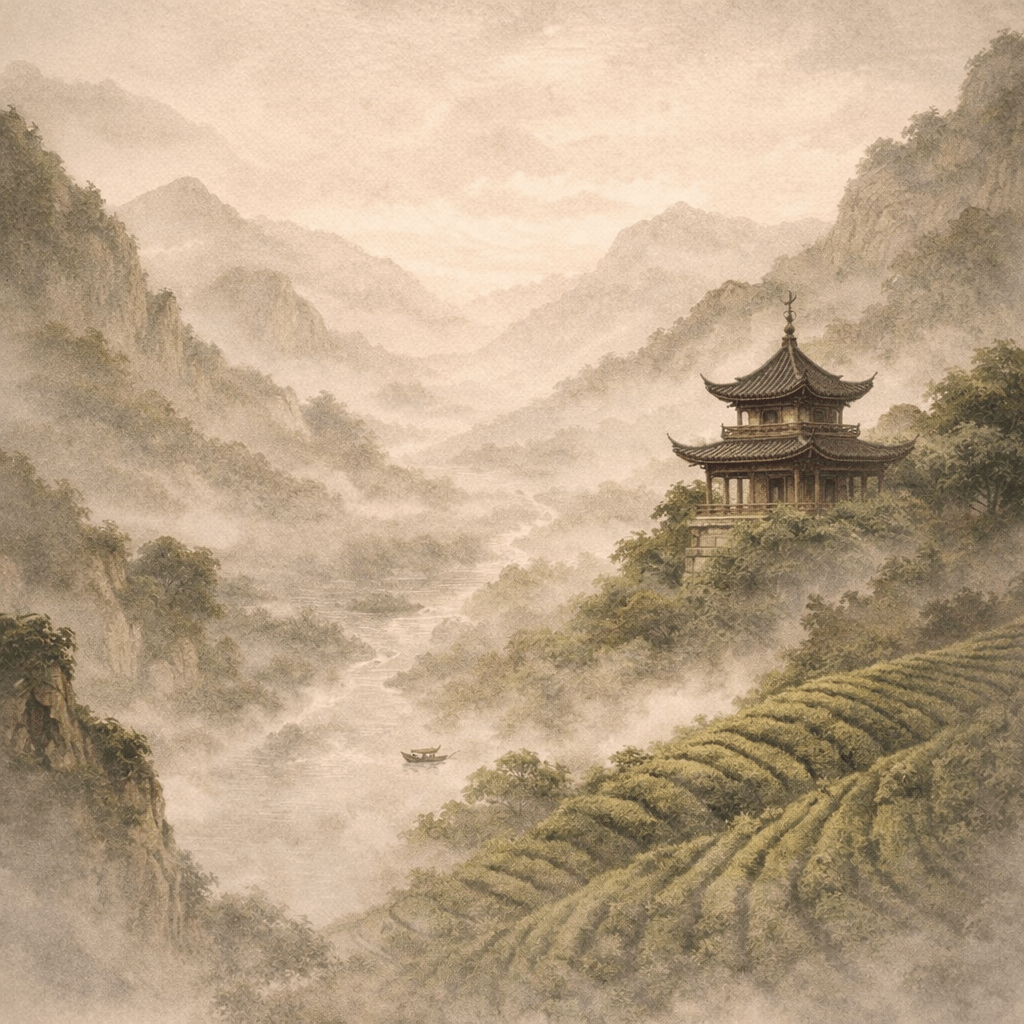
China
The cradle of tea culture. Master of all six categories, defined by pan-firing and complex terroir.
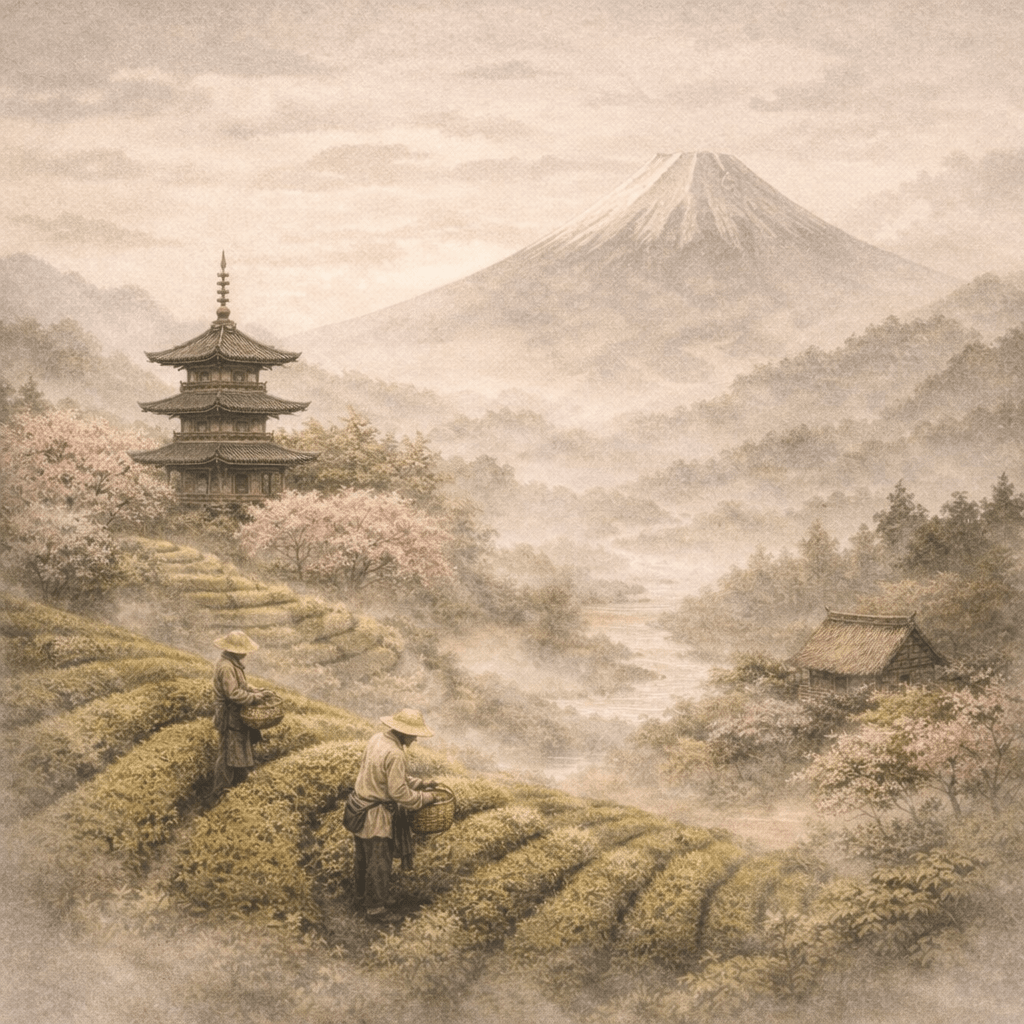
Japan
The pinnacle of deep-steamed green teas (Sencha) and shade-grown ceremonial Matcha.
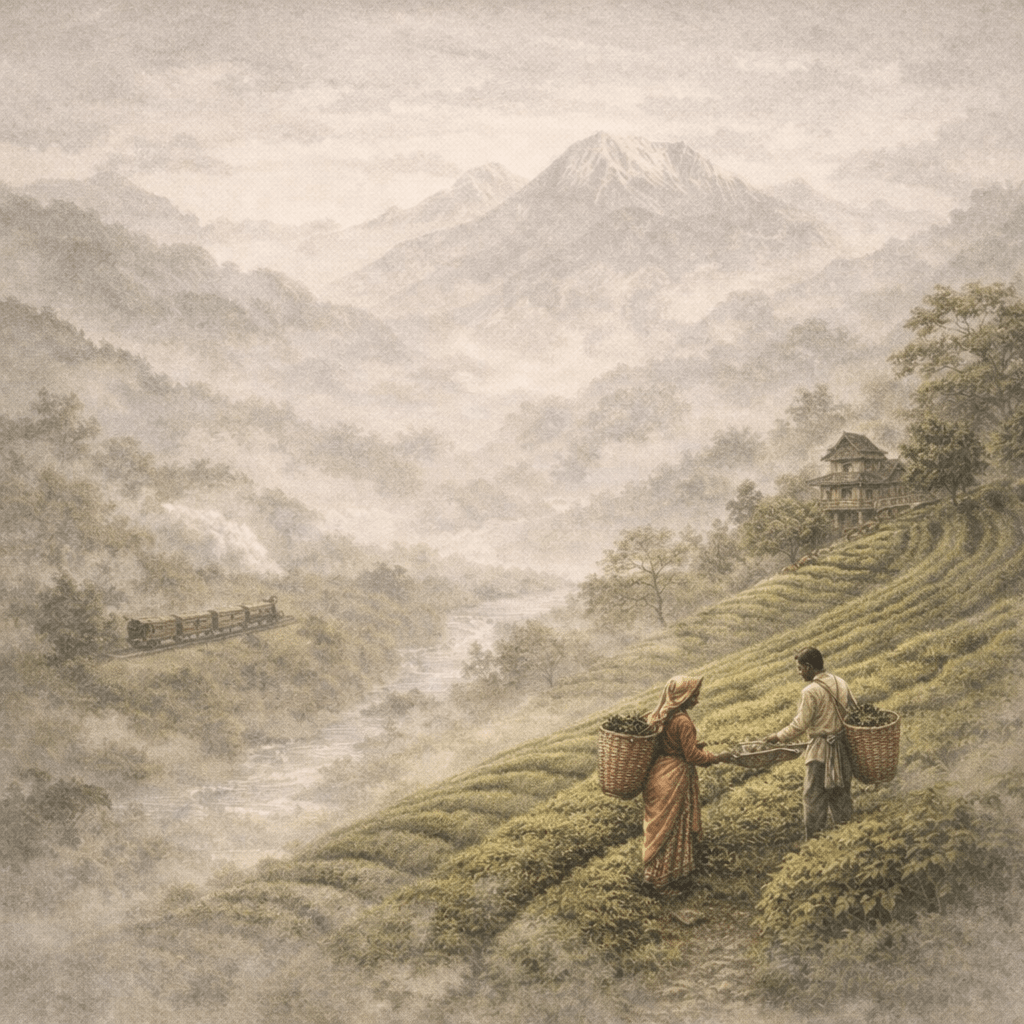
India
Home to the robust, malty Assam and the “champagne of teas,” the muscatel Darjeeling.
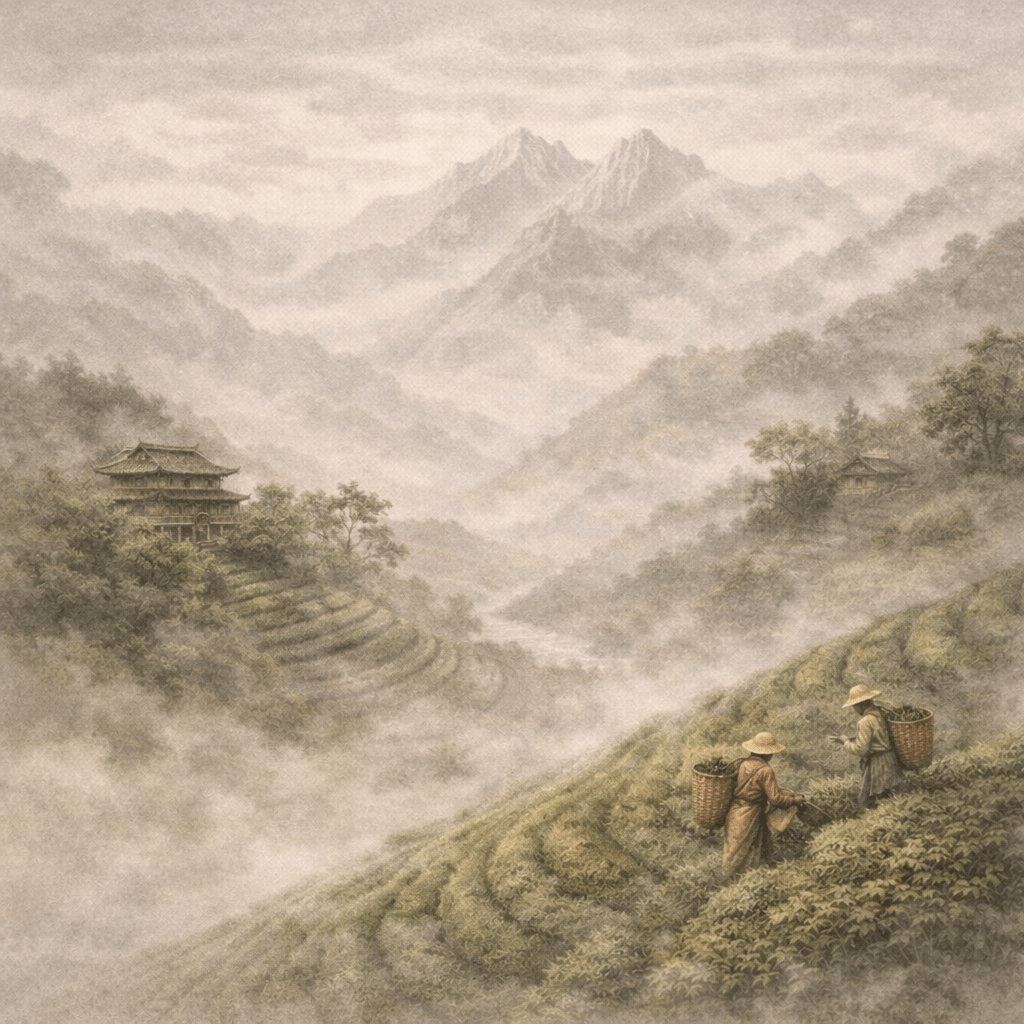
Taiwan
The undisputed island of High Mountain Oolongs, yielding unparalleled floral and creamy profiles.
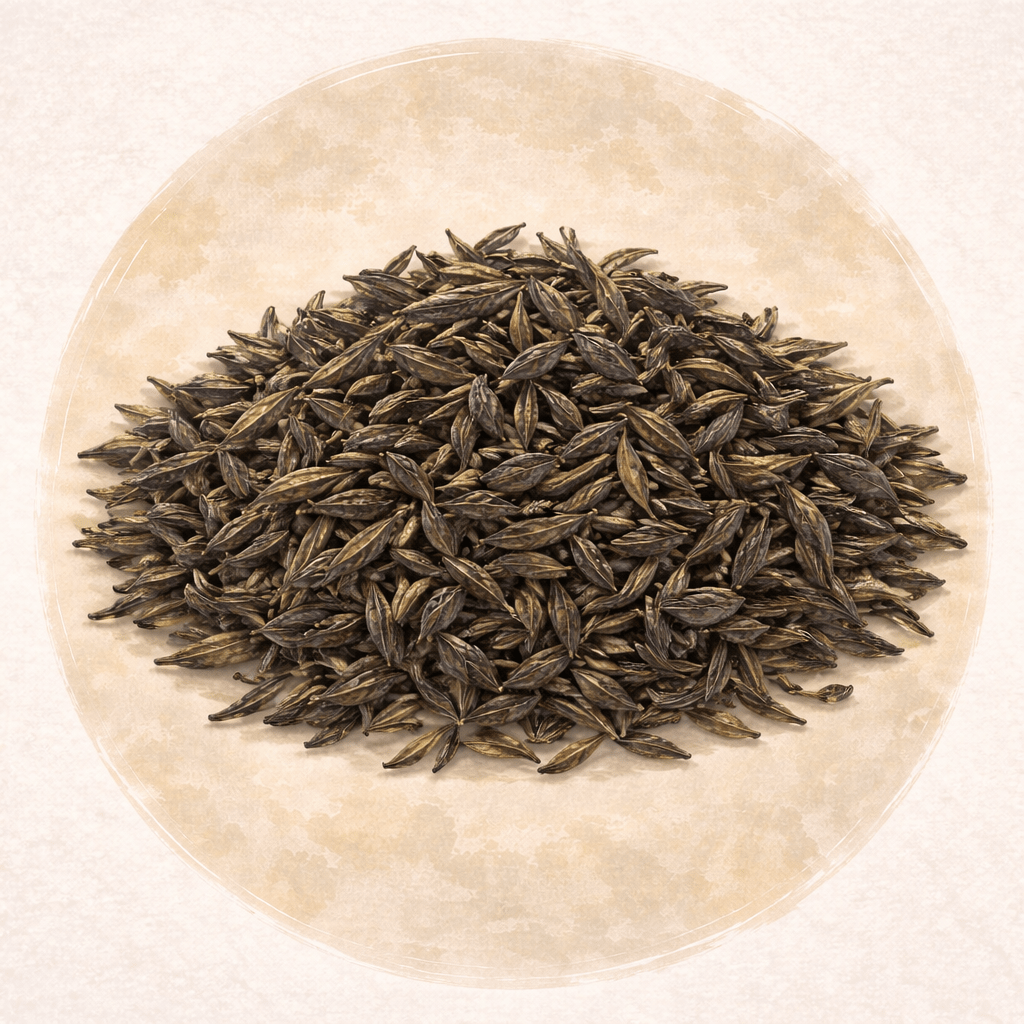
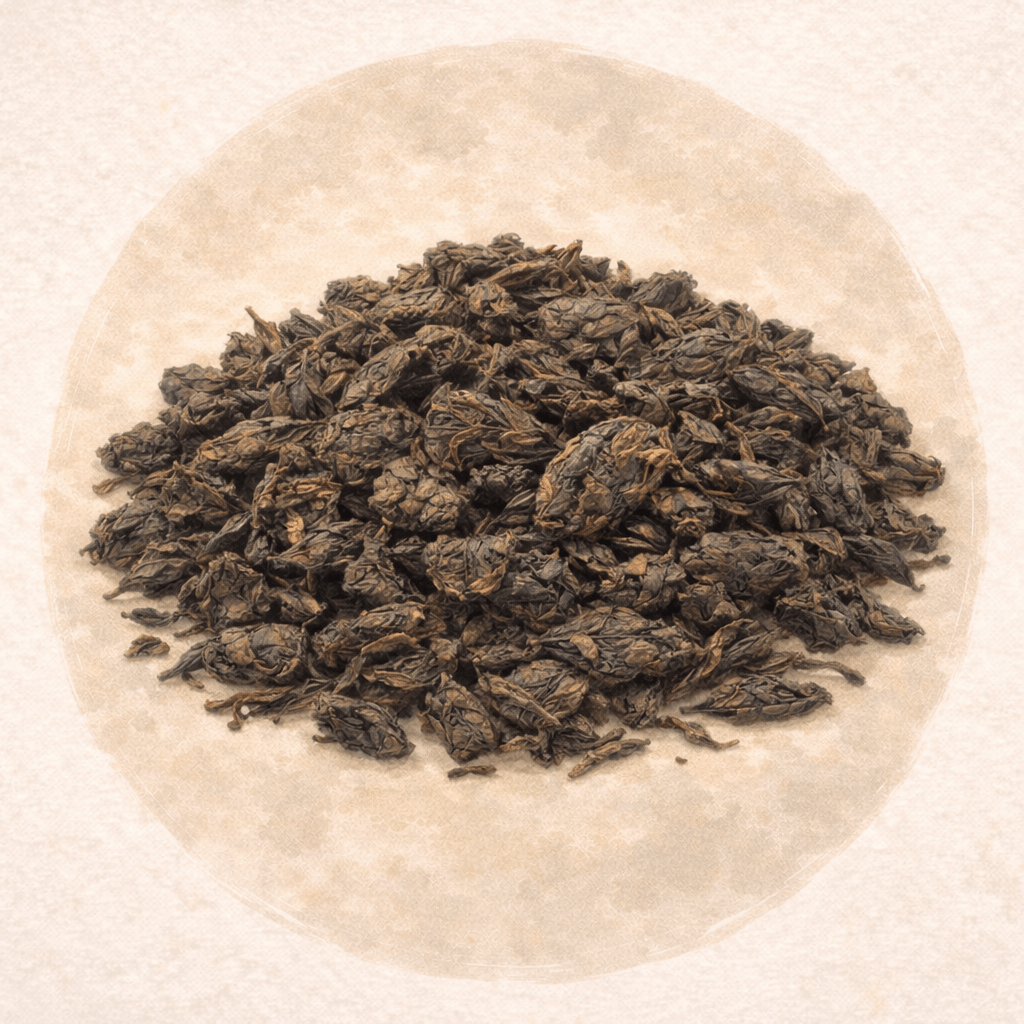
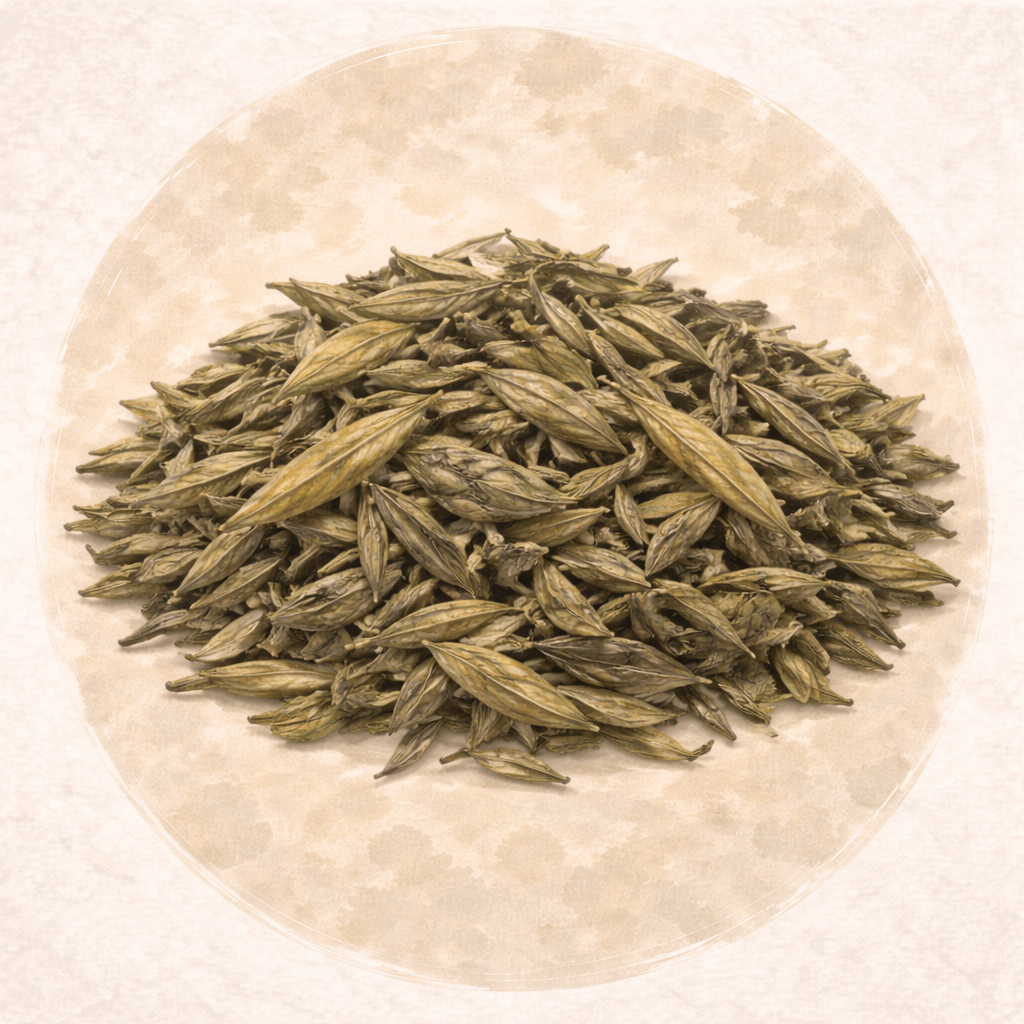
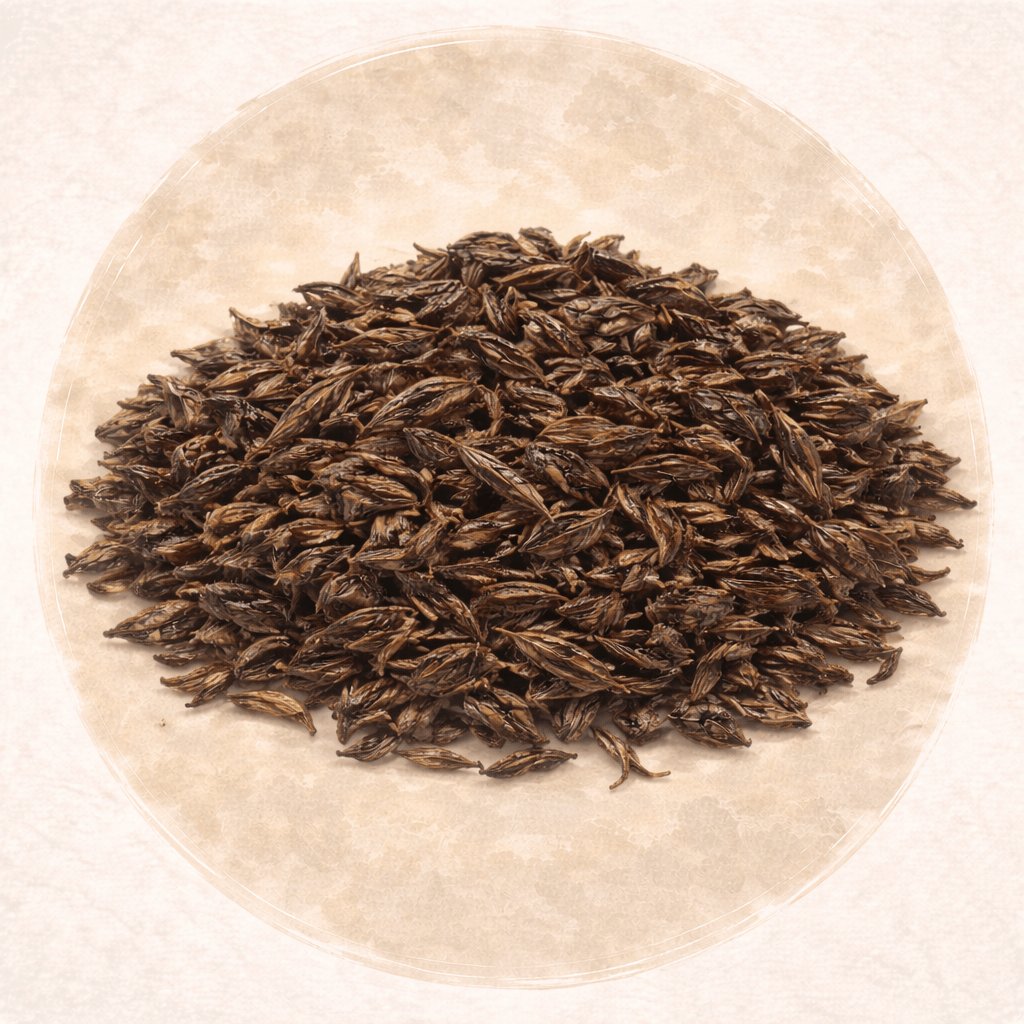
Six Types of Tea
Defined entirely by the degree of natural oxidation.
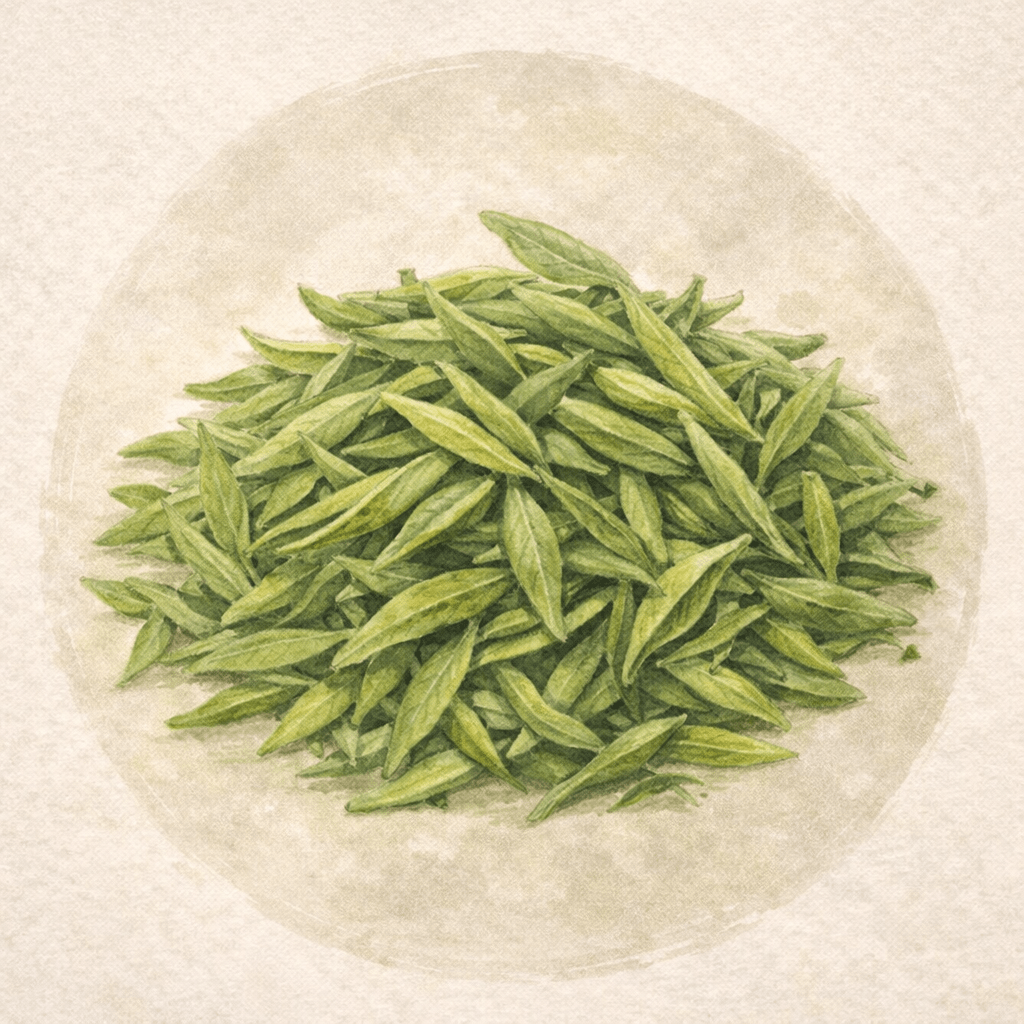
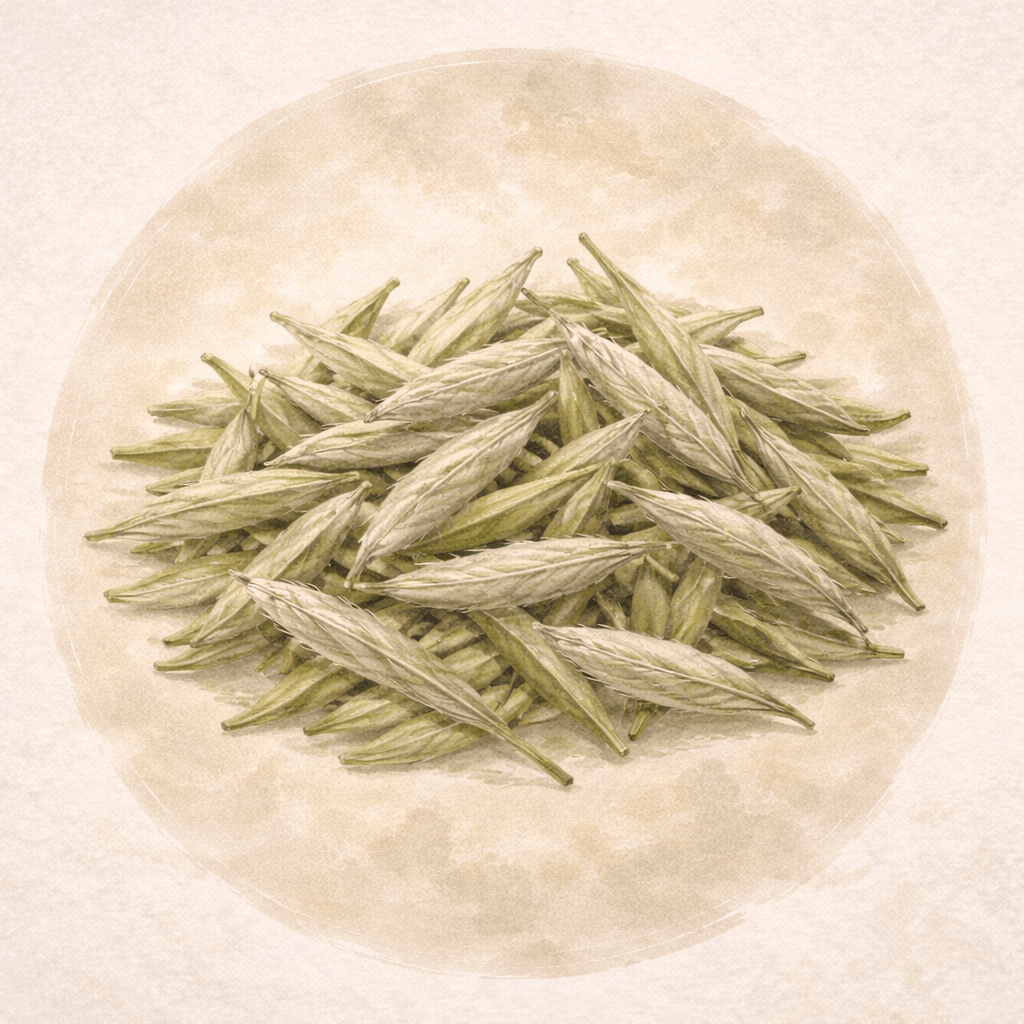
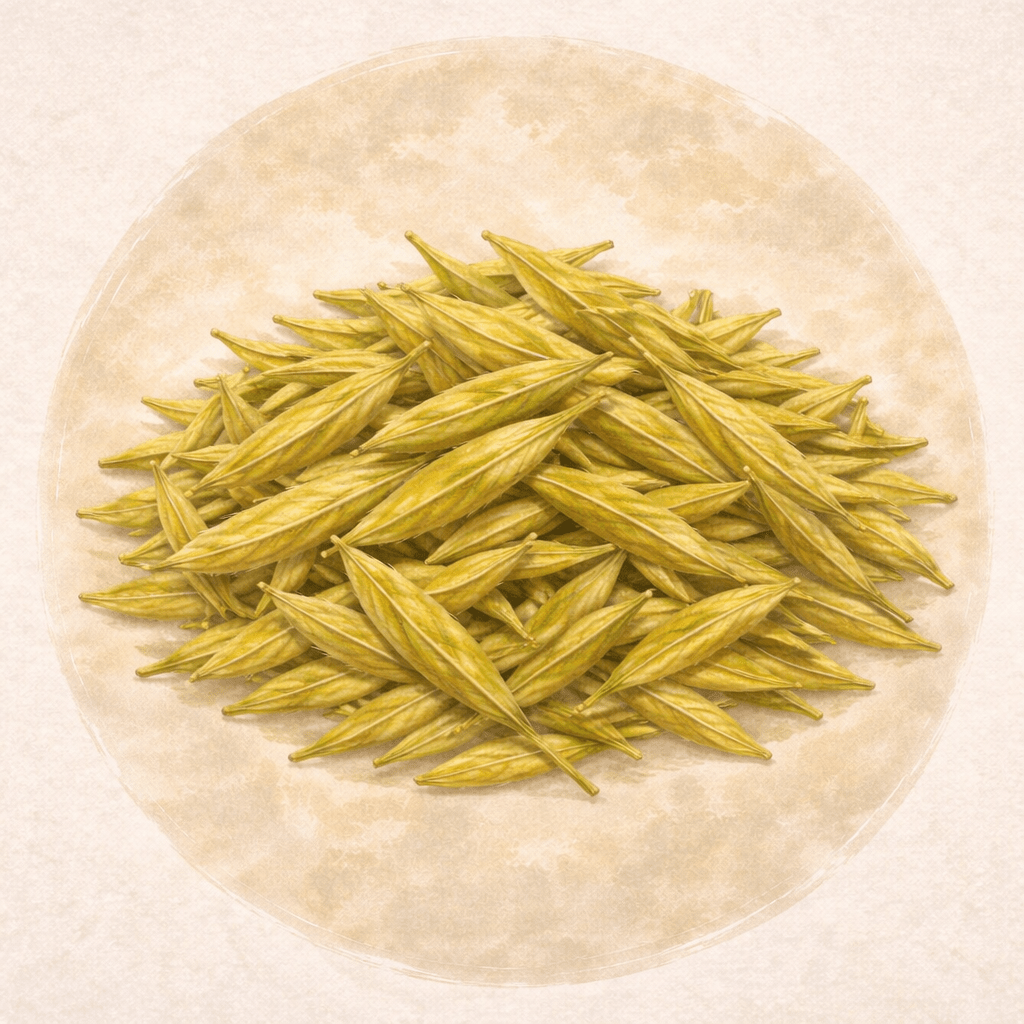
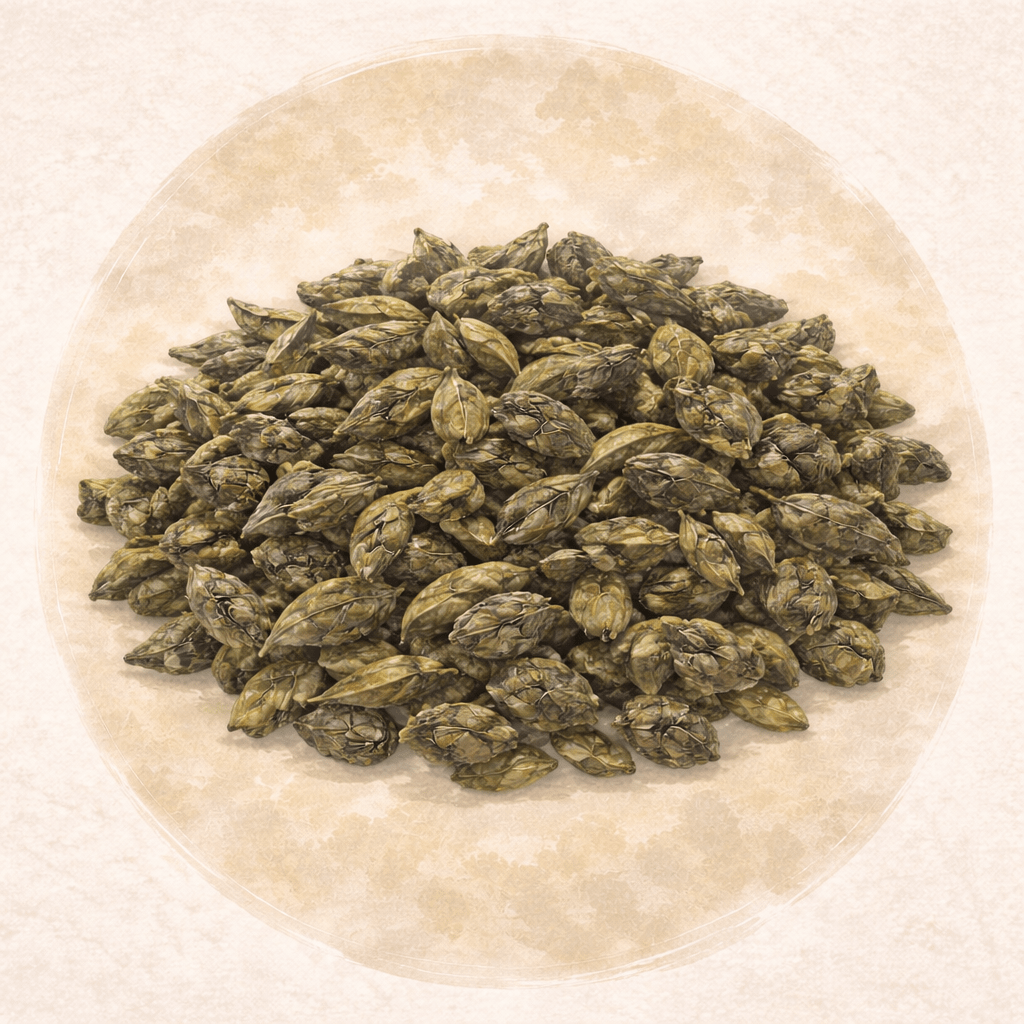
The Flavor Lexicon
A sensory wheel of the leaf’s natural aromatic compounds.
Floral
Orchid · Jasmine
Oolongs & WhitesNutty
Chestnut · Walnut
Chinese GreensSweet
Honey · Caramel
Black TeasMineral
Wet Stone · Ash
Wuyi Rock TeaUmami
Seaweed · Broth
Japanese GreensEarthy
Forest Floor · Wood
Ripe Pu-erhFruity
Plum · Raisin
Dancong OolongVegetal
Fresh Cut Grass
Sencha & MatchaThe Art of Crafting
How a fresh leaf is transformed into a vessel of culture.
1. Plucking
Only the tenderest tips—usually a single bud and two leaves—are hand-harvested at dawn.
2. Withering
Leaves are laid on bamboo trays to wilt, losing moisture and becoming pliable.
3. Kill-Green
A rapid application of intense heat to deactivate the enzymes, permanently halting oxidation.
4. Rolling
Leaves are bruised and shaped to break cellular walls, bringing essential oils to the surface.
5. Oxidation
Leaves react with oxygen, turning from green to brown and developing complex flavors.
6. Drying
The final baking or roasting locks in the flavor profile and removes residual moisture.
Brewing Fundamentals
Mastering the four elements of Gongfu extraction.
Water Temp
Temperature dictates extraction. 75-80°C for delicate Greens to avoid bitterness; 95-100°C for Oolongs and Pu-erhs to force open tight leaves.
Leaf Ratio
Gongfu brewing requires a high ratio of leaf to water. Typically 5 to 8 grams of tea packed into a tiny 120ml Gaiwan or Teapot.
Steep Time
Measured in breaths, not minutes. The first steep might be merely 5 seconds. This “flash brewing” prevents astringency and reveals layers.
The Vessel
Porcelain Gaiwans are neutral, perfect for smelling pure aromas. Unglazed Yixing clay pots absorb oils, rounding out heavy dark teas.
The Ritual
The practice of tea invites us to slow down. Every
movement becomes a meditation.
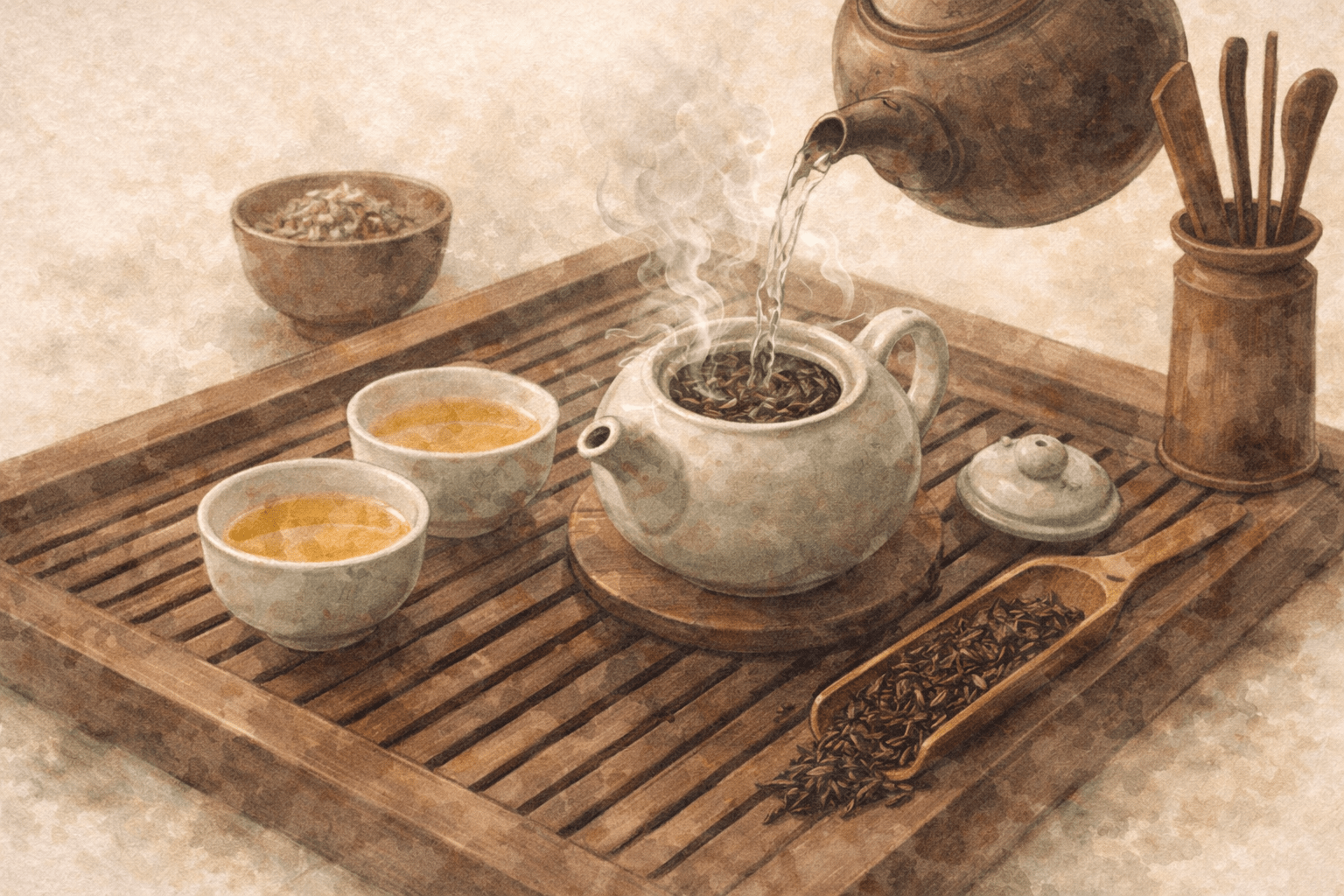
Prepare
Light the flame, heat the water, and warm the clay vessels to awaken the dormant leaves.
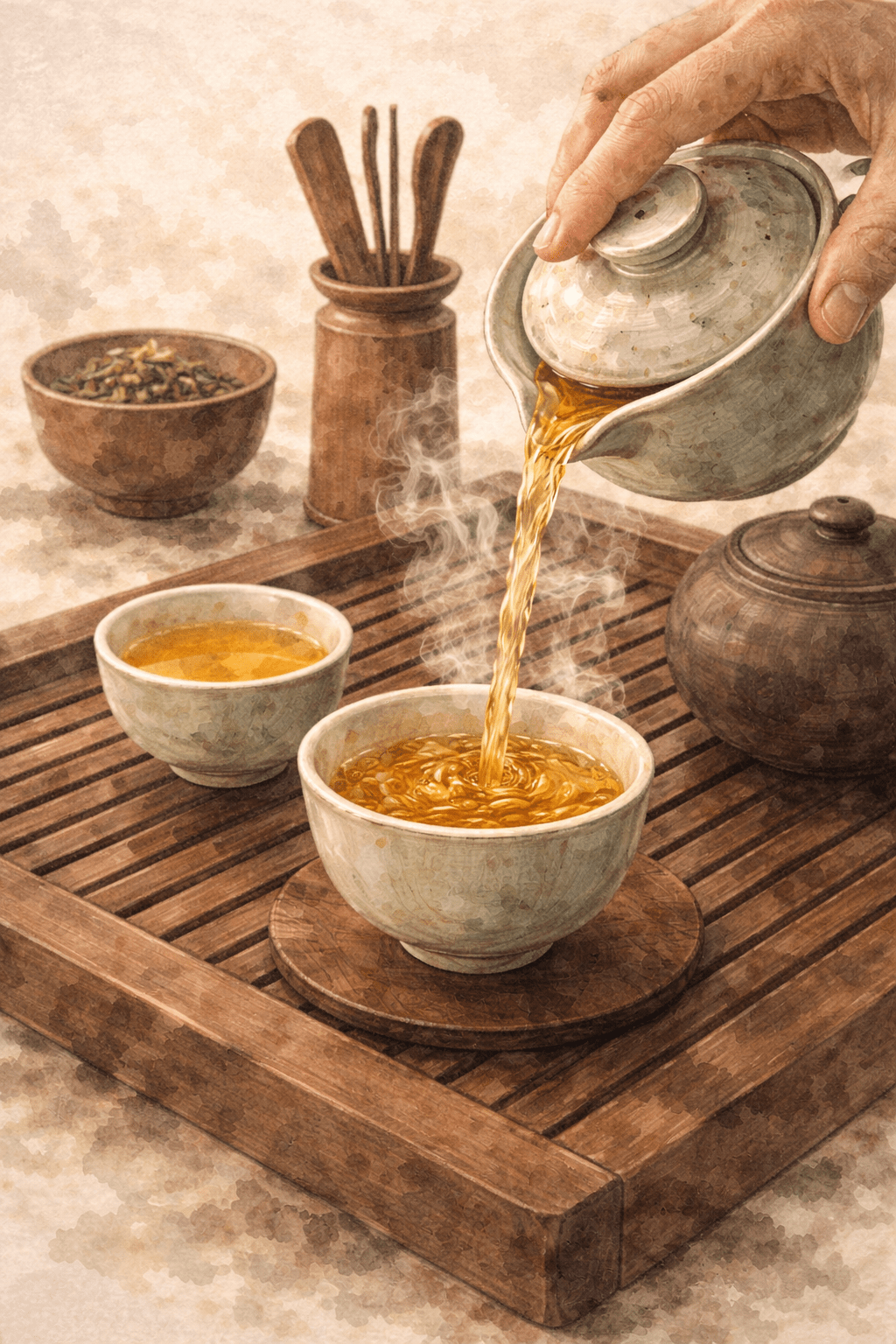
Serve
Pour with absolute poise and intention into the fairness pitcher, observing the alchemy of color.
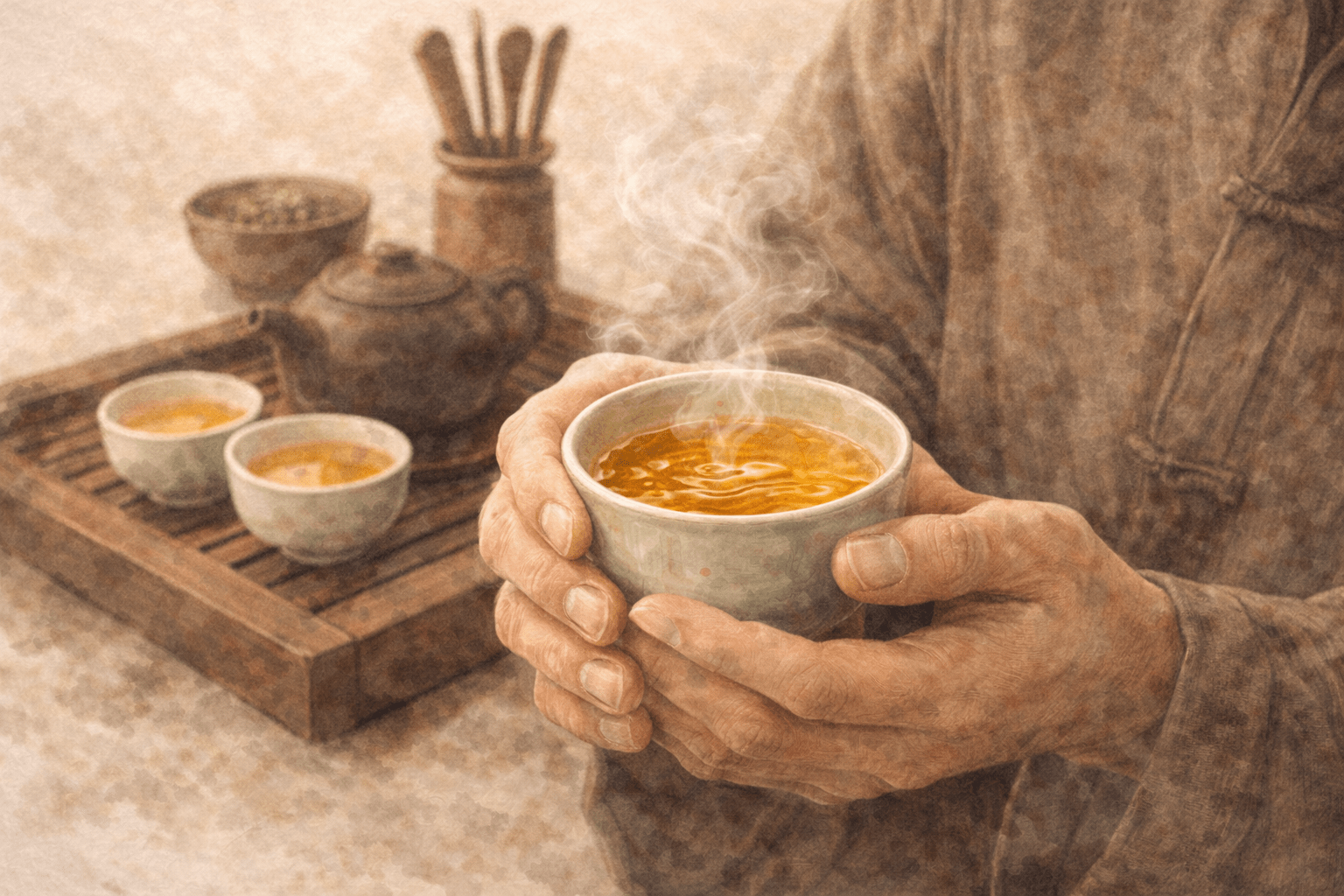
Savor
Inhale the empty cup, then sip slowly in three distinct swallows to capture the deep Hui Gan (sweet aftertaste).
The Master Guides
Definitive, single-page deep dives into specific teas and techniques.
No fluff, just pure mastery.
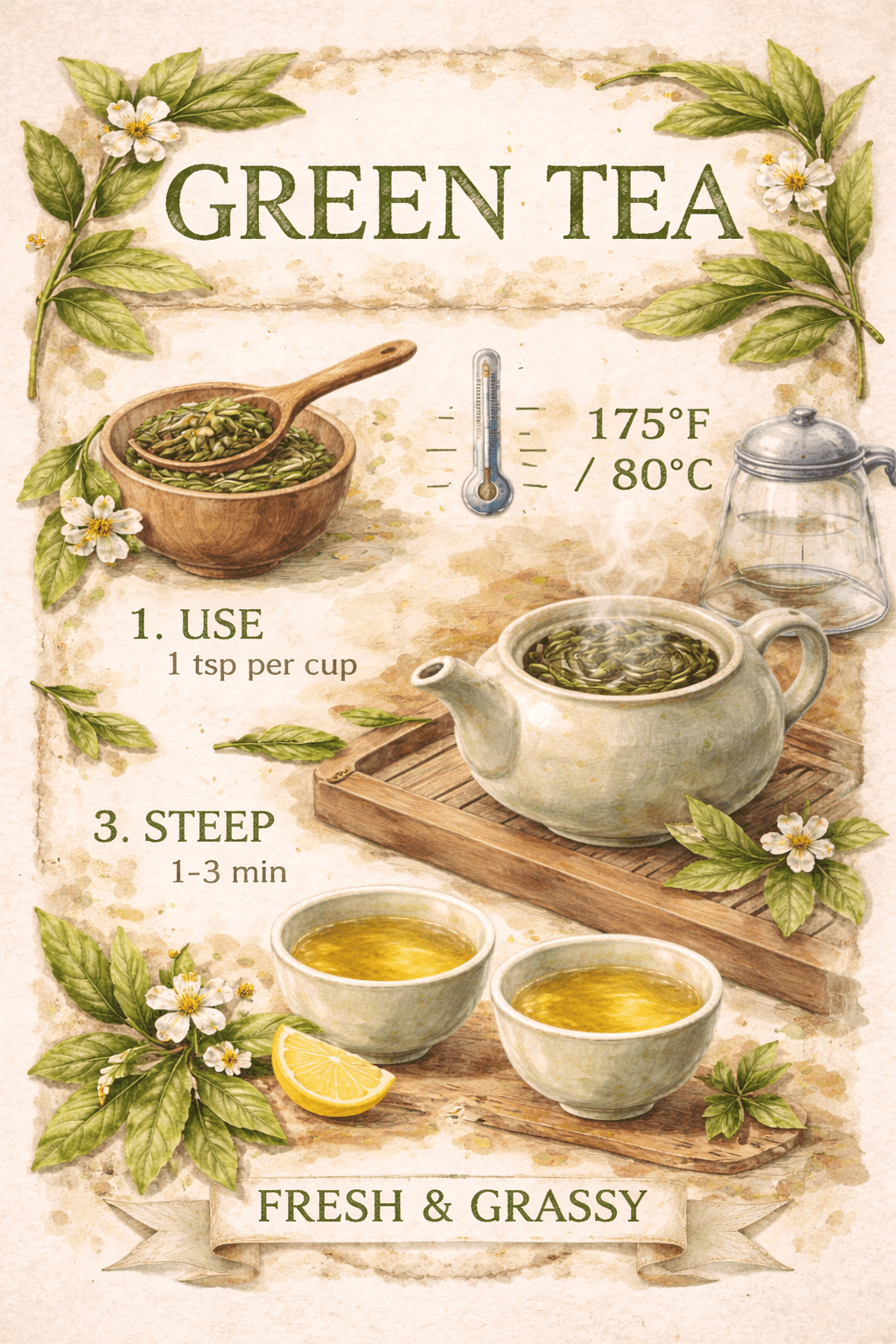
The Green Tea Codex
Everything you need to know about Green Tea. From the famous Dragon Well origins to precise brewing temperatures.
Read Guide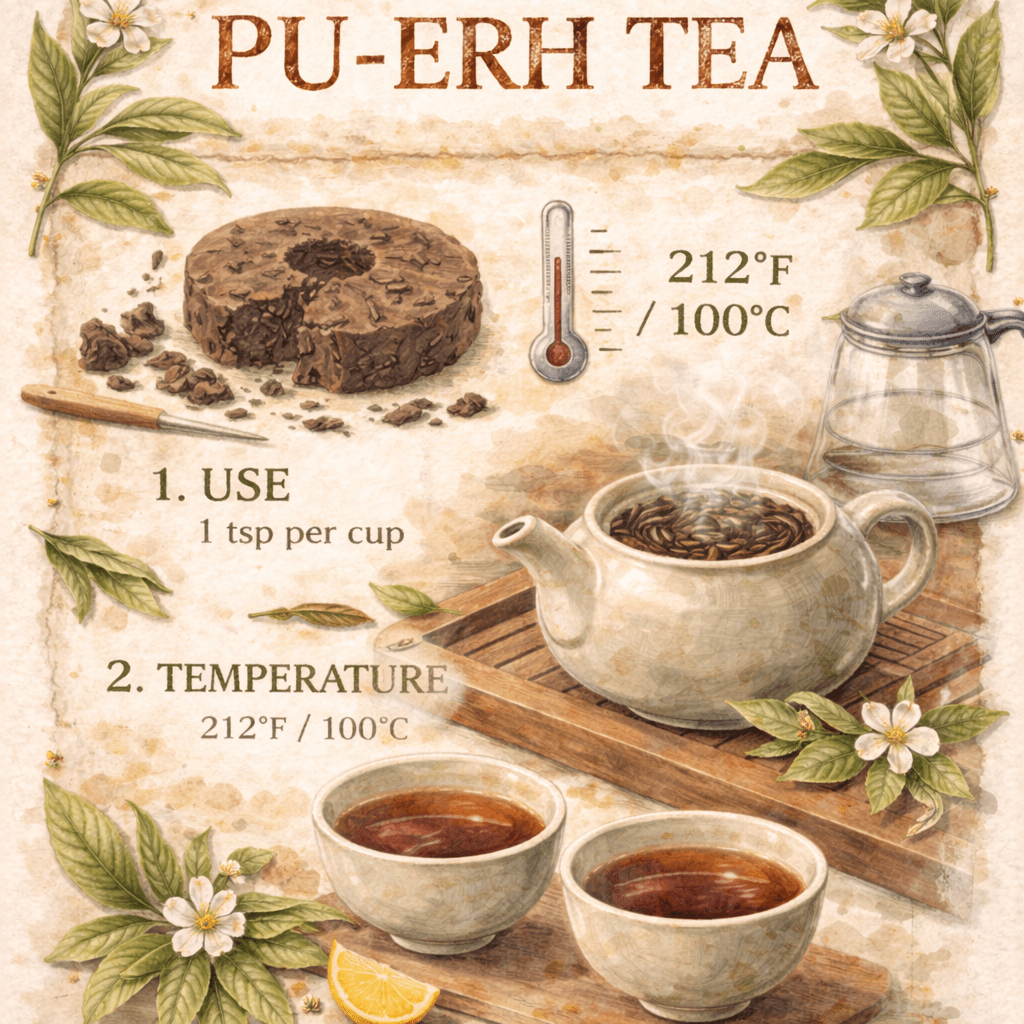
The Alchemy of Pu-erh
Understanding the complex world of aged tea. Learn the critical differences between Raw (Sheng) and Ripe (Shou).
Read Guide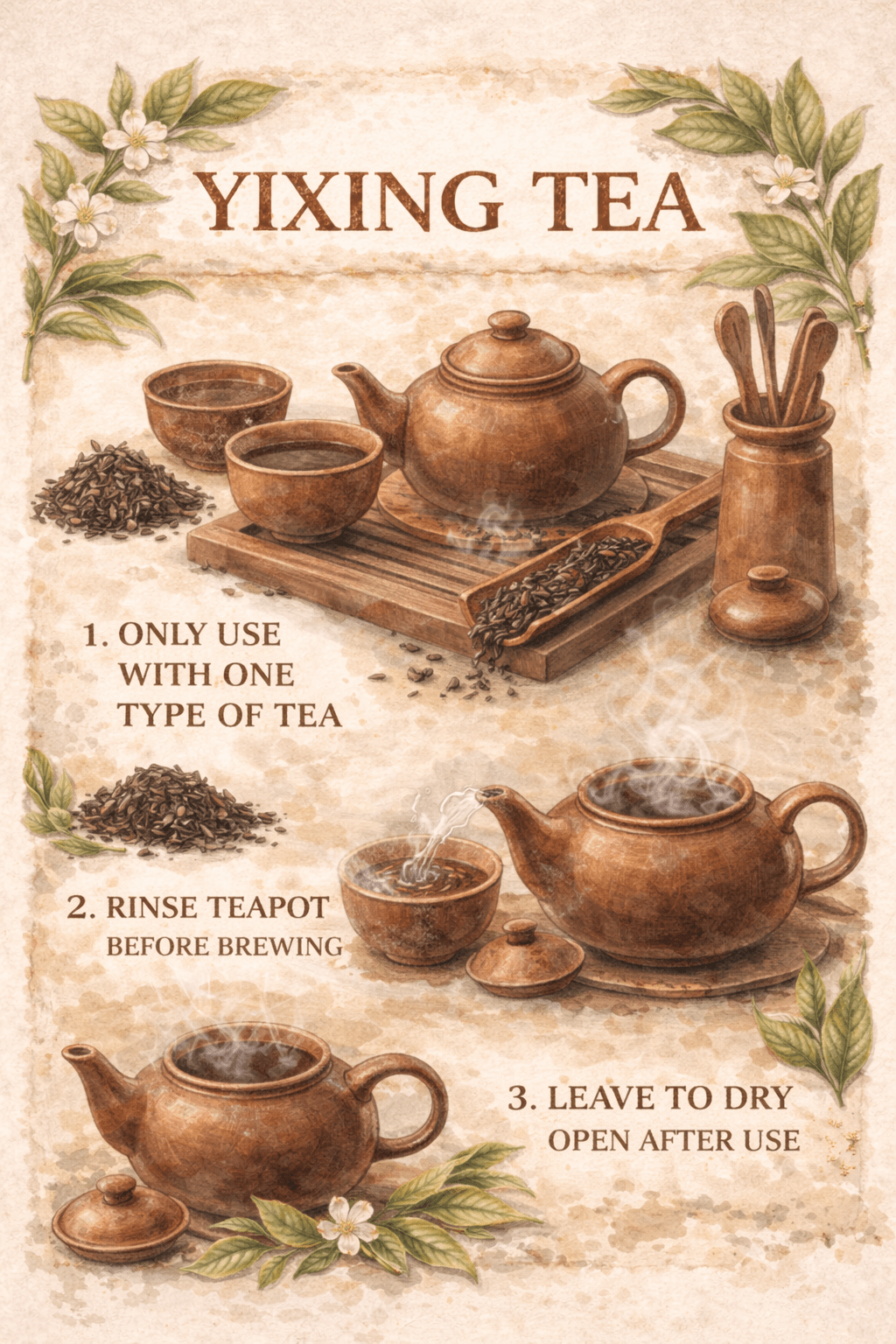
The Yixing Zisha Clay
Why master brewers insist on unglazed porous clay pots, and how to season your vessel for a lifetime of use.
Read GuideExplore Tea Topics
Deepen your practice through specific paths of study.
Latest Tea Articles
Explore the latest writings on tea culture, brewing, and philosophy.
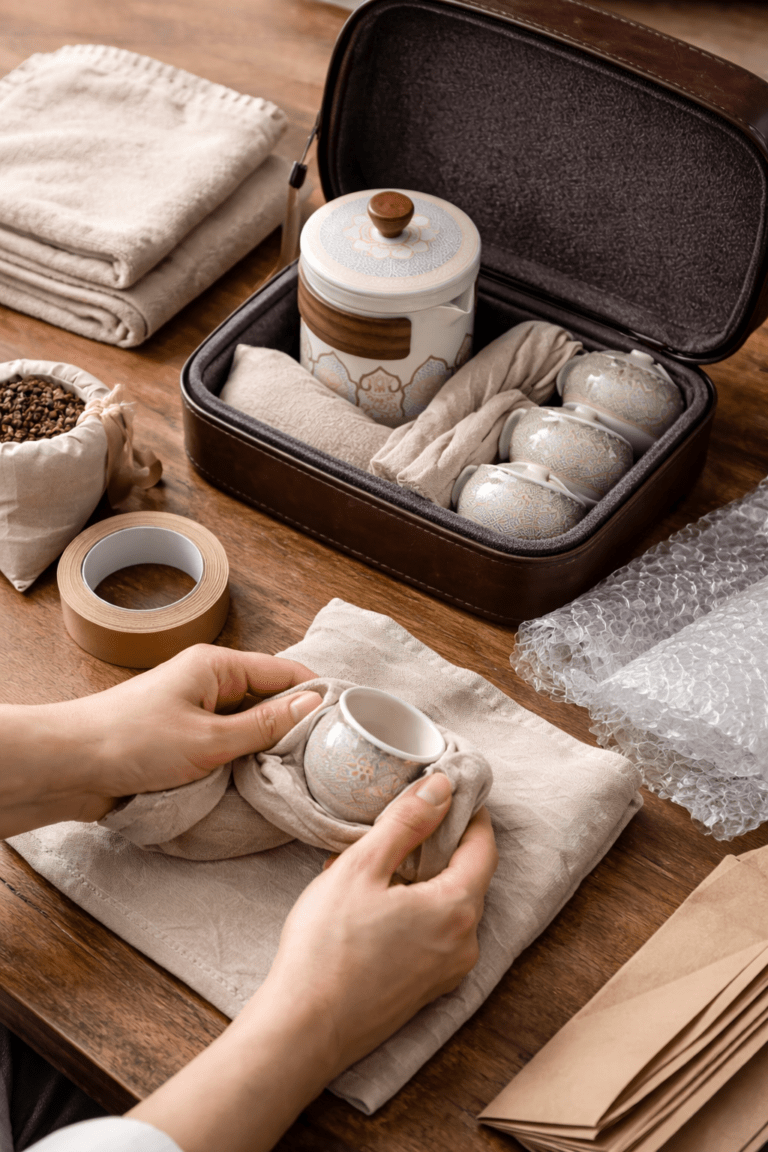
How to Pack a Tea Set for Travel Safely (Complete Beginner Guide)
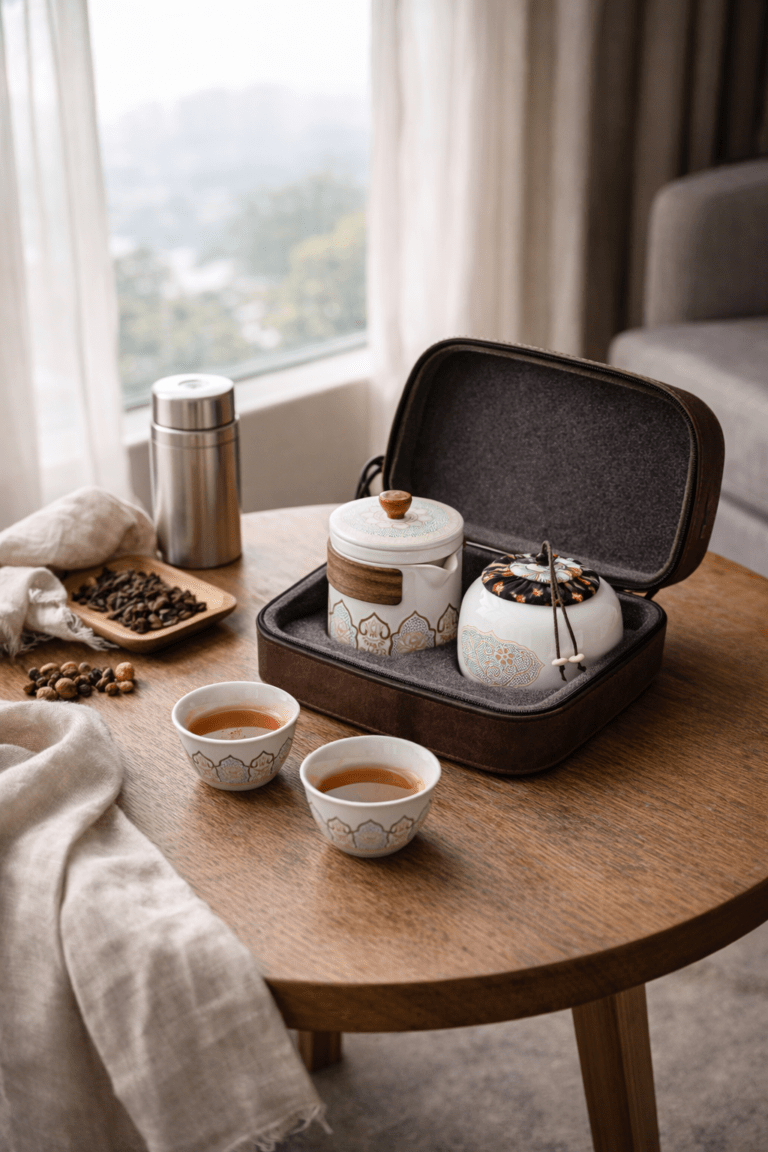
How to Make Tea While Traveling (Simple Guide for Calm Anywhere)
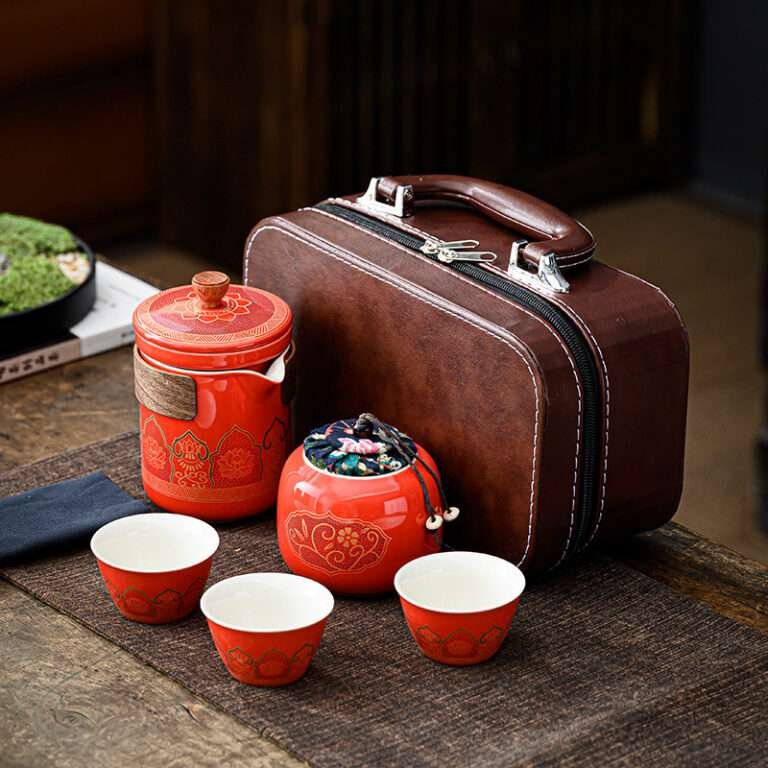
What to Look for in a Travel Tea Ritual Kit (Beginner Buyer’s Guide)
Curated Objects
Tools and leaves sourced directly from master artisans. Elevate your daily ritual.
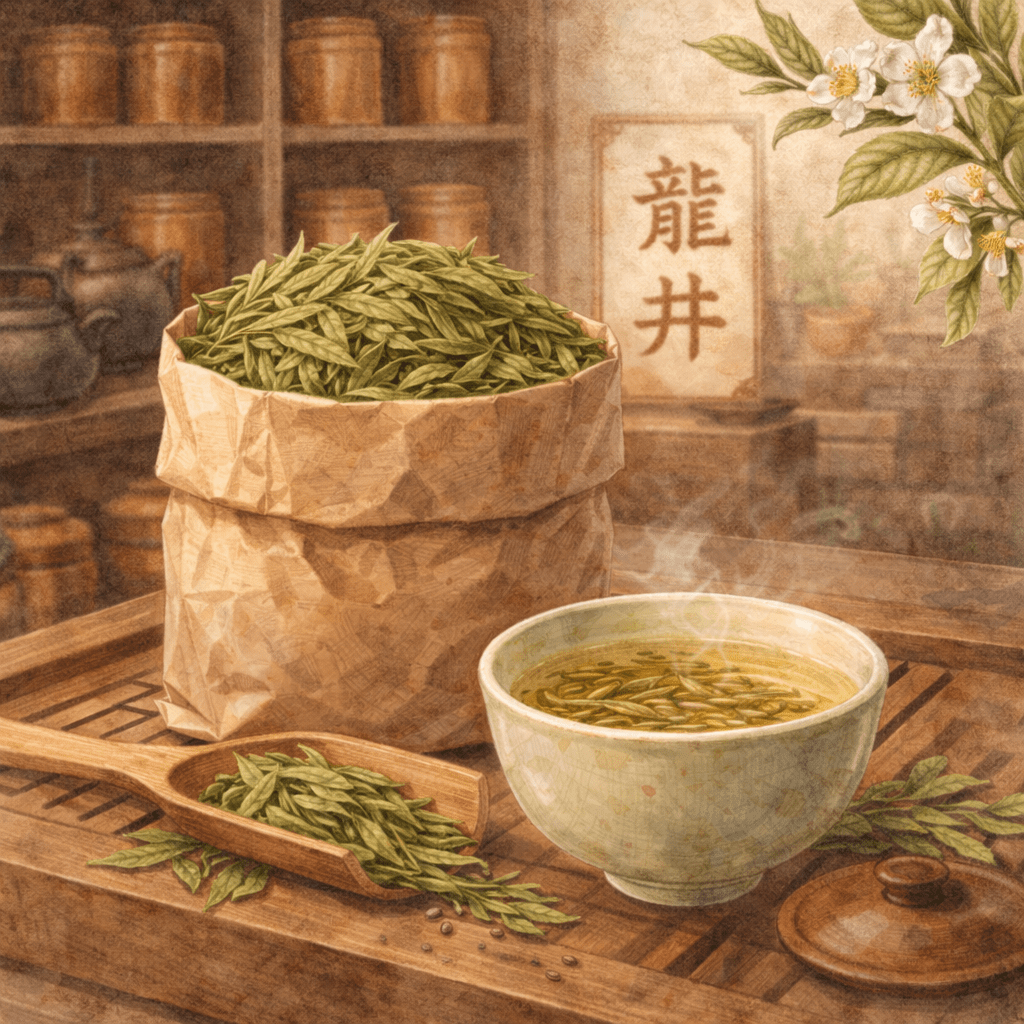
Pre-Qingming Longjing
The highest grade of Chinese Green Tea, hand-roasted in Hangzhou. Crisp, nutty, and exceptionally sweet.
Shop Leaves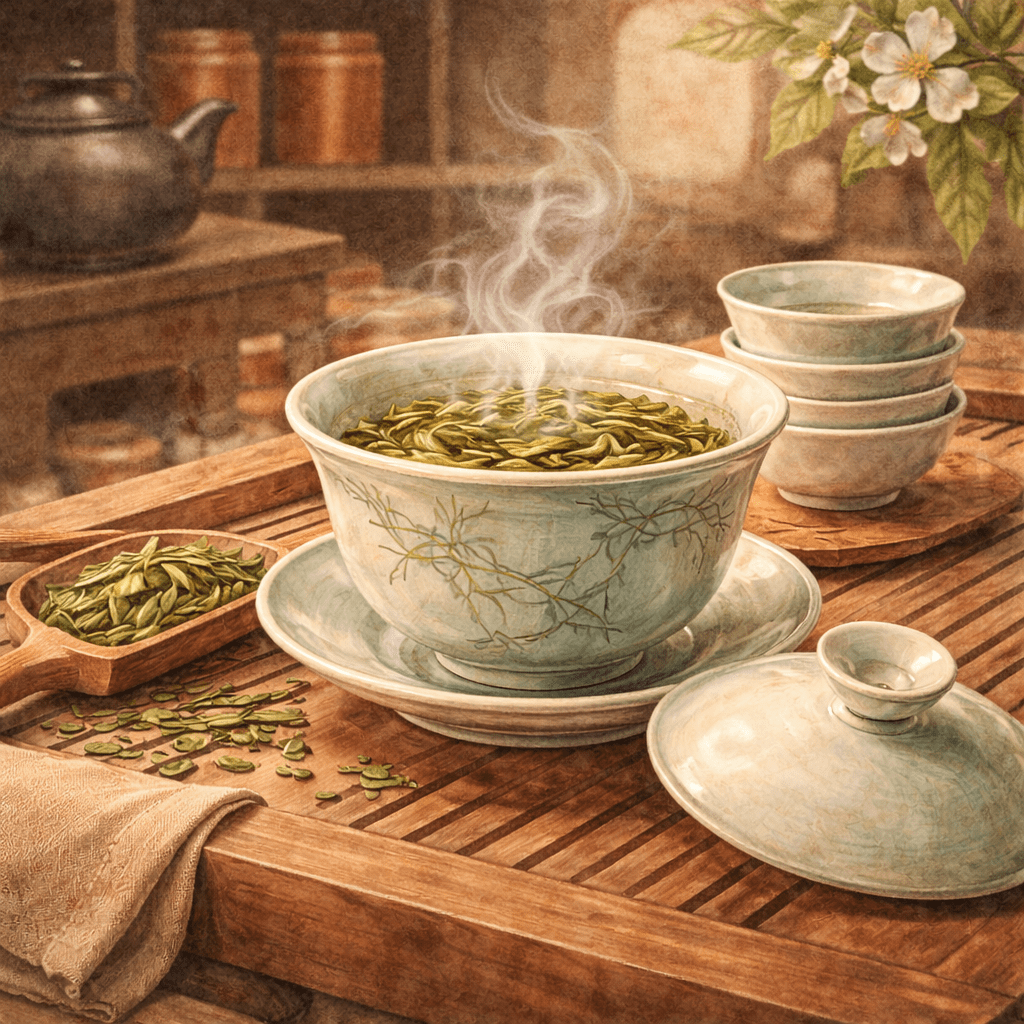
Ruyao Porcelain Gaiwan
A classic 120ml brewing vessel featuring the famous “Ru” glaze that beautifully crazes (crackles) over time.
Shop Vessels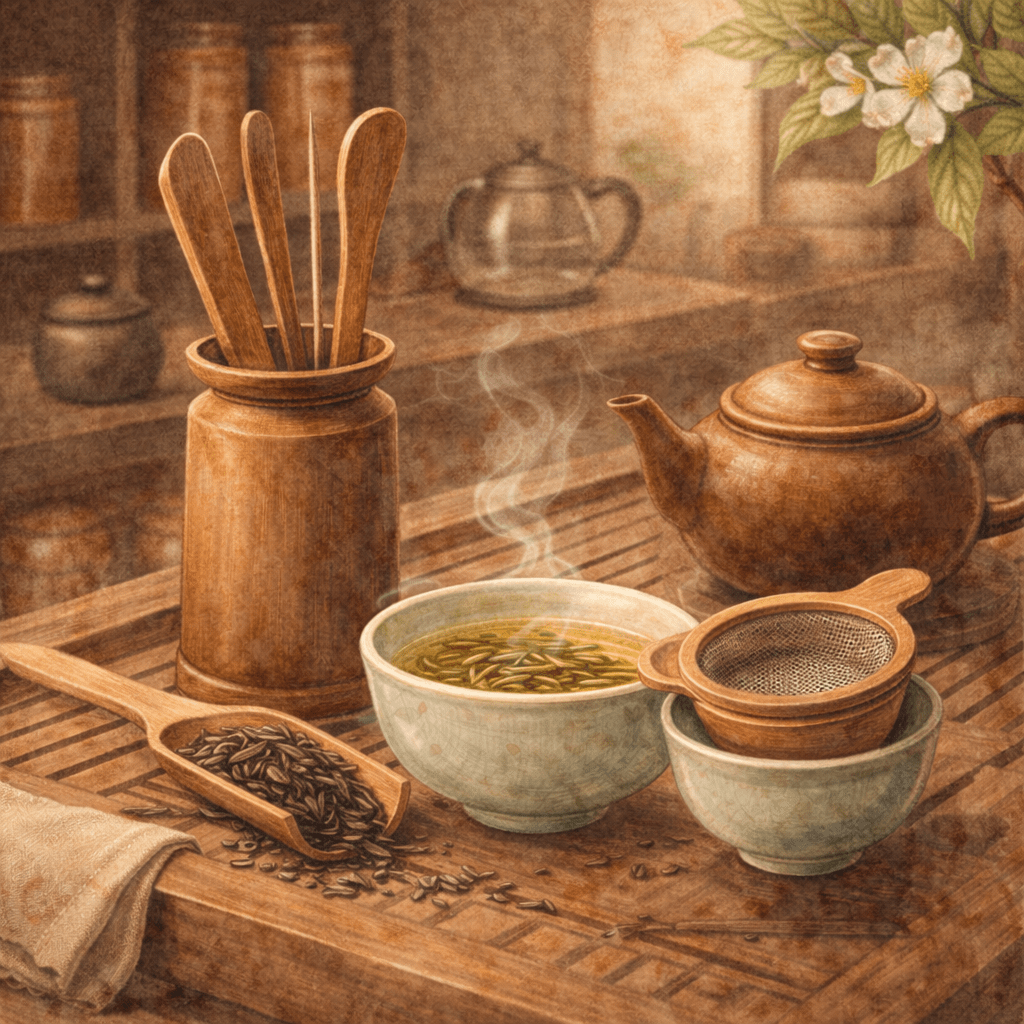
Bamboo Chahe & Tools
Essential presentation vessels and minimalist bamboo tools for moving leaves without breaking them.
Shop Tools


