ZEN
Chan Buddhism — The Way of Direct Awakening
“Sitting quietly, doing nothing,
spring comes and the grass grows by itself.”
— Zen saying
The Meaning of Zen
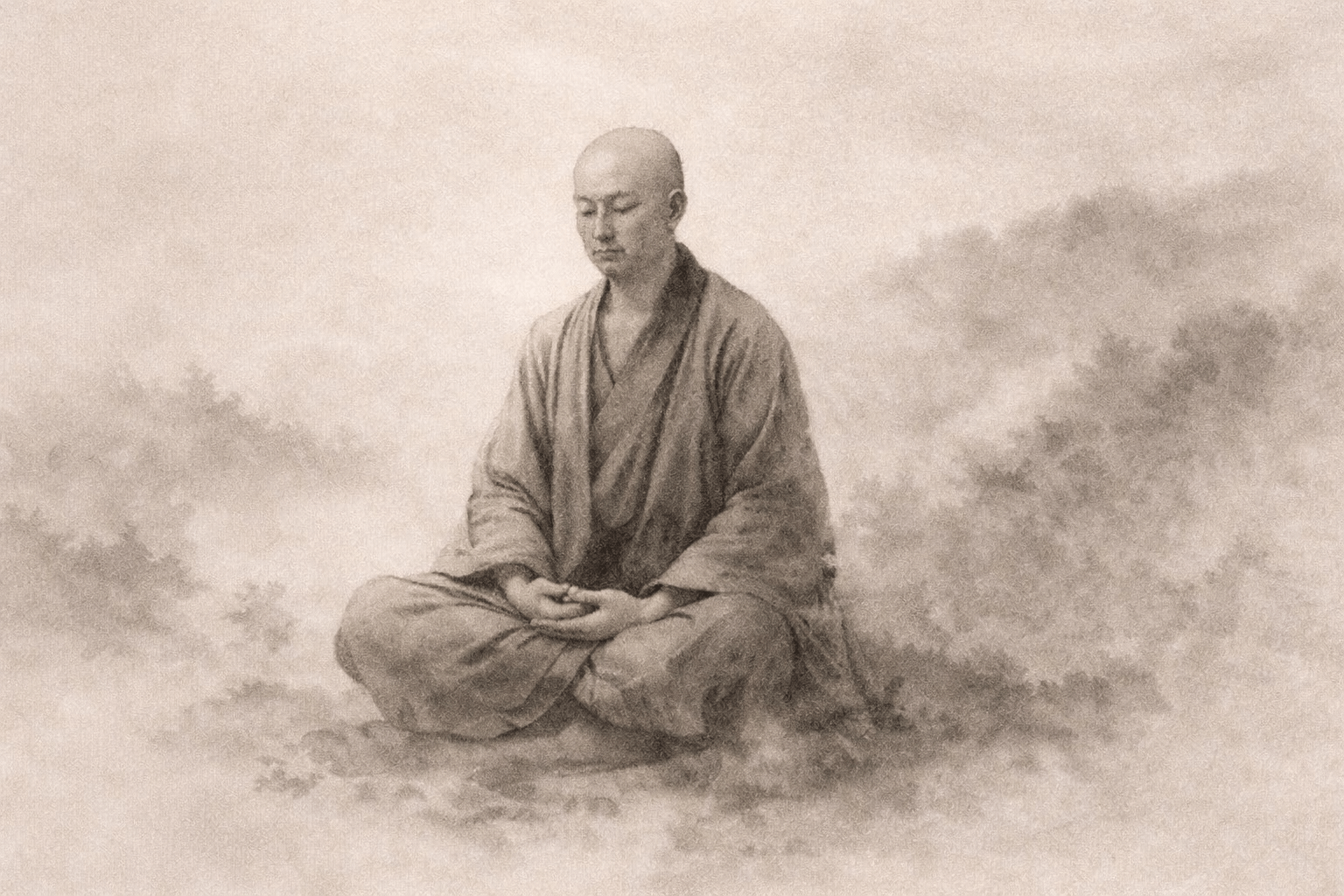
Zen, known as Chan (禅) in China, is a school of Mahayana Buddhism that emphasizes direct insight into the nature of the mind.
Rather than relying on scriptures, rituals, or philosophical argument, Zen points directly to personal experience. Its teachings encourage practitioners to observe the mind as it is, beyond concepts and judgments.
The word “Zen” itself comes from the Sanskrit dhyāna, meaning meditation. Through stillness and awareness, Zen reveals the natural clarity of one’s original mind.
Origins & Development
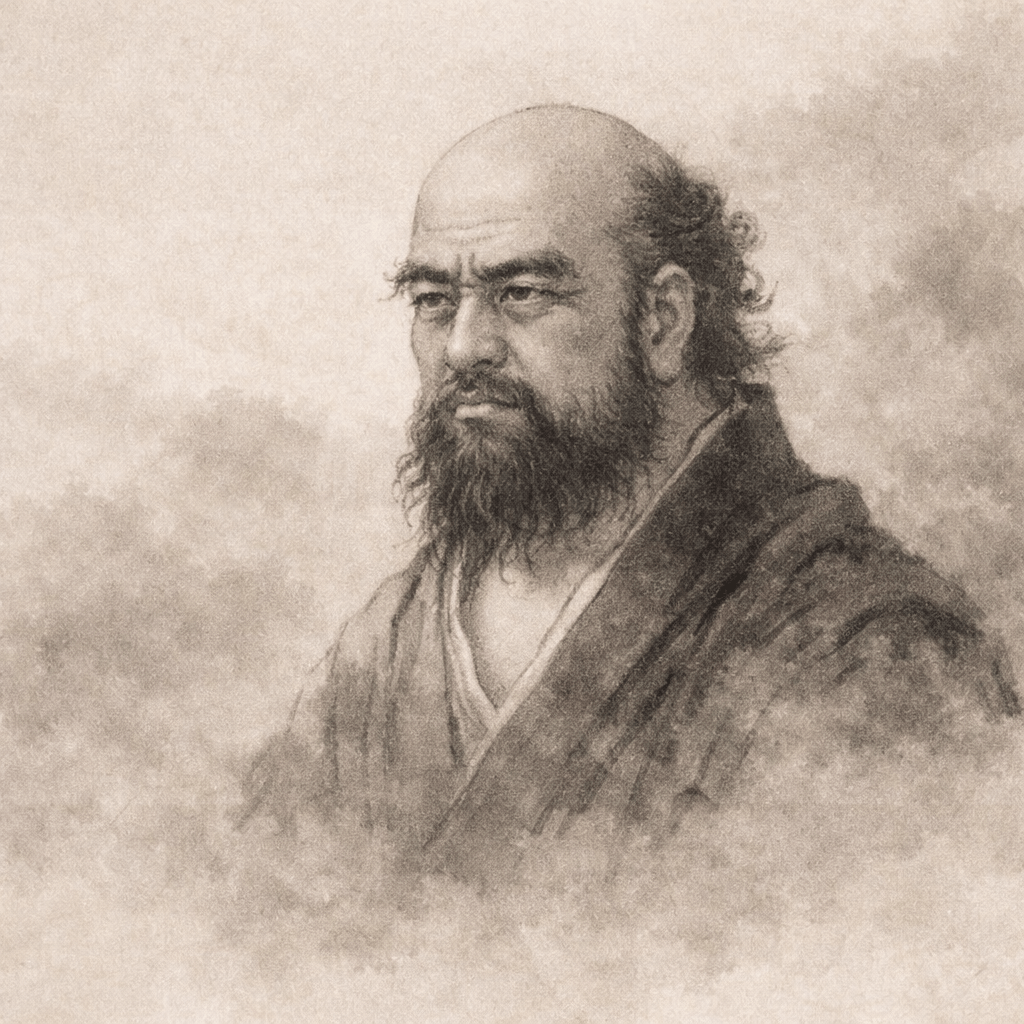
Zen traces its roots to the Indian monk Bodhidharma, who traveled to China in the 6th century. According to tradition, he taught that awakening comes not from intellectual study, but from direct realization.
In China, these teachings interacted with Daoist thought and gradually formed what became known as Chan Buddhism, later spreading to Japan to form Zen.
- Direct transmission beyond scriptures
- No reliance on written doctrine
- Seeing one’s true nature
- Becoming awakened in the present
Core Practices
The goal is not to achieve something new, but to see clearly what is already present.
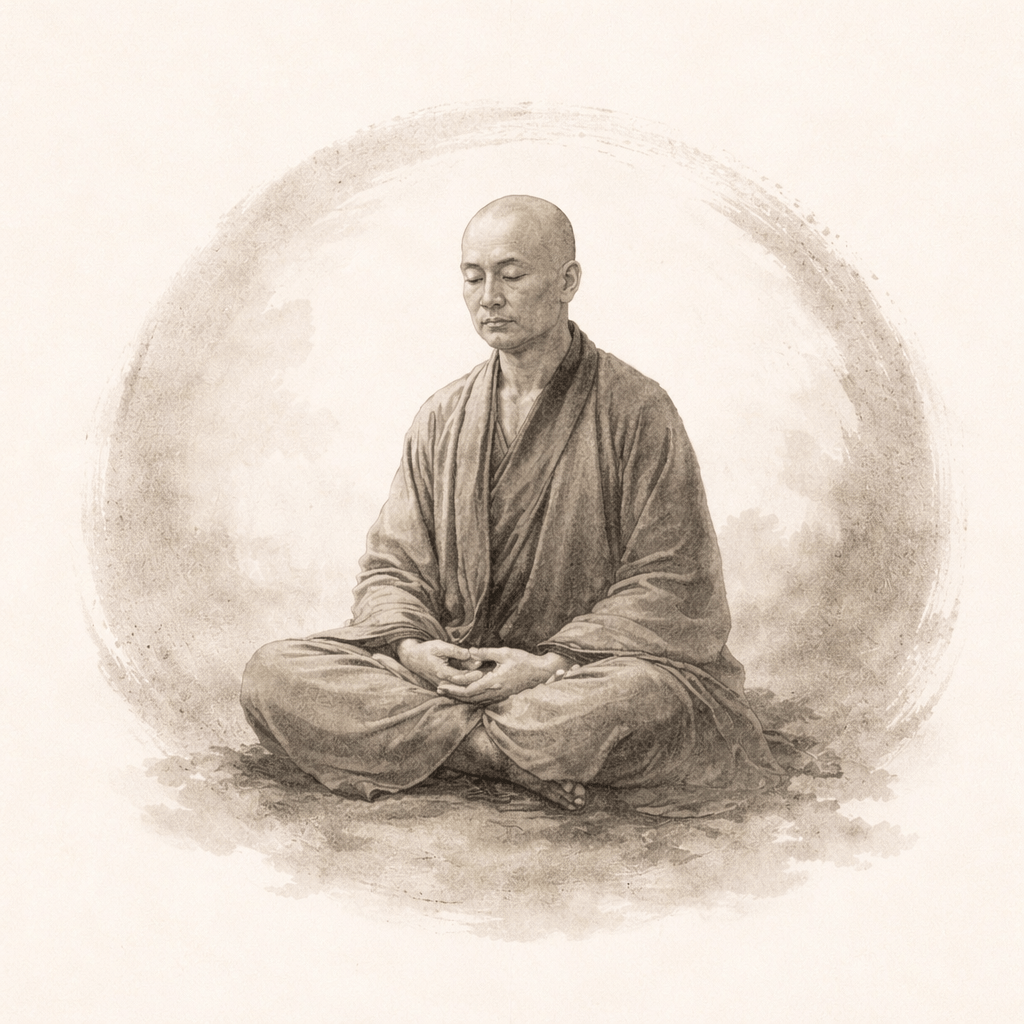
Zazen
Seated meditation & mindful breathing.
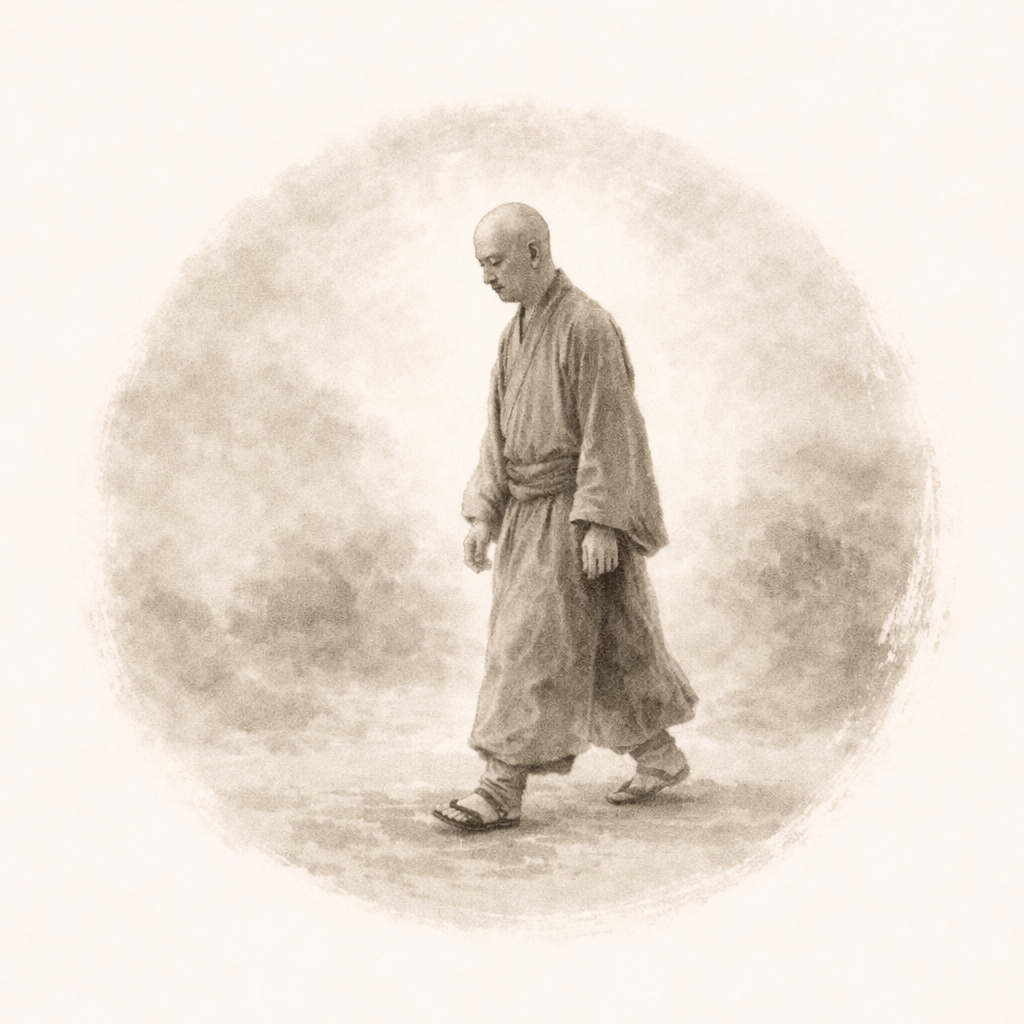
Kinhin
Slow walking meditation for awareness.

Koans
Paradoxical riddles to awaken insight.
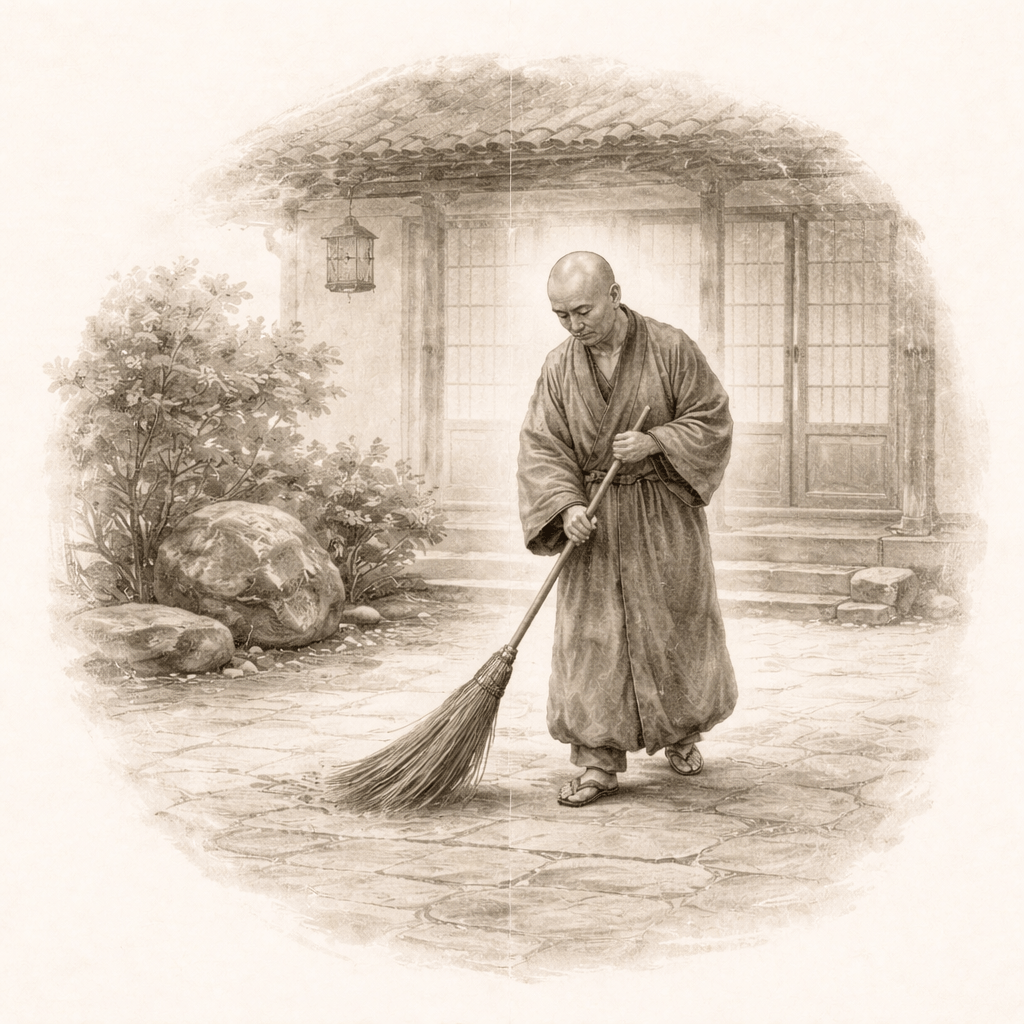
Samu
Mindful work & daily practice.
The Mind of Zen
Zen teachings often describe the awakened mind as empty yet vividly aware. Zen masters describe this state as “no-mind” (mushin) — awareness free from grasping and division.
The simplicity of Zen is not emptiness in a negative sense, but a spacious openness that allows life to unfold naturally. Everyday actions become expressions of clarity.
“To study Zen is to study the self.
To study the self is to forget the self.”
— Dogen
Key Figures in Zen
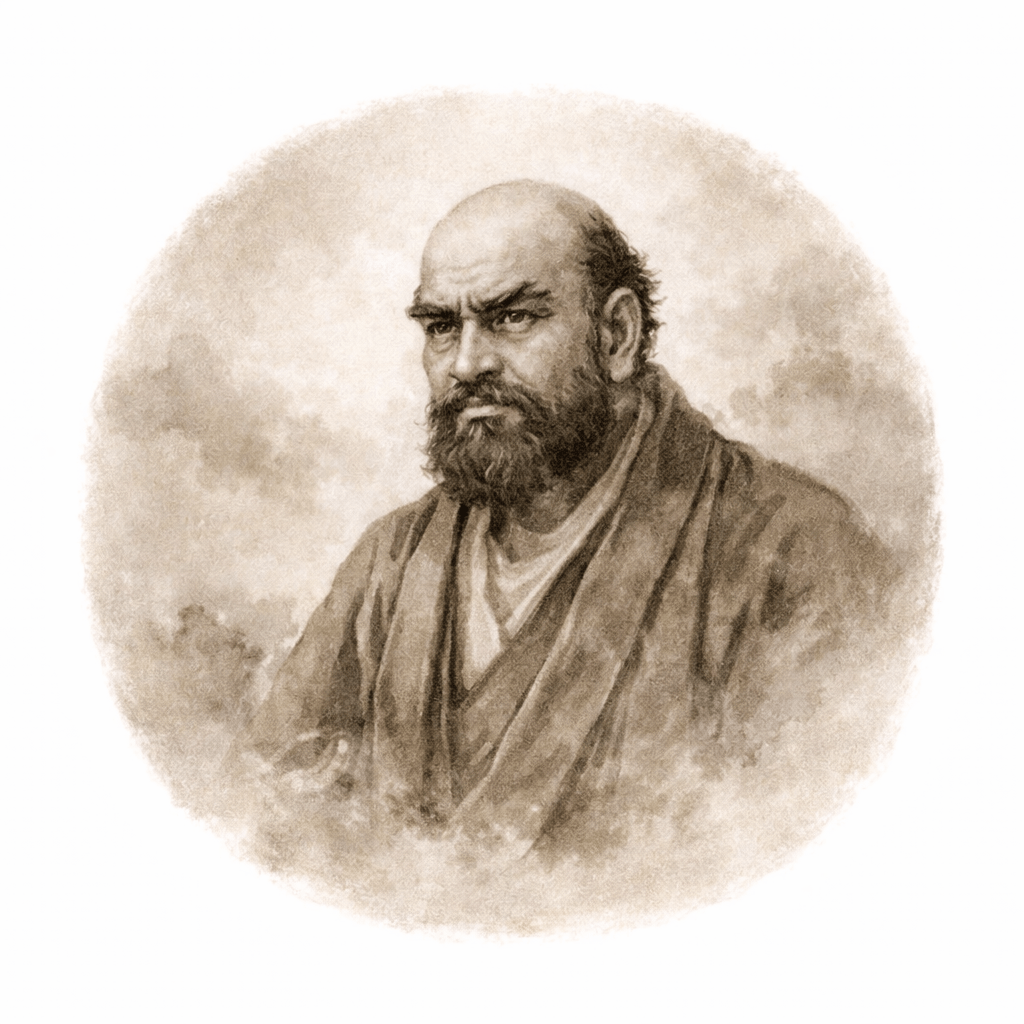
Bodhidharma
The legendary Indian monk who introduced Chan Buddhism to China.
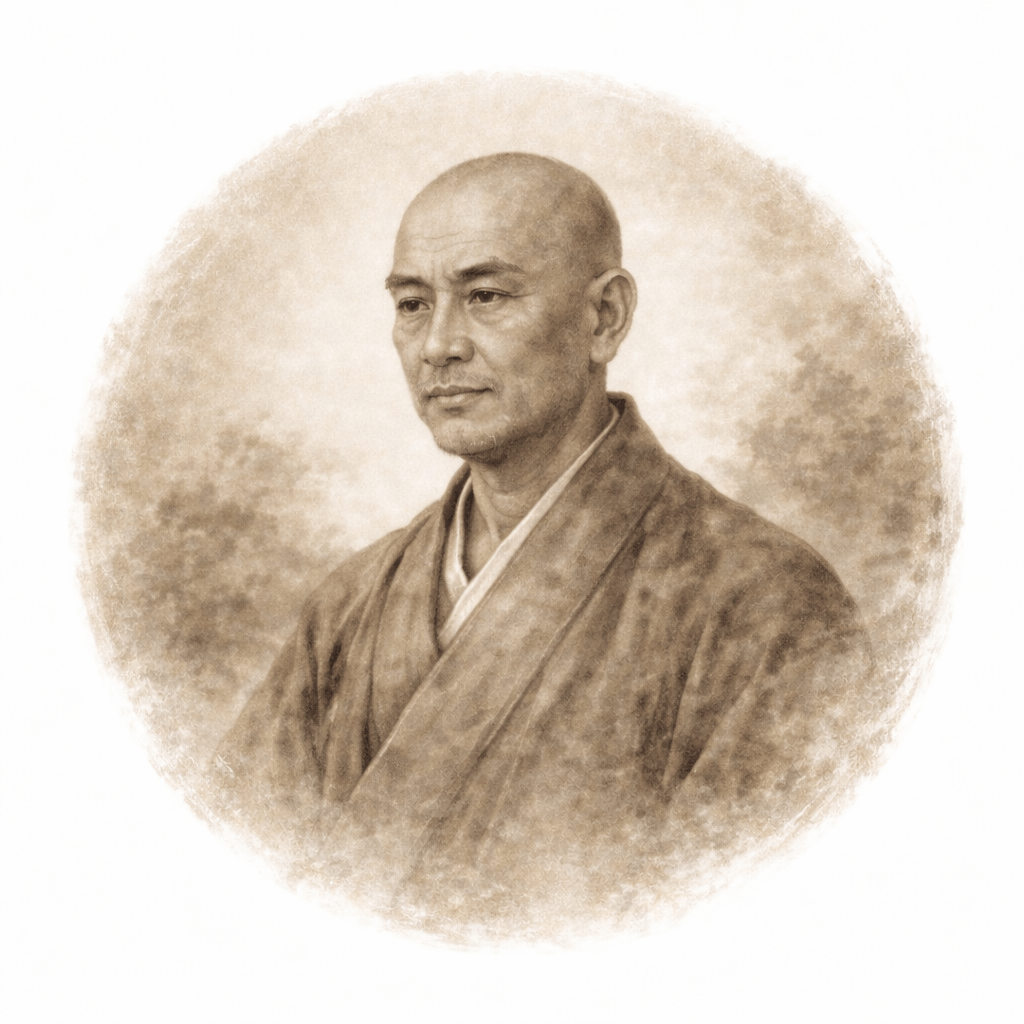
Huineng
The Sixth Patriarch of Chan Buddhism, known for sudden enlightenment.
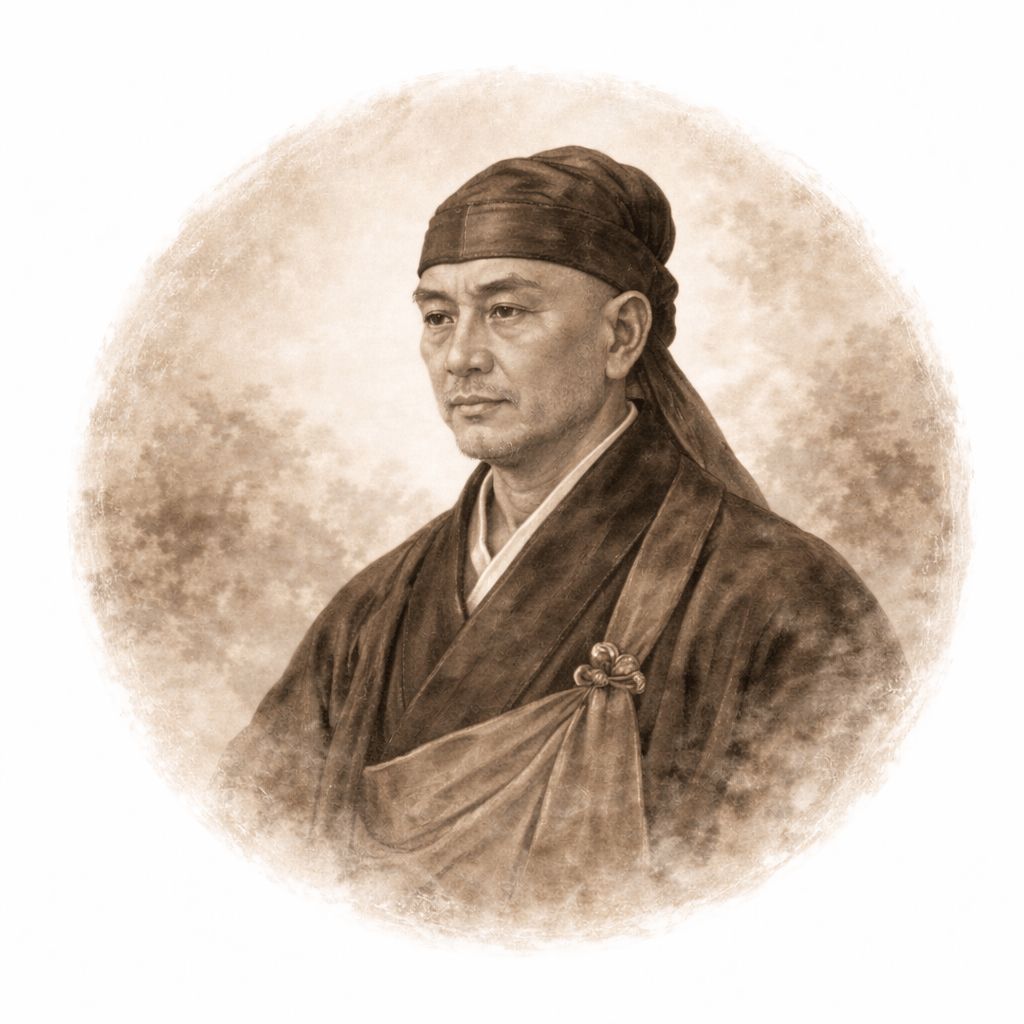
Dogen
Founder of the Soto Zen tradition, emphasizing practice as enlightenment.
Aesthetics & Life
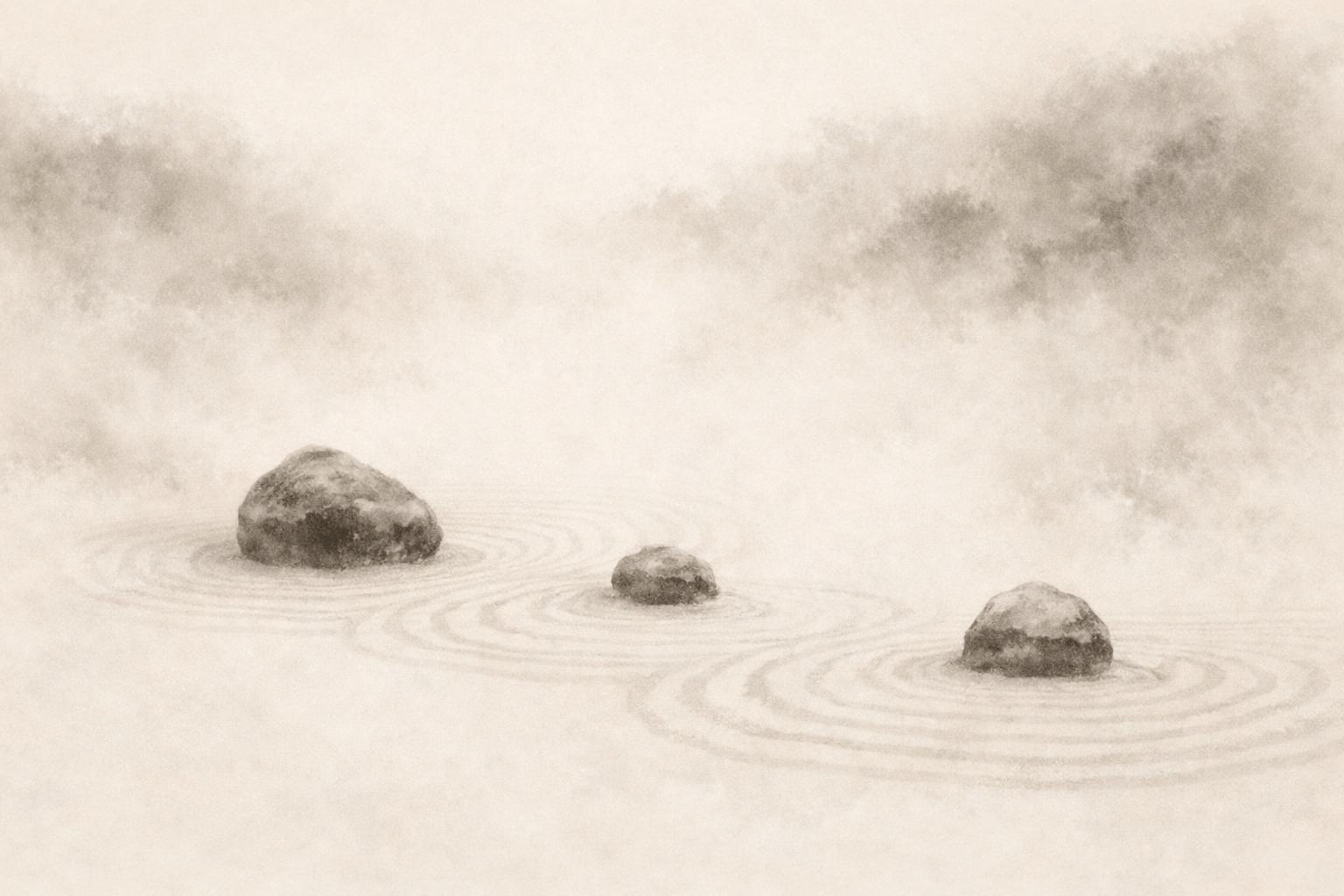
Zen aesthetics values simplicity, asymmetry, and quiet imperfection. Concepts such as wabi-sabi express the beauty of impermanence and natural authenticity. Another important aesthetic idea is ma — the meaningful space or pause that allows form and silence to coexist.
This philosophy deeply shaped East Asian culture, transforming ordinary activities into paths of awareness:
- Zen Gardens
- Tea Ceremony
- Calligraphy
- Ink Painting
- Martial Arts
- Haiku Poetry
Explore Zen Topics
Deepen your practice through specific paths of study.
Latest Zen Articles
Explore the latest writings on zen practice, history, and daily mindfulness.

Why You Feel Lost in Life (Zen Perspective)

How to Stay Present (Zen Practice for Everyday Life)

Zen for Anxiety at Night (Calm Your Mind Before Sleep)
“Before enlightenment, chop wood, carry water.
After enlightenment, chop wood, carry water.”


