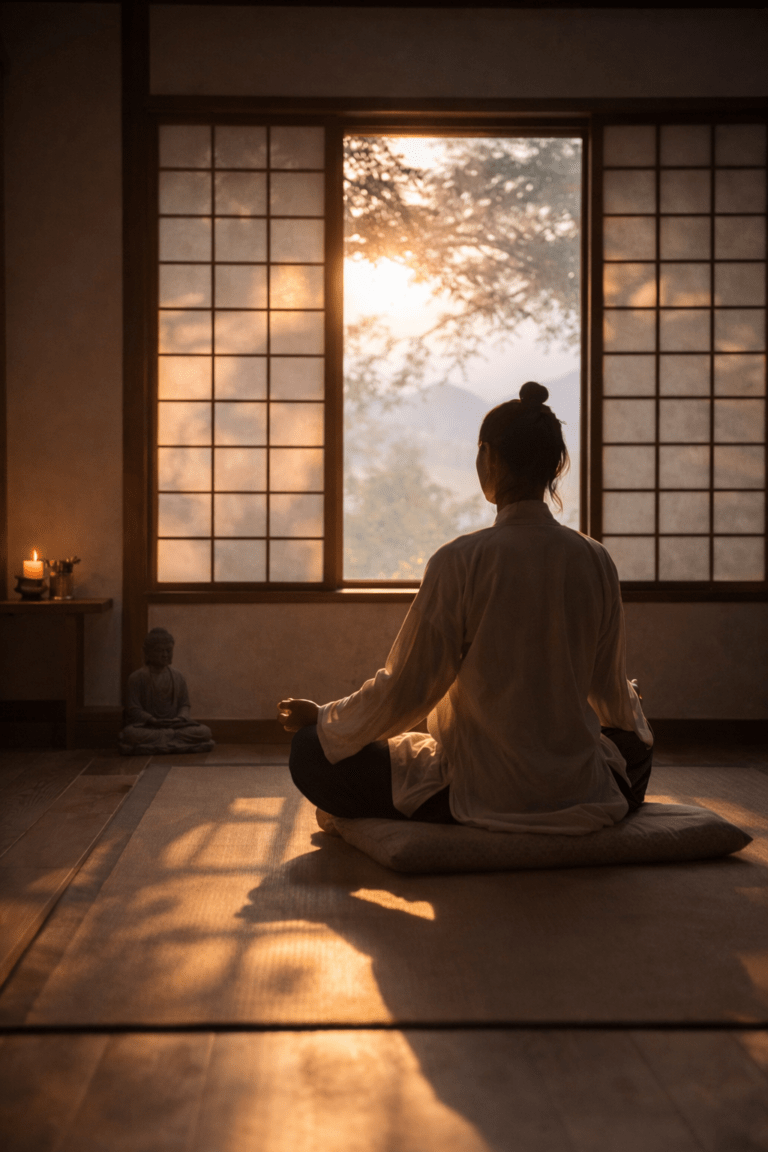
Dao
The Way that cannot be named, yet flows through all things.
What is the Dao
The word “Dao” (道) literally means “The Way.” In Daoist philosophy, it refers to the fundamental, formless principle that generates, sustains, and harmonizes all things in the universe.
Rather than a doctrine or a creator deity, the Dao describes the natural order of existence — a spontaneous, eternal process through which all things arise and transform. Human beings flourish when they let go of the ego and align with the natural flow of existence.
The Classical Texts
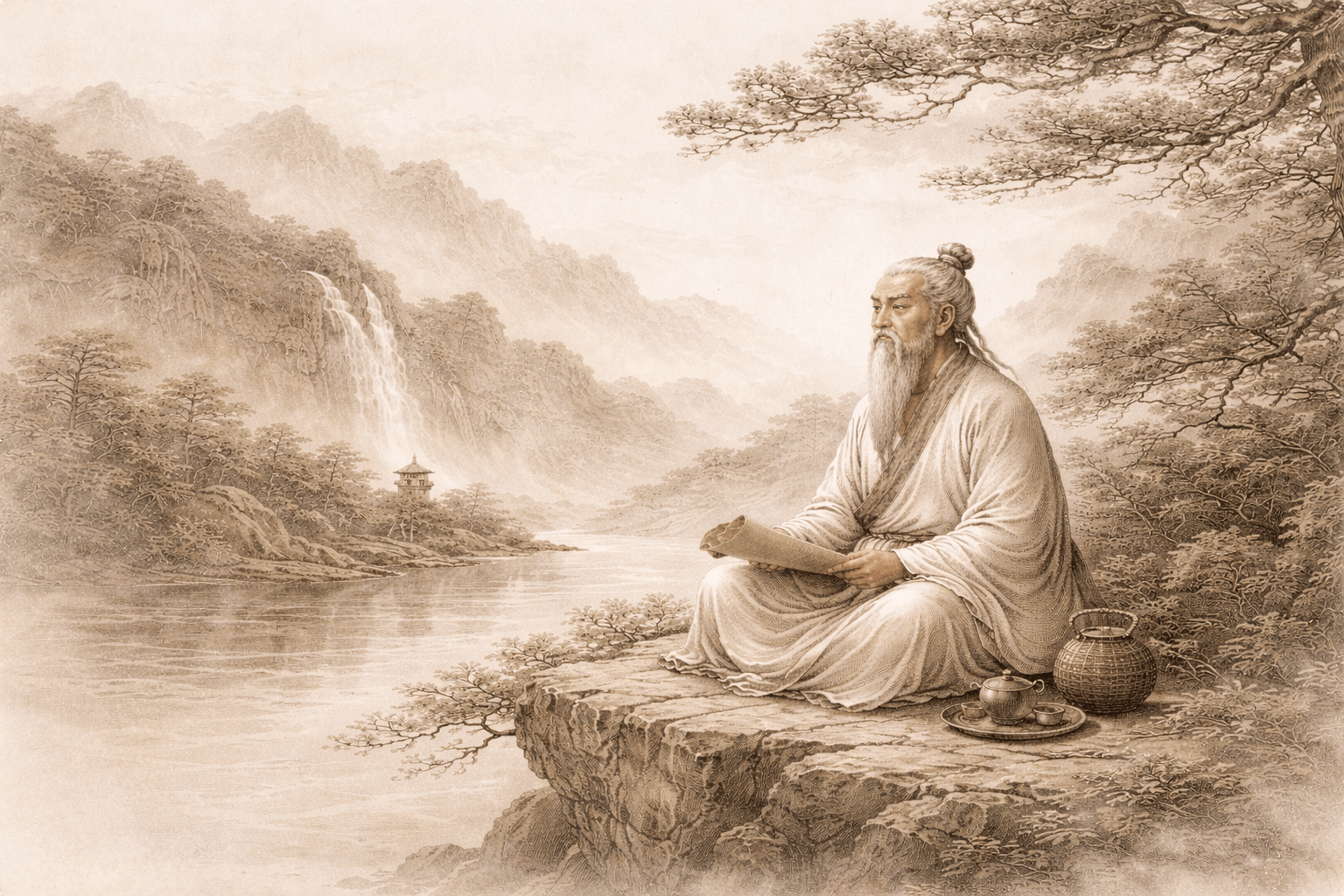
Dao De Jing
Attributed to Laozi. Composed of 81 poetic chapters, it is the foundational text exploring simplicity, humility, and governance through non-forceful action.
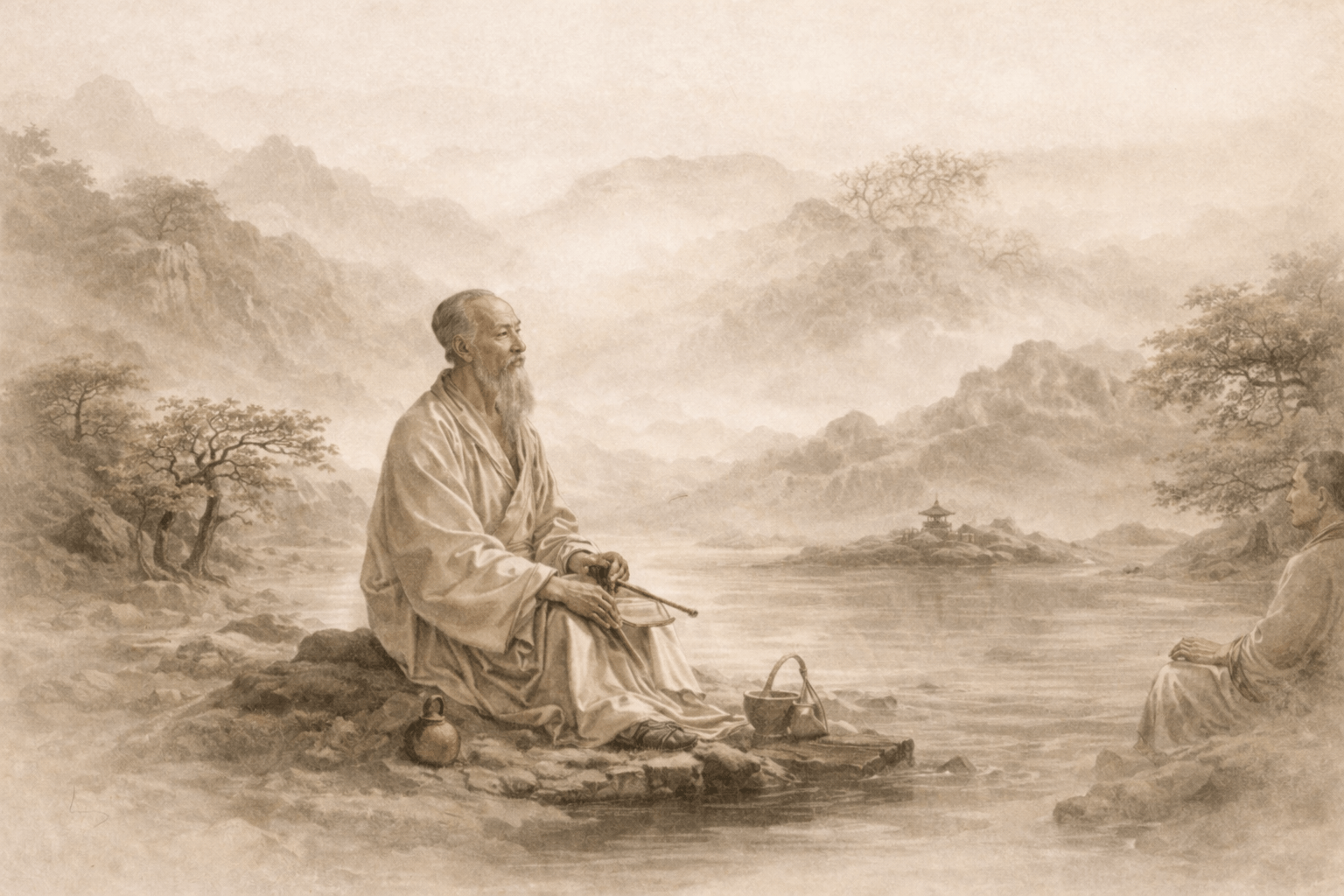
Zhuangzi
Expands Daoist philosophy through allegory and paradox. Its famous stories—like the Butterfly Dream—question the rigid boundaries of reality.
Liezi
Focuses on cosmology and the practical application of Daoist ideas in daily life, emphasizing effortless alignment with natural forces.
Core Concepts of Daoism
Dao
The ineffable source of all existence.
De
Inner virtue arising from alignment.
Wu Wei
Action flowing without forcing.
Ziran
The authentic, spontaneous self.
Living with the Dao
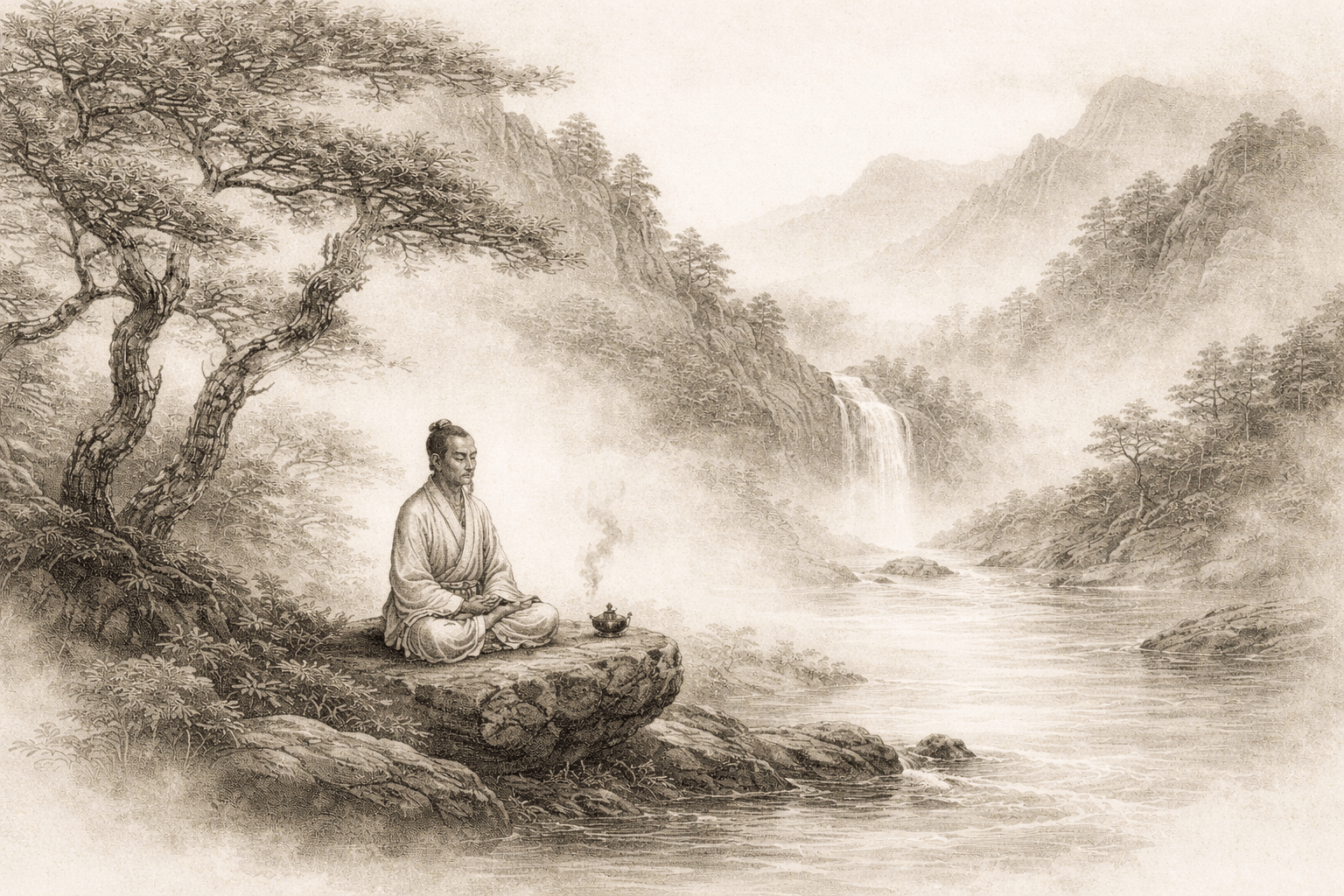
Daoism is not only a philosophy but a deeply physical way of living. Its principles shaped practices aiming to restore balance between the human body, the mind, and the slow rhythms of nature.
- Meditation (Zuowang)
- Qi Cultivation
- Breathing Techniques
- The Art of Simplicity
Cultural Influence
The quiet intelligence of the Dao flows through every traditional East Asian discipline:
- Tea Culture
- Chinese Medicine
- Feng Shui
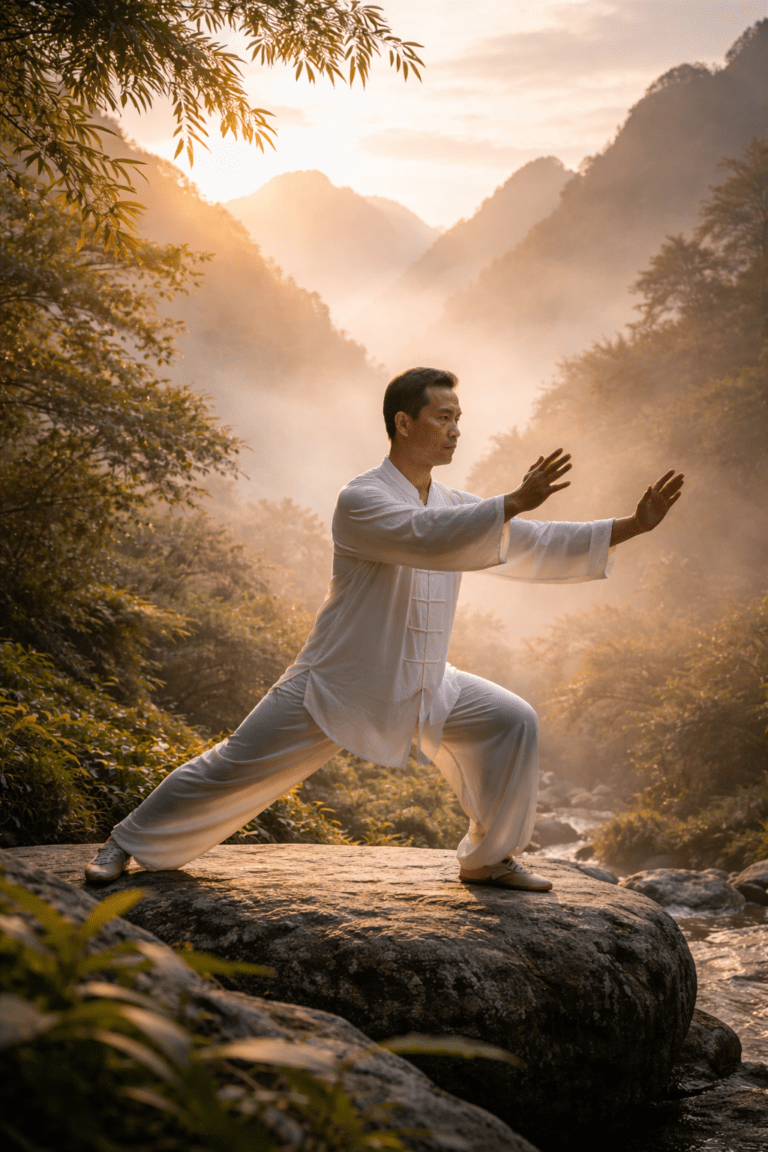
- Martial Arts (Tai Chi)
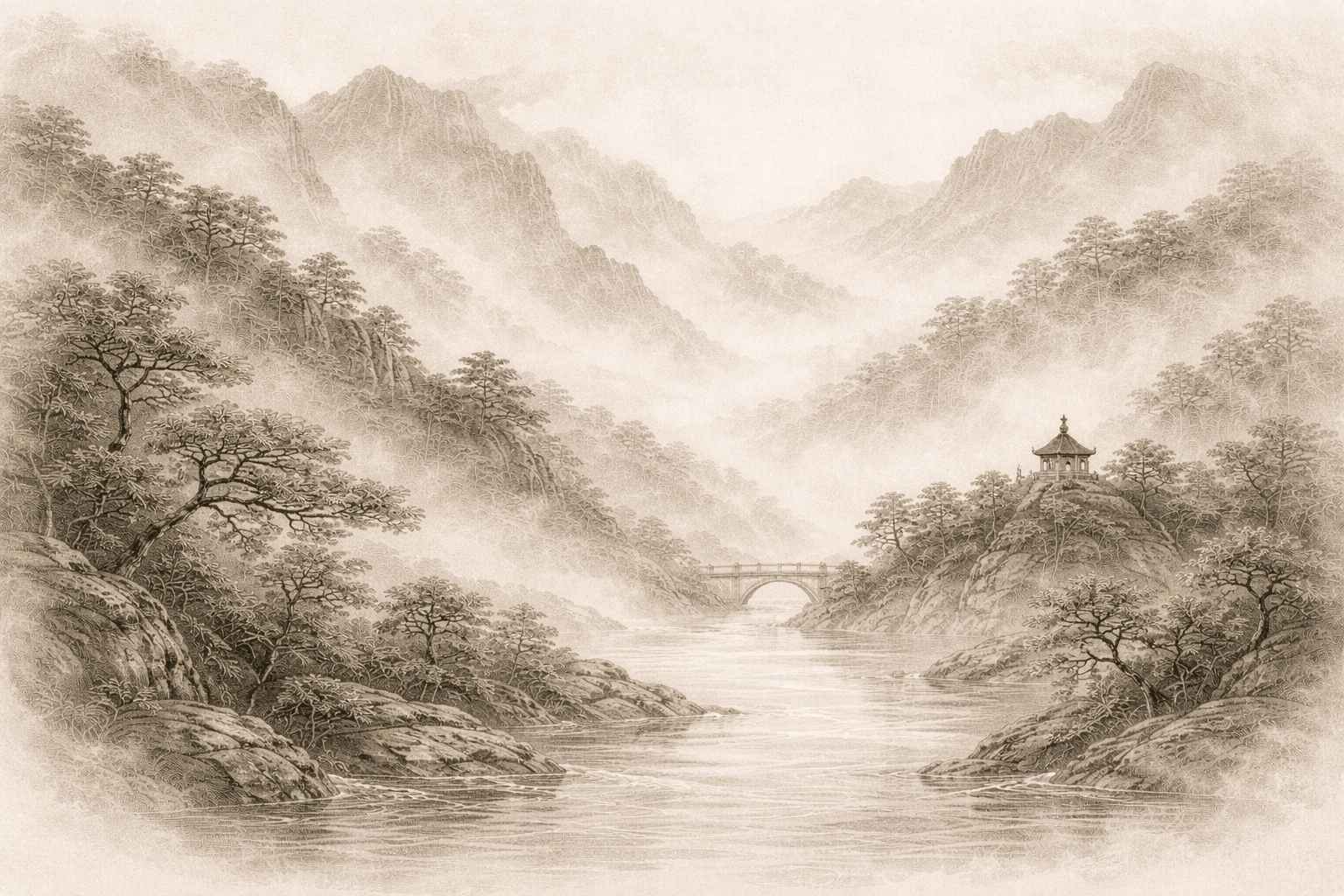
- Landscape Painting
- Ink Calligraphy
“Empty yourself of everything. Let the mind become still. The ten thousand things rise and fall while the Self watches their return.”
— Laozi, Dao De Jing Chapter 16
Explore Dao Topics
Deepen your understanding through specific paths of study.
Latest Dao Articles
Explore the latest writings on Daoist wisdom, nature, and the art of wu-wei.

What Is Taoism: A Complete Guide to Understanding the Philosophy of Flow
What Does Dao Mean: The True Meaning Behind “The Way”