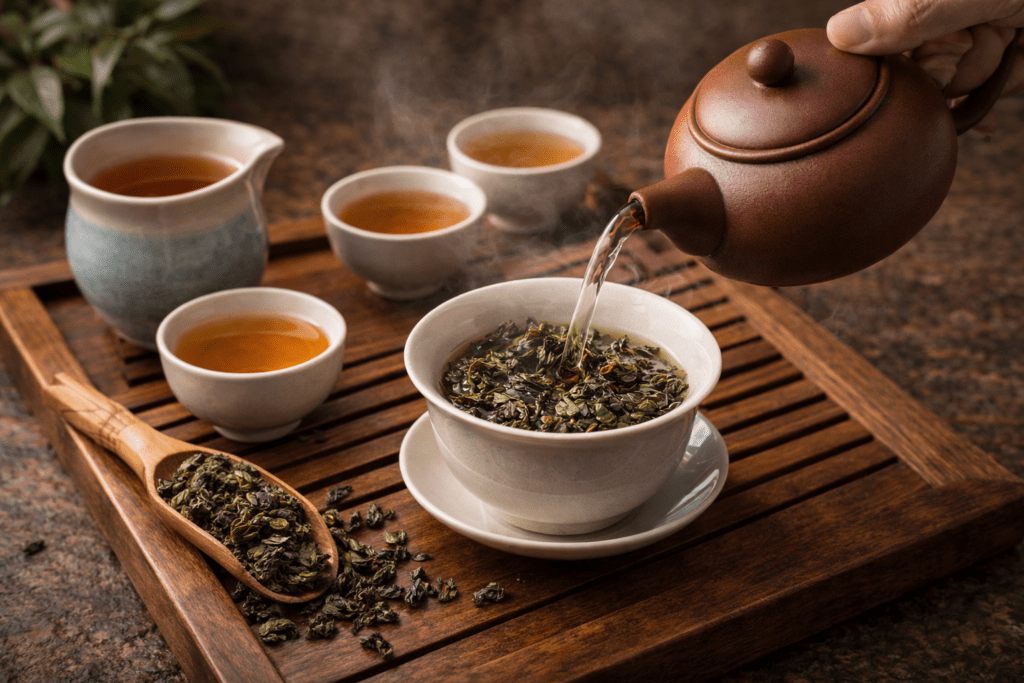
Green tea is one of the oldest and most respected teas in the world, especially within traditional Chinese tea culture.For more than a thousand years, people in China have valued green tea not only for its refreshing taste but also for its connection to health, mindfulness, and daily life.
Unlike many other types of tea, green tea is minimally processed. The leaves are quickly heated after harvesting to stop oxidation, allowing the tea to preserve its natural color, delicate aroma, and beneficial compounds.
Today, green tea is enjoyed across the world. From traditional Chinese tea houses to modern wellness culture, it has become a symbol of balance, clarity, and calm energy.
In this guide, we will explore everything you need to know about green tea, including:
- what green tea is
- how green tea is produced
- famous Chinese green teas
- the taste and aroma of green tea
- the health benefits of drinking green tea
- how to brew green tea correctly
By the end of this article, you will understand why green tea has remained one of the most beloved beverages in human history.
What Is Green Tea
Green tea is a type of tea made from the leaves of the Camellia sinensis plant, the same plant used to produce black tea, white tea, oolong tea, and pu-erh tea.
What makes green tea unique is the way it is processed.
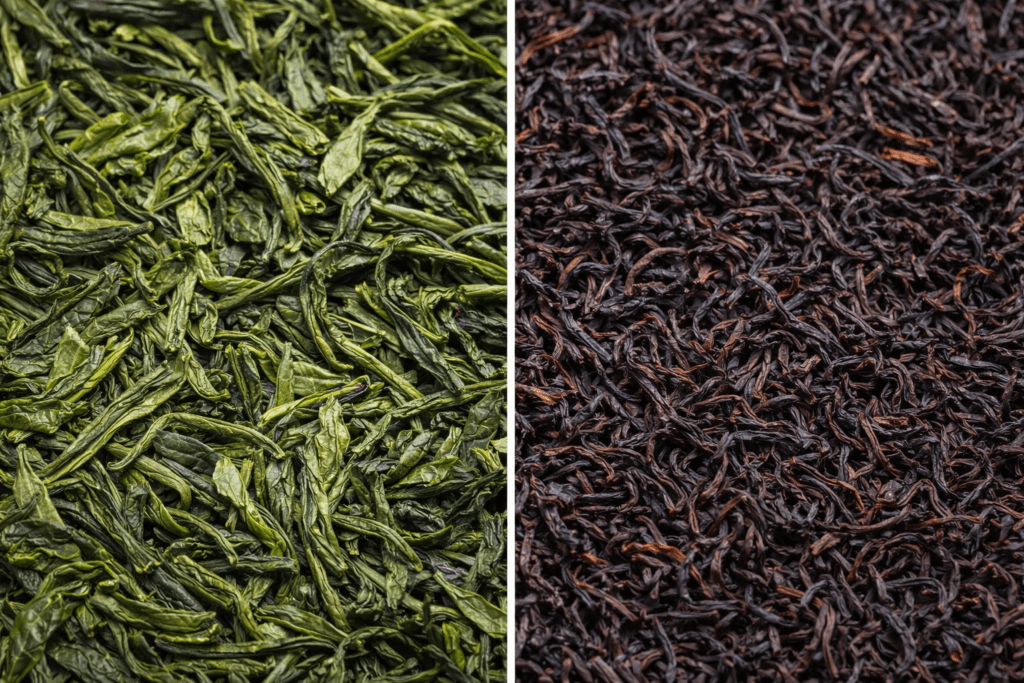
After the tea leaves are harvested, they are quickly heated to stop a natural chemical process called oxidation. Oxidation is the reaction between the enzymes in the leaf and oxygen in the air.
When oxidation is prevented, the leaves remain green and retain their fresh, vegetal flavor.
Because of this minimal processing, green tea preserves many of the natural compounds found in the tea leaf, including:
- polyphenols
- catechins
- antioxidants
These compounds are part of the reason green tea is widely associated with health and longevity.
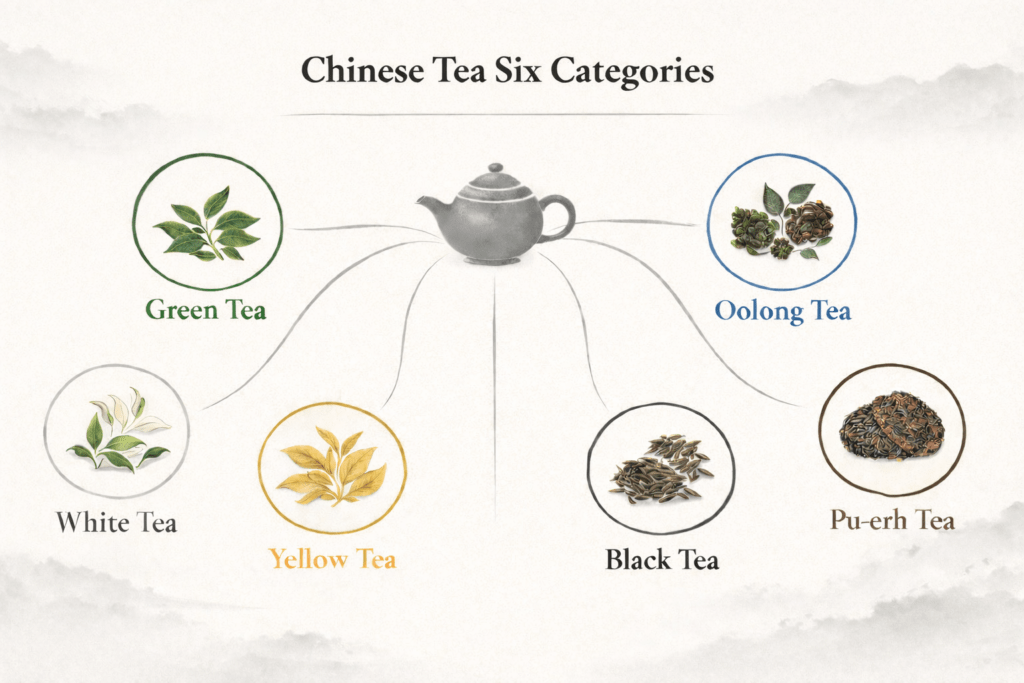
Green tea is considered one of the six major types of Chinese tea, a traditional classification that includes white tea, yellow tea, oolong tea, black tea, and dark tea, each defined by a different level of oxidation and processing method.
Internal link suggestion:
Types of Chinese Tea
How Green Tea Is Made
The production of green tea may look simple, but it requires precise timing and skilled craftsmanship.
Traditional Chinese green tea production generally includes four main steps.
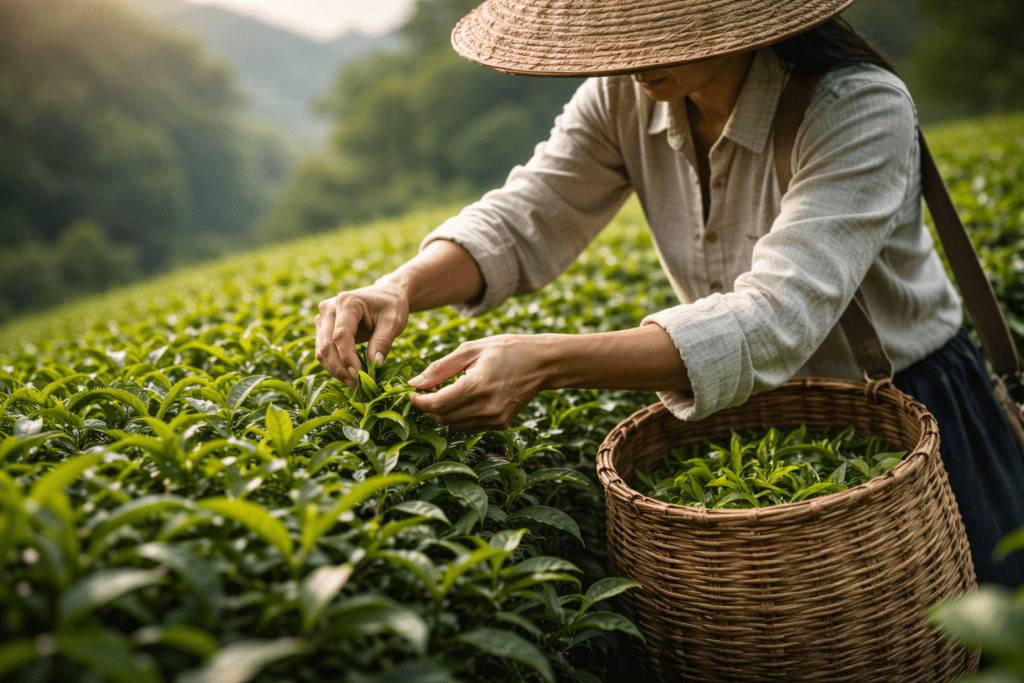
1. Harvesting
Green tea is typically harvested in early spring when the young tea buds and tender leaves appear.
The most prized teas often use:
- one bud + one leaf
- one bud + two leaves
Early spring harvests are valued because the leaves contain higher concentrations of aromatic compounds.
2. Fixation (Stopping Oxidation)
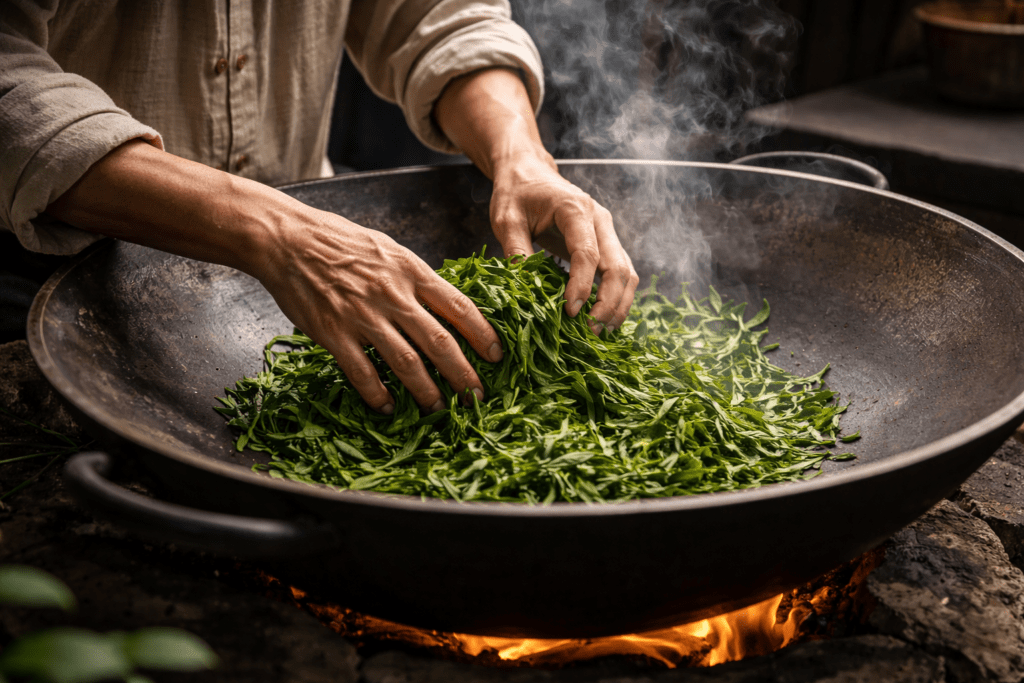
Immediately after harvesting, the leaves are heated to stop oxidation.
This process is called fixation.
In China, fixation is usually done using:
- wok pan firing
- hot air heating
The heat deactivates enzymes inside the leaf.
This step is essential because it preserves the fresh green character of the tea.
3. Rolling
After fixation, the leaves are gently rolled.
Rolling helps:
- shape the tea leaves
- release aroma
- prepare the leaves for drying
Different rolling techniques create different tea shapes.
For example:
- flat leaves (Longjing)
- spiral leaves (Biluochun)
- needle-like leaves (Huangshan Maofeng)
4. Drying
Finally, the leaves are dried to remove remaining moisture.
Drying stabilizes the tea so it can be stored and transported.
At this stage, the tea becomes the finished green tea that people brew and drink.
Famous Chinese Green Teas
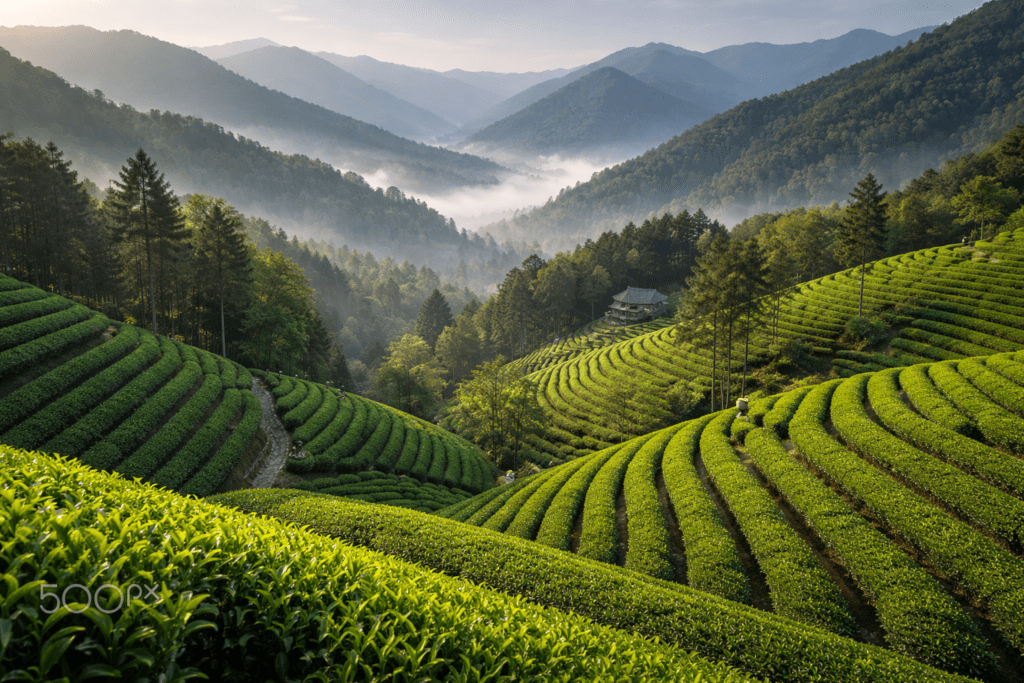
China produces hundreds of green teas, each shaped by its local climate, soil, and traditional craftsmanship.
Here are some of the most famous examples.
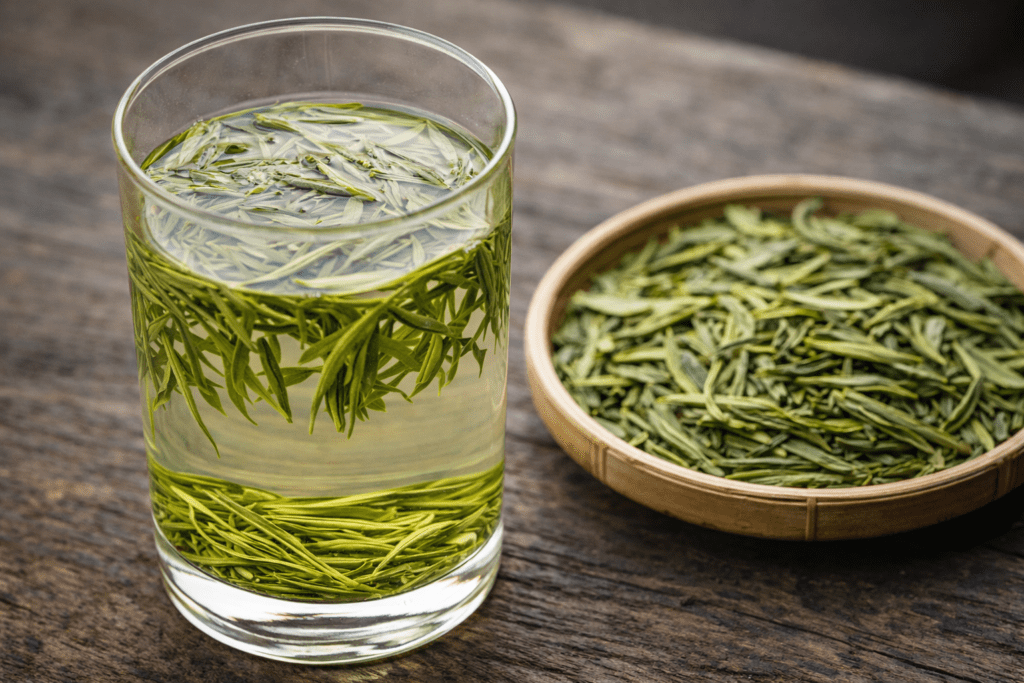
Longjing (Dragon Well Tea)
Longjing is perhaps the most famous Chinese green tea.
It originates from Hangzhou in Zhejiang Province.
Characteristics:
- flat leaf shape
- chestnut aroma
- smooth taste
Longjing tea has been celebrated for centuries and was historically offered as tribute to Chinese emperors.
Biluochun
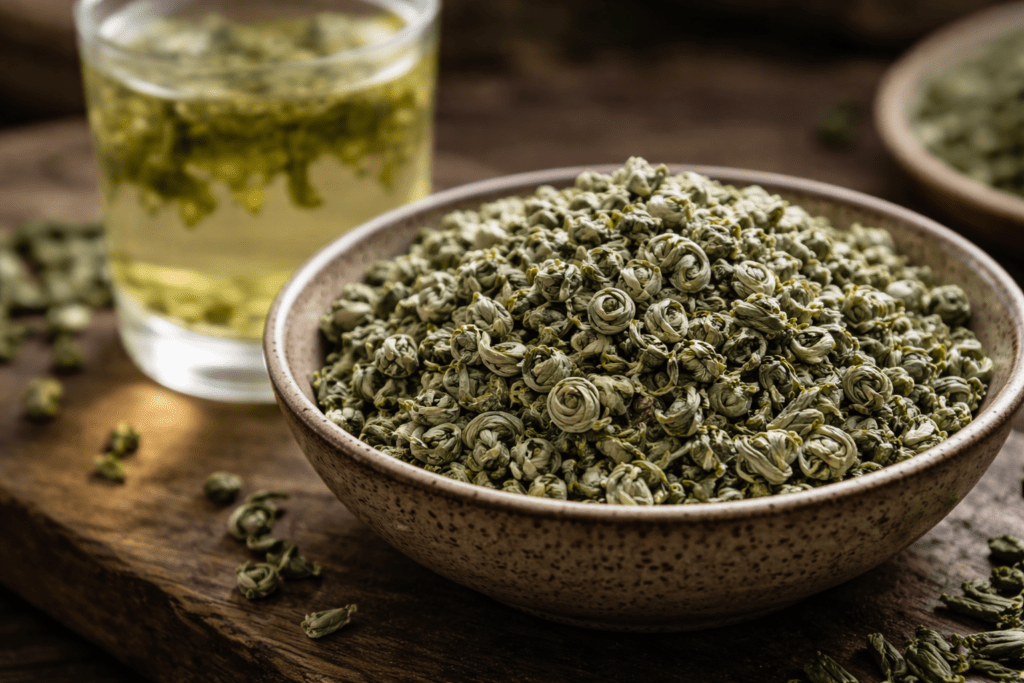
Biluochun is produced near Lake Tai in Jiangsu Province.
This tea is known for its tightly curled leaves and strong floral aroma.
Because it is harvested very early in spring, Biluochun often has a delicate sweetness.
Huangshan Maofeng
Huangshan Maofeng comes from the Yellow Mountains in Anhui Province.
The tea leaves are slightly fuzzy and shaped like small needles.
Its taste is:
- light
- floral
- refreshing
Anji White Tea
Despite its name, Anji White Tea is actually a green tea.
It is famous for its pale leaves and high amino acid content.
This gives the tea a particularly smooth and sweet flavor.
What Does Green Tea Taste Like
Green tea has a flavor profile that is very different from black tea or oolong tea.
Most green teas share several common characteristics.
Freshness
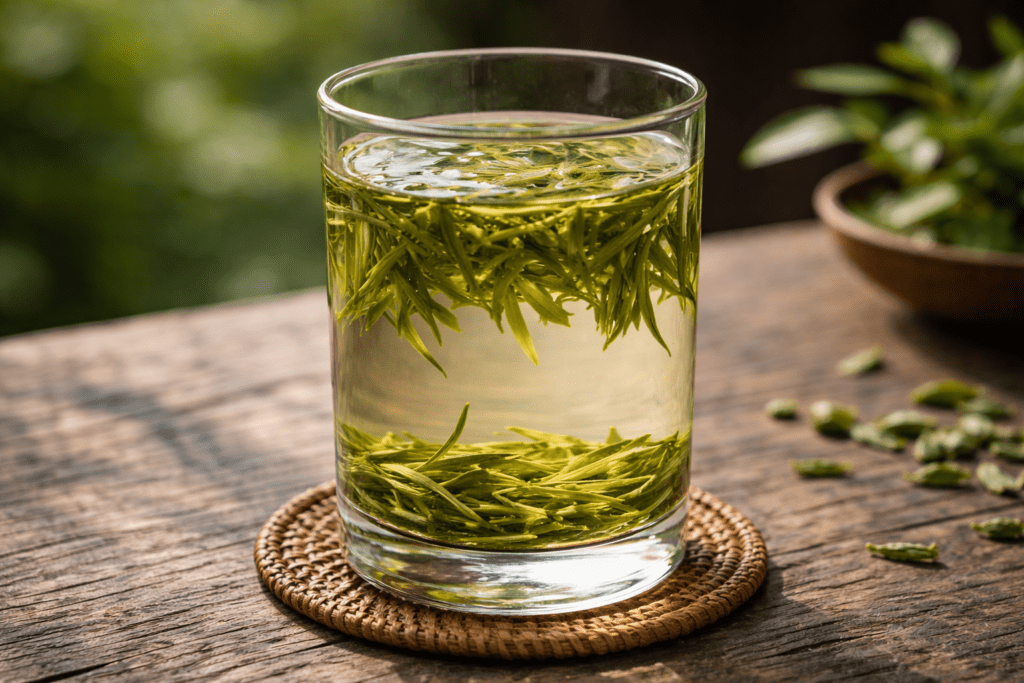
Green tea often tastes fresh and clean.
Many people describe the flavor as:
- grassy
- vegetal
- spring-like
Natural Sweetness
High-quality green teas often have a gentle sweetness that appears after swallowing.
This lingering sweetness is called hui gan in Chinese tea culture.
Light Body
Compared with darker teas, green tea usually has a lighter body and a softer mouthfeel.
This makes it easy to drink throughout the day.
Green Tea Benefits
Green tea has long been associated with health and wellness.
Modern research has also explored many of the compounds found in green tea.
Some commonly discussed benefits include the following.
Rich in Antioxidants
Green tea contains high levels of catechins, a type of antioxidant.
These compounds help protect cells from oxidative stress.
Supports Metabolism
Some studies suggest that green tea may support metabolic activity.
Because of this, green tea is often included in wellness routines.
Mental Clarity
Green tea contains a moderate amount of caffeine along with an amino acid called L-theanine.
This combination may support calm focus.
Many people describe green tea energy as:
- smooth
- stable
- less jittery than coffee
A Tradition of Longevity
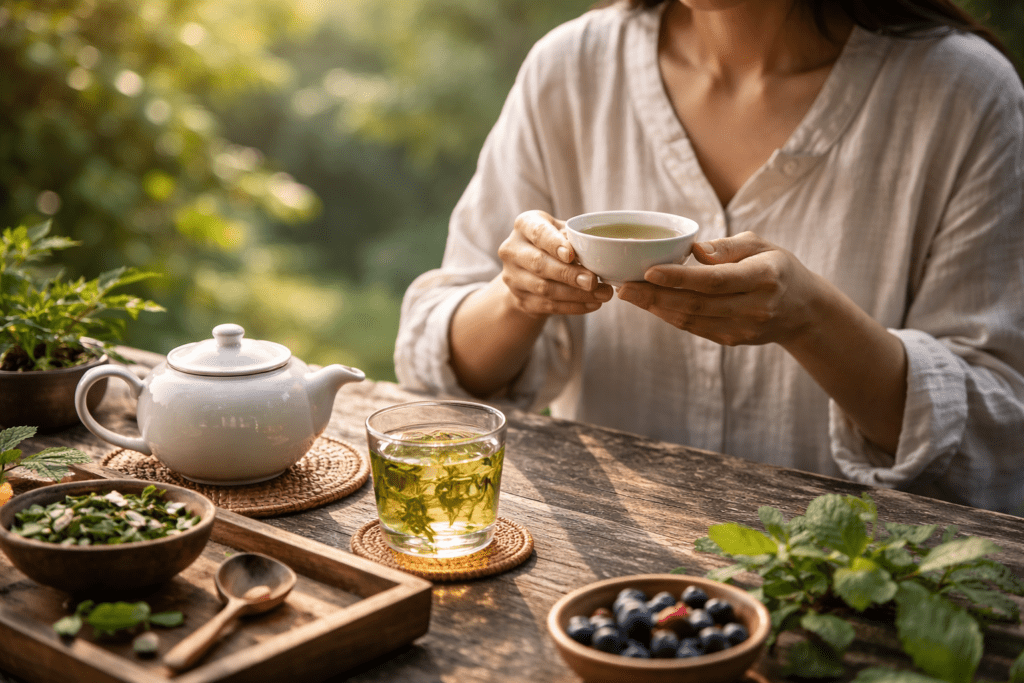
In Chinese culture, tea has long been associated with longevity and balance.
While tea alone is not a miracle drink, it is often part of a healthy lifestyle.
How to Brew Green Tea Correctly
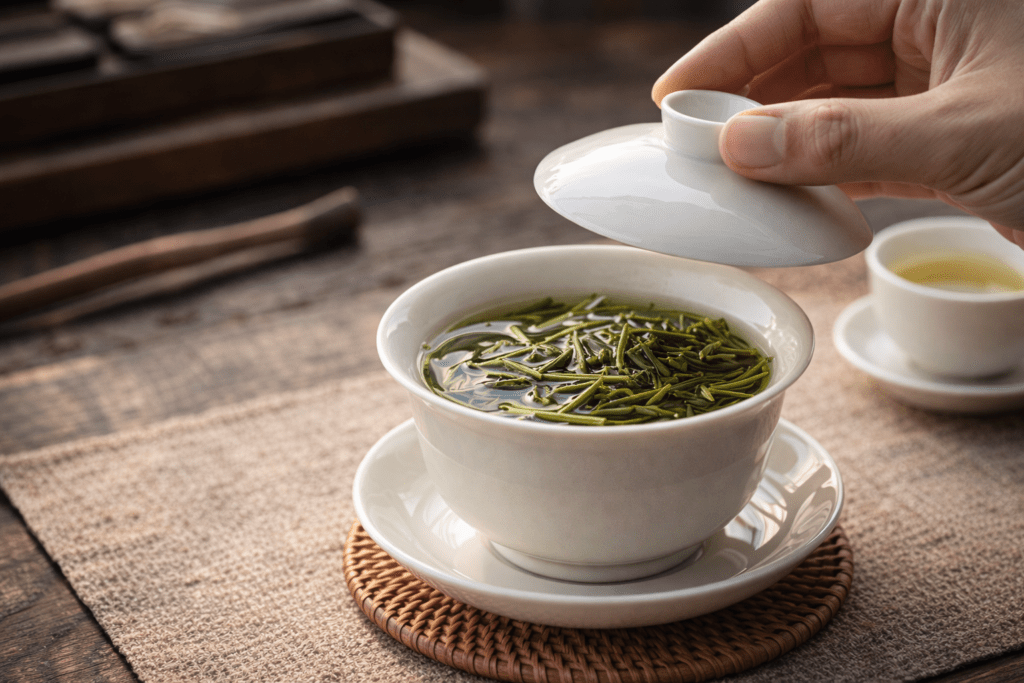
Brewing green tea properly can dramatically improve its taste.
Because green tea leaves are delicate, using boiling water can make the tea bitter.
Water Temperature
Ideal range:
75°C – 85°C
Lower temperatures preserve the sweetness.
Tea Quantity
Typical ratio:
2 – 3 grams of tea
per 200 ml water
Brewing Time
First infusion:
1 – 2 minutes
Later infusions can be slightly longer.
Multiple Infusions
High-quality green tea can usually be brewed 2–3 times.
Each infusion may reveal different flavors.
Green Tea vs Other Types of Tea
All traditional teas come from the same plant.
The difference lies mainly in how the leaves are processed.
Green tea
- not oxidized
- fresh flavor
Oolong tea
- partially oxidized
- complex aroma
Black tea
- fully oxidized
- strong flavor
Pu-erh tea
- fermented
- earthy taste
Future internal links:
- Oolong Tea Explained
- Pu-erh Tea Guide
Why Green Tea Remains So Popular
Green tea has endured for centuries because it offers something unique.
It is not only a beverage but also part of a cultural tradition.
For many people, drinking green tea becomes a daily ritual.
The act of preparing tea, waiting for the leaves to open, and slowly sipping the infusion encourages a slower rhythm of life.
In a fast-moving world, green tea reminds people of the value of simplicity.
Final Thoughts
Green tea is far more than just a drink.
It represents centuries of agricultural knowledge, craftsmanship, and cultural philosophy.
From the tea mountains of China to modern homes around the world, green tea continues to offer a moment of calm and clarity.
Whether you are new to tea or already familiar with its traditions, exploring green tea is a journey that can deepen over time.
Every harvest, every region, and every brewing method reveals a slightly different expression of the same leaf.
And perhaps that is the true beauty of green tea — a simple leaf that continues to unfold new flavors with every cup.