White tea is often considered one of the most delicate and natural forms of traditional Chinese tea. Known for its subtle flavor, gentle aroma, and minimal processing, white tea has been treasured in China for centuries.
Unlike many other types of tea that undergo complex rolling or roasting processes, white tea is produced using a remarkably simple method. The tea leaves are harvested, lightly withered, and slowly dried. This gentle processing preserves the natural character of the tea leaves.
Because of this minimal intervention, white tea retains many of the natural compounds found in fresh tea leaves. Its flavor is often described as light, smooth, and slightly sweet, making it a favorite among tea drinkers who appreciate subtlety and refinement.
White tea originated in China, particularly in the Fujian province, where the climate and soil create ideal conditions for producing high-quality tea leaves.
In this guide, we will explore everything you need to know about white tea, including what white tea is, how it is produced, the most famous types of white tea, the taste and aroma of white tea, the potential benefits associated with drinking white tea, and how to brew white tea properly.
By the end of this article, you will understand why white tea is often considered one of the purest and most elegant teas in the world.
What Is White Tea
White tea is a type of tea made from the leaves of the Camellia sinensis plant, the same plant used to produce green tea, oolong tea, black tea, and pu-erh tea.
What makes white tea unique is its extremely light processing. Unlike green tea, which is heated to stop oxidation, or oolong tea, which undergoes controlled oxidation and rolling, white tea is typically only withered and dried.
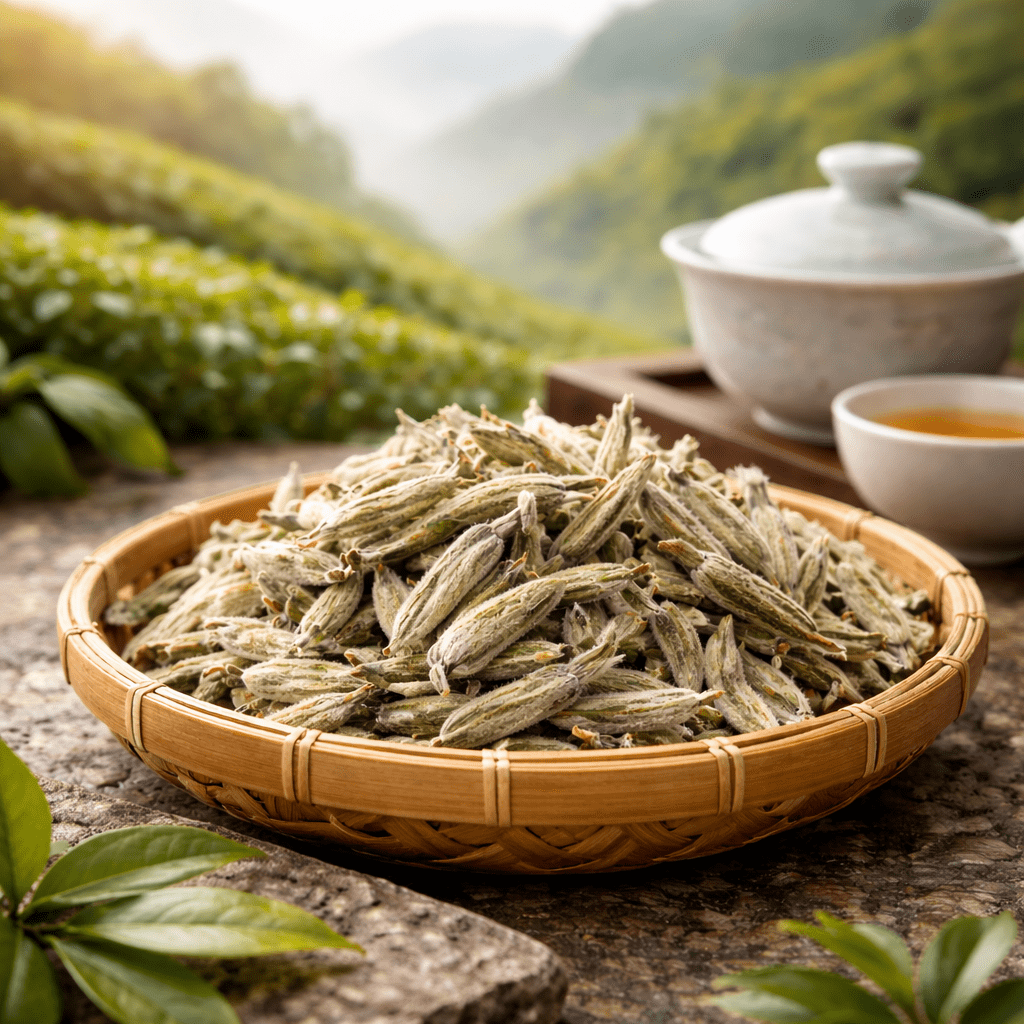
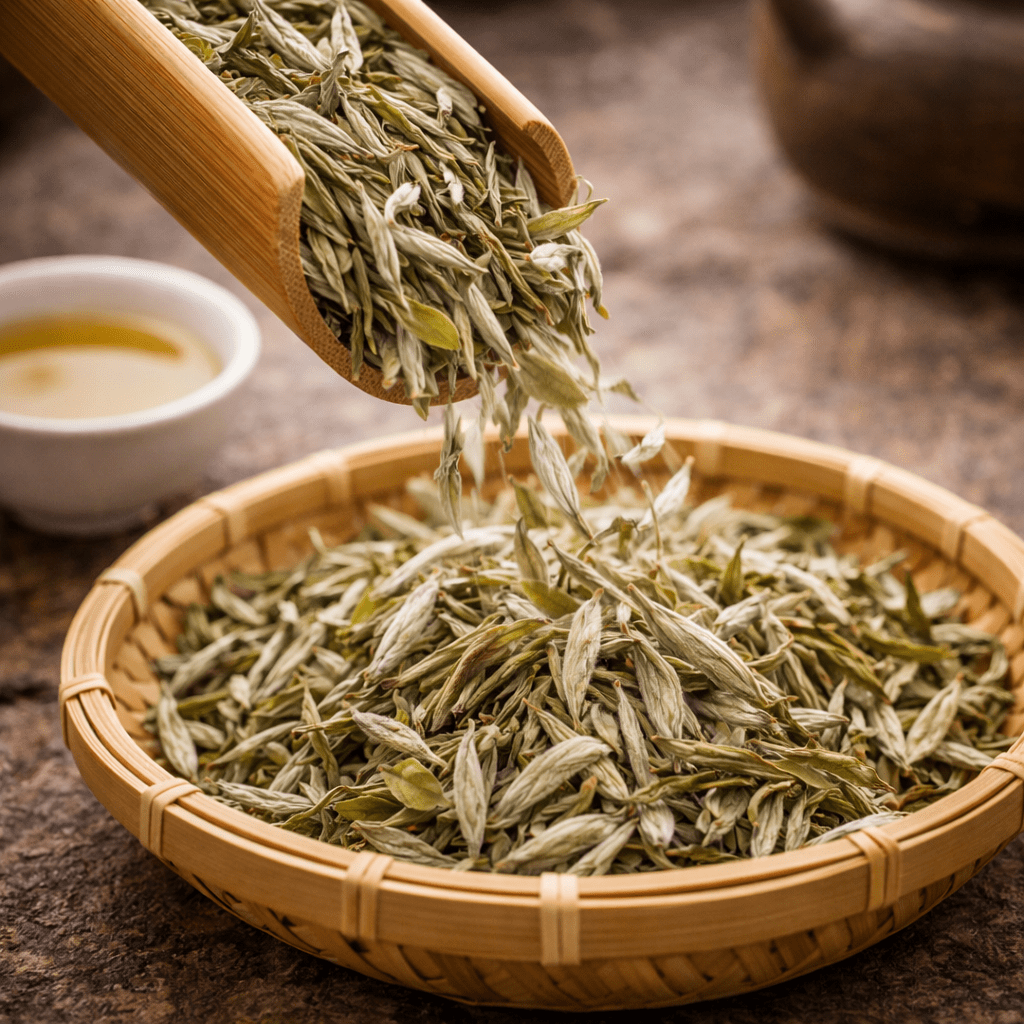
Because the leaves are handled very gently, they retain much of their natural appearance. Many white teas are made using young buds that are covered with fine white hairs, which give the tea its name.
These tiny silvery hairs create a soft, pale appearance on the tea leaves, especially when the buds are still unopened.
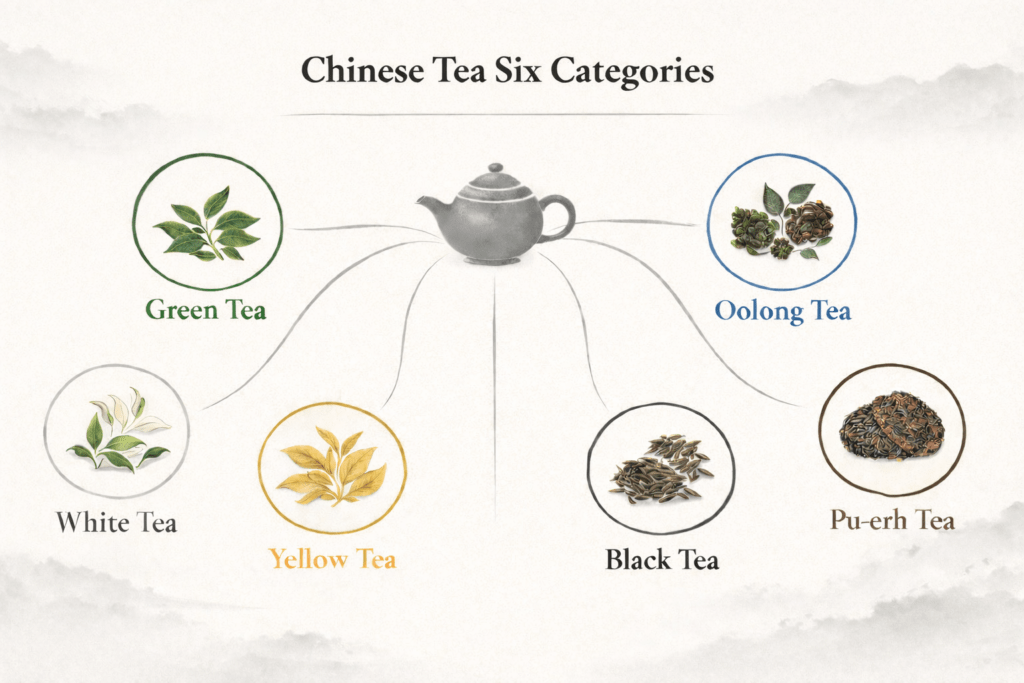
White tea is considered one of the six major categories of Chinese tea, alongside green tea, yellow tea, oolong tea, black tea, and dark tea.
How White Tea Is Made
The production of white tea is one of the simplest processes in traditional tea making, yet it requires great care and attention.
The quality of white tea depends heavily on the timing of the harvest and the careful drying of the leaves.
The process typically includes three main steps.
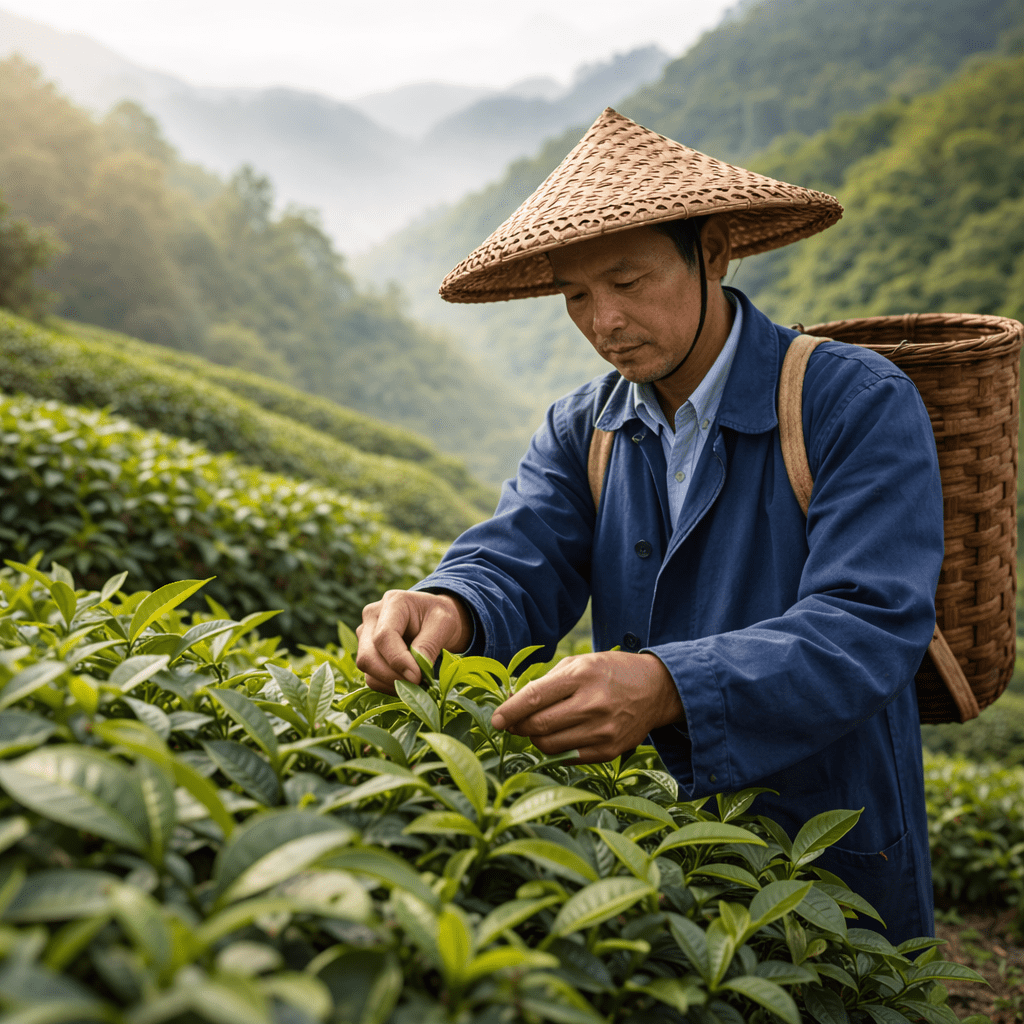
Harvesting
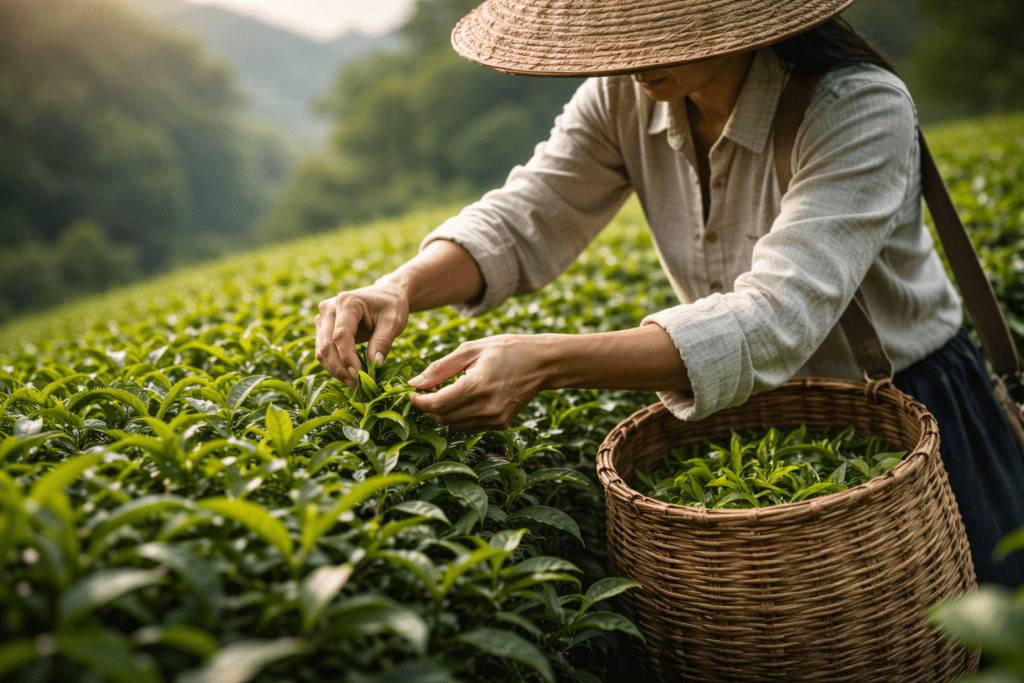
White tea is usually harvested in early spring when the tea buds are still young and tender.
The most valuable white teas are made from unopened buds or buds with one or two young leaves.
Because these buds are delicate, they must be picked carefully by hand. Harvesting too late in the season can significantly affect the flavor and aroma of the tea.
Withering
After harvesting, the tea leaves are spread out in thin layers and allowed to wither.
Withering allows the leaves to slowly lose moisture while developing their natural aromas.
This process may take many hours and often occurs in well-ventilated indoor environments.
During this stage, moisture evaporates from the leaves, the leaf structure softens, and natural chemical reactions begin to shape the final flavor of the tea.
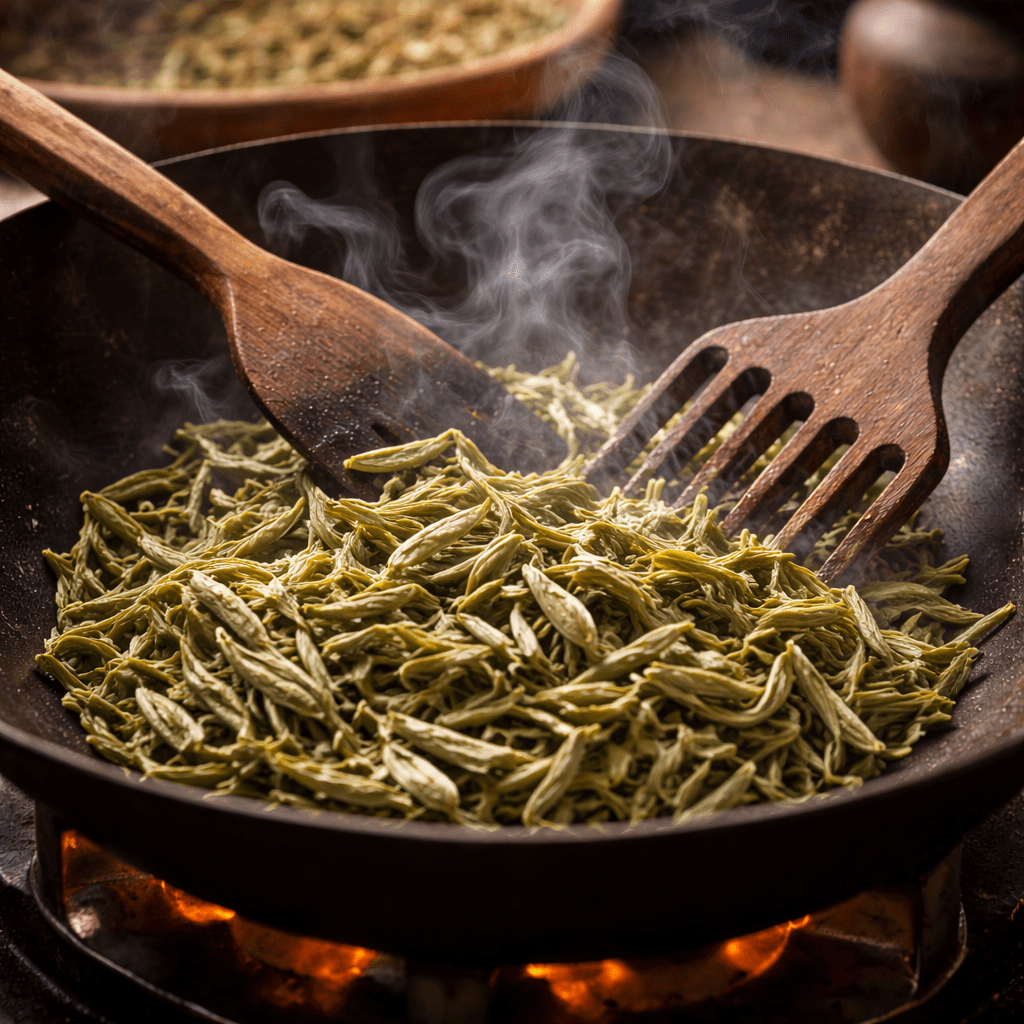
Drying
After withering, the leaves are slowly dried to stabilize the tea.
Drying prevents spoilage and ensures the tea can be stored safely.
Traditional drying methods may include natural air drying or gentle low-temperature baking. Because the leaves are not rolled or heavily processed, the final tea retains a very natural shape.
Types of White Tea
White tea is produced in several different styles, each with its own characteristics. The most famous white teas originate from Fujian province in China.
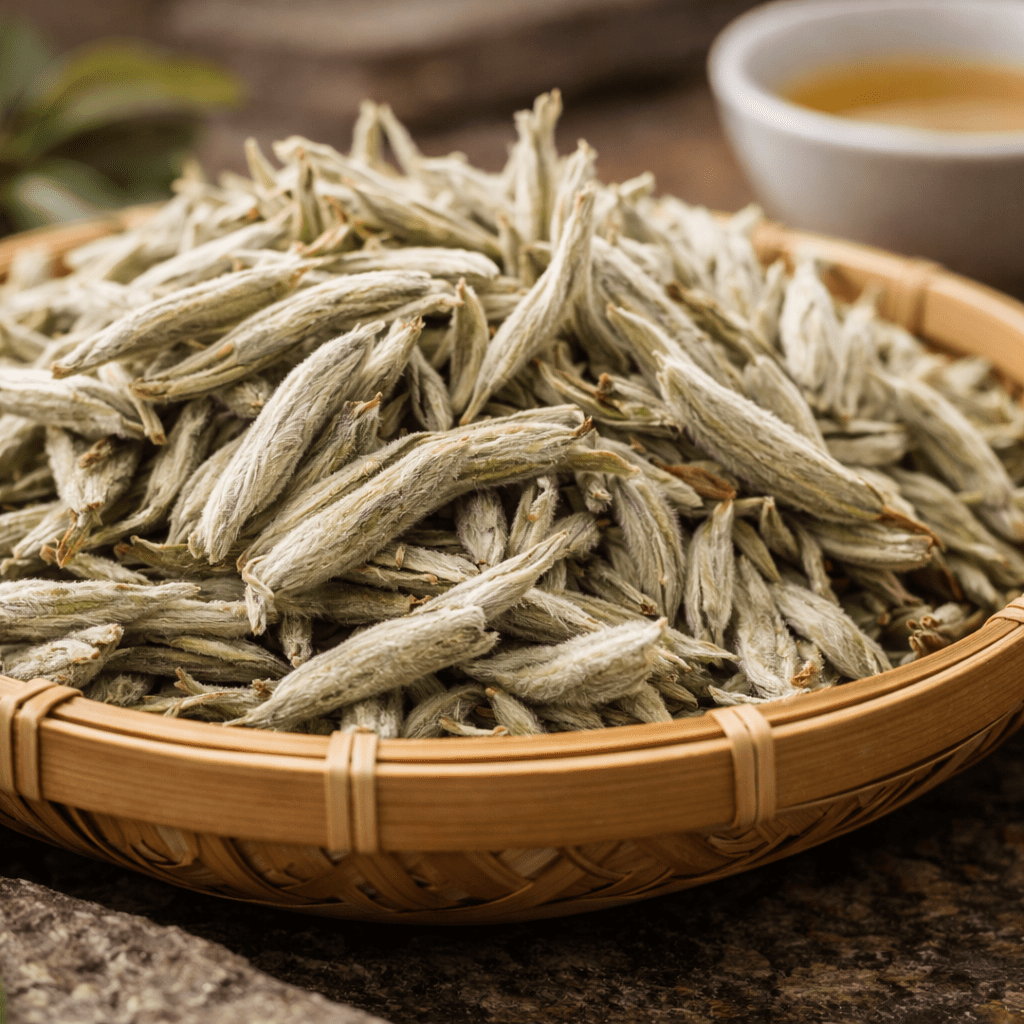
Silver Needle (Baihao Yinzhen)
Silver Needle is considered the highest grade of white tea. It is made entirely from unopened tea buds.
The buds are long, slender, and covered in fine white hairs, giving the tea a silvery appearance.
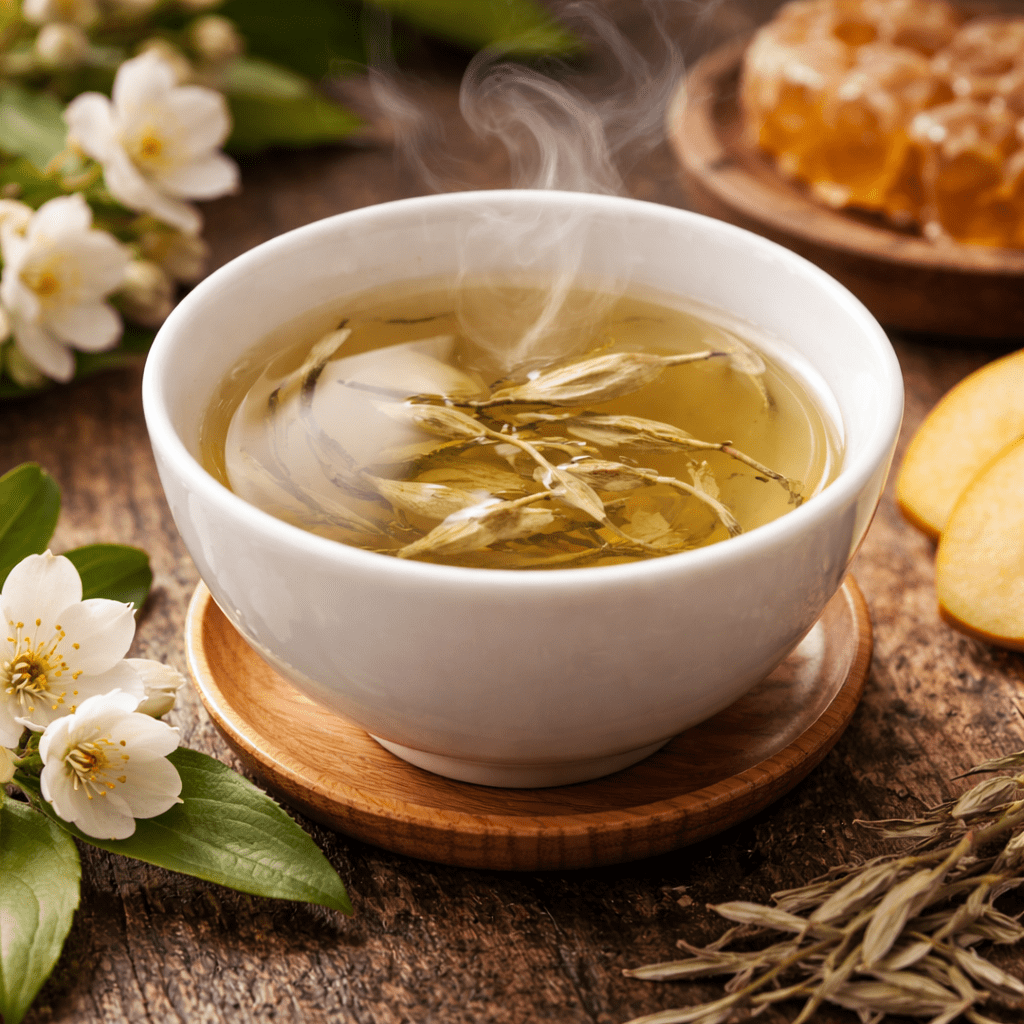
Silver Needle tea produces a pale golden infusion with a soft floral aroma and a very delicate taste.
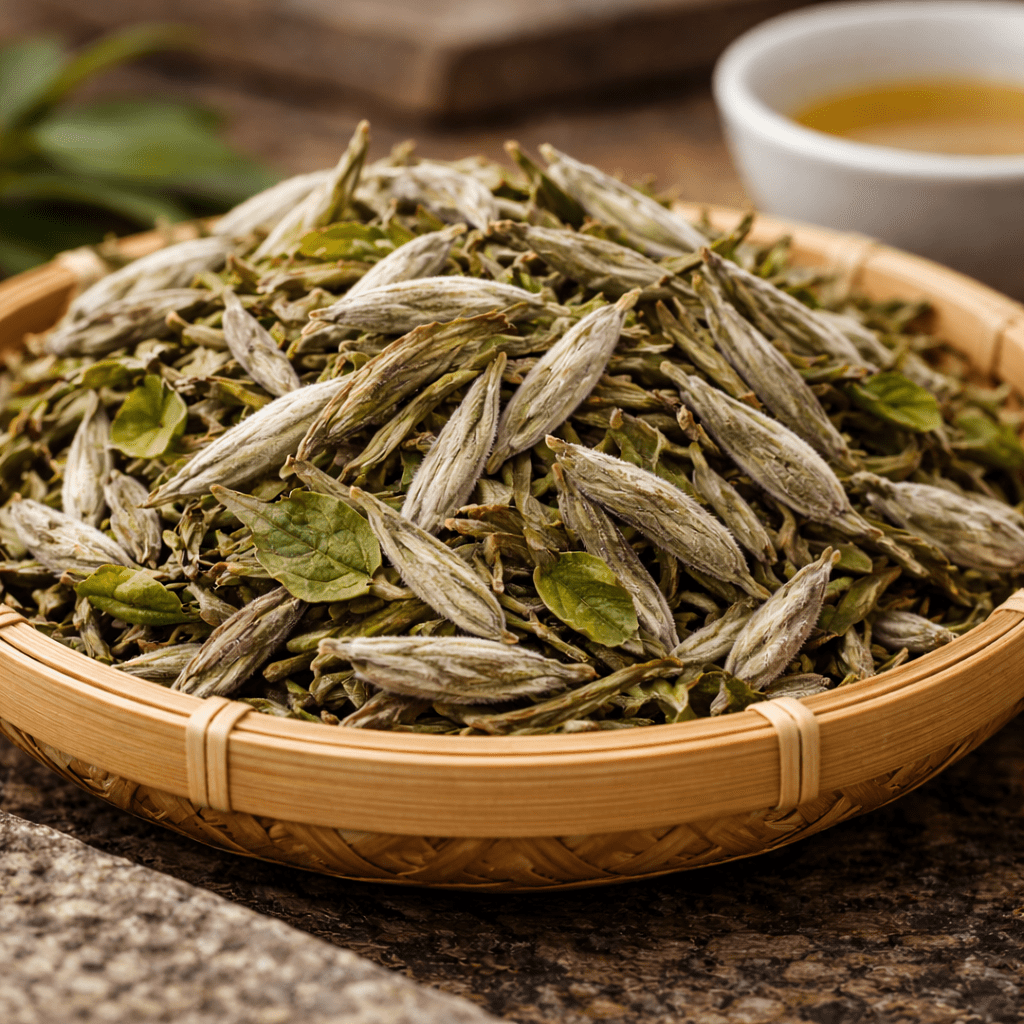
White Peony (Bai Mudan)
White Peony tea is made from a combination of buds and young leaves.
Compared to Silver Needle, it has a slightly fuller flavor and a deeper color when brewed.
Its taste is often described as floral, fresh, and gently sweet, making it one of the most popular white teas for everyday drinking.
Shou Mei
Shou Mei is made from more mature tea leaves and later harvests.
This tea usually produces a darker infusion and has a richer flavor compared to other white teas.
Some varieties of Shou Mei develop notes of dried fruit, honey, or mild herbal tones.
Gong Mei
Gong Mei is another traditional white tea made from slightly older leaves.
Its flavor is typically richer than Silver Needle but still retains the gentle character that defines white tea.
What Does White Tea Taste Like
White tea is known for its subtle and refined flavor.
Unlike stronger teas such as black tea, white tea offers a softer and more delicate tasting experience.
Many white teas share several common characteristics.
Light and Smooth
White tea often has a very smooth mouthfeel. It feels light on the palate and rarely becomes bitter when brewed properly.
Natural Sweetness
Many drinkers notice a natural sweetness in white tea.
This sweetness may resemble notes of honey, fresh flowers, or ripe fruit.
Gentle Aroma
White tea often has a soft floral fragrance. Some varieties may also show hints of melon, hay, or dried herbs.
White Tea Benefits
White tea has long been associated with wellness and balance in traditional Chinese culture.
Although tea should not be considered a medical treatment, white tea contains many natural compounds that may support general well-being.
Rich in Antioxidants
White tea contains high levels of polyphenols and antioxidants. These compounds help protect cells from oxidative stress.
Gentle Energy
White tea usually contains less caffeine than many other teas. This makes it a suitable choice for people who prefer a milder source of energy.
Natural Simplicity
Because white tea undergoes very little processing, it preserves many natural characteristics of the tea leaf. Many tea drinkers appreciate this simplicity and purity.
How to Brew White Tea
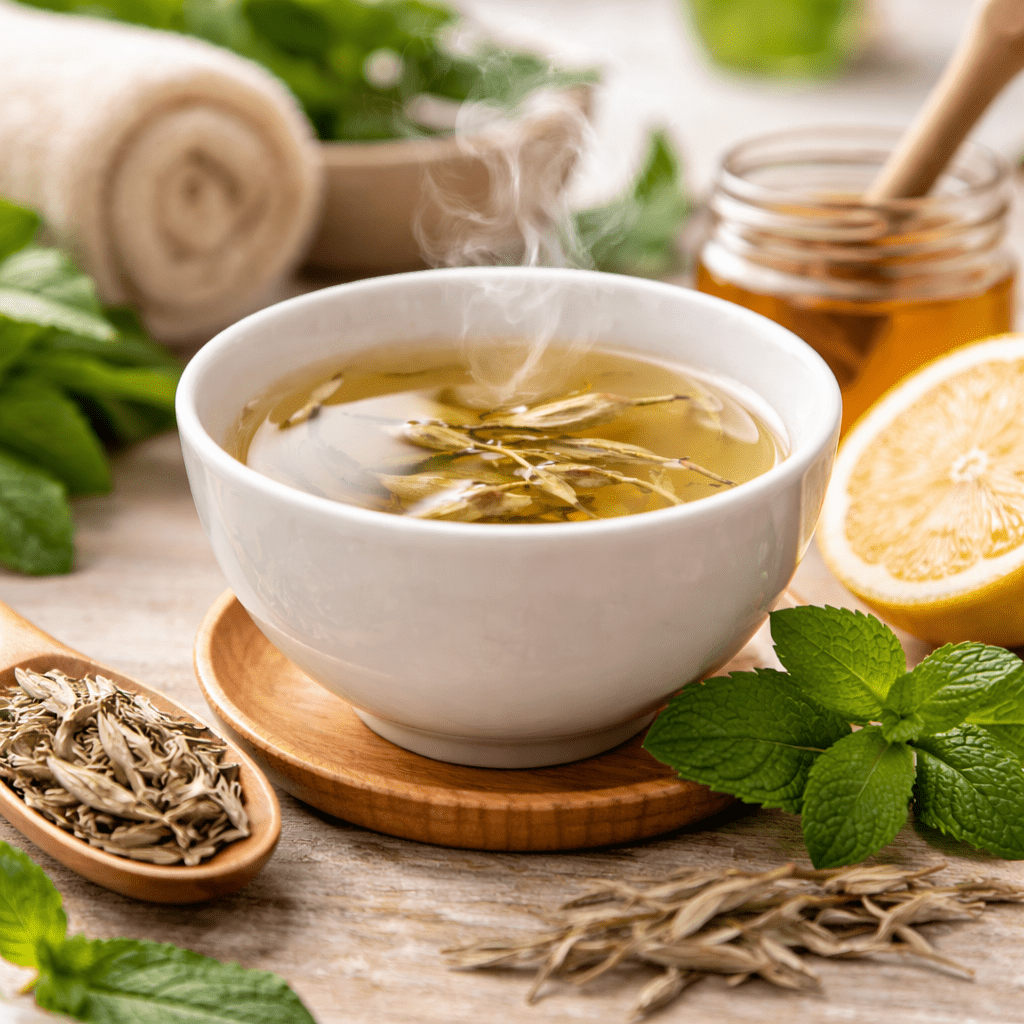
Brewing white tea correctly is important for achieving the best flavor.
Because white tea is delicate, water that is too hot can damage the subtle flavors.
Water Temperature
The recommended temperature for brewing white tea is between 75°C and 85°C.
Using slightly cooler water helps preserve the delicate aromas and sweetness.
Tea Quantity
A typical ratio is about three grams of tea leaves for every 200 milliliters of water.
Brewing Time
The first infusion usually takes two to three minutes.
Later infusions may require slightly longer steeping times.
Multiple Infusions
High-quality white tea can often be brewed three to four times.
Each infusion reveals slightly different flavors and aromas.
White Tea vs Green Tea
Although white tea and green tea are both lightly processed, they differ in several important ways.
White tea undergoes minimal processing and often has a softer, sweeter flavor.
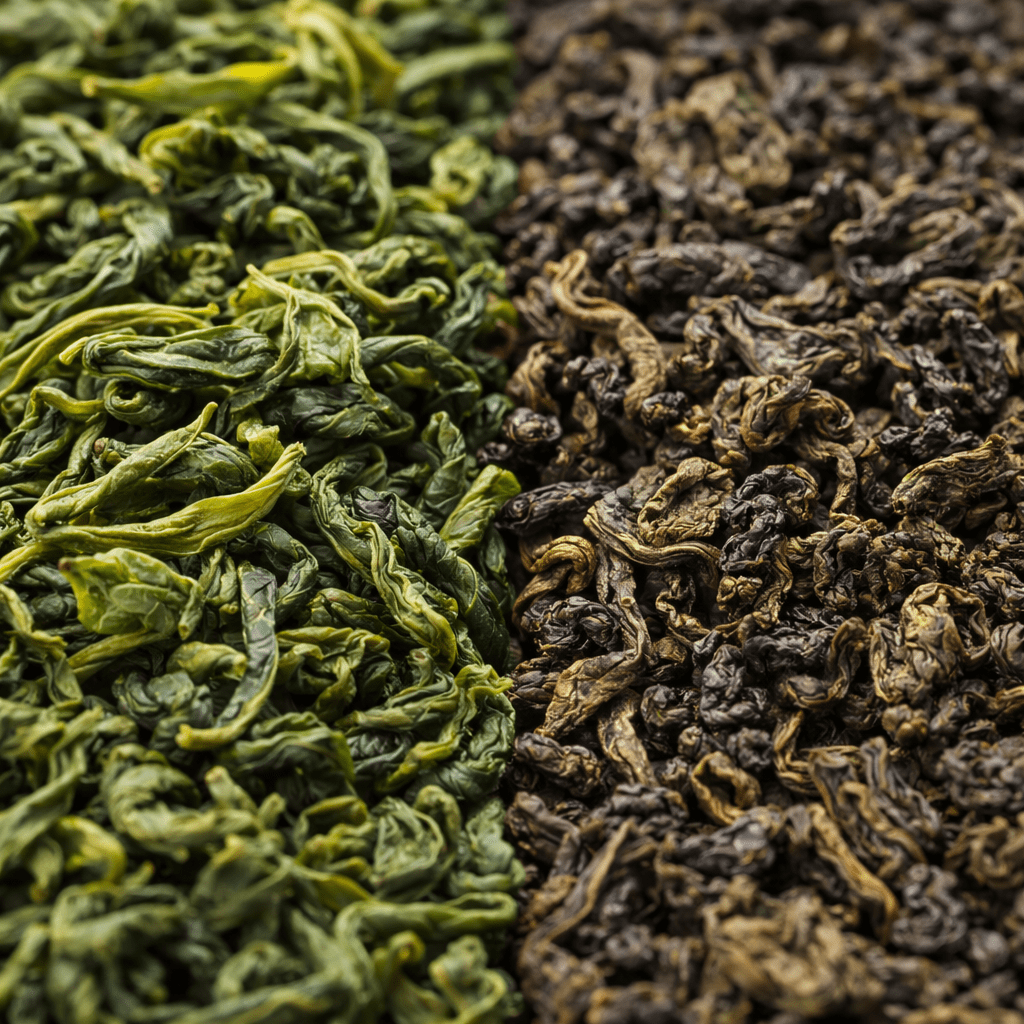
Green tea is heated during production to stop oxidation, which creates a fresher and more vegetal taste.
Both teas offer unique characteristics and are widely appreciated in Chinese tea culture.
Why White Tea Is So Special
White tea represents one of the purest forms of traditional tea.
Its simple production process highlights the natural character of the tea leaf.
Because the leaves are handled gently and processed minimally, white tea preserves delicate aromas that are easily lost in more heavily processed teas.
For many tea enthusiasts, white tea offers a quiet and refined drinking experience that encourages slow appreciation.
Final Thoughts
White tea is more than just a beverage.
It reflects centuries of tea cultivation, craftsmanship, and cultural tradition.
From the mountains of Fujian to tea cups around the world, white tea continues to be valued for its elegance, simplicity, and natural beauty.
Whether you are new to tea or already familiar with its traditions, exploring white tea can deepen your appreciation for the artistry behind traditional Chinese tea.