Many people struggle with sleep in today’s fast-paced world. Long work hours, digital screens, stress, and irregular schedules can make it difficult for the mind and body to relax at night.
Because of this, many people look for natural ways to improve sleep quality. One of the simplest and oldest methods is drinking tea before bed.
For centuries, tea has been associated with calmness, relaxation, and quiet evening rituals. In many cultures, drinking tea at night is not only about hydration but also about preparing the body and mind for rest.
However, not all teas are suitable for nighttime. Some teas contain caffeine and may actually interfere with sleep. Others are naturally calming and may help the body relax before bedtime.
Understanding which teas are best for sleep can help create a relaxing nightly routine.
In this guide, we will explore how tea affects sleep, which teas are best for relaxation, and how to prepare tea in a way that supports healthy nighttime habits.

How Tea Can Support Better Sleep
Tea may support sleep in several ways.
First, warm beverages naturally promote relaxation. Drinking something warm in the evening can help the body shift into a calmer state.
Second, some teas contain natural compounds that may help reduce stress and promote relaxation.
For example, certain herbal teas contain compounds that support the body’s natural calming processes.
Third, tea drinking can become part of a nightly ritual. Repeating a calming routine every evening signals to the brain that it is time to slow down and prepare for sleep.
This psychological effect can be just as important as the ingredients in the tea itself.
For many people, the act of brewing tea slowly, inhaling its aroma, and drinking it quietly becomes a transition from daytime activity to nighttime rest.
The Role of Caffeine in Sleep
Before discussing the best teas for sleep, it is important to understand the role of caffeine.
Caffeine is a natural stimulant found in tea, coffee, and some other plants. It works by blocking adenosine receptors in the brain, which temporarily reduces feelings of tiredness.
While caffeine can increase alertness, it may also make it more difficult to fall asleep if consumed late in the day.
Different types of tea contain different amounts of caffeine.
Green tea contains a moderate amount.
Black tea generally contains more.
White tea usually contains less.
Herbal teas, however, typically contain no caffeine at all, which makes them ideal for nighttime drinking.
Because of this, caffeine-free herbal teas are often recommended before bedtime.
Chamomile Tea
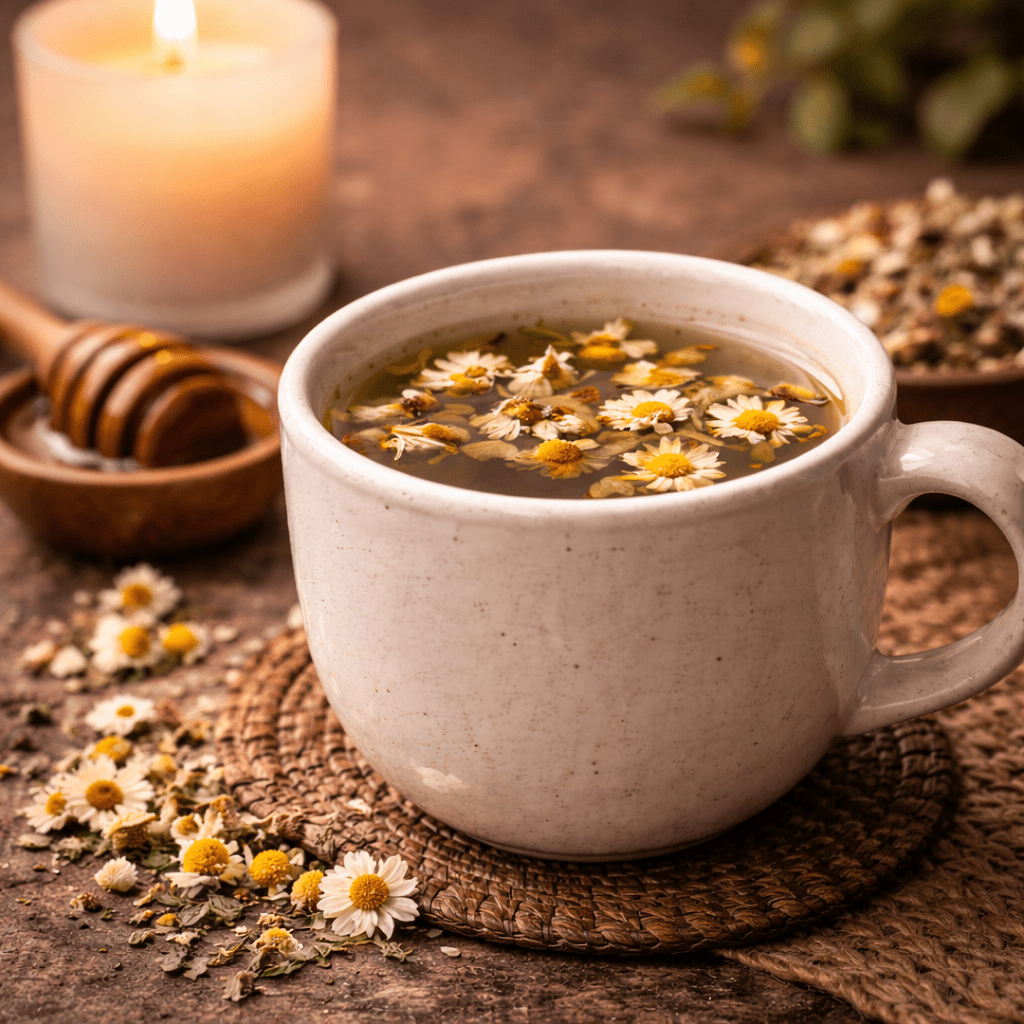
Chamomile tea is one of the most well-known teas associated with sleep.
This herbal tea is made from dried chamomile flowers and has been used for centuries as a calming beverage.
Chamomile contains a compound called apigenin, which interacts with receptors in the brain that may promote relaxation.
Many people find that drinking chamomile tea before bed helps them feel calmer and more ready for sleep.
The flavor of chamomile tea is gentle and floral with slightly sweet notes.
Because it contains no caffeine, it can be safely enjoyed in the evening.
For people who are new to herbal tea, chamomile is often one of the easiest and most comforting options.
Lavender Tea
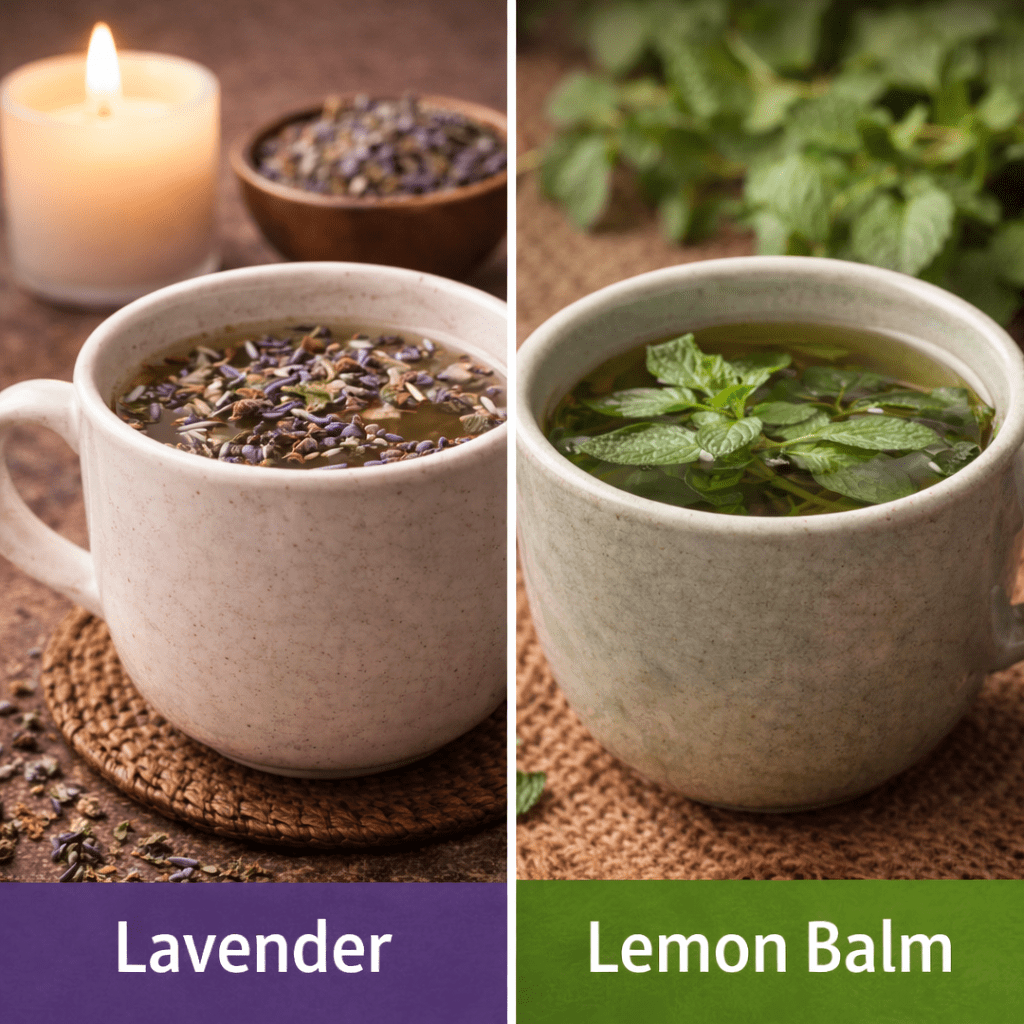
Lavender is widely known for its calming aroma.
Lavender tea is made from the dried flowers of the lavender plant and offers a delicate floral flavor.
The scent of lavender alone is often associated with relaxation and stress relief.
Many people find that lavender tea helps reduce mental tension after a long day.
Lavender tea is sometimes combined with chamomile or lemon balm to create soothing bedtime blends.
Because lavender is naturally caffeine-free, it is suitable for evening consumption.
Lemon Balm Tea
Lemon balm is a member of the mint family and has been used for centuries in traditional herbal practices.
Its flavor is mild and slightly citrusy.
Lemon balm tea is often associated with relaxation and emotional balance.
Some studies suggest that lemon balm may help reduce stress and promote calmness.
For people who experience racing thoughts at night, lemon balm tea may help create a more relaxed mental state before bedtime.
Peppermint Tea
Peppermint tea is another popular caffeine-free herbal tea.
Unlike some calming teas that are floral, peppermint tea has a refreshing and cooling flavor.
Peppermint is often used to support digestion, which can also contribute to comfort before sleep.
Although peppermint tea is not traditionally classified as a sedative tea, many people find that its soothing effect on the stomach and its refreshing aroma help create a sense of relaxation.
Peppermint tea is particularly popular after evening meals.
White Tea for Light Evening Relaxation
While herbal teas are often the best choice for sleep, some people prefer traditional tea made from the Camellia sinensis plant.
Among traditional teas, white tea is often considered the gentlest option.
White tea typically contains lower caffeine levels compared with black tea or many green teas.
Because of its mild flavor and light stimulation, some people enjoy white tea in the early evening.
However, it is generally recommended to drink white tea several hours before bedtime if caffeine sensitivity is a concern.
Oolong Tea and Evening Tea Rituals
Oolong tea is known for its complex aroma and layered flavors.
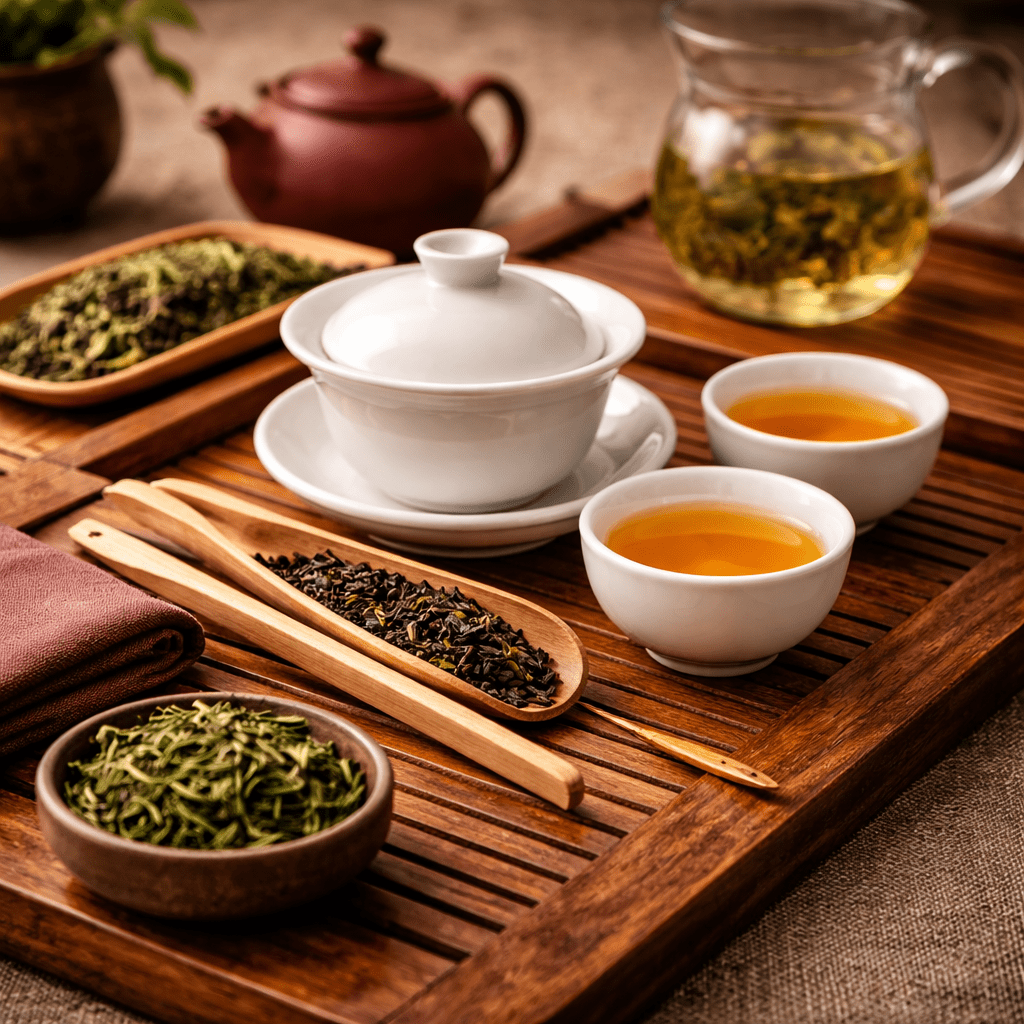
Although oolong tea does contain caffeine, some tea drinkers enjoy lightly oxidized oolong in the early evening as part of a relaxing tea ritual.
Oolong tea is particularly suited for gongfu style brewing, where the same leaves are steeped multiple times.
This slow brewing process can create a calming evening routine that encourages mindfulness and relaxation.
However, people who are sensitive to caffeine may prefer herbal teas later in the night.
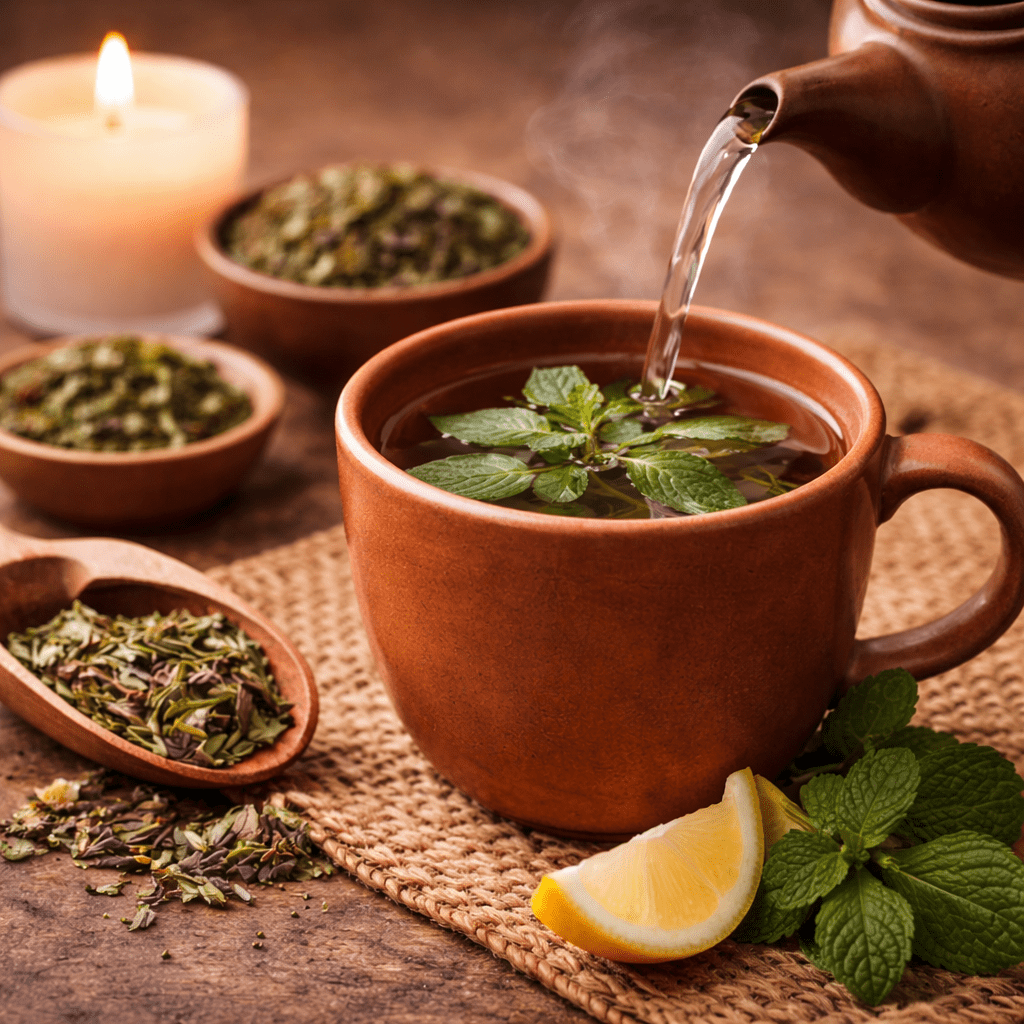
Creating a Bedtime Tea Ritual
The benefits of tea before sleep are not only about the ingredients but also about the experience.
Creating a simple tea ritual can help the mind transition into a restful state.
Some helpful habits include:
drinking tea about one hour before bedtime
reducing screen exposure during tea time
brewing tea slowly and intentionally
drinking tea in a quiet environment
These small habits help create a consistent nighttime routine.
Over time, the body may begin to associate tea drinking with relaxation and sleep.
Tips for Drinking Tea Before Bed
While tea can support relaxation, there are a few things to keep in mind.
Avoid highly caffeinated teas late at night.
Choose herbal teas if caffeine sensitivity is a concern.
Drink tea in moderate amounts to avoid waking during the night.
Use warm, not extremely hot, water to create a soothing experience.
The goal is to create a calming moment rather than overstimulating the body.
Cultural Traditions of Evening Tea
Evening tea traditions exist in many cultures.
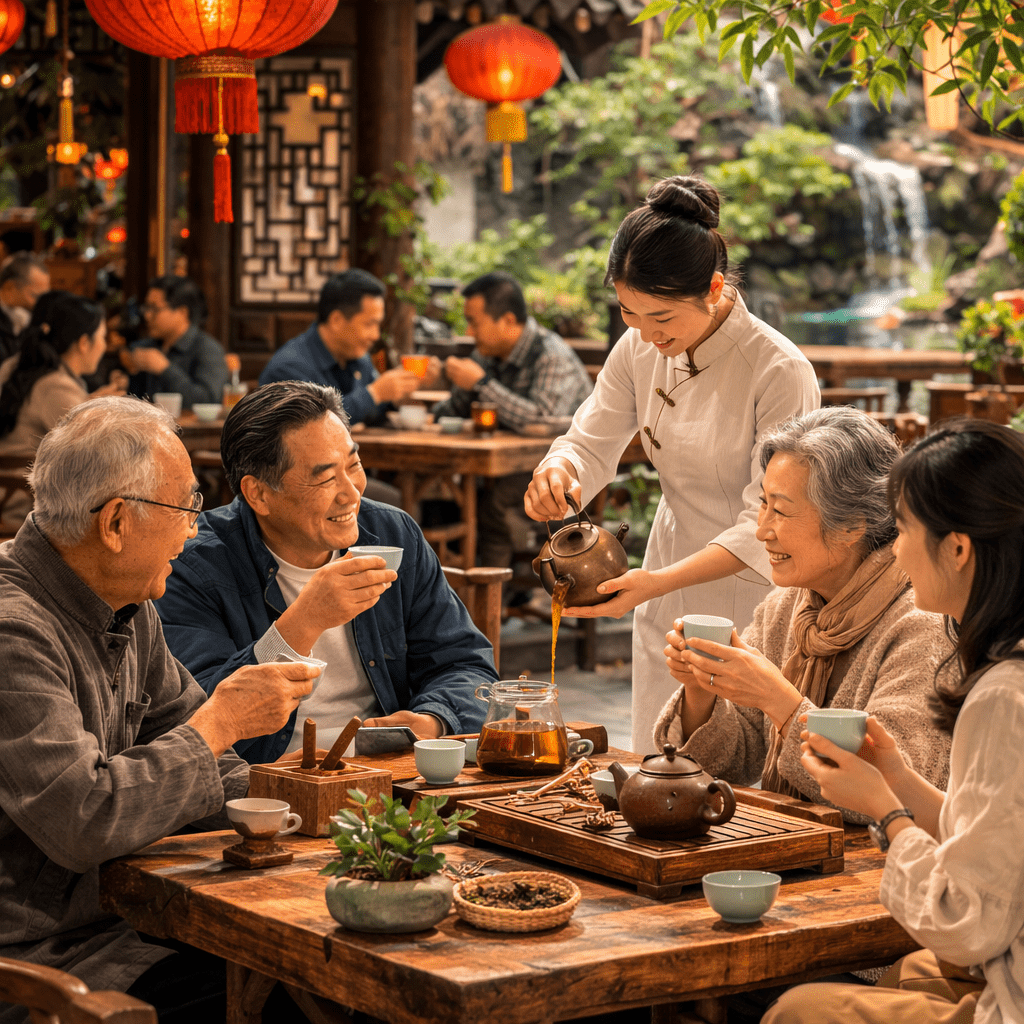
In some parts of China, families drink light tea after dinner as a way to relax and continue conversation.
In Europe, herbal teas such as chamomile have long been used as bedtime drinks.
These traditions reflect the idea that tea is not only a beverage but also a moment of quiet reflection.
When approached mindfully, tea can transform an ordinary evening into a calming ritual.
Final Thoughts
Tea can be a gentle and natural way to support relaxation before sleep.
Herbal teas such as chamomile, lavender, lemon balm, and peppermint are among the most popular choices because they contain no caffeine and are widely associated with calming effects.
Traditional teas such as white tea or light oolong may also be enjoyed earlier in the evening as part of a relaxing tea routine.
Ultimately, the best tea for sleep is the one that helps you slow down, relax, and create a peaceful moment before bedtime.
In a busy world filled with constant stimulation, a simple cup of tea can become a quiet signal that the day is ending and rest is beginning.