Introduction
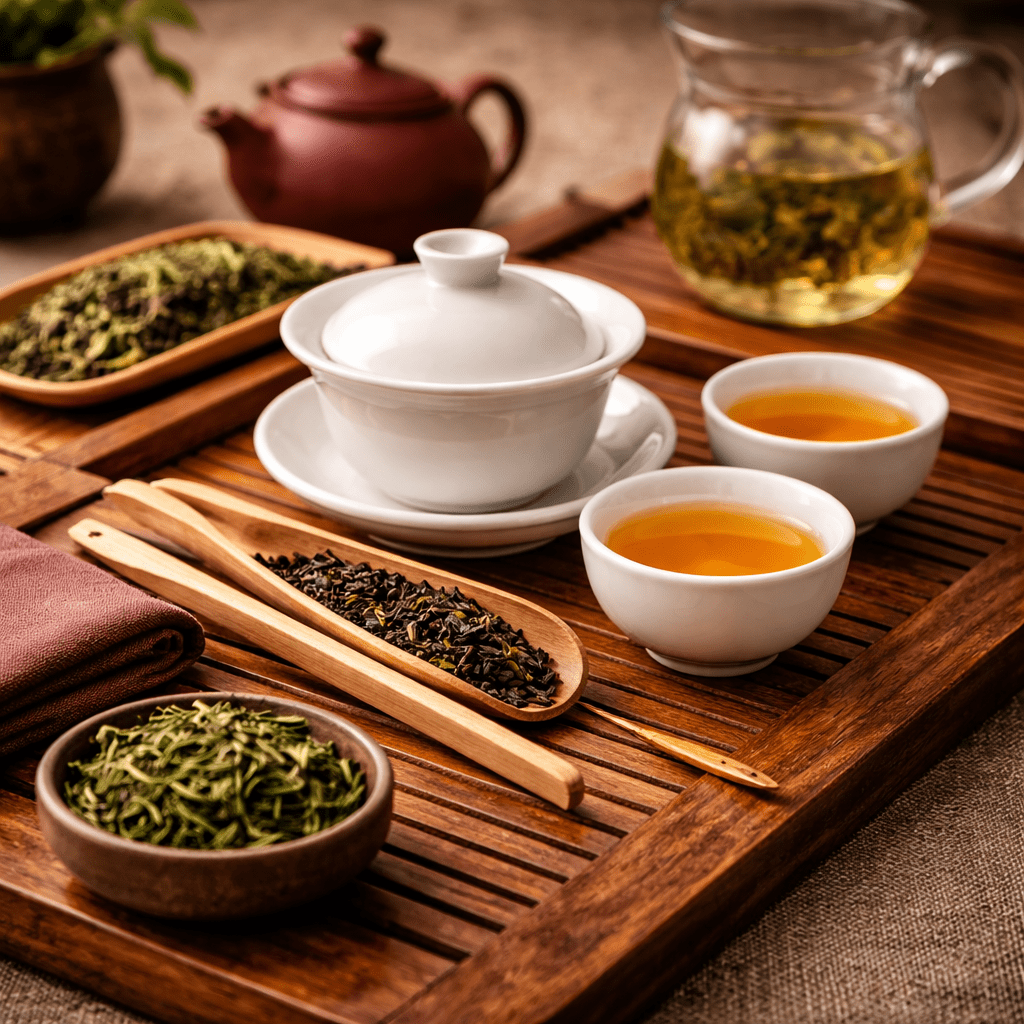
Tea is one of the most widely consumed beverages in the world. For thousands of years, people have enjoyed tea not only for its taste but also for its cultural meaning and potential health benefits.
From the mountains of China where tea cultivation first developed, to modern homes across the globe, tea has become part of daily life for millions of people.
Many people drink tea every day as part of their routine. Some enjoy a morning cup for gentle energy, while others drink tea throughout the day for relaxation and hydration.
Because tea contains natural plant compounds, it is often associated with health and wellness. This raises an important question:
Is drinking tea every day actually good for you?
The answer depends on several factors, including the type of tea, how it is prepared, and how much is consumed.
In this guide, we will explore the potential benefits of daily tea drinking, possible risks, the healthiest types of tea, and how to incorporate tea into a balanced lifestyle.
Why Tea Has Been Consumed for Thousands of Years
Tea has a long cultural history that stretches back more than 4,000 years.
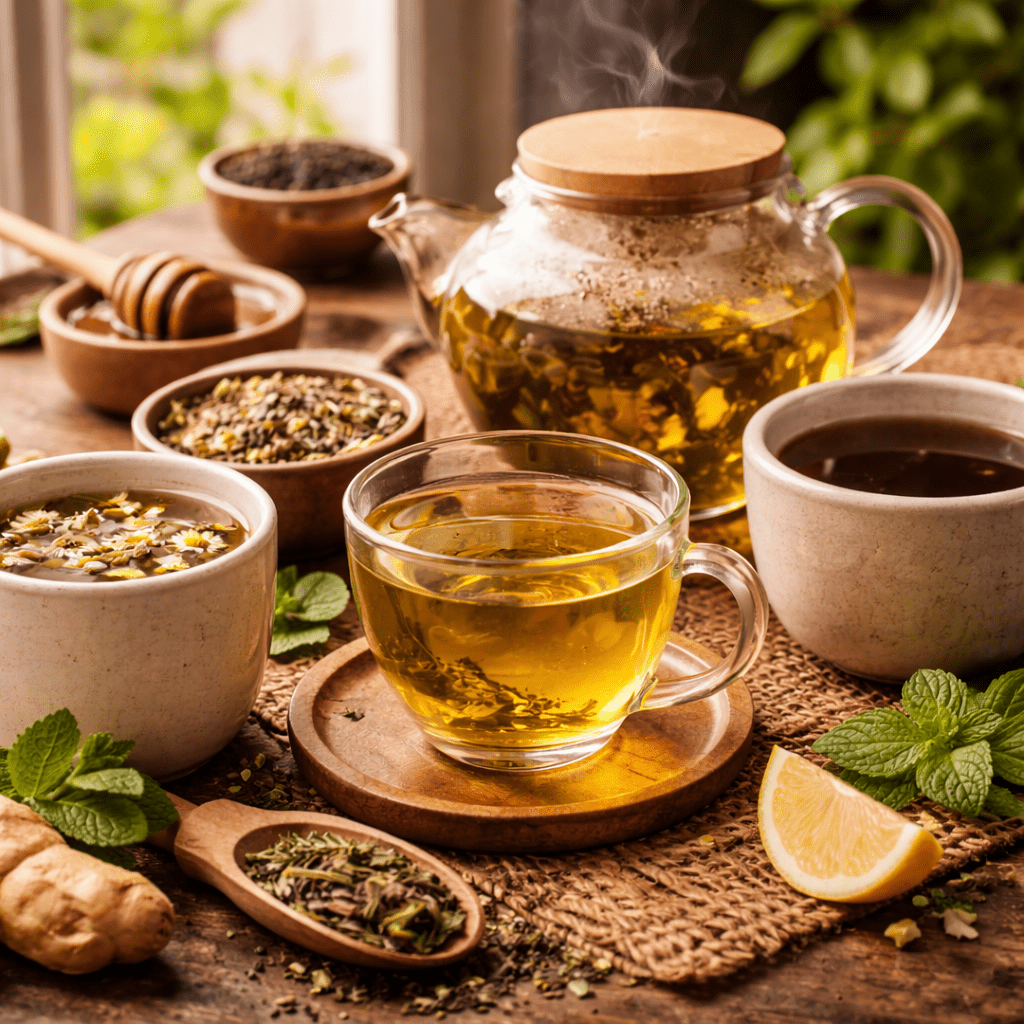
According to Chinese tradition, tea was first discovered during the time of Emperor Shennong. Over time, tea became an essential part of Chinese culture, spreading throughout Asia and eventually across the world.
Unlike many modern beverages, tea is made simply by steeping leaves in water. This simplicity allows the natural qualities of the plant to remain present in the drink.
Tea drinking became associated with:
daily rituals
social gatherings
meditation and mindfulness
hospitality and hospitality traditions
Because tea is gentle and versatile, it can be enjoyed in many different contexts.
In many cultures, drinking tea daily is seen as a sign of balance and moderation rather than excess.
What Happens When You Drink Tea Every Day
Drinking tea regularly introduces a variety of natural compounds into the body.
Tea leaves contain several important substances including:
polyphenols
catechins
amino acids
minerals
moderate caffeine
These compounds contribute to tea’s flavor, aroma, and potential health properties.
One of the most studied groups of compounds in tea is polyphenols, which function as antioxidants.
Antioxidants help protect cells from oxidative stress caused by unstable molecules known as free radicals.
Because tea contains a rich concentration of these compounds, researchers have long studied its potential role in supporting overall health.
However, it is important to understand that tea is not a miracle cure. Instead, it is best viewed as part of a healthy lifestyle that includes balanced nutrition, regular activity, and adequate sleep.
Potential Health Benefits of Drinking Tea Daily
Many scientific studies have explored the possible health effects of tea consumption.
While results can vary depending on the study and the population involved, several potential benefits have been observed.
Antioxidant Support
Tea contains high levels of natural antioxidants.
Green tea in particular is known for compounds called catechins, which have been widely studied for their protective properties.
These compounds may help support the body’s natural defense systems against oxidative stress.
Because oxidative stress is associated with aging and various health conditions, antioxidant-rich foods and beverages are often recommended as part of a balanced diet.
Heart Health
Some research suggests that regular tea consumption may support cardiovascular health.
Certain tea compounds may contribute to:
healthy blood circulation
balanced cholesterol levels
vascular function
For example, studies have found that people who drink tea regularly sometimes show improved markers related to heart health.
However, these benefits are generally associated with long-term habits and overall lifestyle rather than tea alone.
Mental Focus and Calm Energy
Tea contains a unique combination of caffeine and an amino acid called L-theanine.
This combination can produce a different type of stimulation compared with coffee.
Instead of a sudden spike in energy, tea often provides:
gentler alertness
smoother concentration
more stable focus
Many people find that tea helps them stay mentally clear without the jittery feeling that sometimes accompanies stronger stimulants.
Hydration
Tea is primarily made of water, which means it contributes to daily hydration.
Although some people believe that tea dehydrates the body because of caffeine, moderate tea consumption generally supports hydration.
Drinking tea throughout the day can be an enjoyable way to increase fluid intake.
Digestive Comfort
Certain teas have traditionally been associated with digestion.
For example:
peppermint tea
oolong tea
pu-erh tea
These teas are sometimes consumed after meals because they may help the body feel more comfortable.
While individual experiences vary, tea is often considered a gentle beverage that supports digestive balance.
Different Types of Tea and Their Health Characteristics
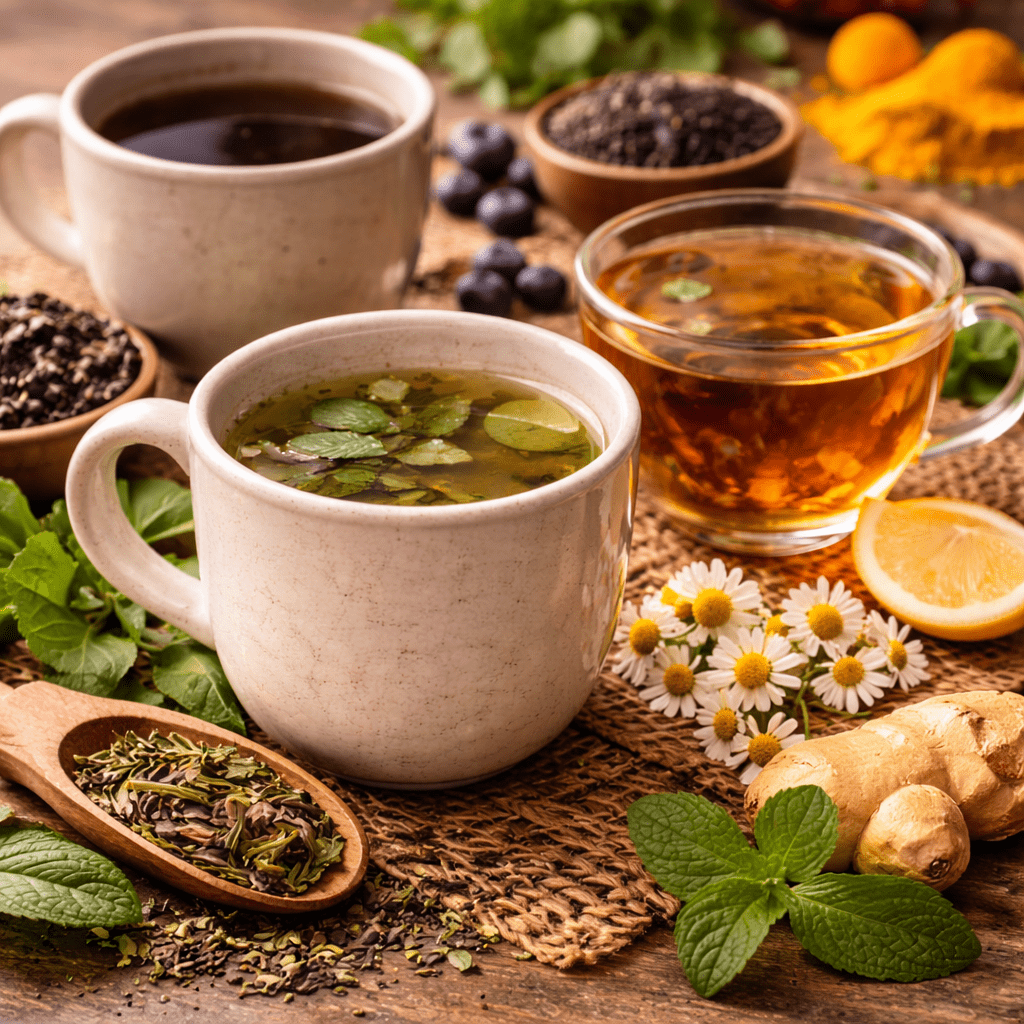
Not all teas are exactly the same. The health properties of tea can vary depending on how the leaves are processed.
All traditional teas come from the same plant:
Camellia sinensis
However, the processing method determines the type of tea.
Green Tea
Green tea is minimally oxidized, which allows it to retain high levels of natural antioxidants.
Because of this, green tea is often associated with:
cell protection
metabolic support
clean refreshing flavor
Green tea is one of the most widely studied teas in scientific research.
White Tea
White tea is the least processed form of tea.
It is made from young tea buds and delicate leaves.
White tea tends to contain lower caffeine levels and a very gentle flavor profile.
Many people enjoy white tea for its light taste and smooth character.
Oolong Tea
Oolong tea is partially oxidized and sits between green tea and black tea in terms of processing.
Its flavor is often complex and aromatic.
Some people associate oolong tea with digestive support and balanced energy.
Black Tea
Black tea is fully oxidized and generally contains more caffeine than other tea types.
It has a stronger flavor and is commonly consumed in many parts of the world.
Despite its strength, black tea still contains antioxidants and may provide some of the benefits associated with tea consumption.
Herbal Tea
Herbal teas are technically not true tea because they do not come from the Camellia sinensis plant.
Instead, they are made from herbs, flowers, fruits, or spices.
Popular examples include:
chamomile
peppermint
hibiscus
lavender
Most herbal teas are naturally caffeine-free and are often consumed in the evening.

How Much Tea Is Safe to Drink Daily
Moderation is an important principle when it comes to tea consumption.
Most research suggests that drinking two to five cups of tea per day is generally considered safe for most healthy adults.
However, individual tolerance may vary.
Several factors influence how much tea a person can comfortably drink:
caffeine sensitivity
body weight
sleep patterns
overall diet
People who are sensitive to caffeine may prefer to limit tea consumption later in the day.
Herbal teas can be a good alternative in the evening because they typically contain no caffeine.
Possible Downsides of Drinking Too Much Tea
Although tea is generally safe, excessive consumption may cause some issues.
Excessive Caffeine Intake
Drinking very large amounts of tea can increase caffeine intake.
High caffeine consumption may lead to:
restlessness
sleep disruption
increased heart rate
For most people, moderate tea consumption does not cause these problems.
Iron Absorption
Tea contains compounds called tannins, which may reduce the absorption of iron from certain foods.
This effect is usually small but may be relevant for individuals who already have low iron levels.
One simple solution is to drink tea between meals rather than immediately after eating.
Digestive Sensitivity
Very strong tea may occasionally irritate sensitive stomachs.
Using moderate amounts of tea leaves and avoiding overly long brewing times can help prevent bitterness and digestive discomfort.
Tips for Making Daily Tea Drinking Healthier
If you want to include tea as part of your daily routine, a few simple habits can help maximize its benefits.
Choose high-quality loose leaf tea whenever possible.
Avoid excessive sugar or artificial additives.
Use fresh water when brewing tea.
Allow tea to cool slightly before drinking.
Drink tea slowly and mindfully rather than rushing.
These small habits can turn tea drinking into a calming and enjoyable ritual.
The Cultural Value of Daily Tea
In many cultures, tea drinking is not only about health.
It is also about slowing down and creating moments of reflection.
In China, tea has long been associated with harmony, simplicity, and balance.
The act of brewing tea encourages patience and attentiveness.
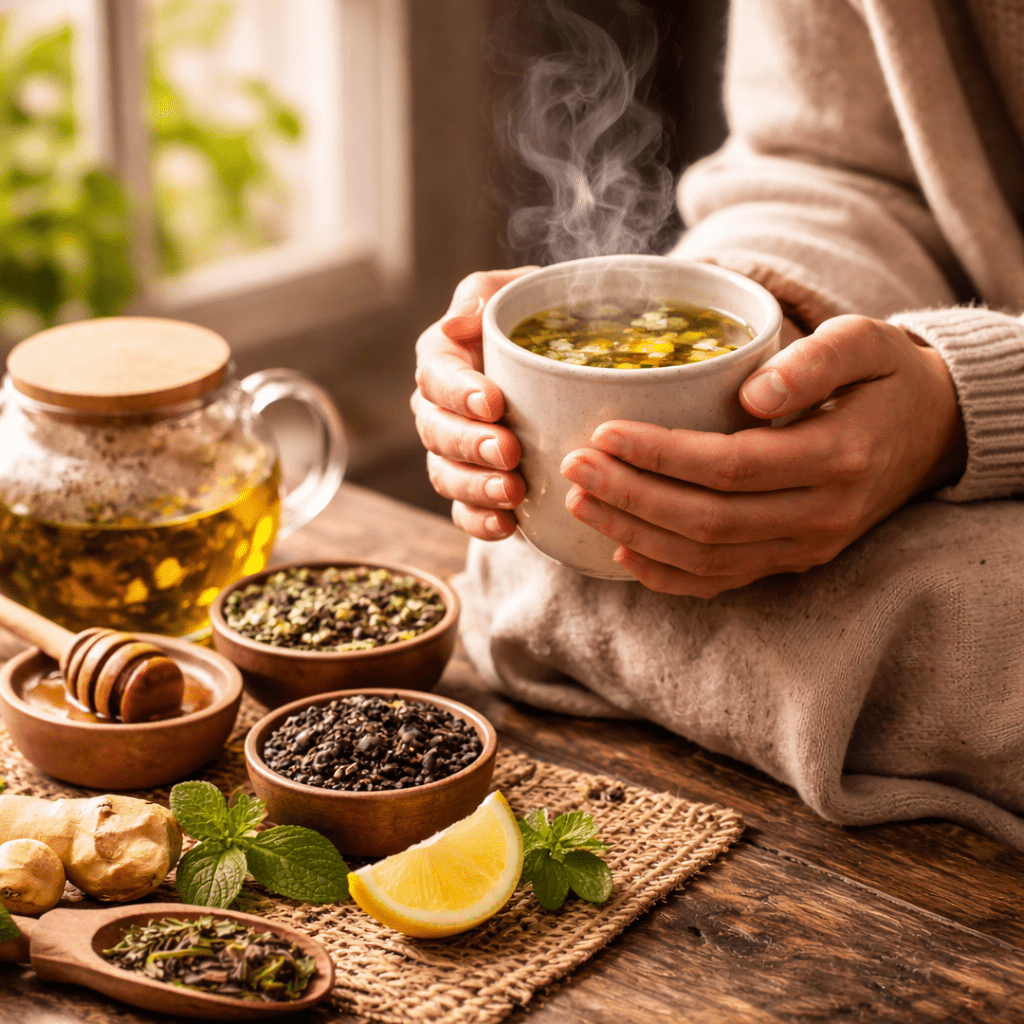
Watching the leaves unfold in hot water reminds people to pause and appreciate small details.
In this way, the benefits of tea are not only physical but also psychological.
Tea drinking can create a sense of calm that is often missing in modern life.
Final Thoughts
Drinking tea every day can be a healthy and enjoyable habit for many people.
Tea provides hydration, natural antioxidants, and a gentle source of energy.
When consumed in moderation, tea may support overall well-being as part of a balanced lifestyle.
The key is choosing quality tea, paying attention to caffeine intake, and drinking tea in a way that promotes relaxation rather than excess.
Perhaps the greatest benefit of tea is not just the nutrients it contains, but the quiet moment it creates in everyday life.
A simple cup of tea can be both a daily comfort and a reminder to slow down.