Best Tea for Weight Loss: 7 Teas That May Support Healthy Metabolism
Many people today are looking for natural ways to support weight management. Alongside balanced nutrition and regular physical activity, certain beverages may play a supportive role in maintaining a healthy metabolism.
Tea is one of the most popular drinks associated with wellness and weight control. For centuries, people have consumed tea not only for its flavor but also for its potential health benefits.
In traditional Chinese culture, tea has often been consumed after meals to promote digestion and balance. In modern wellness discussions, tea is frequently mentioned as a gentle beverage that may support metabolism and help people maintain a healthy lifestyle.
However, it is important to understand that tea alone does not cause weight loss. No beverage can replace proper diet and exercise. Instead, tea may act as a supportive habit that fits within a healthy daily routine.
Certain types of tea contain natural plant compounds that may support metabolism, digestion, and hydration. Because tea is generally low in calories and rich in antioxidants, it can be a healthier alternative to sugary drinks.
In this guide, we will explore which teas are commonly associated with weight management and how they may support a balanced lifestyle.

Why Tea Is Often Linked to Weight Management
Tea is frequently associated with weight control for several reasons.
First, tea contains natural compounds known as polyphenols, which have been studied for their potential effects on metabolism.
Second, tea can help replace high-calorie beverages such as soda, sweetened coffee drinks, or sugary juices. Simply choosing tea instead of these drinks can significantly reduce daily calorie intake.
Third, drinking tea encourages hydration. Proper hydration is essential for many bodily functions, including digestion and metabolism.
Finally, tea drinking often encourages mindfulness. Preparing and drinking tea slowly can help people become more aware of their eating habits and daily routines.
For these reasons, tea is often included in wellness programs focused on balanced living rather than quick weight loss.
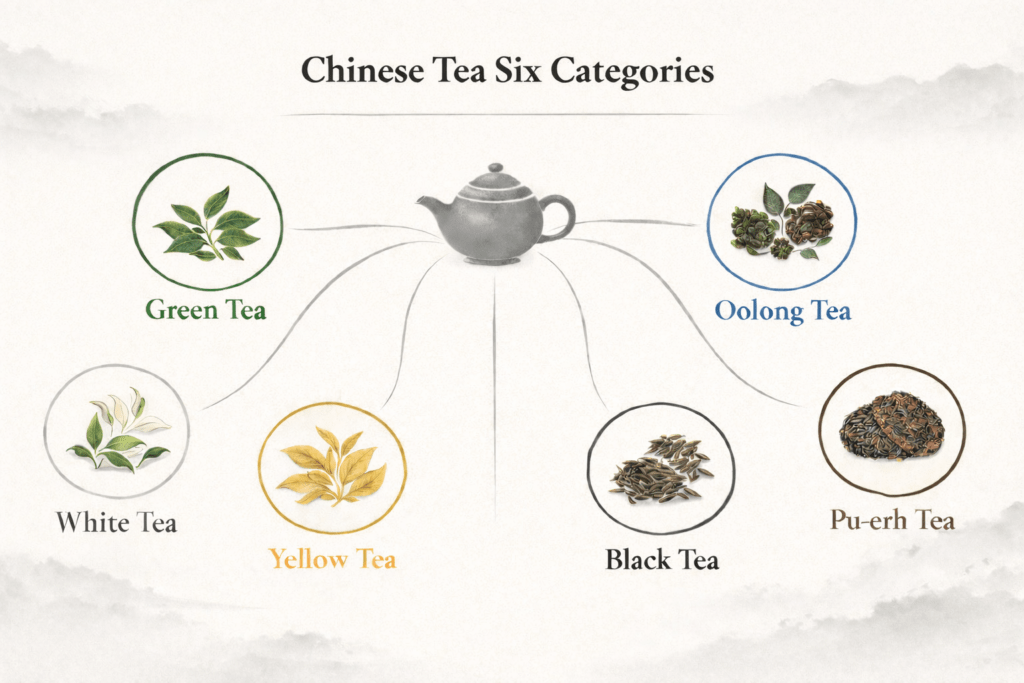
Green Tea
Green tea is one of the most widely studied teas in relation to metabolism and weight management.
Green tea contains a group of antioxidants known as catechins, particularly one called EGCG (epigallocatechin gallate).
These compounds have been researched for their potential role in supporting metabolic activity.
Some studies suggest that green tea may help increase fat oxidation during physical activity. Because of this, green tea is often included in weight management discussions.
Green tea also contains moderate caffeine, which may contribute to mild stimulation and increased alertness.
However, the effect of green tea on weight loss is generally modest. Its greatest value may come from replacing sugary beverages while providing antioxidants.
Oolong Tea
Oolong tea is partially oxidized and offers a flavor profile between green tea and black tea.
In traditional Chinese tea culture, oolong tea is often consumed after meals. Many tea drinkers believe it helps reduce the feeling of heaviness after eating.
Some studies suggest that oolong tea may help support fat metabolism. Because of this, oolong tea is sometimes recommended as part of a balanced diet.
Oolong tea also has a complex aroma and is commonly brewed multiple times using the gongfu brewing method.
This slow brewing process encourages mindful tea drinking, which may help people become more aware of their eating habits.

Pu-erh Tea
Pu-erh tea is a fermented tea that has a long history in Chinese tea culture.
It is often consumed after rich or heavy meals.
Many people believe pu-erh tea helps balance digestion and reduce the feeling of fullness.
Because pu-erh tea undergoes fermentation, it contains unique microbial compounds that give it a distinctive flavor and aroma.
Some research has explored the possible relationship between pu-erh tea and lipid metabolism.
Although more research is needed, pu-erh tea remains popular among tea drinkers who enjoy it after meals.
Black Tea
Black tea is fully oxidized and has a stronger flavor compared with green tea.
It contains compounds known as theaflavins and thearubigins, which contribute to its color and taste.
Some studies suggest that these compounds may play a role in metabolism and gut health.
Black tea also contains caffeine, which can provide a moderate boost in energy.
Because black tea is often consumed without sugar in many cultures, it can serve as a low-calorie beverage option for people trying to reduce sugary drinks.
White Tea
White tea is the least processed type of tea made from the Camellia sinensis plant.
It is made from young buds and leaves and has a delicate flavor.
White tea contains antioxidants similar to those found in green tea but usually with slightly lower caffeine levels.
Because of its light taste and gentle character, white tea can be enjoyed throughout the day as a refreshing beverage.
Replacing sugary drinks with white tea may support healthier beverage choices.

Ginger Tea
Although ginger tea is technically an herbal infusion rather than true tea, it is often included in discussions about metabolism and digestion.
Ginger has been used for centuries in traditional medicine.
It is commonly associated with digestive comfort and may help reduce nausea or stomach discomfort.
Because digestion and metabolism are closely related, ginger tea is sometimes consumed as part of wellness routines focused on digestive balance.
Ginger tea also has a warming flavor that many people enjoy, especially in cooler seasons.
Peppermint Tea
Peppermint tea is another herbal tea often associated with digestive comfort.
While peppermint tea is not known for directly increasing metabolism, it may support relaxation and digestion after meals.
Because it is naturally caffeine-free, peppermint tea is often consumed in the evening.
Drinking peppermint tea instead of sweet desserts or sugary beverages may help reduce unnecessary calorie intake.

How Tea Fits Into a Healthy Weight Management Plan
It is important to remember that tea should not be viewed as a quick solution for weight loss.
Healthy weight management typically involves several factors:
balanced nutrition
regular physical activity
adequate sleep
stress management
consistent hydration
Tea can support this lifestyle by offering a low-calorie beverage option that replaces sugary drinks.
Drinking tea throughout the day may also encourage mindful habits that support overall wellness.
Tips for Drinking Tea for Weight Management
If you want to include tea in a healthy routine, a few simple habits can help.
Choose unsweetened tea whenever possible.
Avoid adding excessive sugar or syrup.
Drink tea between meals rather than immediately before bedtime if caffeine is present.
Use high-quality tea leaves to enjoy the natural flavor.
Drink tea slowly and mindfully.
These small habits help make tea part of a balanced lifestyle rather than a temporary diet trend.
The Cultural Perspective on Tea and Balance
In traditional Chinese philosophy, tea has often been associated with balance and moderation.
Tea drinking encourages patience and reflection.
Rather than rushing through meals or drinks, tea invites people to slow down.
This slower rhythm may indirectly support healthier habits.
By creating small moments of calm throughout the day, tea can help people maintain a more balanced lifestyle.
Final Thoughts
Tea is not a miracle solution for weight loss, but it can be a valuable part of a healthy daily routine.
Certain teas such as green tea, oolong tea, and pu-erh tea are commonly associated with metabolism and digestion.
Herbal teas like ginger and peppermint may support digestive comfort and relaxation.
When combined with balanced nutrition and regular physical activity, tea can help support long-term wellness.
Perhaps the greatest benefit of tea is not rapid weight loss, but the simple habit of choosing a natural beverage that encourages balance, mindfulness, and healthier daily choices.