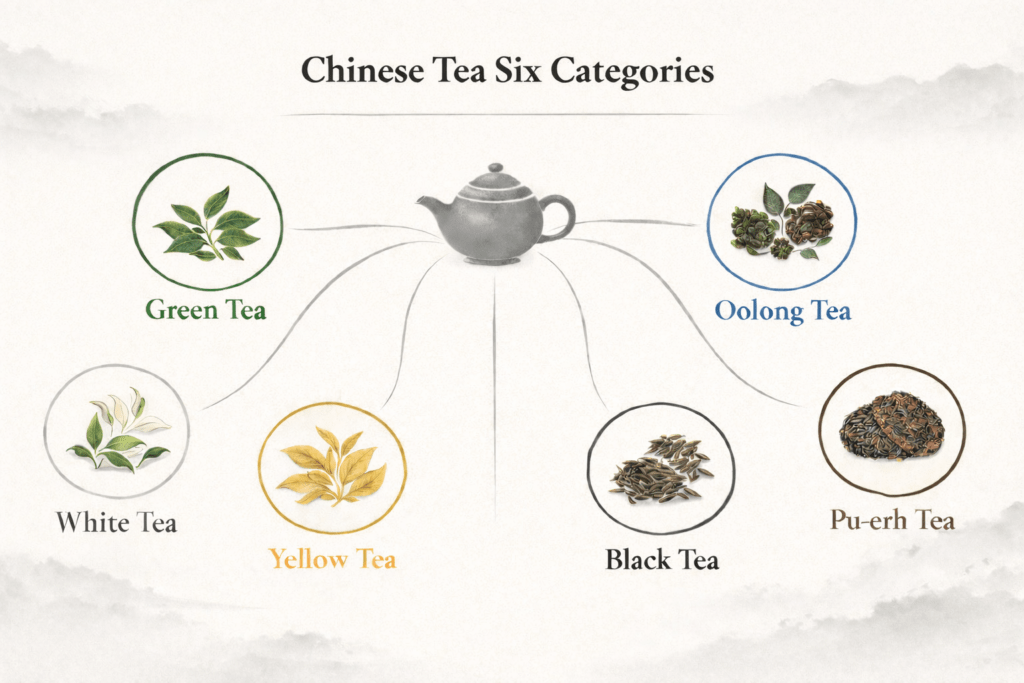
For centuries, tea has been valued not only for its taste but also for its role in supporting overall health. In many traditional cultures, tea was considered a daily ritual that helped maintain balance within the body.
Today, modern research continues to explore how the compounds found in tea may contribute to wellness. Many teas contain antioxidants, polyphenols, vitamins, and plant compounds that support the body’s natural defense systems.
The immune system is responsible for protecting the body against harmful bacteria, viruses, and other environmental threats. Maintaining a strong immune response involves a combination of healthy habits, including good nutrition, adequate sleep, physical activity, and stress management.
Tea can be a simple and enjoyable part of this lifestyle.
In this guide, we will explore:
- how tea may support immune health
- the natural compounds in tea that benefit the body
- the best teas traditionally associated with immune support
- when to drink tea for wellness
- how to prepare tea for maximum benefit
By understanding the unique properties of different teas, you can incorporate them into your daily routine as part of a balanced and healthy lifestyle.

How Tea May Support the Immune System
Tea contains a variety of natural plant compounds that may support immune function.
Some of the most important include:
Polyphenols
Polyphenols are natural antioxidants found in many plants, including tea leaves. They help protect cells from oxidative stress caused by free radicals.
Green tea, in particular, is rich in catechins, a powerful group of polyphenols studied for their potential health benefits.
Flavonoids
Flavonoids are another group of antioxidants found in tea. These compounds may support overall health and contribute to immune resilience.
Vitamins and Minerals
Some teas contain small amounts of vitamins such as vitamin C, as well as minerals that support general health.
Hydration
One of the simplest benefits of tea is hydration. Staying well hydrated helps support the body’s natural processes, including immune function.
While tea is not a cure or medicine, it can play a supportive role within a healthy lifestyle.
7 Teas Traditionally Associated With Immune Support
Different teas contain different plant compounds, and many have long been used in traditional wellness practices.
Here are some of the most commonly recommended teas for immune support.
1. Green Tea
Green tea is one of the most researched teas in relation to health.
It contains high levels of catechins, particularly EGCG (epigallocatechin gallate), which has been widely studied for its antioxidant properties.
Green tea is also relatively low in caffeine compared to coffee, making it suitable for daily consumption.
Many people enjoy green tea throughout the day as a refreshing and gentle wellness beverage.
2. Ginger Tea
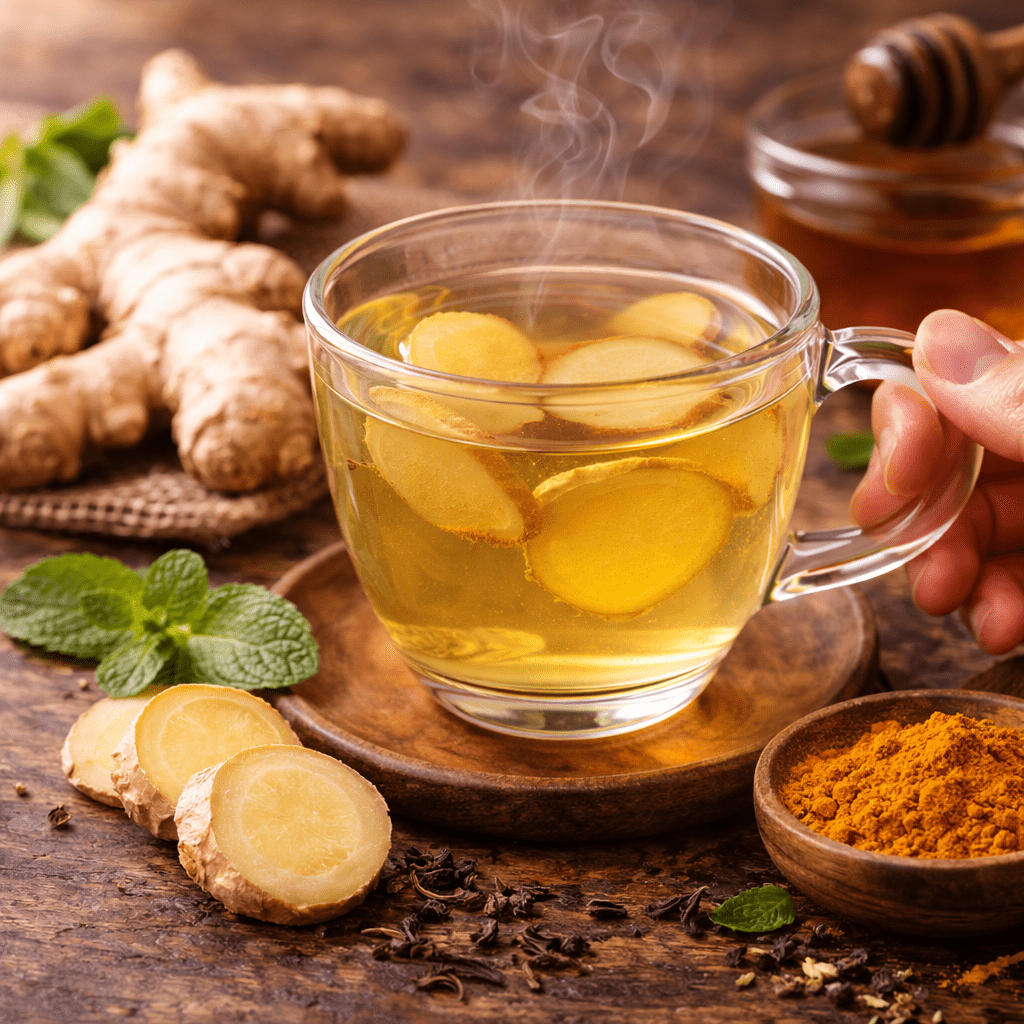
Ginger has been used for thousands of years in traditional medicine.
Ginger tea is commonly consumed to support digestion and circulation, but it is also valued for its warming properties.
The natural compounds in ginger, including gingerol, may help support overall wellness.
Because ginger tea is naturally caffeine-free, it can be enjoyed at any time of day.
3. Turmeric Tea
Turmeric contains curcumin, a compound widely studied for its antioxidant and anti-inflammatory properties.
Turmeric tea is often prepared with additional ingredients such as black pepper or ginger to enhance flavor and absorption.
Its warm, earthy taste makes it a comforting drink during colder seasons.
4. Chamomile Tea
Chamomile tea is widely known for its calming and relaxing qualities.
Good sleep is essential for immune health, and chamomile tea may help support restful sleep.
Because it is caffeine-free, chamomile tea is commonly consumed in the evening.

5. Peppermint Tea
Peppermint tea has a refreshing aroma and cooling flavor.
Traditionally, peppermint tea has been used to support digestion and respiratory comfort.
The menthol compounds in peppermint may help promote a sense of clear breathing and relaxation.
6. Pu-erh Tea
Pu-erh tea is a fermented tea from Yunnan Province in China.
It contains unique microbial compounds formed during fermentation.
Pu-erh tea is often consumed after meals and is traditionally associated with digestive health.
Some people enjoy its deep, earthy flavor as part of a daily tea routine.
7. Lemon Tea
Lemon tea combines the benefits of tea with vitamin C from fresh lemon.
Vitamin C is an important nutrient associated with immune health.
Adding lemon to green or black tea can enhance both flavor and nutritional value.
When Is the Best Time to Drink Tea for Immunity
Tea can be enjoyed at different times of the day depending on your goals.
Morning
Green tea or ginger tea can help gently energize the body.
Afternoon
Oolong or herbal teas provide hydration and relaxation.
Evening
Chamomile or peppermint tea can support relaxation and sleep.
Drinking tea consistently is often more beneficial than consuming it occasionally.
How to Brew Tea for Maximum Benefits
The way tea is prepared can influence both its taste and its beneficial compounds.
Here are some general brewing tips.
Green tea
80°C water
1–2 minutes steeping
Black tea
90–95°C water
2–3 minutes steeping
Herbal tea
95–100°C water
5 minutes or longer
Using high-quality loose leaf tea can also improve flavor and aroma.

Healthy Habits That Support Immunity
While tea can contribute to wellness, immune health depends on a combination of habits.
These include:
balanced nutrition
regular physical activity
adequate sleep
stress management
hydration
Tea can be a calming daily ritual that complements these healthy practices.
Final Thoughts
Tea has been part of traditional wellness practices for thousands of years.
Although it is not a medical treatment, many teas contain natural plant compounds that support overall health and hydration.
From green tea rich in antioxidants to soothing herbal teas like chamomile and peppermint, different teas offer different benefits.
Incorporating tea into your daily routine can be a simple way to support both physical well-being and mental relaxation.
A warm cup of tea may not solve every health challenge, but it can become a meaningful daily habit that promotes balance and mindfulness.