Tea has been valued for centuries not only as a comforting beverage but also as a natural source of wellness. In recent years, interest in the relationship between diet and skin health has grown significantly. Many people are now asking whether simple daily habits—such as drinking tea—can support healthy, glowing skin.
Modern research suggests that certain compounds found in tea may help protect the skin from environmental stress, support hydration, and contribute to overall skin health.
While tea is not a miracle cure for skin problems, it contains natural plant compounds that may support the body in ways that benefit the skin over time.
In this guide, we will explore:
- how tea affects skin health
- the role of antioxidants in skin protection
- the best teas associated with healthy skin
- how tea supports hydration and circulation
- ways to include tea in a skin-friendly lifestyle
By understanding the connection between tea and skin health, you can make more informed choices about how this ancient beverage fits into a modern wellness routine.
Why Skin Health Is Influenced by Diet
The skin is the largest organ of the human body. It acts as a protective barrier between the body and the outside environment.
Healthy skin depends on many factors, including:
- nutrition
- hydration
- circulation
- sleep
- protection from environmental damage
One of the most important threats to skin health is oxidative stress.
Oxidative stress occurs when unstable molecules known as free radicals damage cells. These molecules are produced by factors such as pollution, UV radiation, and normal metabolic processes.
Over time, oxidative stress may contribute to:
- premature skin aging
- wrinkles
- loss of elasticity
- dull skin tone
This is where antioxidant-rich foods and beverages—including tea—may play a role.
Antioxidants in Tea and Skin Protection
Tea is rich in plant compounds called polyphenols, which act as antioxidants.
Antioxidants help neutralize free radicals and reduce oxidative stress in the body.
Several types of antioxidants found in tea include:
- catechins
- flavonoids
- theaflavins
These compounds have been widely studied for their potential health benefits.
When consumed regularly as part of a balanced diet, antioxidant-rich beverages like tea may support the body’s natural ability to protect cells from damage.
Because skin cells are particularly exposed to environmental stress, antioxidant intake may indirectly support healthier skin over time.
Green Tea and Skin Health
Green tea is perhaps the most studied tea when it comes to skin health.
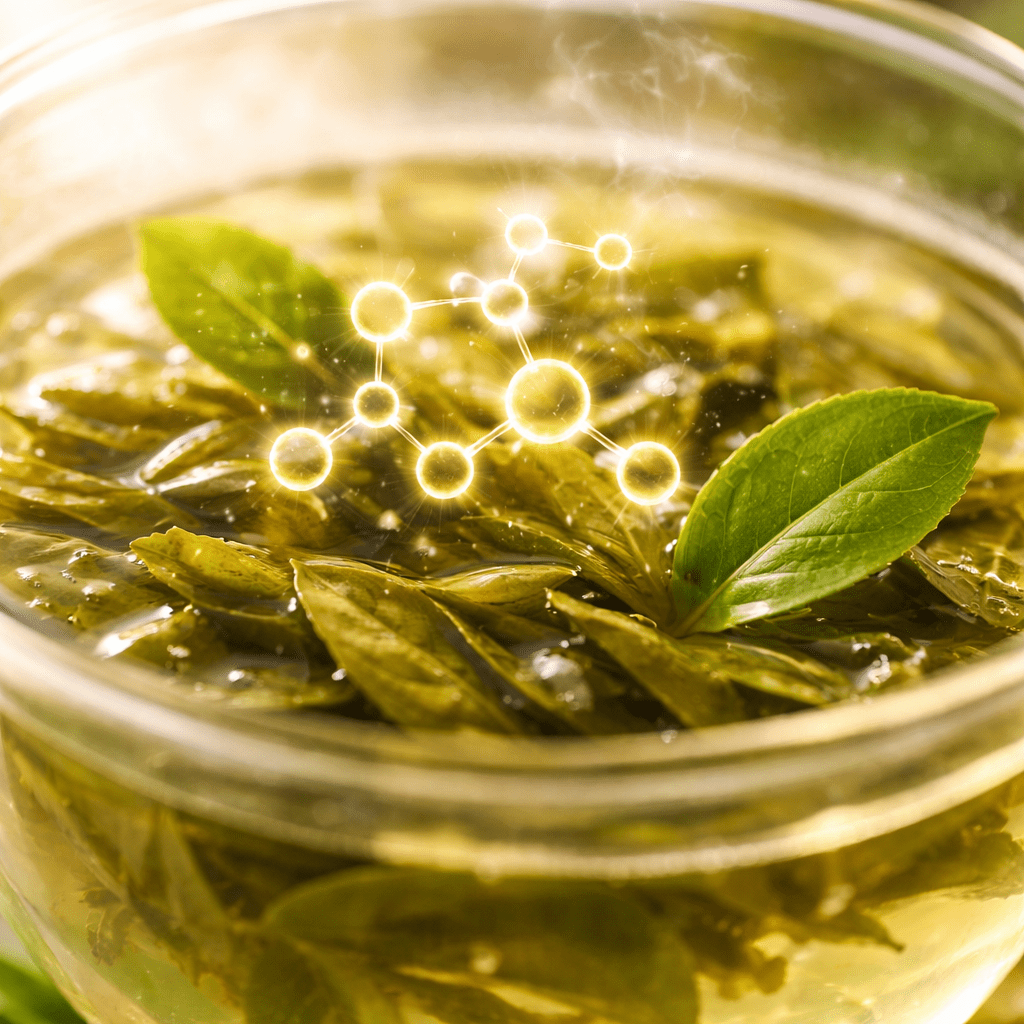
It contains high levels of catechins, particularly a compound known as EGCG (epigallocatechin gallate).
Research has explored several potential ways green tea may support skin health.
These include:
- supporting antioxidant protection
- helping reduce inflammation
- supporting skin elasticity
- helping protect against environmental stress
Green tea is also associated with improved circulation, which may help deliver nutrients and oxygen to skin cells.
Because of its light flavor and refreshing taste, green tea is one of the easiest teas to incorporate into a daily routine.
White Tea and Skin Aging
White tea is the least processed of the traditional teas.
Because of its minimal processing, it retains a high concentration of natural antioxidants.
Some studies suggest that white tea may help protect structural proteins in the skin, including collagen and elastin.
These proteins help maintain skin firmness and elasticity.
While more research is still needed, white tea is often associated with gentle antioxidant protection.
Its delicate flavor also makes it a pleasant beverage for daily hydration.
Oolong Tea and Skin Balance
Oolong tea sits between green tea and black tea in terms of oxidation.
Its polyphenol profile is complex and may support metabolic and anti-inflammatory processes.
Some research has explored the relationship between oolong tea consumption and skin conditions related to inflammation.
While tea alone cannot treat skin conditions, many people report improvements in overall skin balance when incorporating antioxidant-rich beverages into their diet.
Oolong tea also has a rich aroma and complex flavor, making it enjoyable for slow, mindful tea drinking.
Hydration and Skin Health
One of the simplest ways tea may support skin health is through hydration.
Proper hydration is essential for maintaining skin elasticity and overall appearance.
Drinking tea contributes to daily fluid intake and may help maintain moisture balance in the body.
Although tea contains caffeine in some varieties, moderate tea consumption still contributes to hydration.
Replacing sugary beverages with tea may also support overall health and skin wellness.
Herbal Teas and Skin Wellness
In addition to traditional tea, many herbal infusions are associated with skin-supporting properties.
Examples include:
Chamomile tea
Often associated with soothing properties and relaxation.
Rooibos tea
Rich in antioxidants and naturally caffeine-free.
Hibiscus tea
Contains vitamin C and plant antioxidants.
These herbal teas are often included in wellness routines because they are gentle, flavorful, and hydrating.
Tea and the Skin-Gut Connection
An emerging area of research is the relationship between gut health and skin health.
The gut microbiome influences many aspects of the immune system and inflammation levels within the body.
Because tea polyphenols interact with gut bacteria, some researchers believe tea may indirectly support skin health through the gut-skin axis.
Although this area of research is still developing, it highlights the complex ways diet can influence overall wellness.
How to Include Tea in a Skin-Friendly Lifestyle
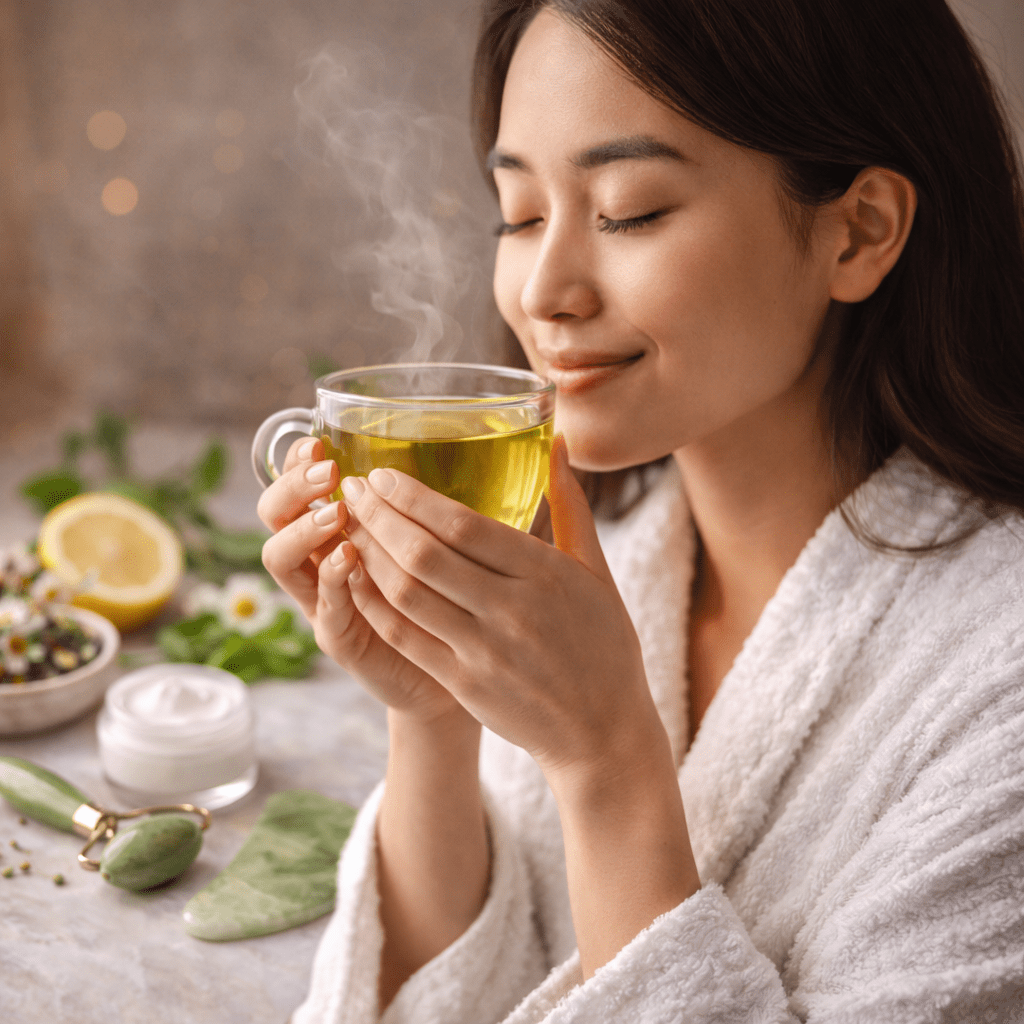
Drinking tea can be a simple and enjoyable addition to a healthy routine.
Some helpful habits include:
Drink tea regularly rather than occasionally.
Choose high-quality loose leaf tea when possible.
Avoid adding excessive sugar.
Combine tea consumption with a balanced diet rich in fruits and vegetables.
Maintain good hydration and sleep habits.
Tea works best when combined with other healthy lifestyle practices.
Final Thoughts
Tea has been appreciated for centuries as a natural beverage that supports relaxation and wellness.
Modern research suggests that the antioxidant compounds found in tea may also contribute to skin health by helping protect cells from oxidative stress and supporting overall balance in the body.
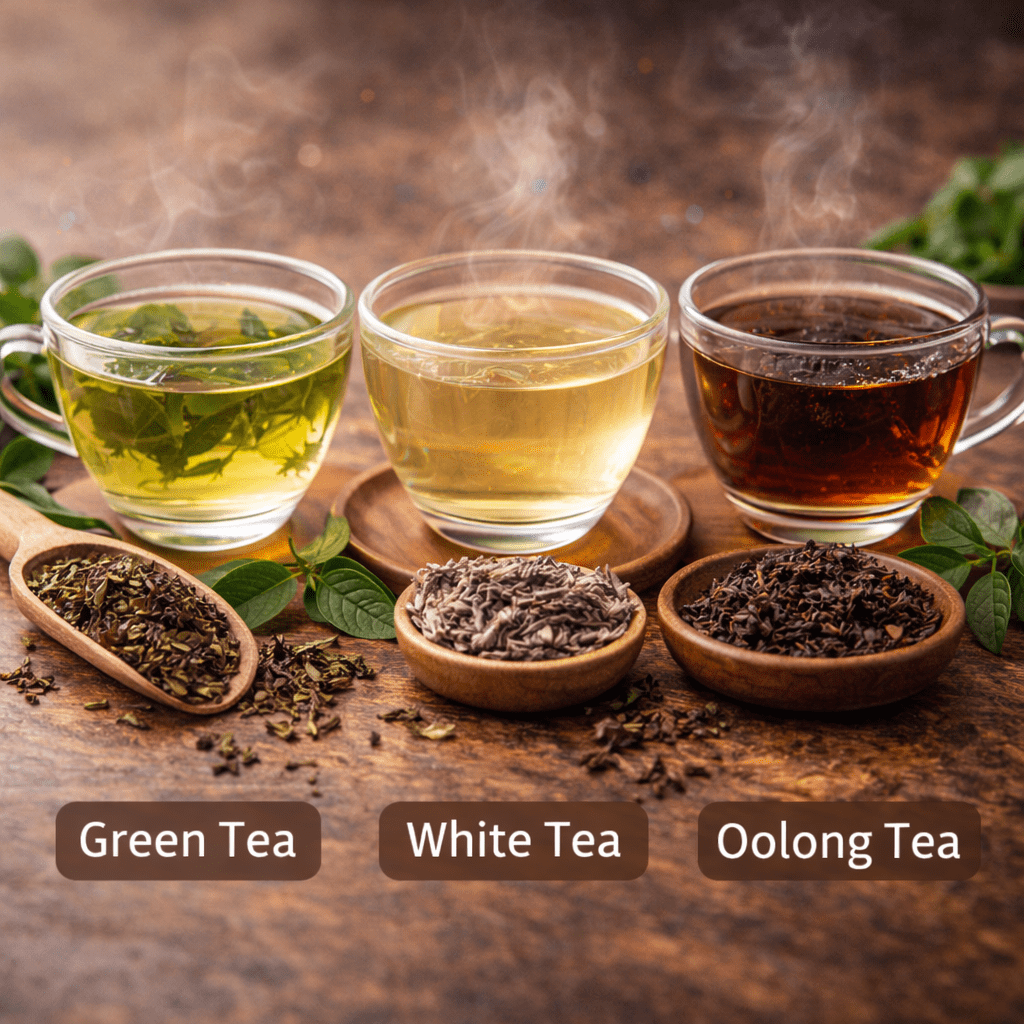
Green tea, white tea, and oolong tea all contain beneficial plant compounds that may play a role in long-term skin wellness.
Although tea alone cannot replace proper skincare or medical treatment, it can be a simple daily habit that supports overall health—including the health of your skin.
In the end, the connection between tea and skin health reflects a broader principle: small, consistent habits often have the greatest long-term impact on well-being.