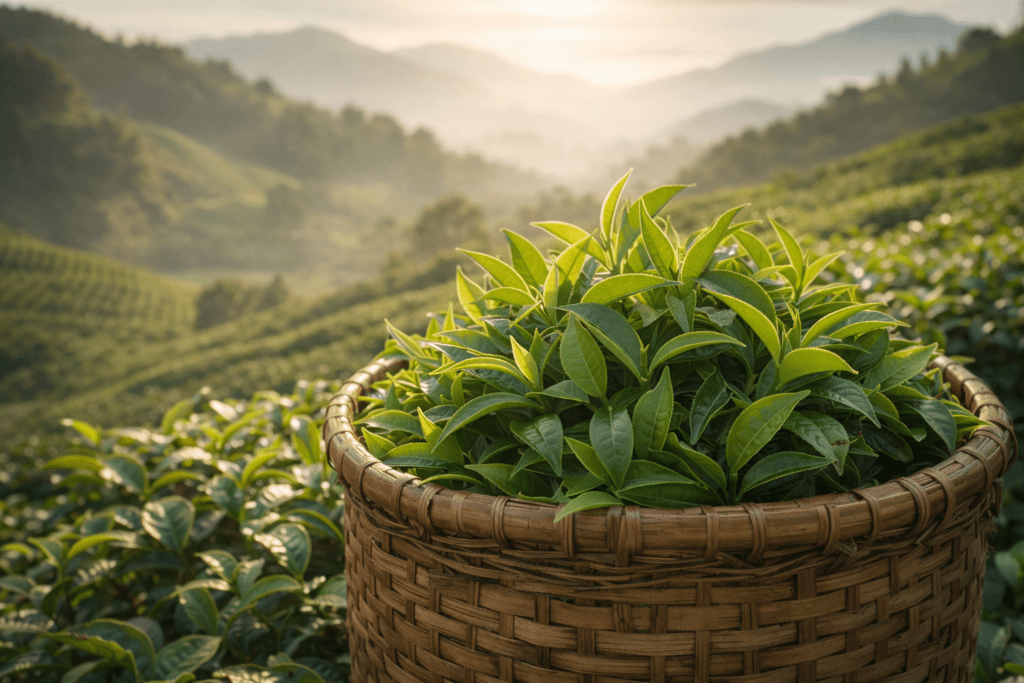
Tea is one of the most widely consumed beverages in the world. Every day, millions of people enjoy tea for its flavor, aroma, and calming ritual. Yet many tea drinkers rarely stop to consider how tea is actually made.
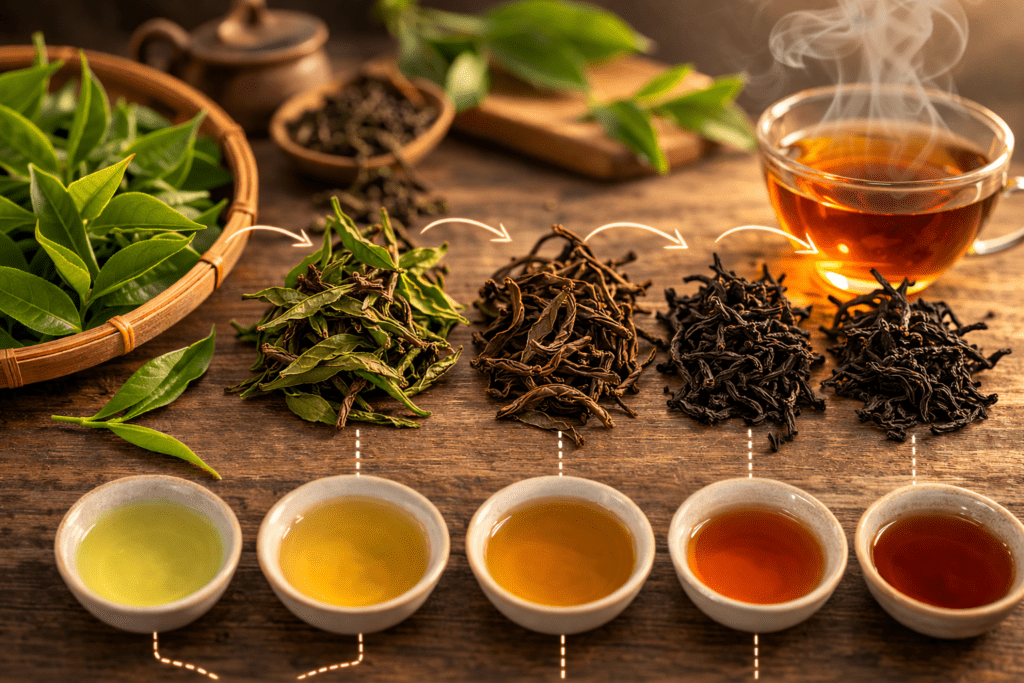
All traditional teas—green tea, white tea, oolong tea, black tea, yellow tea, and dark tea—come from the same plant: Camellia sinensis. What makes each tea unique is not the plant itself, but the way the leaves are processed after harvesting.
From the moment tea leaves are picked to the time they are brewed in a cup, they pass through several carefully controlled stages. These stages influence the flavor, aroma, color, and chemical composition of the final tea.
In this guide, we will explore:
- where tea comes from
- how tea leaves are harvested
- the main steps of tea processing
- how different processing methods create different tea types
- why processing is essential to tea flavor
By understanding how tea is made, you can develop a deeper appreciation for the craftsmanship behind every cup.
The Tea Plant: Camellia Sinensis
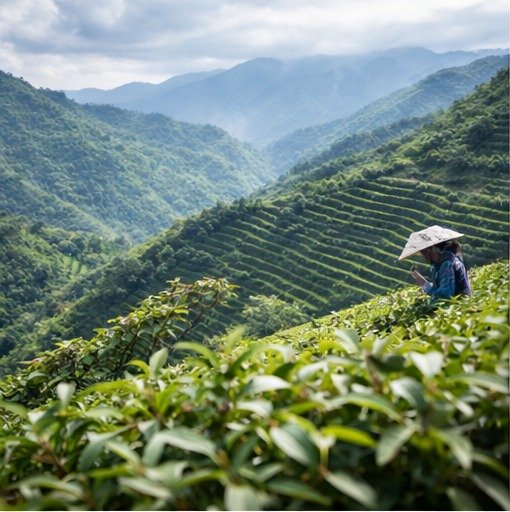
All traditional tea begins with the same plant species: Camellia sinensis.
This evergreen shrub grows best in regions with:
- warm temperatures
- high humidity
- abundant rainfall
- mountainous terrain
The most famous tea-producing regions include:
- China
- Japan
- India
- Sri Lanka
- Taiwan
Tea plants can grow into small trees, but on tea farms they are usually pruned into low bushes. This allows farmers to harvest the leaves more easily and encourages new growth.
The most valuable tea leaves are usually the young buds and the first two leaves. These tender leaves contain the highest concentration of aromatic compounds and natural chemicals that influence tea flavor.
Harvesting Tea Leaves
Tea harvesting is one of the most important stages in tea production.
The timing of the harvest can significantly affect the quality of the tea.
Most high-quality teas are harvested during specific seasons:
Spring harvest
The most prized teas are usually harvested in early spring. The leaves are tender, fresh, and rich in aroma.
Summer harvest
Leaves grow more quickly in warm weather but often have stronger, more robust flavors.
Autumn harvest
Some teas develop deeper and smoother flavors during autumn harvests.
Tea leaves are traditionally picked by hand. Skilled tea pickers carefully select only the youngest leaves and buds, ensuring consistent quality.
In large commercial tea farms, mechanical harvesting may also be used, but hand-picking remains the preferred method for premium teas.
The Five Main Steps of Tea Processing
After the leaves are harvested, they begin a transformation that determines the final style of tea.
Although processing methods vary across tea types, most teas go through several core stages:
- withering
- oxidation
- fixation
- rolling
- drying
Each step affects the chemical reactions inside the leaf.
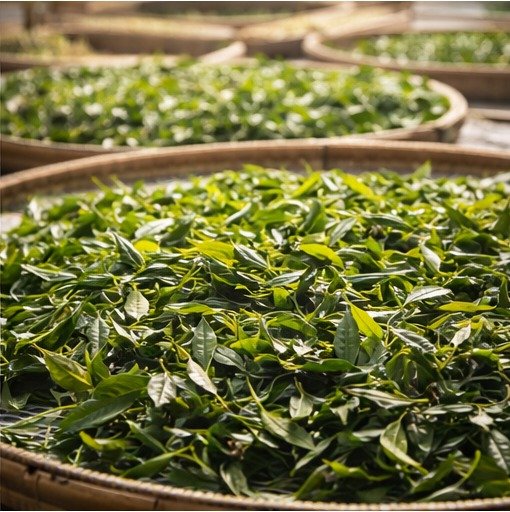
Step 1: Withering
Withering is usually the first step after harvesting.
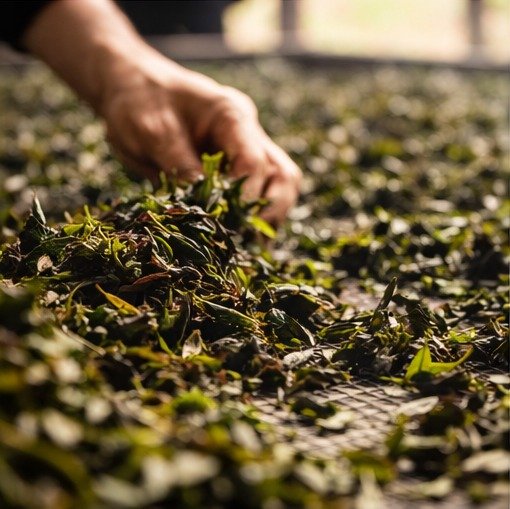
Fresh tea leaves contain a high amount of moisture—often around 70 to 80 percent water. During withering, the leaves are spread out on trays or bamboo mats to lose some of this moisture.
This process may last several hours.
Withering softens the leaves and makes them more flexible for further processing. It also begins the development of aroma compounds inside the leaf.
For some teas, such as white tea, withering is the primary processing step.
Step 2: Oxidation
Oxidation is one of the most important chemical processes in tea production.
When tea leaves are bruised or rolled, enzymes inside the leaf react with oxygen in the air. This reaction causes the leaves to darken and changes their flavor.
The level of oxidation determines the type of tea produced.
Green tea
Minimal oxidation
White tea
Very light oxidation
Oolong tea
Partial oxidation
Black tea
Full oxidation
This process creates new flavor compounds that contribute to the complex aromas found in tea.
Step 3: Fixation (Stopping Oxidation)
For certain teas, especially green tea, oxidation must be stopped early.
This step is known as fixation.
In Chinese tea production, fixation is often done by heating the leaves in large pans or woks. The heat deactivates the enzymes responsible for oxidation.
This preserves the fresh green color and grassy flavor characteristic of green tea.
Japanese green teas use a slightly different technique. Instead of pan heating, the leaves are usually steamed.
Both methods achieve the same goal: stopping oxidation.
Step 4: Rolling
After fixation or oxidation, the tea leaves are rolled.
Rolling serves several purposes:
- shaping the leaves
- releasing natural oils
- enhancing aroma
- preparing the leaves for drying
Different teas use different rolling techniques.
For example:
Longjing tea is flattened during rolling.
Biluochun tea is tightly curled.
Oolong tea may be rolled into small balls.
These shapes influence how the tea looks and how it releases flavor during brewing.
Step 5: Drying
Drying is the final stage of tea production.
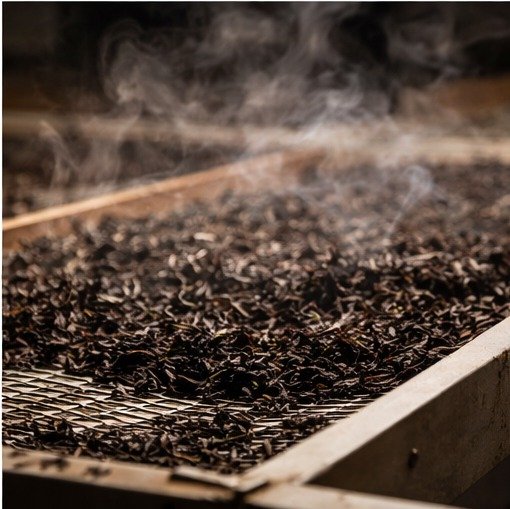
During drying, the remaining moisture in the leaves is removed to stabilize the tea for storage and transport.
This step also helps preserve the tea’s aroma and flavor.
Drying methods may include:
- hot air drying
- pan drying
- charcoal roasting
Once the leaves are fully dried, the tea is ready to be sorted, packaged, and eventually brewed.
How Processing Creates Different Types of Tea
Although all tea comes from the same plant, the processing method determines the final tea type.
Here is a simplified overview.
Green tea
Leaves are heated quickly to prevent oxidation.
White tea
Leaves are lightly withered and dried with minimal processing.
Oolong tea
Leaves undergo partial oxidation before drying.
Black tea
Leaves are fully oxidized, producing darker color and stronger flavor.
Pu-erh tea
Leaves are fermented and aged over time.
Each style of tea reflects a different balance of oxidation, drying, and craftsmanship.
Why Tea Processing Matters
Tea processing is both a science and an art.
Even small differences in processing can dramatically change the final tea.
Factors that influence tea flavor include:
- leaf quality
- harvest season
- oxidation level
- drying method
- regional climate
Master tea makers rely on years of experience to control these variables and produce consistent, high-quality tea.
This craftsmanship is part of what makes traditional tea culture so rich and fascinating.
Final Thoughts
The journey of tea—from a fresh leaf on a mountain hillside to a warm cup on your table—is a remarkable transformation.
Through careful harvesting and precise processing techniques, tea producers shape the flavor, aroma, and character of every tea.
Understanding how tea is made not only deepens appreciation for the beverage itself, but also reveals the centuries of knowledge and craftsmanship behind each cup.
The next time you brew tea, take a moment to consider the long journey those leaves have taken—from the tea garden to your cup.