Introduction
Yellow tea is one of the rarest and least understood types of Chinese tea. While most people around the world are familiar with green tea, black tea, or oolong tea, yellow tea remains relatively unknown even among tea enthusiasts.
Despite this, yellow tea holds an important place in Chinese tea culture. Historically associated with imperial tribute teas, yellow tea represents a refined and delicate tradition that dates back centuries.
What makes yellow tea unique is its special production process known as “sealed yellowing”, a slow transformation that softens the grassy flavors typically found in green tea and creates a smoother, rounder taste.
In this guide, we will explore:
- What yellow tea is
- How it is made
- The history behind this rare tea
- Famous varieties of yellow tea
- Its taste profile and health benefits
- How to brew yellow tea correctly
By the end of this article, you will have a clear understanding of why yellow tea is considered one of the most refined teas in the world.
What Is Yellow Tea?
Yellow tea is a lightly oxidized Chinese tea that sits somewhere between green tea and oolong tea in terms of processing.
However, the most important difference lies in a unique step called “menhuang”, often translated as sealed yellowing.
During this stage, freshly processed tea leaves are gently wrapped and allowed to rest in a warm, slightly humid environment. This process slowly transforms the chemical composition of the leaves.
As a result:
- Harsh grassy notes soften
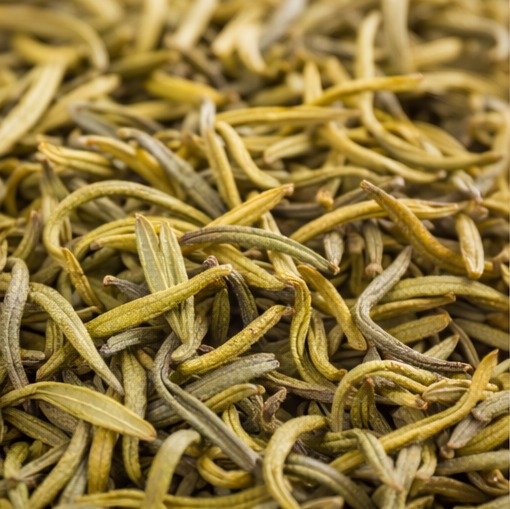
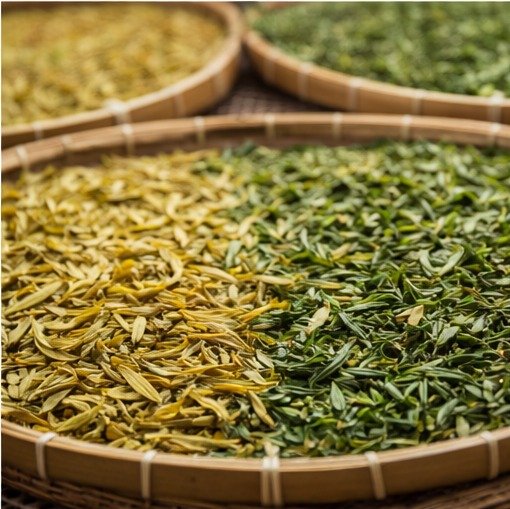
- The color shifts slightly from green to yellow
- The flavor becomes smoother and sweeter
Because of this subtle transformation, yellow tea is often described as a refined version of green tea with a mellower character.
Today, yellow tea represents only a very small portion of global tea production. Many traditional yellow teas are produced in limited quantities and remain relatively rare outside China.
The Unique Processing of Yellow Tea
The production of yellow tea is similar to green tea at first, but diverges during the crucial yellowing stage.
Traditional yellow tea processing generally involves the following steps:
1. Picking
High-quality yellow tea begins with carefully selected young tea buds or tender leaves.
Many famous yellow teas use only single buds or early spring leaves, which contribute to the delicate flavor.
2. Fixing (Kill-Green)
Fresh leaves are heated in a wok or pan to stop enzymatic oxidation. This process, known as shaqing, is also used in green tea production.
The goal is to preserve freshness and prevent the leaves from becoming fully oxidized.
3. Yellowing (Menhuang)
This is the defining step of yellow tea.
The warm leaves are wrapped in cloth or paper and allowed to rest for several hours or sometimes longer. During this time:
- Heat and moisture accumulate
- Chlorophyll slowly breaks down
- The leaves take on a yellowish tone
This process reduces the sharp vegetal flavor found in many green teas.
4. Drying
Finally, the leaves are slowly dried to stabilize their flavor and ensure long-term storage.
The result is a tea that is both delicate and balanced.
Why Yellow Tea Is So Rare
One of the main reasons yellow tea is uncommon is the difficulty of its production.
Unlike green tea, which can be processed relatively quickly, yellow tea requires careful control of temperature, humidity, and timing during the yellowing stage.
Even small mistakes can negatively affect the flavor.
Additionally:
- Production volumes are small
- Many producers specialize in green or oolong tea instead
- Traditional yellow tea methods are labor intensive
Because of these factors, authentic yellow tea remains a specialty product.
Historically, certain yellow teas were even produced exclusively for the imperial court during China’s dynastic periods.
Famous Types of Yellow Tea
Although yellow tea production is limited, several famous varieties have gained recognition over the centuries.
Junshan Yinzhen
Junshan Yinzhen is perhaps the most famous yellow tea.
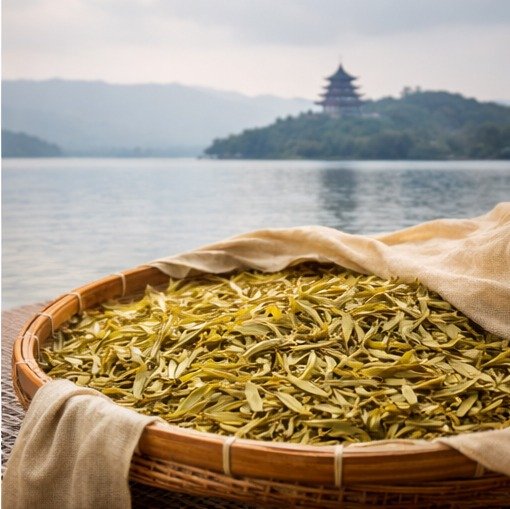
It originates from Junshan Island in Dongting Lake, Hunan province. This tea is made from delicate tea buds and has long been associated with imperial tribute teas.
Its flavor is elegant, sweet, and lightly floral.
Mengding Huangya
Produced in Sichuan province, Mengding Huangya has a long history dating back more than a thousand years.
The leaves are small and tender, producing a bright golden liquor with a smooth, gentle flavor.
Huoshan Huangya
This yellow tea comes from Anhui province and is known for its fresh aroma and balanced taste.
Huoshan Huangya often displays a slightly nutty character with soft vegetal notes.
Flavor Profile of Yellow Tea
The flavor of yellow tea is often described as refined and subtle.
Compared with green tea, it tends to be:
- Less grassy
- Less sharp
- More rounded and smooth
Common tasting notes include:
- Sweet corn
- Honey
- Chestnut
- Soft floral notes
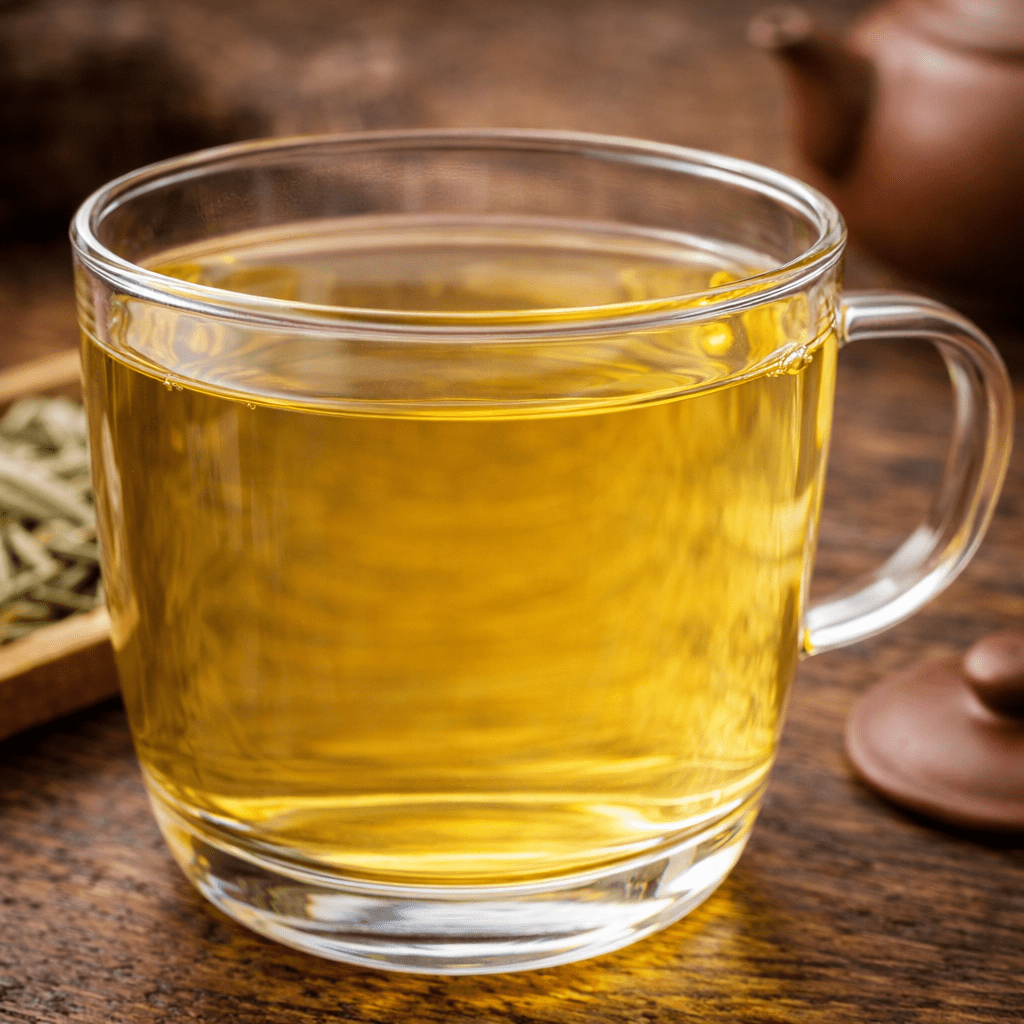
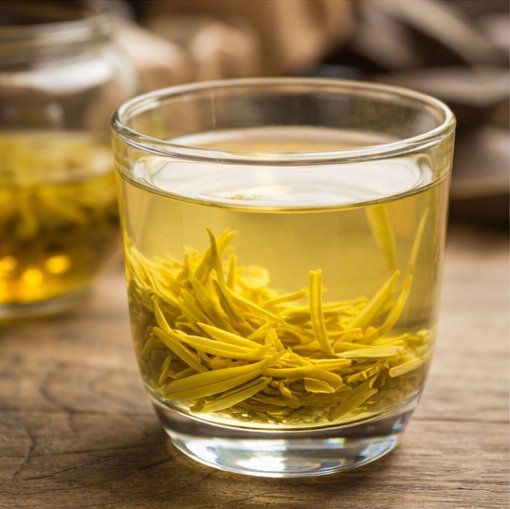
The liquor is typically pale golden or light yellow.
Because yellow tea is delicate, it is best appreciated in a calm setting where its subtle aroma and texture can be fully experienced.
Health Benefits of Yellow Tea
Like other traditional teas made from the Camellia sinensis plant, yellow tea contains a range of natural compounds that may support overall health.
Antioxidants
Yellow tea contains polyphenols, which help protect cells from oxidative stress.
Gentle Caffeine Content
Compared with coffee, yellow tea provides a milder caffeine effect, often resulting in smoother and more sustained energy.
Digestive Support
Many tea drinkers find that light teas such as yellow tea can support digestion after meals.
Mental Clarity
The combination of caffeine and the amino acid L-theanine may help improve focus while promoting relaxation.
Although tea should not be considered medicine, regular tea drinking has long been associated with balanced and mindful lifestyles.
How to Brew Yellow Tea
Because yellow tea is delicate, proper brewing is essential.
Water Temperature
Use water between 80°C and 85°C (176°F – 185°F).
Water that is too hot may damage the subtle aroma.
Tea Quantity
Use approximately:
3 grams of tea for 150–200 ml of water.
Steeping Time
First infusion:
1–2 minutes.
Later infusions can be slightly longer.
Multiple Infusions
High-quality yellow tea can often be brewed three to four times, with each infusion revealing different flavor nuances.
Using glass or porcelain teaware allows you to appreciate the color of the liquor and the elegant shape of the leaves.
Yellow Tea vs Green Tea
Yellow tea is often compared to green tea because their processing methods begin in a similar way.
However, the yellowing stage makes a significant difference.
Green tea usually has:
- brighter vegetal notes
- sharper freshness
Yellow tea tends to have:
- smoother texture
- softer aroma
- sweeter aftertaste
For people who find green tea slightly too grassy, yellow tea can offer a more balanced alternative.
Conclusion
Yellow tea represents one of the most refined traditions in Chinese tea culture. Although it remains relatively rare, its smooth flavor and fascinating processing method make it an important part of the tea world.
From the careful selection of buds to the unique yellowing process, yellow tea reflects centuries of craftsmanship and cultural heritage.
For tea drinkers who want to explore beyond common varieties, yellow tea offers a rewarding and subtle experience that bridges the freshness of green tea with the smoothness of more developed teas.
Learning about teas like yellow tea also helps deepen our appreciation of the remarkable diversity that exists within the world of Chinese tea.