Introduction
Chinese green tea is famous around the world for its delicate aroma, vibrant freshness, and deep cultural heritage. Among the many famous varieties of Chinese green tea, Biluochun tea holds a special place. Known for its spiral-shaped leaves and intensely fragrant aroma, Biluochun is considered one of the Ten Famous Chinese Teas.
Produced primarily around Dongting Mountain near Taihu Lake in Jiangsu Province, Biluochun tea is prized for its early spring harvest, tender tea buds, and complex fruity fragrance. Its name literally translates to “Green Snail Spring”, referring to the tightly curled shape of the leaves and the season in which it is harvested.
In this comprehensive guide, we will explore everything you need to know about Biluochun tea, including:
- its history and cultural significance
- how it is grown and produced
- its flavor profile
- the correct brewing method
- how to identify high-quality Biluochun
By the end of this article, you will have a deep understanding of one of China’s most treasured green teas.
What Is Biluochun Tea?
Biluochun is a premium Chinese green tea that originates from the Dongting region of Suzhou, Jiangsu Province.
The tea is famous for three defining characteristics:
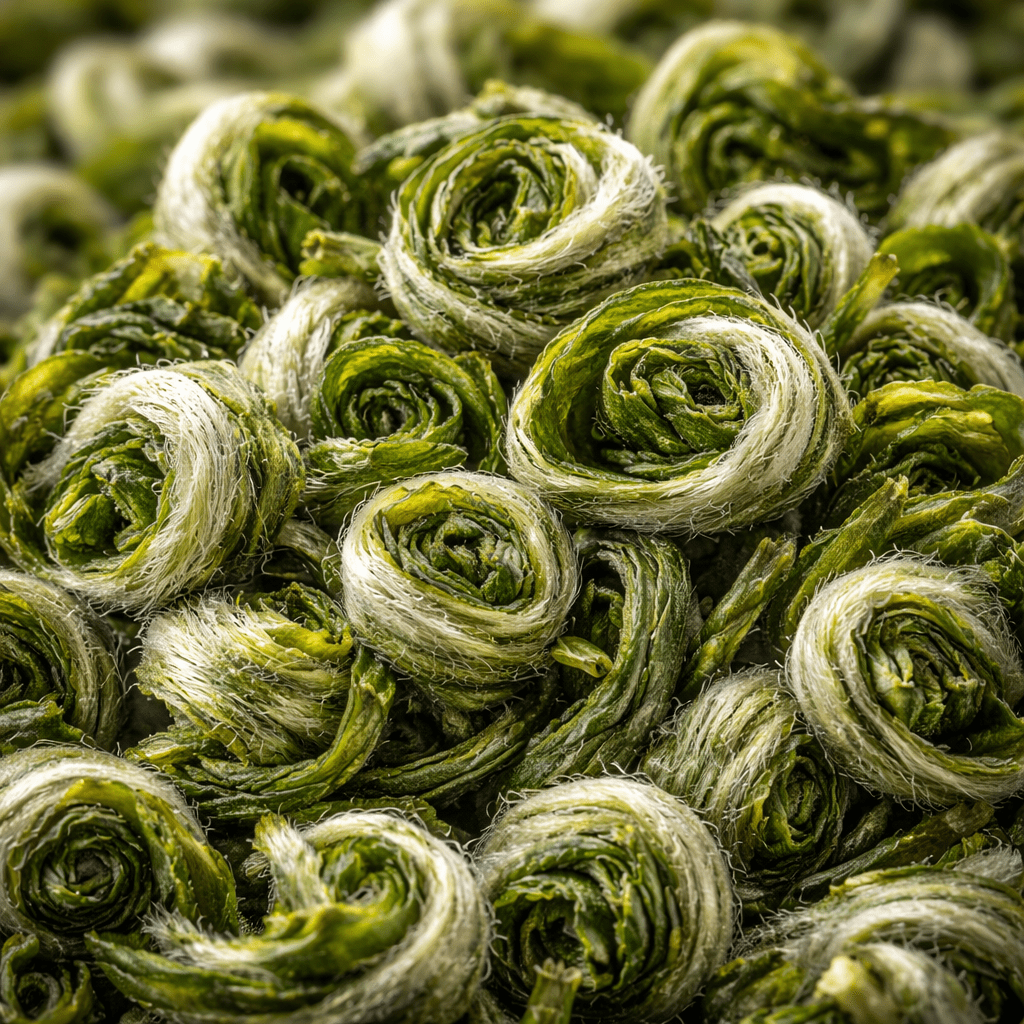
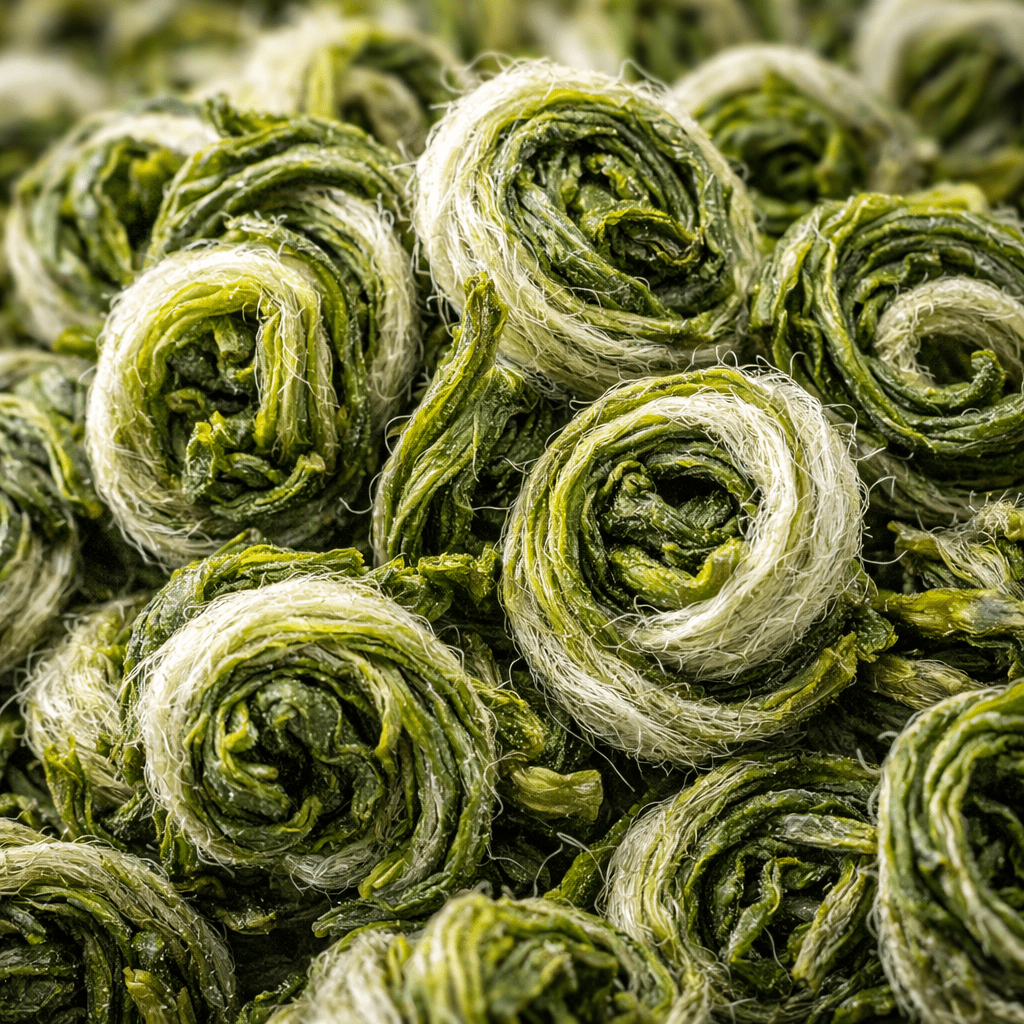
- Tightly curled spiral leaves
- Strong floral and fruity aroma
- Extremely early spring harvest
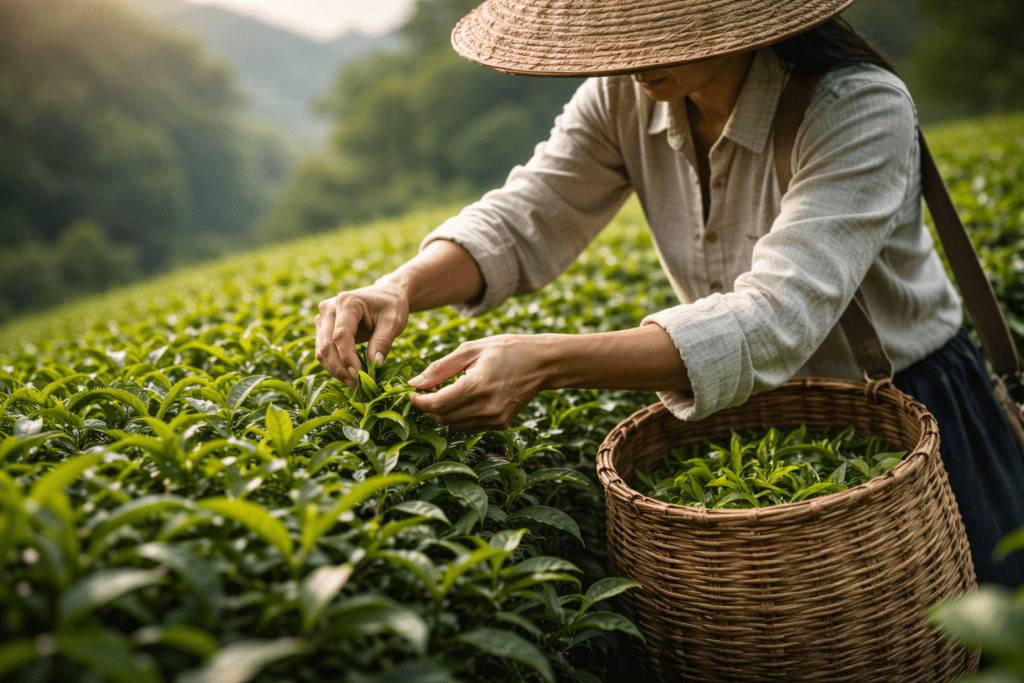
The leaves are picked very early in the season when the buds are still young and tender. Because of this, authentic Biluochun contains a high proportion of fine white hairs (tea fuzz) that protect the buds.
These delicate buds produce a tea that is:
- light but complex
- refreshing yet aromatic
- soft with a lingering sweetness
Authentic Dongting Biluochun is considered among the highest quality green teas in China.
Why Is It Called “Green Snail Spring”?
The name Biluochun (碧螺春) translates to:
- Bi (碧) – jade green
- Luo (螺) – spiral or snail shape
- Chun (春) – spring
This poetic name describes two key features:
- the tightly curled spiral shape of the leaves
- the fact that the tea is harvested in early spring
The leaves resemble tiny green snails curled into spirals.
The History of Biluochun Tea
Biluochun tea dates back more than 1,000 years, with historical references appearing during the Tang Dynasty.
However, the tea became famous during the Qing Dynasty.
Legend says that tea farmers originally called the tea “Scary Fragrance” (吓煞人香) because the aroma was so intense and surprising.
When the Kangxi Emperor tasted the tea, he reportedly disliked the crude name and instead gave it the elegant name:
Biluochun
From that moment, the tea gained imperial recognition and quickly became one of China’s most famous teas.
Today, authentic Dongting Biluochun remains a protected geographical tea in China.
Where Biluochun Tea Is Grown
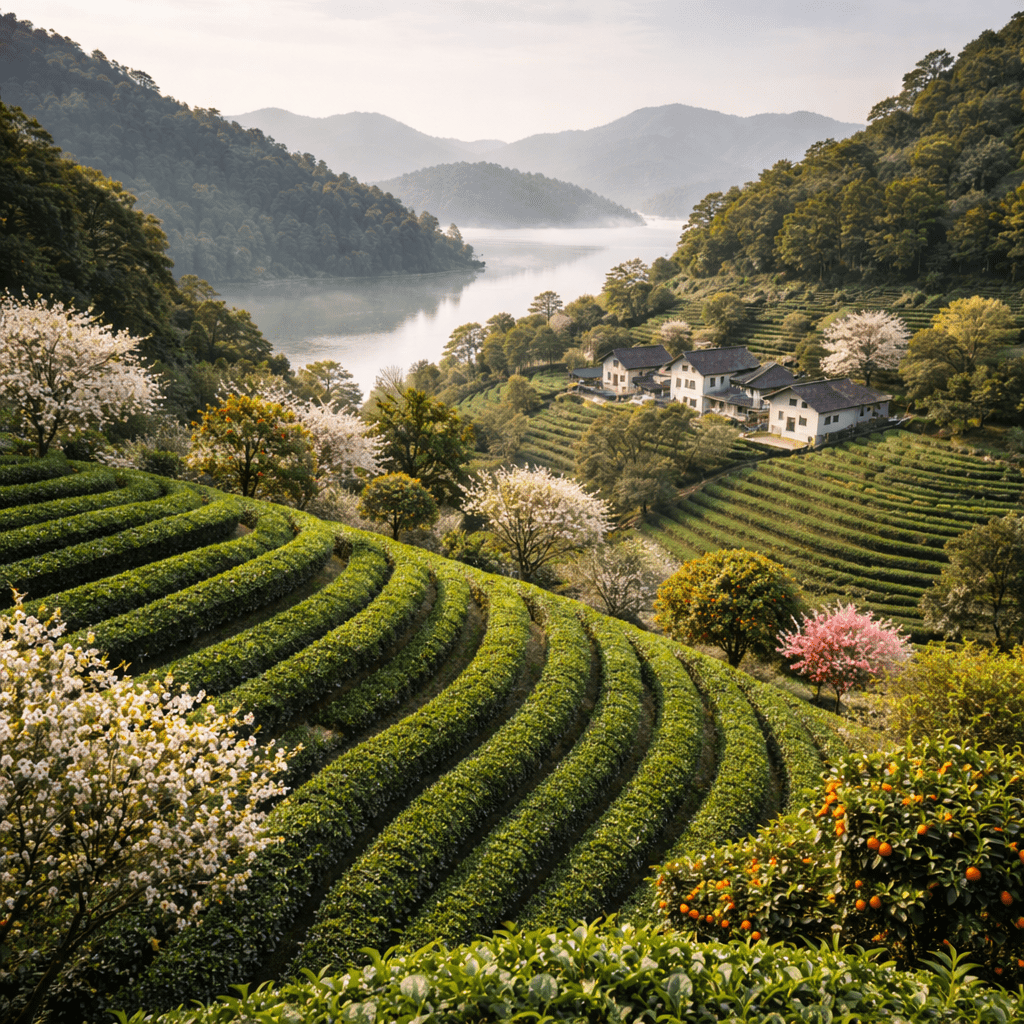
Authentic Biluochun grows in a unique ecological environment near Taihu Lake.
The region has:
- mild climate
- frequent mist
- fertile soil
- abundant fruit orchards
Tea trees are often grown near plum, peach, apricot, and loquat trees.
Because of this, the tea absorbs subtle fruity floral aromas from the surrounding environment.
This natural interaction contributes to the tea’s distinctive fragrance.
What Does Biluochun Tea Taste Like?
Biluochun tea is known for a layered and elegant flavor profile.
Common tasting notes include:
Aroma
- floral
- fruity
- fresh vegetation
- orchid-like fragrance
Flavor
- light sweetness
- soft vegetal notes
- gentle chestnut undertones
- subtle fruit-like sweetness
Mouthfeel
- smooth
- refreshing
- delicate
Aftertaste
High quality Biluochun leaves a sweet lingering finish known as hui gan in Chinese tea culture.
What Makes High Quality Biluochun?
When evaluating Biluochun tea, experts look at several key characteristics.
1 Leaf Appearance
High quality Biluochun has:
- tightly curled leaves
- abundant white tea hairs
- uniform shape
- vibrant green color
2 Aroma
Premium Biluochun has an intense fragrance even before brewing.
Lower quality tea often smells flat or grassy.
3 Liquor Color
The tea liquor should appear:
- clear
- pale green
- slightly golden
Cloudy tea often indicates poor processing.
4 Taste
The best Biluochun has a balanced flavor:
- fresh
- slightly sweet
- no bitterness
How to Brew Biluochun Tea Properly
Green tea is delicate, and incorrect brewing can easily ruin its flavor.
Follow these steps for the best results.
Tea Quantity
Use about:
2–3 grams of tea
per 200 ml of water
Water Temperature
Ideal temperature:
75–80°CBoiling water will destroy the delicate aroma.
Brewing Method
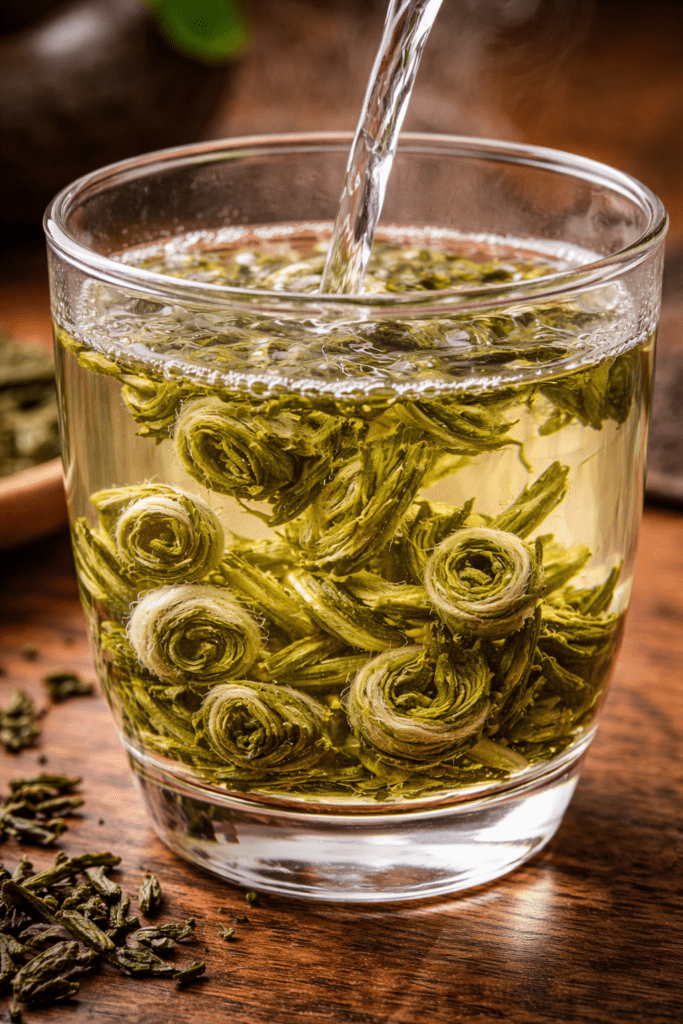
- Add warm water to the glass first.
- Drop the tea leaves into the water.
- Watch the leaves slowly sink and unfold.
This method allows the leaves to open naturally.
Steeping Time
First infusion:
30–45 secondsLater infusions:
45–60 secondsBiluochun can usually be brewed 3–4 times.
Health Benefits of Biluochun Tea
Like many green teas, Biluochun contains a variety of beneficial compounds.
These include:
- polyphenols
- catechins
- L-theanine
- antioxidants
Potential benefits include:
- supporting heart health
- improving focus
- reducing oxidative stress
- aiding metabolism
Because it contains moderate caffeine, it can also provide a gentle energy boost.
How to Store Biluochun Tea
To preserve freshness, proper storage is essential.
Follow these guidelines:
- keep tea away from light
- store in airtight containers
- avoid moisture
- avoid strong odors
Green tea is best consumed within 12 months of harvest.
How Biluochun Compares to Other Green Teas
Compared with other famous green teas:
| Tea | Flavor |
|---|---|
| Longjing | nutty and smooth |
| Biluochun | fruity and floral |
| Sencha | grassy and umami |
Biluochun stands out because of its aromatic intensity.
Final Thoughts
Biluochun tea is one of the most elegant and fragrant green teas produced in China. Its early spring harvest, delicate leaves, and unique growing environment create a tea that is both refreshing and complex.
Whether you are new to Chinese tea or a long-time enthusiast, Biluochun offers a beautiful introduction to the depth and sophistication of traditional green tea.
With proper brewing and careful sourcing, this tea can deliver an unforgettable drinking experience.