Introduction
Keemun tea is one of the most celebrated black teas in the world. Known for its elegant aroma, smooth flavor, and long cultural history, Keemun tea has been treasured by tea drinkers for more than a century.
Produced in Qimen County in Anhui Province, China, Keemun tea is often regarded as one of the finest Chinese black teas ever created. Its distinctive fragrance, sometimes described as floral, fruity, or slightly smoky, sets it apart from other black teas.
In fact, Keemun tea has long been used in famous British tea blends, including English Breakfast tea, because of its balanced flavor and refined aroma.
In this guide, we will explore everything about Keemun tea, including:
- what Keemun tea is
- where it comes from
- how it is produced
- its flavor characteristics
- the best brewing methods
- how to recognize high-quality Keemun tea
By the end of this guide, you will understand why Keemun tea has earned its reputation as one of the most elegant black teas in the world.
What Is Keemun Tea
Keemun tea, also known as Qimen black tea, is a traditional Chinese black tea produced in Qimen County in Anhui Province.
The tea is made from small-leaf tea cultivars that are native to this region.
Unlike many stronger black teas, Keemun tea is known for its refined and aromatic character, which often includes floral and fruity notes.
One of the most famous qualities of Keemun tea is its distinctive aroma, sometimes referred to as “Keemun fragrance.”
Tea experts often describe this aroma as a combination of:
- orchid notes
- light fruitiness
- subtle sweetness
- gentle smokiness
This unique fragrance is one of the reasons Keemun tea is so highly regarded.
The Origin of Keemun Tea
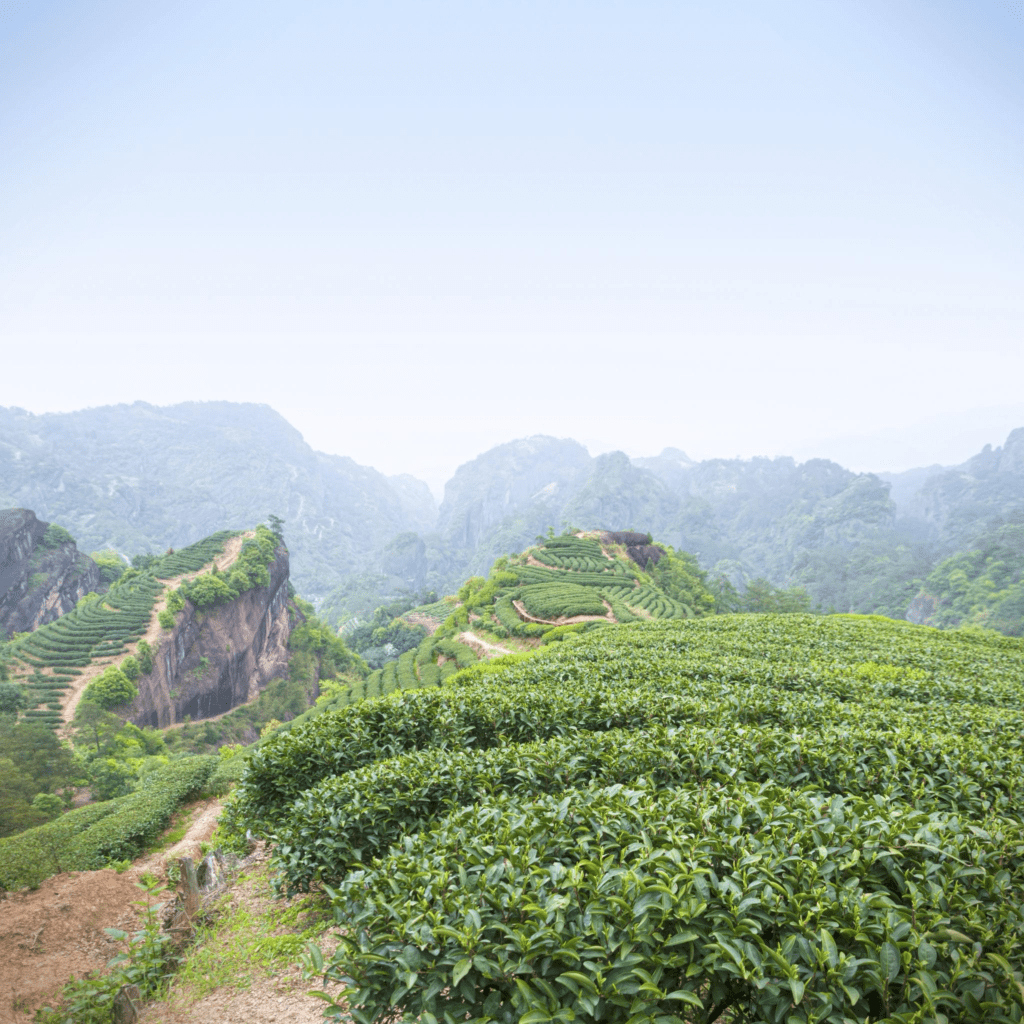
Keemun tea originates from Qimen County, located in southern Anhui Province.
This region is characterized by:
- misty mountains
- fertile soil
- abundant rainfall
- moderate temperatures
These environmental conditions create an ideal environment for growing tea.
Although China has produced tea for thousands of years, Keemun black tea was actually developed relatively recently.
The tea was first produced in the late 19th century, during the Qing Dynasty.
Before that time, the region mainly produced green tea.
Local tea producers began experimenting with black tea production techniques, eventually creating Keemun tea, which quickly became popular both in China and internationally.

Traditional Processing of Keemun Tea
The production of Keemun tea follows traditional black tea processing techniques.
These steps include:
Harvesting
Tea leaves are harvested in spring and early summer.
Young leaves and buds are typically selected to produce higher-quality tea.
Withering
Fresh leaves are spread out to reduce moisture and soften the leaf structure.
Rolling
The leaves are rolled to break cell walls and release enzymes that trigger oxidation.
Oxidation
The leaves oxidize fully, which gives black tea its characteristic dark color and rich flavor.
Drying
Finally, the leaves are dried to stabilize the tea and preserve its aroma.
Careful control of oxidation is what creates Keemun tea’s famous fragrance.
Appearance of Keemun Tea
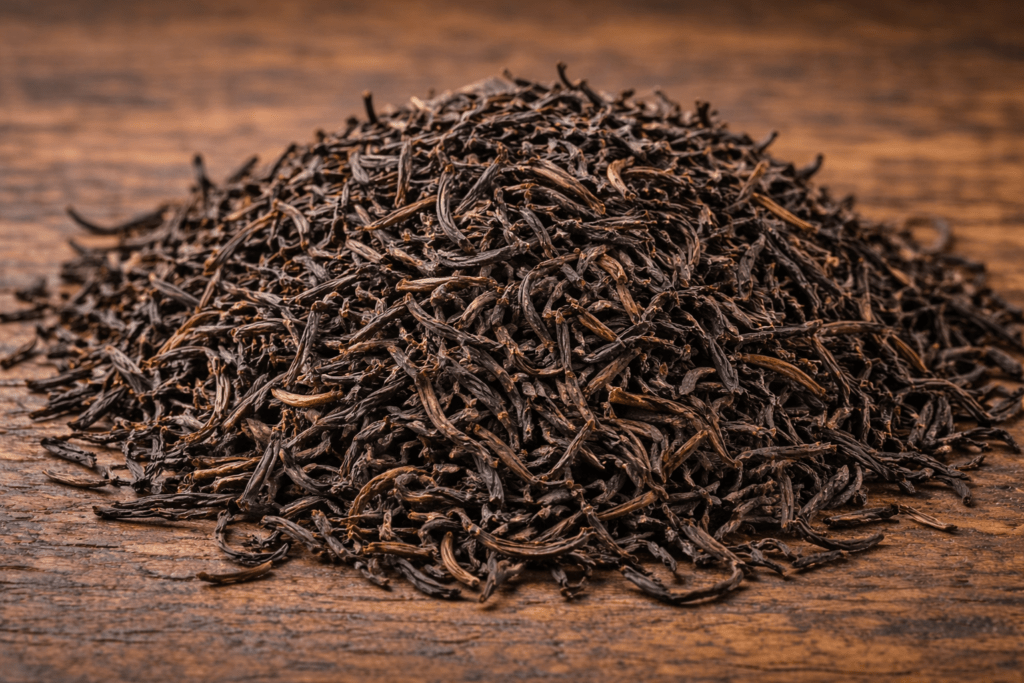
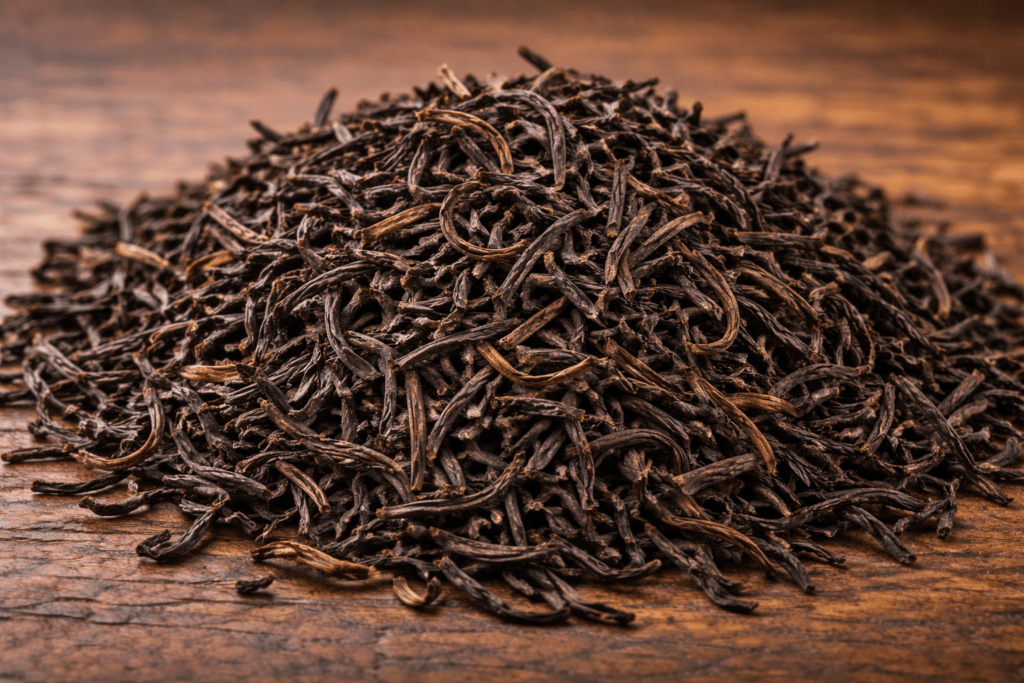
Keemun tea leaves are visually distinctive.
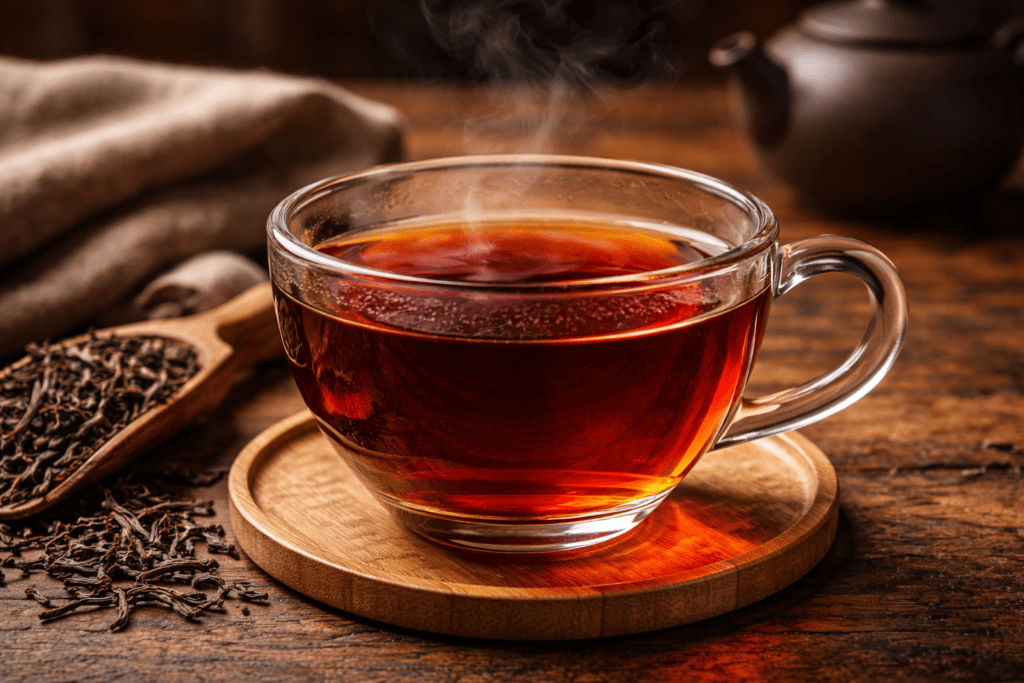
Dry leaves usually appear:
- thin and tightly twisted
- dark brown to black
- slightly glossy
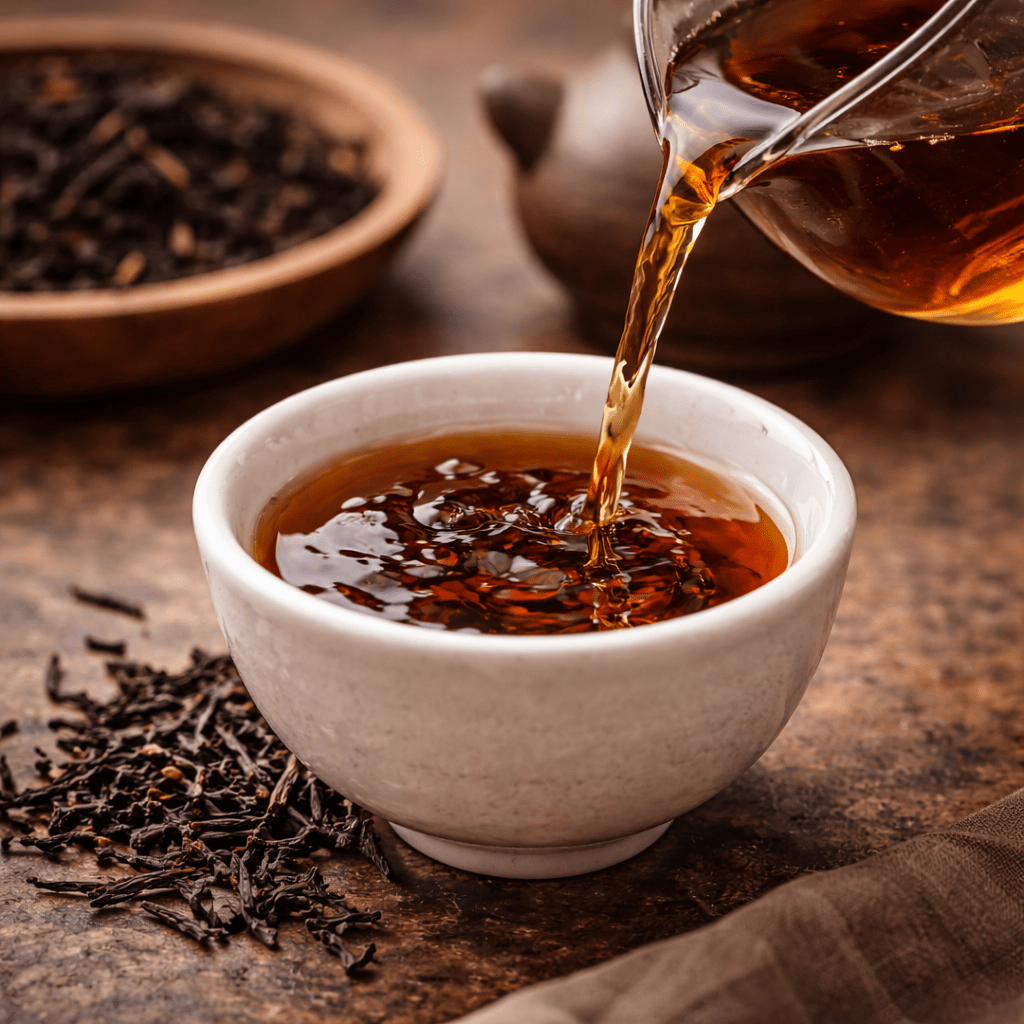
The brewed tea liquor is typically:
- deep red
- bright and clear
The color of the tea liquor is often described as “ruby red.”
Flavor Profile
Keemun tea is famous for its refined flavor.
Typical tasting notes include:
- light floral aroma
- dried fruit notes
- cocoa or chocolate hints
- mild smokiness
Compared to many strong black teas, Keemun tea is smoother and more balanced.
The mouthfeel is soft and rounded, and the aftertaste is long and pleasant.
Because of its balanced flavor, Keemun tea is often enjoyed both plain and with milk.
Keemun Tea vs Other Black Teas
Compared to other black teas, Keemun tea has a more delicate profile.
For example:
Assam Tea
- stronger
- malty flavor
- heavier body
Darjeeling Tea
- more floral
- lighter body
Keemun Tea
- smooth
- aromatic
- balanced
Because of this versatility, Keemun tea is widely used in premium tea blends.
How to Brew Keemun Tea
Brewing Keemun tea correctly helps highlight its elegant aroma.
Tea Amount
Use:
3–4 gramsper cup.
Water Temperature
Ideal temperature:
90–95°CSteeping Time
Steep for:
2–3 minutesKeemun tea can usually be brewed 2–3 times.
The first infusion often produces the strongest aroma.
Health Benefits of Keemun Tea
Like other black teas, Keemun tea contains beneficial compounds.
These include:
- antioxidants
- polyphenols
- caffeine
- theaflavins
Potential benefits include:
- supporting cardiovascular health
- improving mental alertness
- aiding digestion
- providing antioxidant protection
Because Keemun tea has moderate caffeine levels, it is often enjoyed as a morning tea.
How to Identify High Quality Keemun Tea
When selecting Keemun tea, consider the following factors.
Dry Leaves
High-quality tea should have:
- thin, tight leaves
- uniform appearance
- dark color
Aroma
The fragrance should be sweet, floral, and slightly fruity.
Liquor
The brewed tea should appear:
- bright
- clear
- ruby red
Cultural Significance of Keemun Tea
Keemun tea has played an important role in international tea trade.
During the late 19th and early 20th centuries, Keemun tea became one of the most exported Chinese teas.
It was especially popular in Britain, where it became a key ingredient in classic tea blends.
Today, Keemun tea remains one of the most respected black teas in the world.
Conclusion
Keemun tea is a remarkable example of Chinese tea craftsmanship. Its elegant aroma, balanced flavor, and long cultural history make it one of the finest black teas available.
Whether enjoyed alone or as part of a traditional tea blend, Keemun tea offers a refined and memorable tea experience.