Introduction
Bai Mudan tea, also known as White Peony tea, is one of the most famous white teas produced in China. Known for its gentle sweetness, floral aroma, and refreshing taste, Bai Mudan represents a perfect balance between delicacy and complexity.
While Silver Needle tea is made entirely from buds, Bai Mudan includes both young tea buds and the first leaves, which gives the tea a richer and more layered flavor profile.
This tea originates from Fujian Province, the historic center of Chinese white tea production.
Compared with many other teas, Bai Mudan undergoes minimal processing. This preserves the natural character of the tea leaves and produces a tea that is both elegant and approachable.
In this guide, we will explore:
- what Bai Mudan tea is
- where it comes from
- how it is produced
- its flavor characteristics
- how to brew it correctly
- how to identify high-quality Bai Mudan tea
By the end of this guide, you will understand why Bai Mudan tea has become one of the most beloved white teas in the world.
What Is Bai Mudan Tea
Bai Mudan tea is a traditional Chinese white tea made from:
- unopened tea buds
- young tea leaves
Because it contains both buds and leaves, Bai Mudan has a slightly stronger flavor than Silver Needle tea.
The name Bai Mudan translates to White Peony, inspired by the appearance of the tea leaves when they open during brewing.
When infused, the leaves spread out and resemble the petals of a peony flower.
Typical characteristics of Bai Mudan tea include:
- soft floral fragrance
- mild sweetness
- smooth texture
- fresh vegetal notes
These qualities make Bai Mudan tea one of the most approachable white teas for beginners.
Origin of Bai Mudan Tea
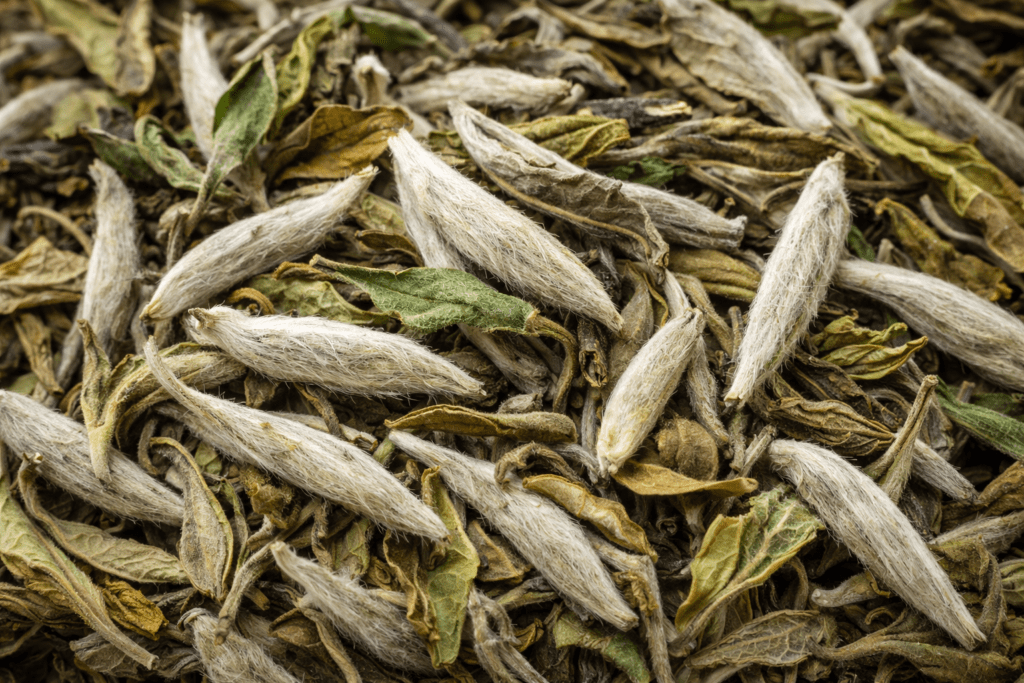
Bai Mudan tea is primarily produced in Fujian Province, especially in the regions of:
- Fuding
- Zhenghe
These regions have ideal conditions for tea cultivation.
Key environmental factors include:
- mountainous terrain
- humid climate
- mist-covered valleys
- fertile soil
These conditions contribute to the distinctive flavor and aroma of Fujian white teas.
White tea production in Fujian dates back several centuries, and Bai Mudan has long been one of the most widely produced varieties.
Today, the tea remains an important part of traditional Chinese tea culture.
How Bai Mudan Tea Is Made
White tea processing is among the simplest of all tea types.
The production of Bai Mudan typically involves two main steps.
Harvesting
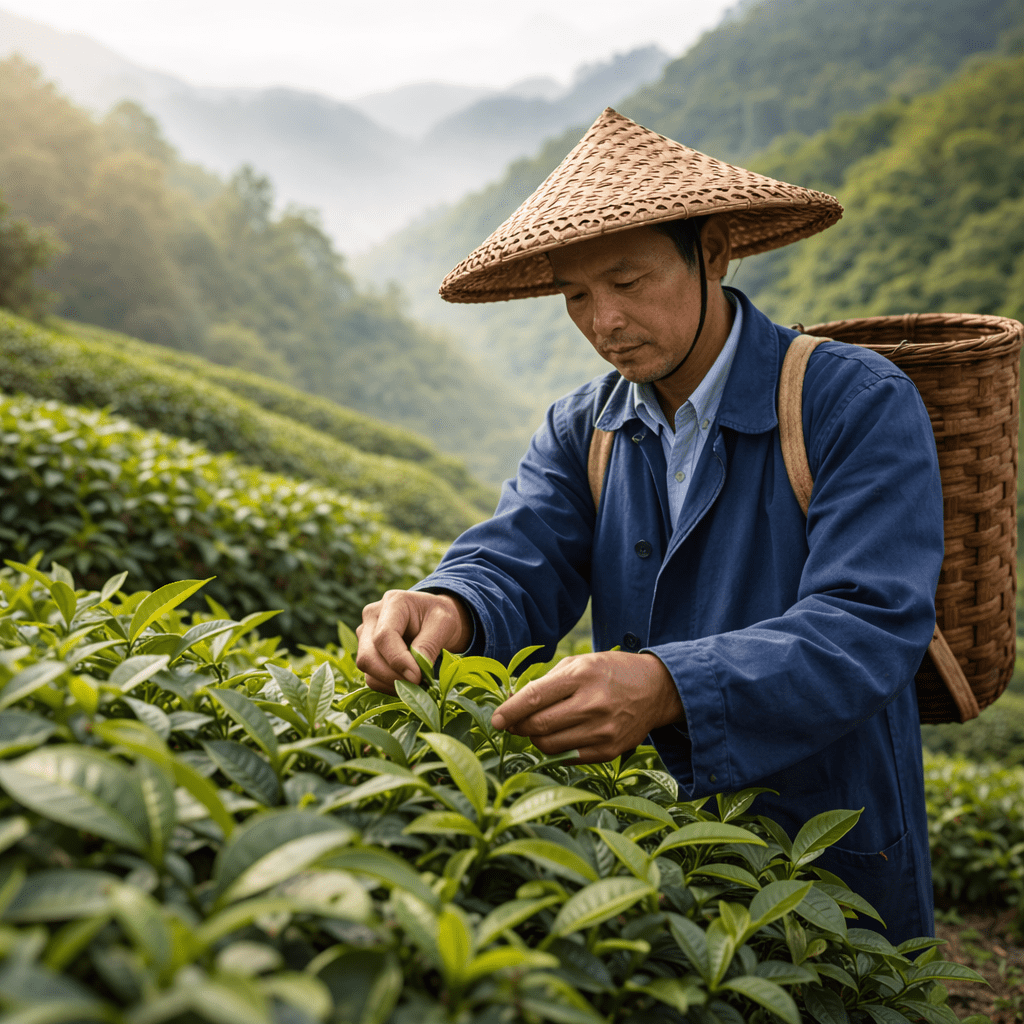
Tea buds and the first young leaves are carefully picked in early spring.
The harvesting standard usually includes:
- one bud
- one or two leaves
Withering
The leaves are spread out and allowed to wither naturally.
This step reduces moisture and begins gentle oxidation.
Drying
After withering, the leaves are slowly dried to stabilize the tea.
Because Bai Mudan undergoes minimal processing, it retains much of the natural character of the tea plant.
Appearance of Bai Mudan Tea
The appearance of Bai Mudan tea is quite distinctive.
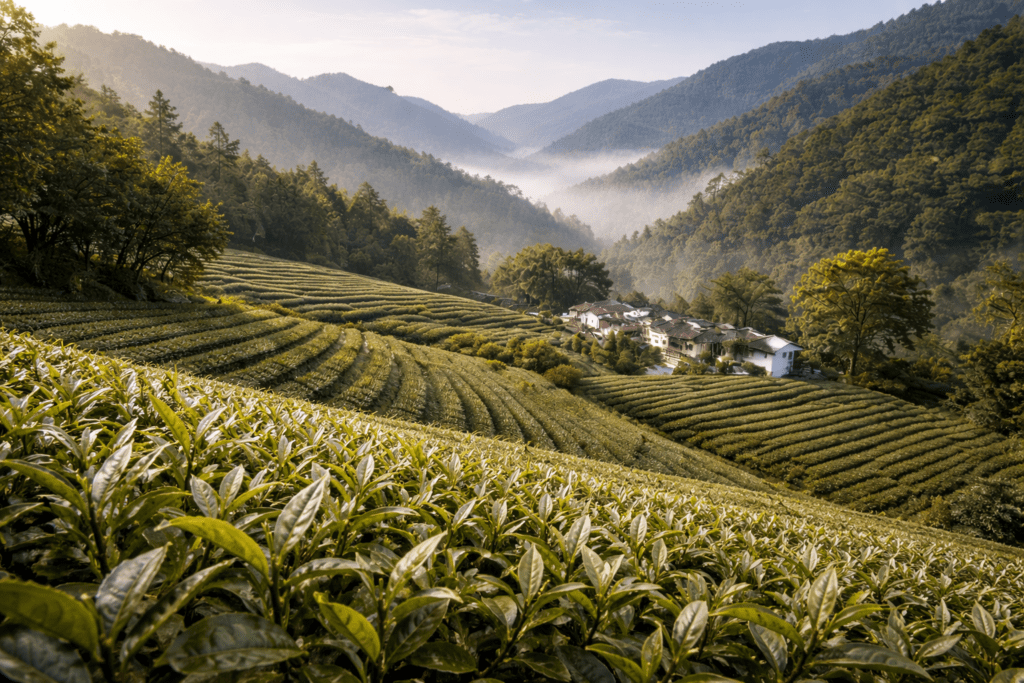
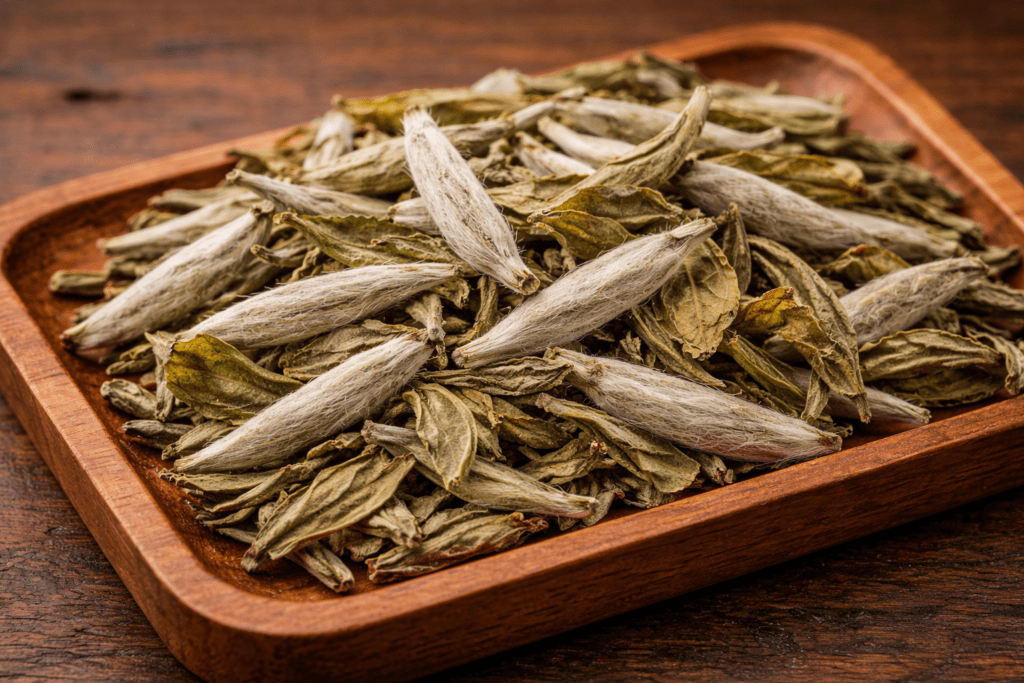
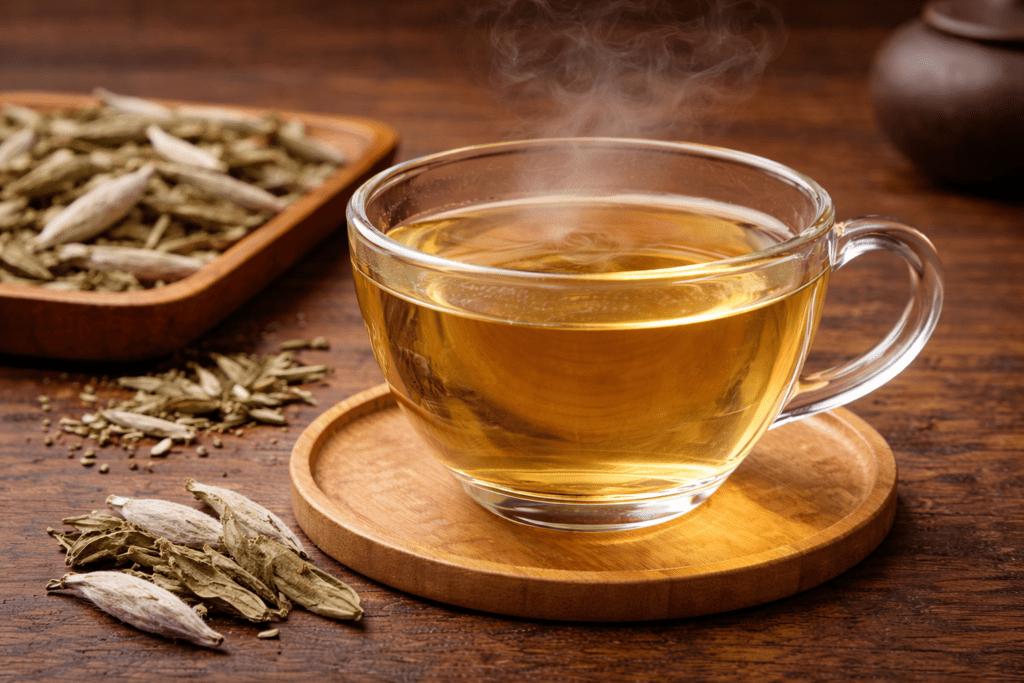
Dry leaves typically appear:
- large and loose
- a mix of green, brown, and silver tones
- covered with fine white hairs
When brewed, the tea liquor usually appears:
- pale gold
- slightly deeper than Silver Needle tea
The opened leaves in the cup create a beautiful visual display.
Flavor Profile
Bai Mudan tea is known for its balanced and refreshing flavor.
Common tasting notes include:
- light floral aroma
- honey sweetness
- fresh hay notes
- mild fruitiness
The body of the tea is smooth and slightly fuller than Silver Needle tea.
The aftertaste is often sweet and lingering.
Because of this balance, Bai Mudan tea is often recommended as an introduction to white tea.
Bai Mudan vs Silver Needle
Both Bai Mudan and Silver Needle are white teas, but they have important differences.
Silver Needle
- made only from buds
- very delicate flavor
- more expensive
Bai Mudan
- buds and young leaves
- richer flavor
- more affordable
Because of the additional leaves, Bai Mudan tea tends to produce a deeper flavor and slightly darker liquor.
How to Brew Bai Mudan Tea
Brewing Bai Mudan tea properly helps reveal its delicate aroma.
Tea Amount
Use approximately:
3–4 gramsper cup.
Water Temperature
Ideal temperature:
85–90°CHotter water may extract bitterness.
Steeping Time
Steep for:
2–3 minutesBai Mudan tea can typically be brewed 3–5 times.
Each infusion reveals new flavors.
Health Benefits of Bai Mudan Tea
Like other white teas, Bai Mudan contains many natural compounds.
These include:
- antioxidants
- catechins
- polyphenols
- amino acids
Potential benefits include:
- supporting immune health
- promoting skin health
- aiding digestion
- reducing oxidative stress
White tea is often considered one of the least processed teas, which helps preserve these beneficial compounds.
How to Identify High Quality Bai Mudan
When buying Bai Mudan tea, several indicators can help determine quality.
Leaf Appearance
High-quality Bai Mudan tea should have:
- visible buds
- intact leaves
- natural color variation
Aroma
The fragrance should be fresh and floral.
Liquor
The brewed tea should appear:
- clear
- golden
- slightly deeper than Silver Needle tea
Cultural Significance
Bai Mudan tea holds an important place in Chinese tea culture.
Because it offers both elegance and accessibility, it is widely enjoyed by both beginners and experienced tea drinkers.
In many regions of China, Bai Mudan tea is appreciated for its refreshing and calming qualities.
Conclusion
Bai Mudan tea represents the perfect balance of delicacy and richness. With its floral aroma, gentle sweetness, and refreshing character, it offers a unique tea experience that reflects the beauty of traditional Chinese white tea.
For anyone interested in exploring white tea, Bai Mudan is an excellent place to begin.