Introduction
Green tea is one of the oldest and most widely consumed beverages in the world. Known for its fresh flavor, delicate aroma, and numerous health benefits, green tea has been an essential part of Asian culture for centuries.
However, many people who try to brew green tea at home are disappointed by the results. The tea may taste bitter, flat, or overly grassy. In most cases, this is not because the tea itself is poor quality. Instead, the problem lies in the brewing method.
Green tea is more delicate than black tea or herbal tea. Because it undergoes minimal oxidation during processing, the leaves retain a high concentration of natural compounds. These compounds contribute to the tea’s flavor and health benefits but also make it more sensitive to heat and brewing time.
Learning how to brew green tea properly allows you to unlock its natural sweetness, smooth texture, and complex aromas.
In this comprehensive guide, we will explore:
- the ideal water temperature for green tea
- the correct steeping time
- how much tea to use
- traditional Chinese brewing techniques
- common mistakes to avoid
- how different green teas require different brewing styles
By understanding these techniques, you can transform a simple cup of tea into a refined and enjoyable experience.
Understanding Green Tea
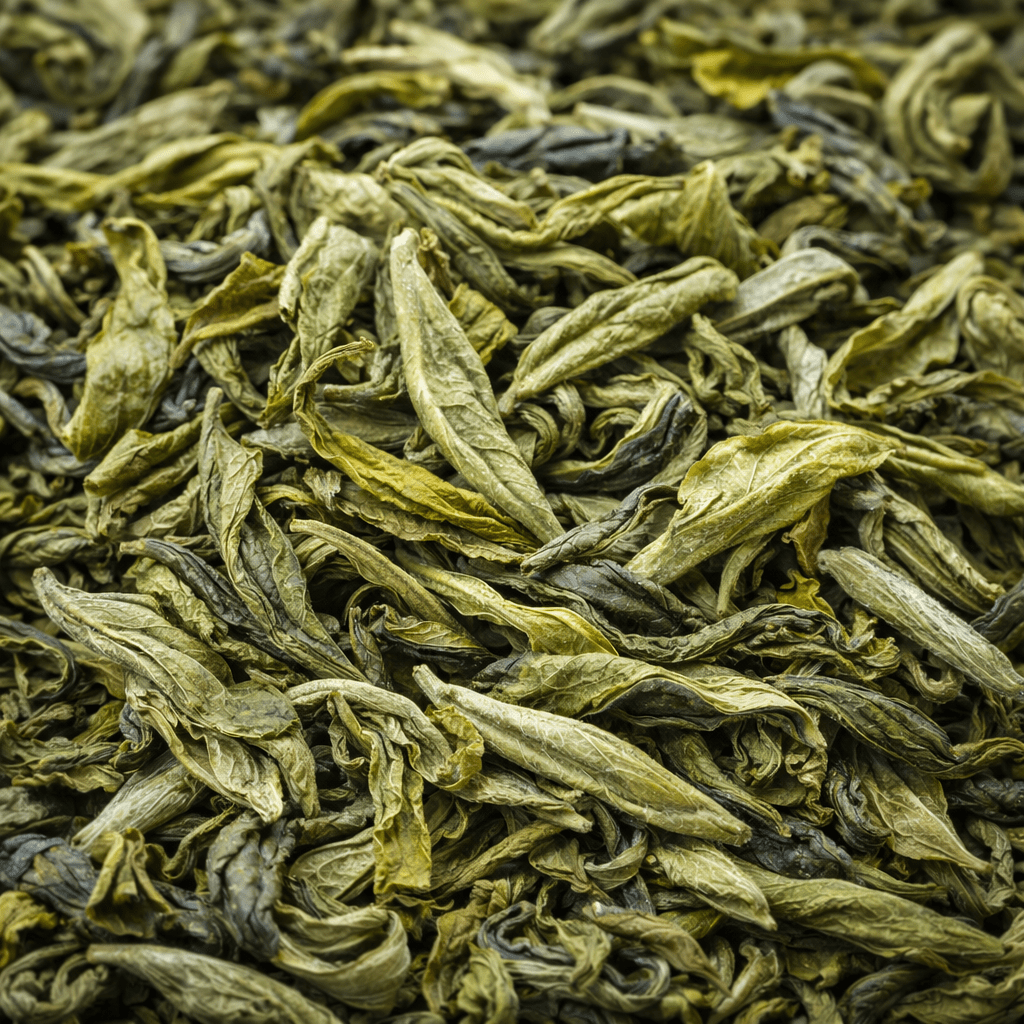
Green tea is made from the leaves of the Camellia sinensis plant. Unlike black tea or oolong tea, green tea leaves are processed quickly after harvesting to prevent oxidation.
The typical processing steps include:
- picking fresh tea leaves
- pan firing or steaming
- rolling
- drying
This minimal oxidation preserves many natural compounds, including:
- catechins
- polyphenols
- chlorophyll
- L-theanine
These compounds give green tea its characteristic qualities:
- fresh vegetal aroma
- mild sweetness
- bright green color
- smooth texture
Because these compounds are sensitive to heat, brewing green tea correctly is essential to preserving its delicate balance.
Why Brewing Method Matters
Green tea leaves release flavor quickly when exposed to hot water. If the water temperature is too high or the steeping time is too long, the tea can become bitter.
This happens because high temperatures extract excessive amounts of tannins and catechins.
A properly brewed cup of green tea should taste:
- smooth
- slightly sweet
- fresh and refreshing
The goal is to extract the pleasant flavors while avoiding excessive bitterness.
Ideal Water Temperature for Green Tea
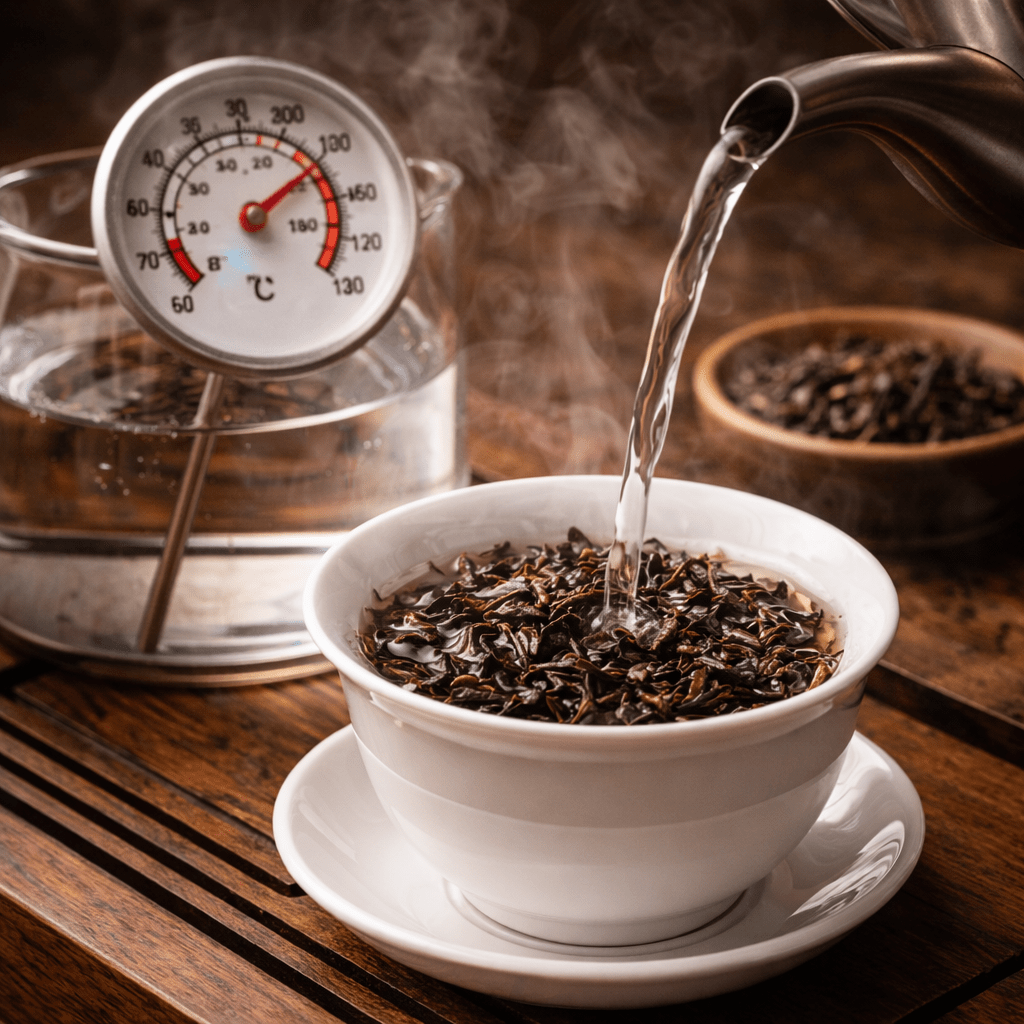
Water temperature is the most important factor when brewing green tea.
Unlike black tea, which is usually brewed with boiling water, green tea requires lower temperatures.
General guidelines:
70°C – 85°CDifferent types of green tea require slightly different temperatures.
Delicate Green Teas
Examples:
- Longjing (Dragon Well)
- Biluochun
- Gyokuro
Recommended temperature:
70°C – 75°CThese teas contain delicate buds and young leaves that can easily be damaged by high heat.
Medium Green Teas
Examples:
- Huangshan Maofeng
- Sencha
Recommended temperature:
75°C – 80°CThese teas have slightly stronger leaves and can tolerate a bit more heat.
Strong Green Teas
Examples:
- Gunpowder green tea
Recommended temperature:
80°C – 85°CIf you do not have a thermometer, simply allow boiling water to cool for about two minutes before pouring it onto the tea leaves.
How Much Green Tea to Use
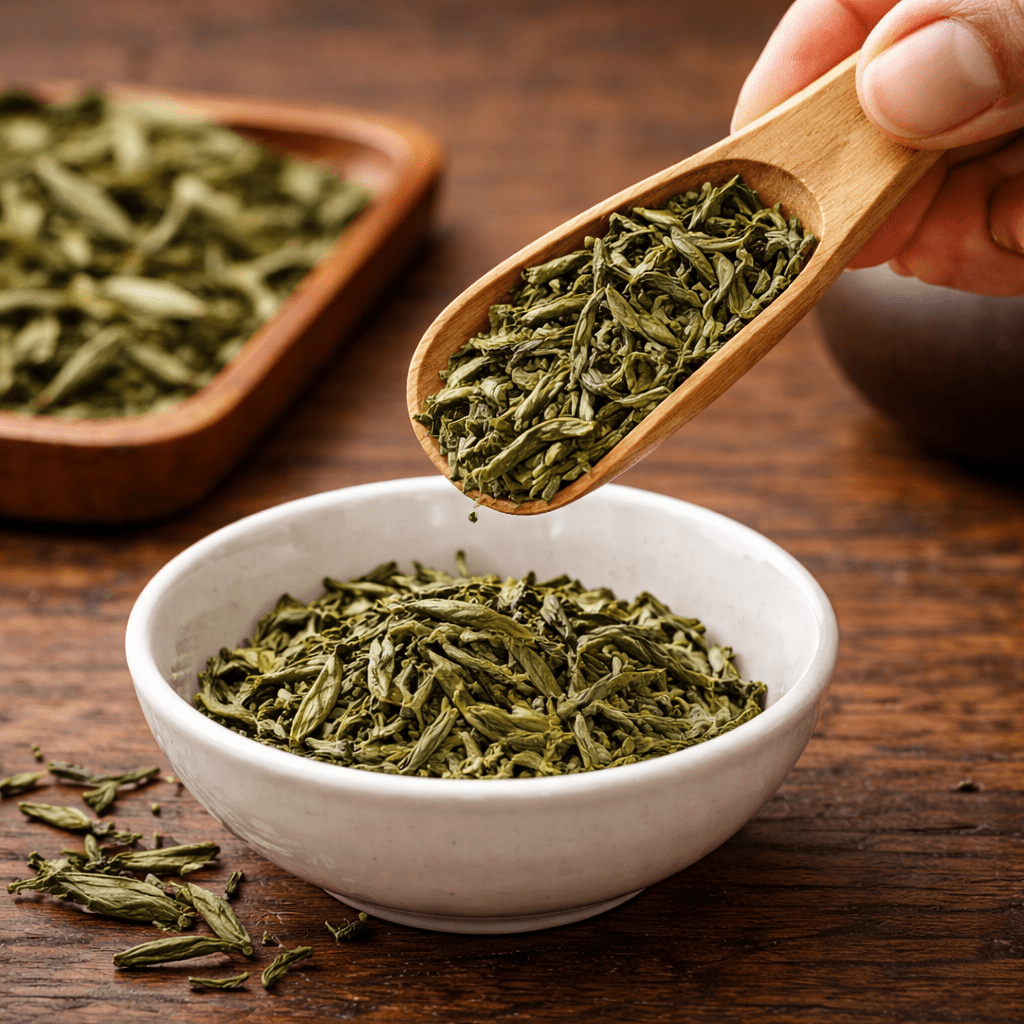
The tea-to-water ratio affects the strength and balance of the tea.
A common guideline is:
2 – 3 grams of tea
per 200 ml of water
For a standard cup:
- about one teaspoon of loose-leaf tea is usually sufficient.
Using too many leaves can create bitterness, while too few leaves can result in weak tea.
Loose-leaf tea is generally preferred over tea bags because the leaves have more room to expand and release their natural flavor.
Green Tea Steeping Time
Steeping time determines how much flavor is extracted from the leaves.
For most green teas, the recommended steeping time is:
1 – 2 minutesIf the tea tastes bitter, reduce the steeping time slightly.
If the tea tastes weak, increase the steeping time or add a little more tea.
High-quality green tea can usually be infused multiple times.
Typical infusion pattern:
1st infusion: 1 minute
2nd infusion: 1 minute
3rd infusion: 1.5 minutes
4th infusion: 2 minutes
Each infusion reveals different layers of flavor.
Traditional Chinese Green Tea Brewing
In China, green tea is often brewed using very simple techniques.
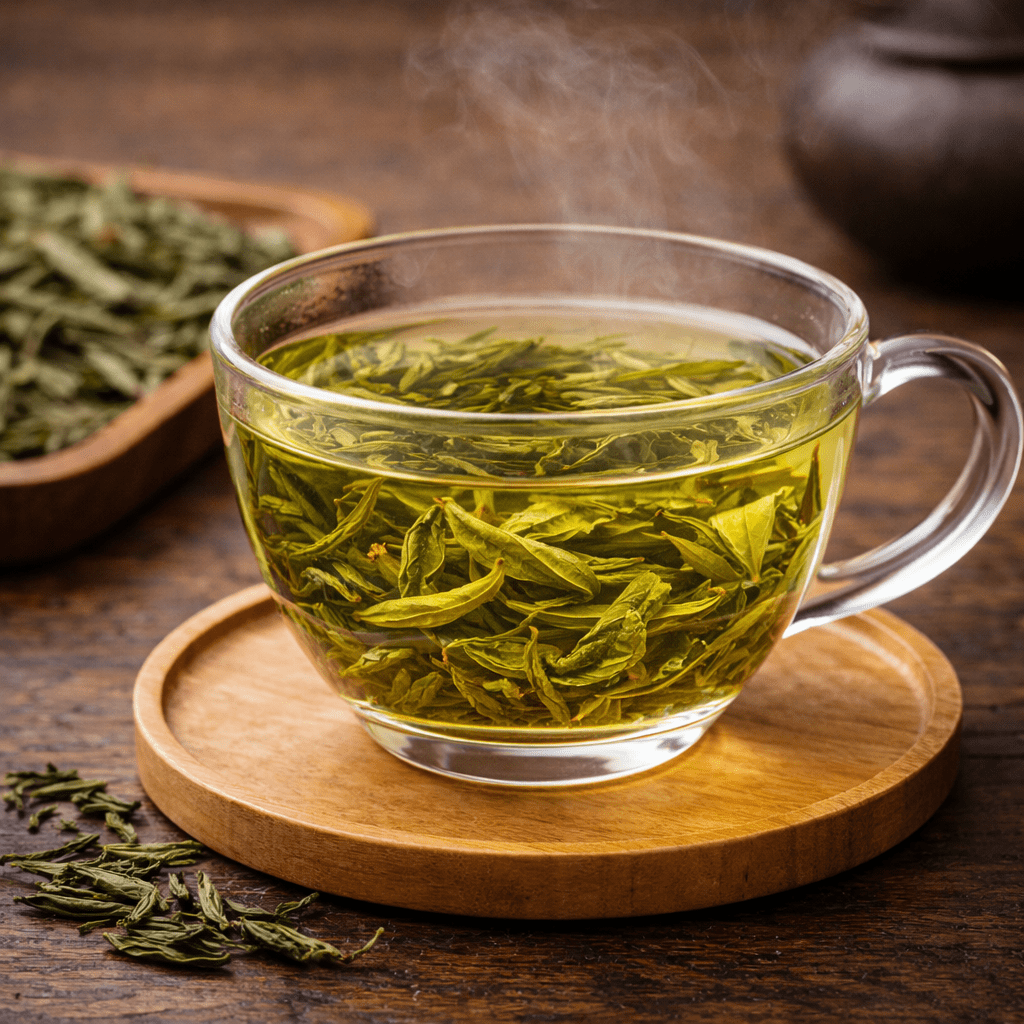
One of the most common methods involves brewing directly in a glass cup.
Steps:
- place tea leaves in a glass cup
- pour hot water over the leaves
- allow the leaves to float and slowly sink
- drink the tea as it brews
This method allows the drinker to observe the tea leaves opening and releasing their aroma.
It is particularly popular for teas like Longjing and Biluochun.
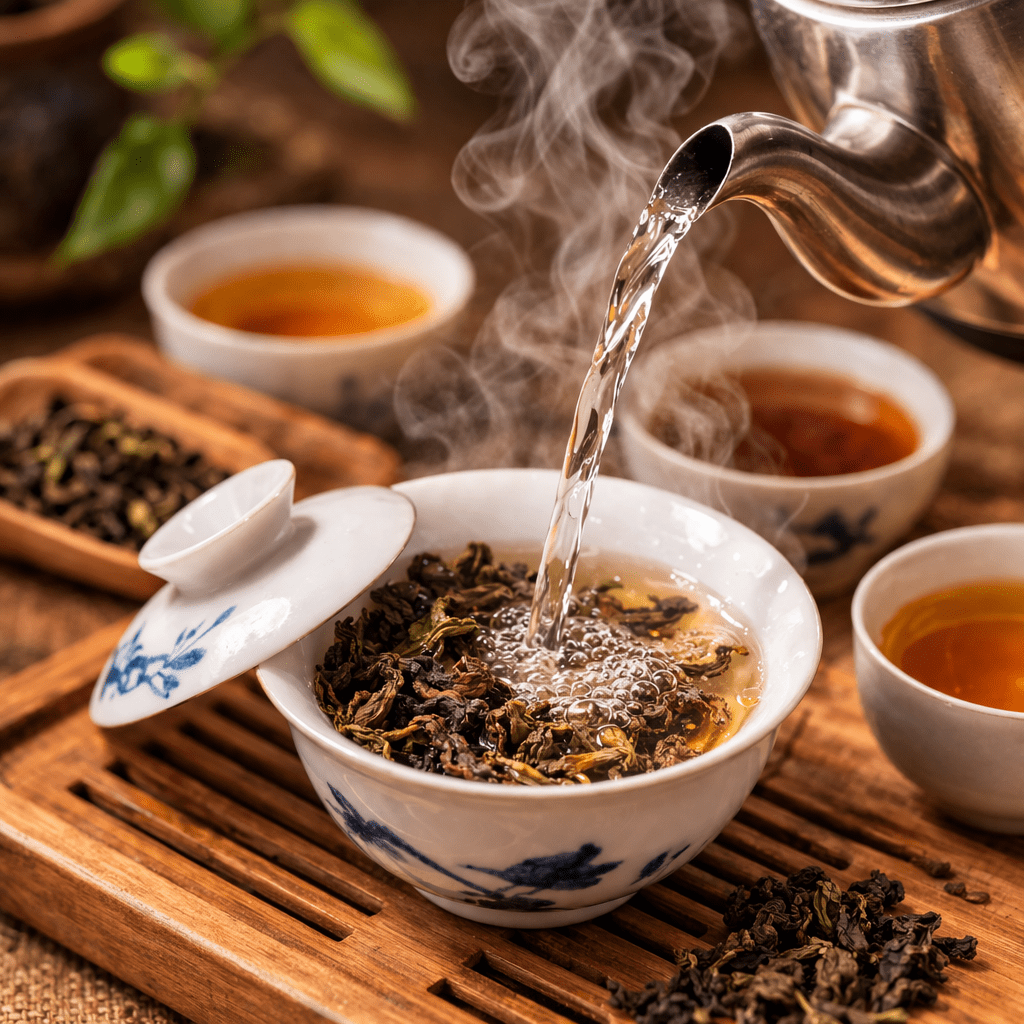
Brewing Green Tea with a Gaiwan
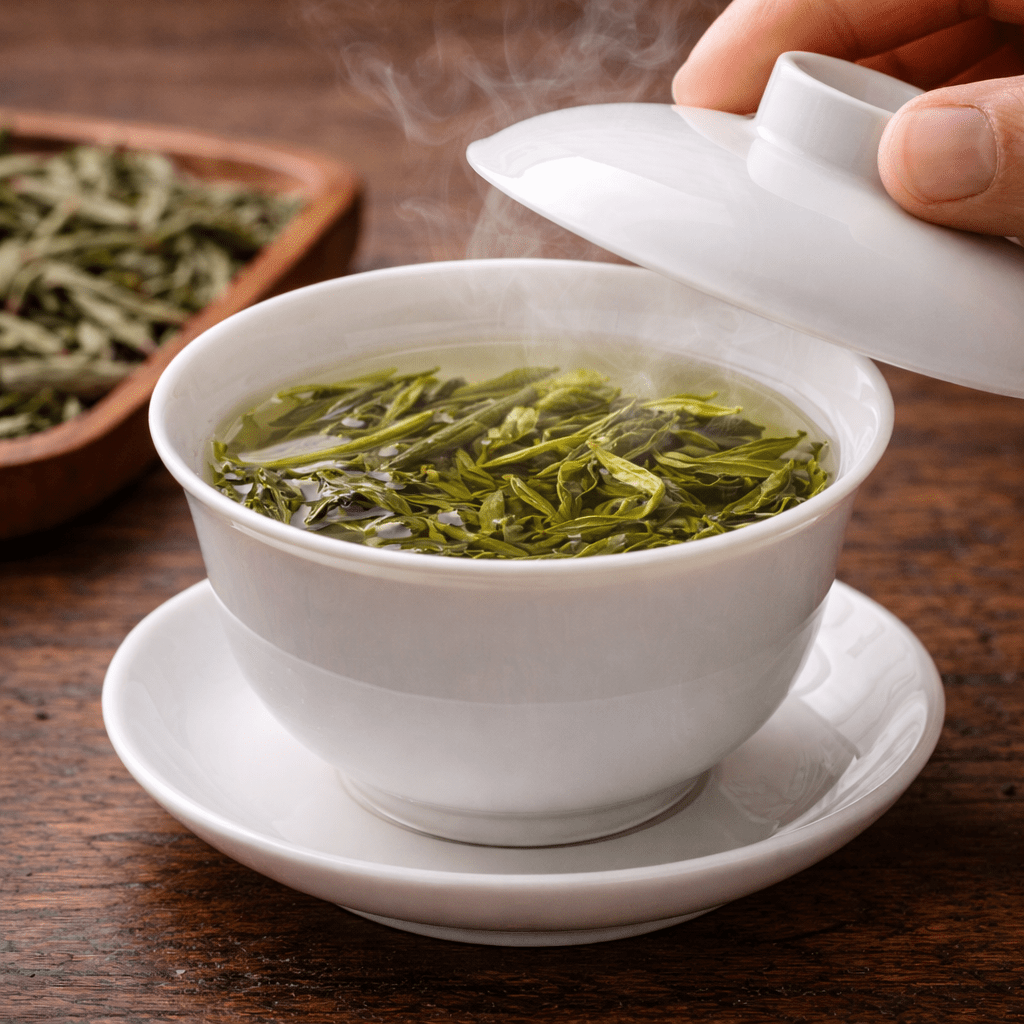
The gaiwan is a traditional Chinese tea vessel consisting of three parts:
- bowl
- lid
- saucer
Gaiwan brewing allows more control over the brewing process.
Basic steps:
- add 3–4 grams of tea leaves to the gaiwan
- pour warm water over the leaves
- steep for 10–20 seconds
- pour the tea into a cup
Because the infusions are short, the tea can be brewed many times.
This method is often used for high-quality loose-leaf teas.
Western Style Brewing
Western brewing typically uses larger teapots and longer steeping times.
Steps:
- add tea leaves to a teapot or infuser
- pour hot water over the leaves
- steep for 2 minutes
- remove the leaves
This method produces a single larger serving of tea.
Common Mistakes When Brewing Green Tea
Many beginners make a few simple mistakes that negatively affect the flavor.
Using Boiling Water
Boiling water destroys delicate flavors and extracts bitterness.
Over-Steeping
Leaving the leaves in the water too long causes excessive tannin extraction.
Low-Quality Tea Bags
Tea bags often contain broken leaves and tea dust, which produce inferior flavor.
Poor Storage
Green tea should be stored in airtight containers away from light and moisture.
Health Benefits of Green Tea
Green tea contains a variety of natural compounds associated with potential health benefits.
These include:
- antioxidants
- catechins
- L-theanine
- polyphenols
Studies suggest that green tea may support:
- heart health
- metabolism
- brain function
- immune support
While green tea is not a medicine, it is widely regarded as one of the healthiest beverages.
Conclusion
Brewing green tea properly is both simple and rewarding. By using the correct water temperature, appropriate steeping time, and high-quality tea leaves, you can enjoy a cup of green tea that is smooth, refreshing, and full of natural flavor.
Whether you prefer the delicate sweetness of Longjing or the fresh vegetal notes of Sencha, mastering the brewing process allows you to experience green tea at its best.