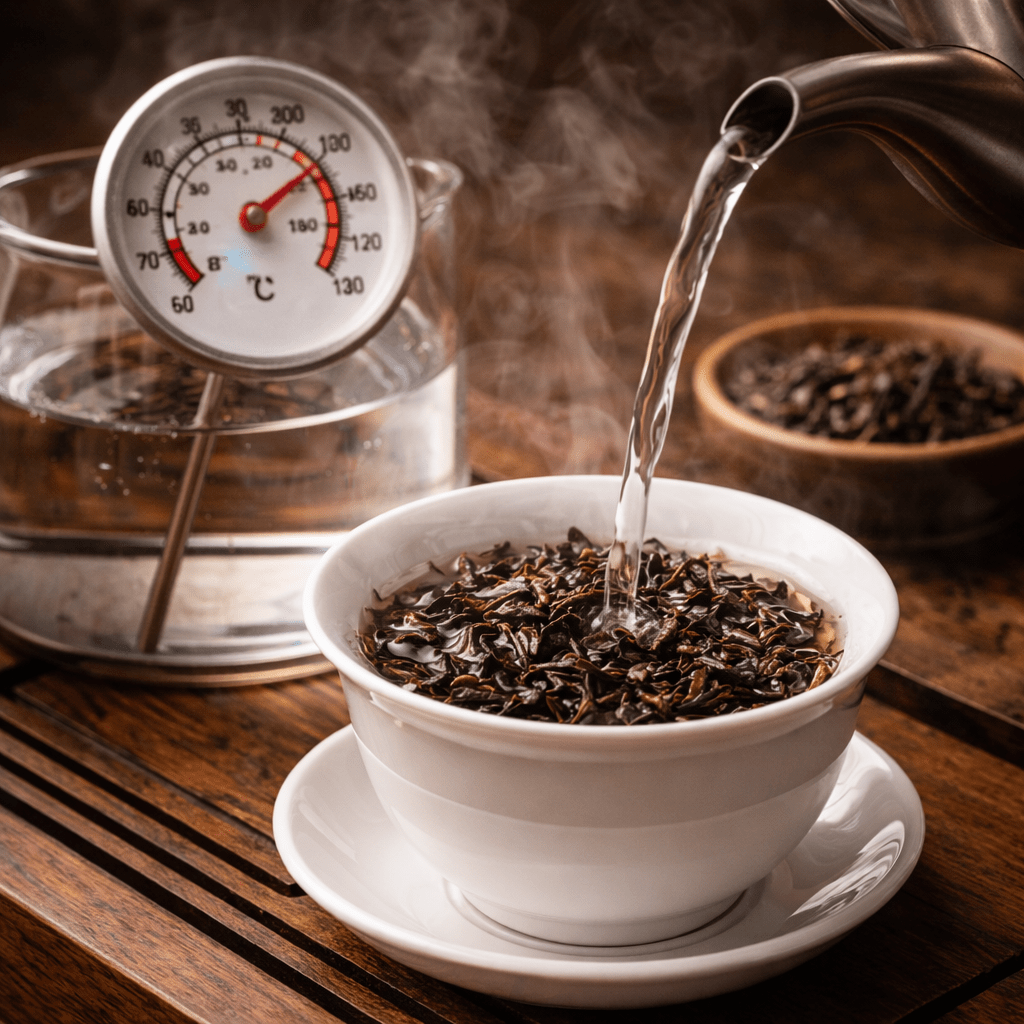
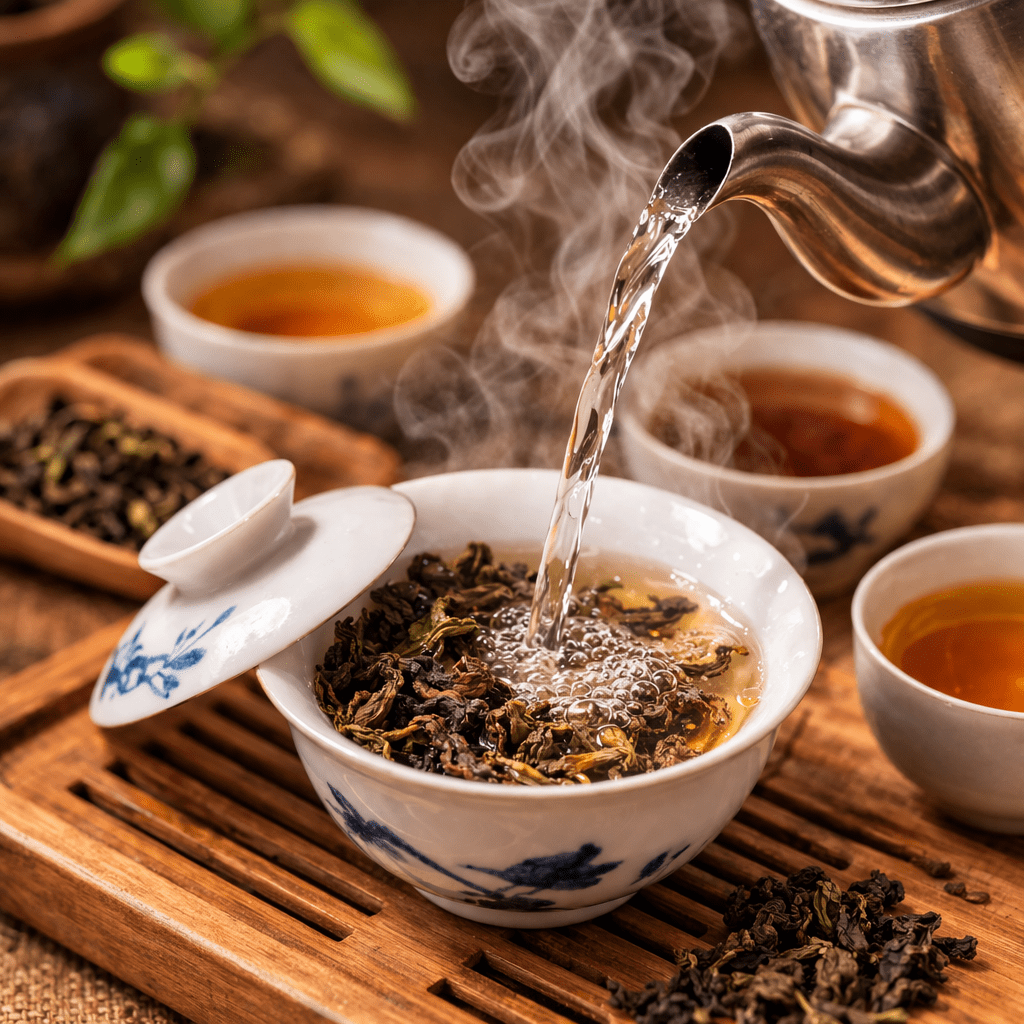
Tea is deeply woven into Chinese culture. For thousands of years, tea has been more than just a drink — it has been a practice of mindfulness, hospitality, and appreciation for nature.
Among all the ways to prepare tea, Gongfu tea brewing stands out as one of the most refined and expressive methods.
Unlike casual tea preparation, Gongfu brewing focuses on precision, patience, and repeated infusions that gradually reveal the complexity of tea leaves.
The word “Gongfu” (功夫) means skill gained through dedication and practice. In the context of tea, it refers to the art of carefully preparing tea with attention to every detail.
Gongfu brewing is especially popular for high-quality teas such as:
- Oolong tea
- Pu-erh tea
- Premium black tea
These teas possess layered aromas and flavors that unfold across multiple infusions.
This guide explains everything you need to know about Gongfu tea brewing, including:
- the origins of Gongfu tea culture
- the equipment used in Gongfu brewing
- step-by-step brewing instructions
- the best teas for Gongfu brewing
By the end of this guide, you will understand why Gongfu tea is considered the most expressive way to experience tea.
What Is Gongfu Tea Brewing?
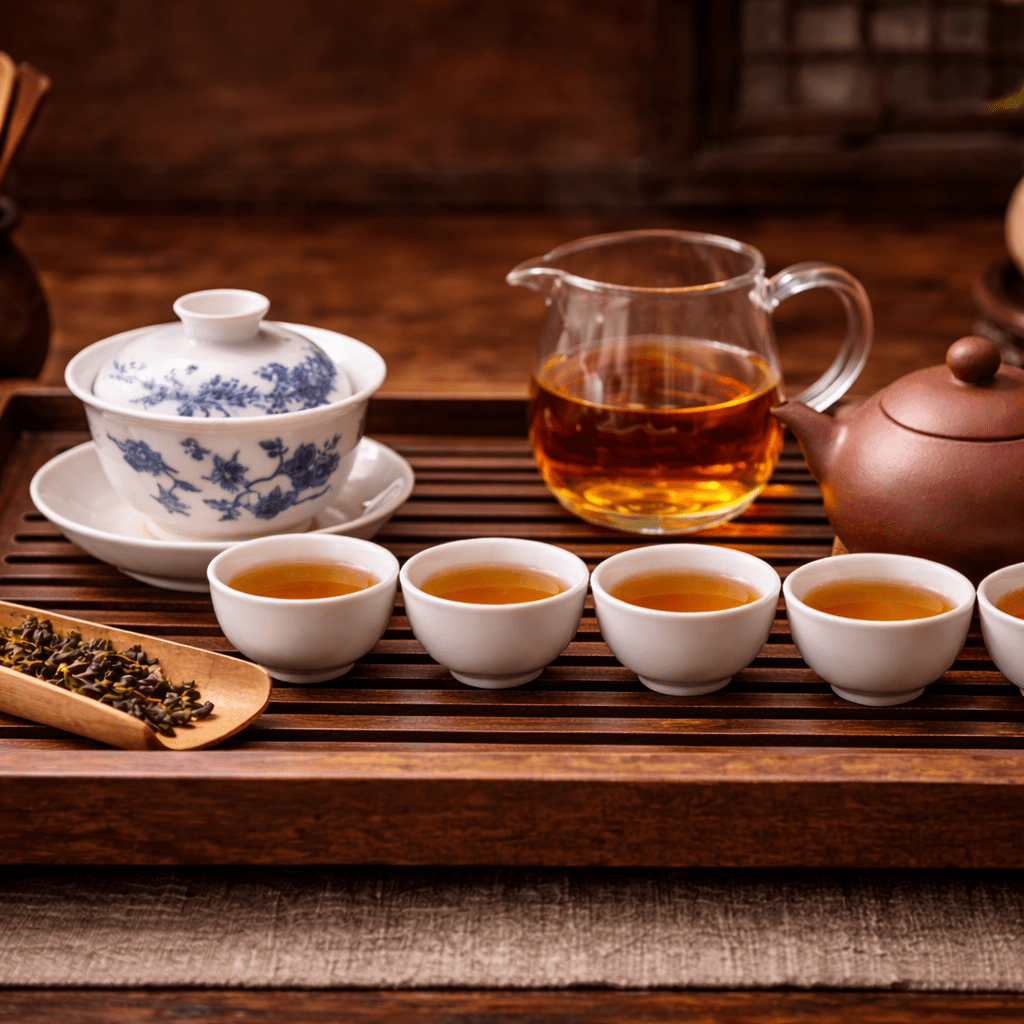
Gongfu tea brewing is a traditional Chinese tea preparation method that emphasizes multiple short infusions using a high concentration of tea leaves.
Instead of brewing tea once in a large teapot, Gongfu brewing uses:
- small brewing vessels
- small cups
- high leaf-to-water ratio
Each infusion is short, often lasting only a few seconds.
This allows the tea drinker to experience the evolving flavor of the tea over many brews.
For example:
First infusion → aroma and light sweetness
Second infusion → fuller body
Later infusions → deeper complexity
High-quality tea leaves can sometimes produce 8–12 infusions when brewed Gongfu style.
The Origins of Gongfu Tea
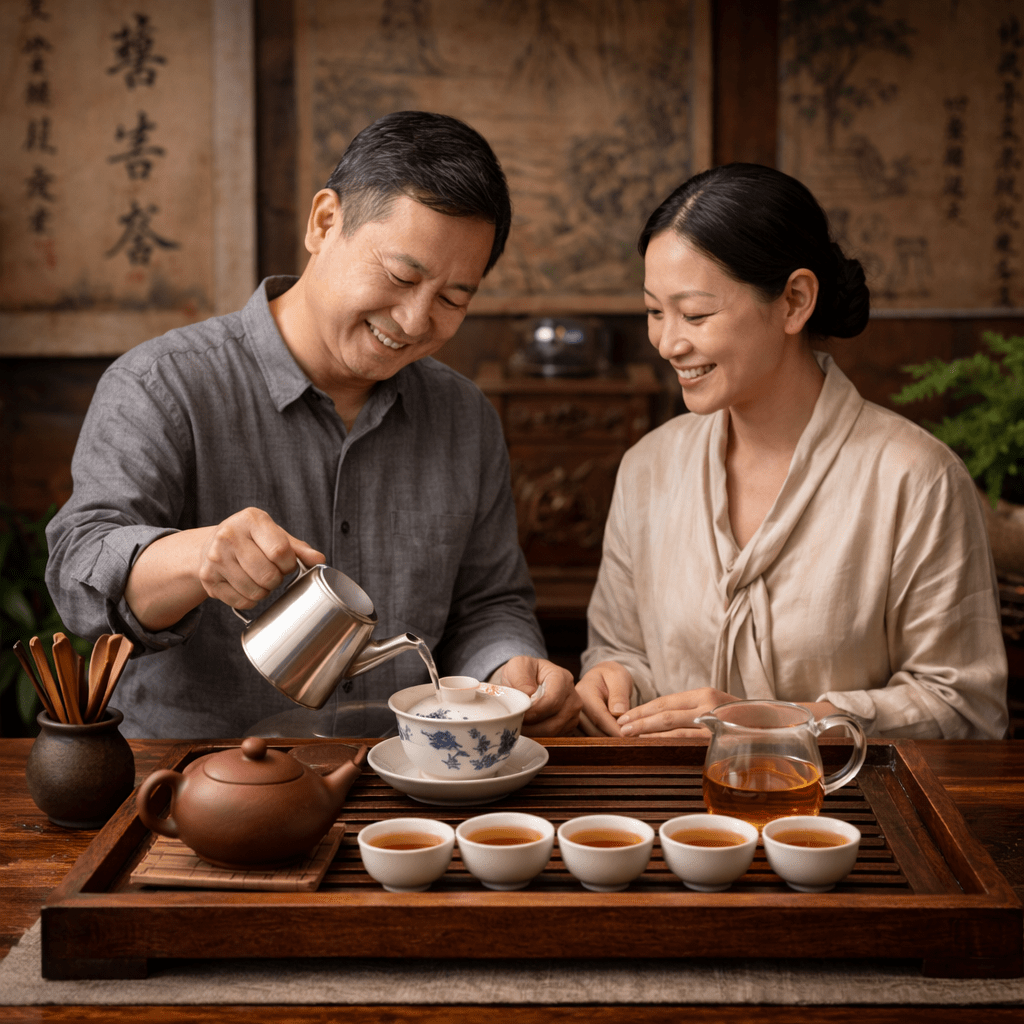
The Gongfu tea tradition developed in southern China, particularly in the provinces of:
- Fujian
- Guangdong
These regions are famous for producing oolong tea, which benefits greatly from Gongfu brewing.
During the Ming and Qing dynasties, loose leaf tea replaced powdered tea preparation methods. Tea drinkers began experimenting with ways to improve flavor extraction.
The Gongfu brewing technique gradually emerged as a refined system designed to highlight the character of premium teas.
Over time, this brewing method became a cultural practice associated with:
- tea appreciation
- hospitality
- social gatherings
- meditation
Today, Gongfu tea brewing is practiced by tea enthusiasts all over the world.
Essential Tools for Gongfu Tea Brewing
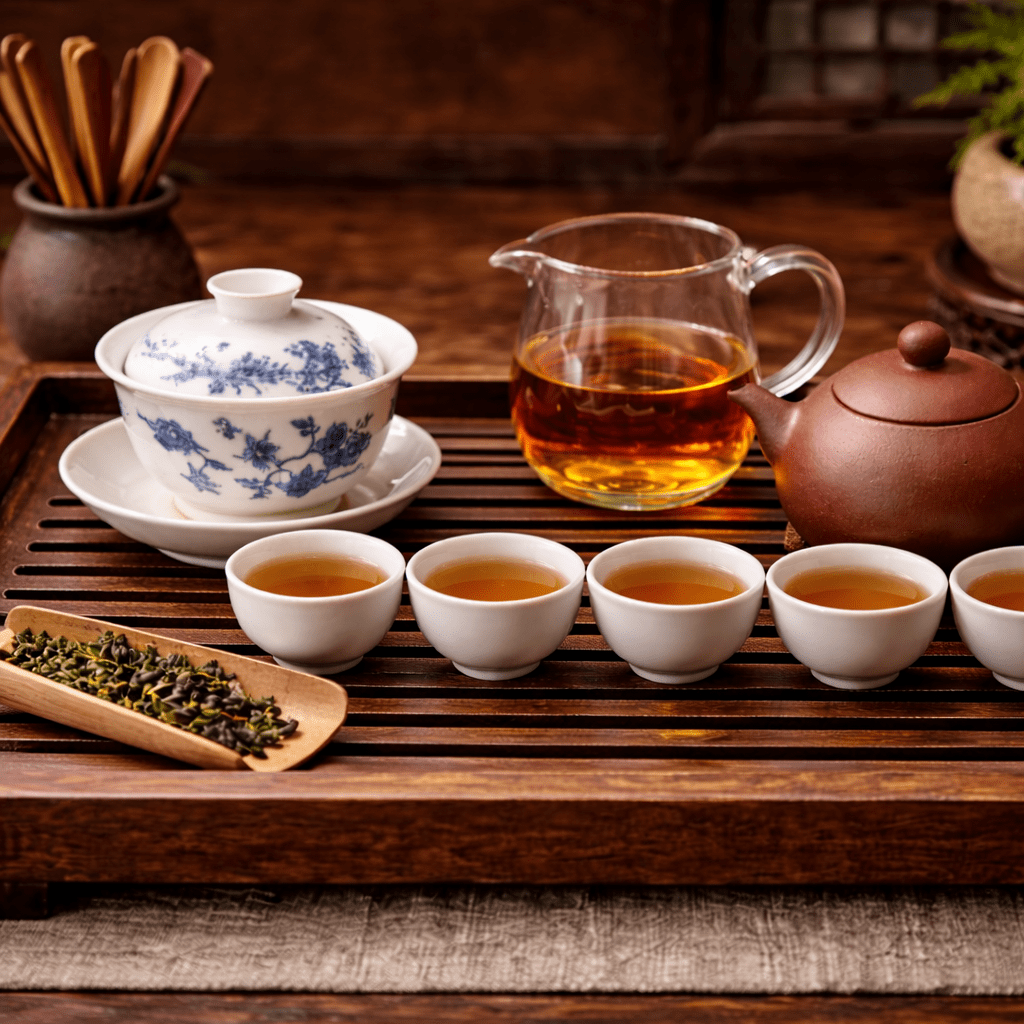
A Gongfu tea session uses several specialized tools. While not all are strictly necessary, they help create a smoother brewing experience.
Gaiwan
The gaiwan is one of the most versatile brewing vessels.
It consists of three parts:
- bowl
- lid
- saucer
The gaiwan allows tea drinkers to:
- observe the leaves
- control brewing time precisely
- smell the tea aroma
Because of its versatility, the gaiwan is widely used in Gongfu brewing.
Yixing Teapot
Yixing clay teapots are famous in Chinese tea culture.
These teapots are made from porous clay that gradually absorbs tea aroma, enhancing flavor over time.
Many tea drinkers dedicate a single Yixing teapot to one specific type of tea.
Fairness Pitcher (Cha Hai)
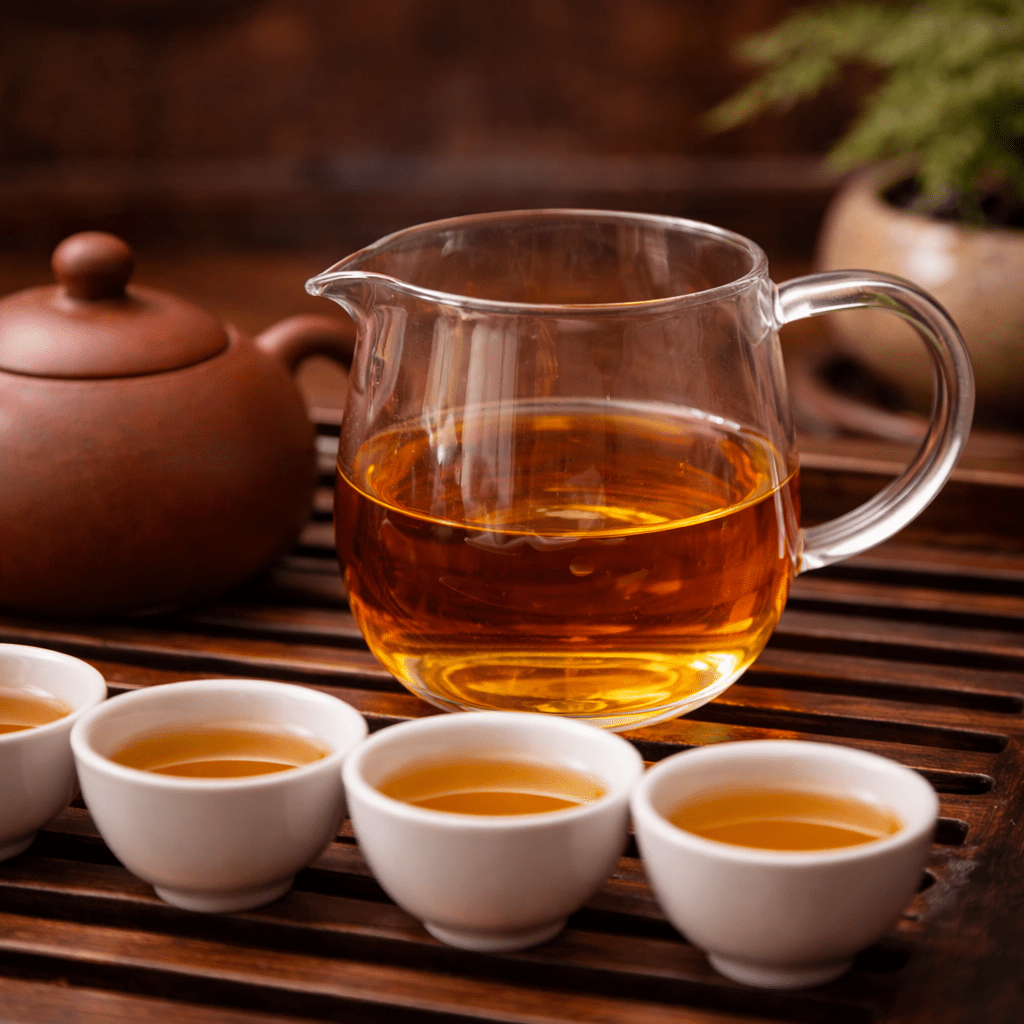
The fairness pitcher collects tea from the brewing vessel before serving.
This ensures that every cup receives tea of equal strength and flavor.
Without a fairness pitcher, the first cup poured may be weaker than the last.
Tea Cups
Gongfu tea cups are intentionally small.
Small cups allow tea drinkers to:
- focus on aroma
- sip slowly
- compare different infusions
Tea Tray
A tea tray helps manage spills and water used during rinsing.
Most tea trays have grooves that allow excess water to drain away.
Step-by-Step Gongfu Tea Brewing Process
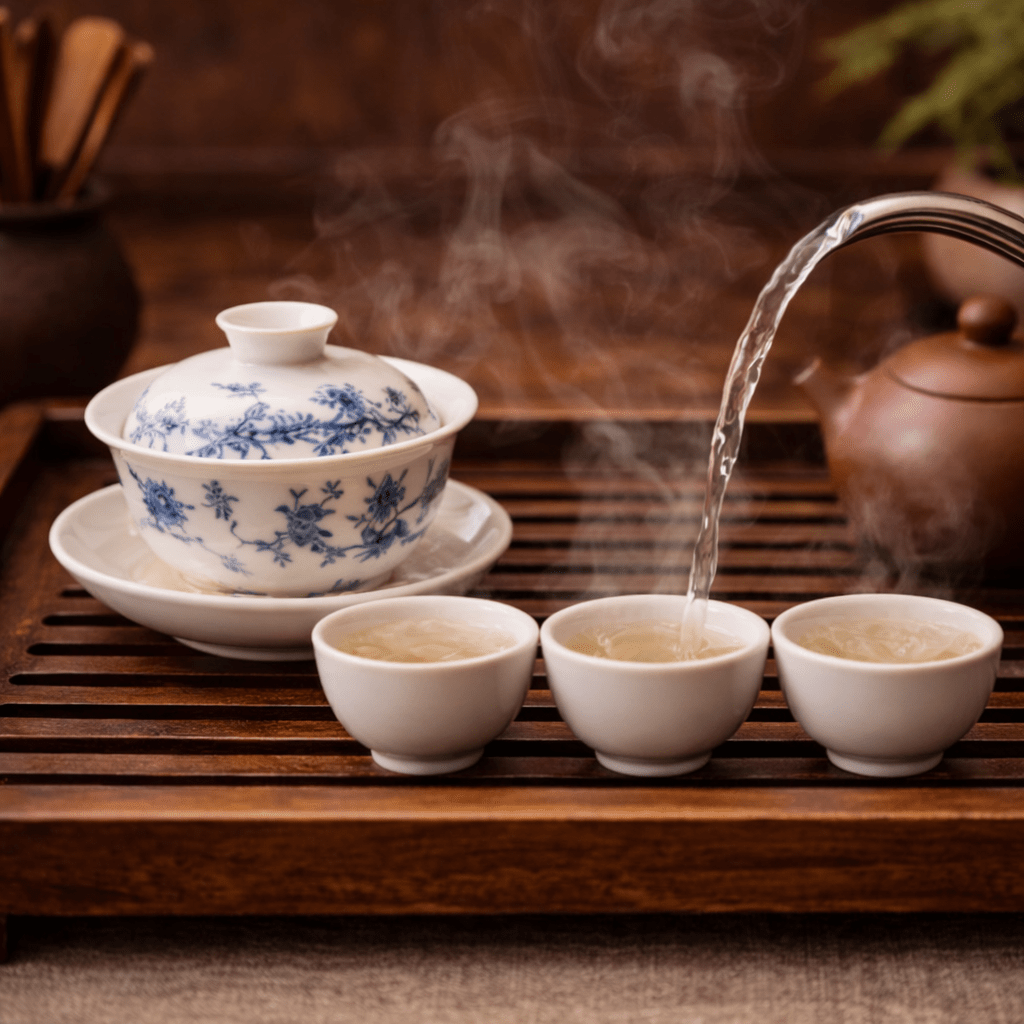
Although Gongfu tea may seem complicated at first, the process becomes natural with practice.
Step 1 — Warm the Teaware
Pour hot water into:
- gaiwan or teapot
- fairness pitcher
- tea cups
This step warms the vessels and prepares them for brewing.
Discard the water afterward.
Step 2 — Add Tea Leaves
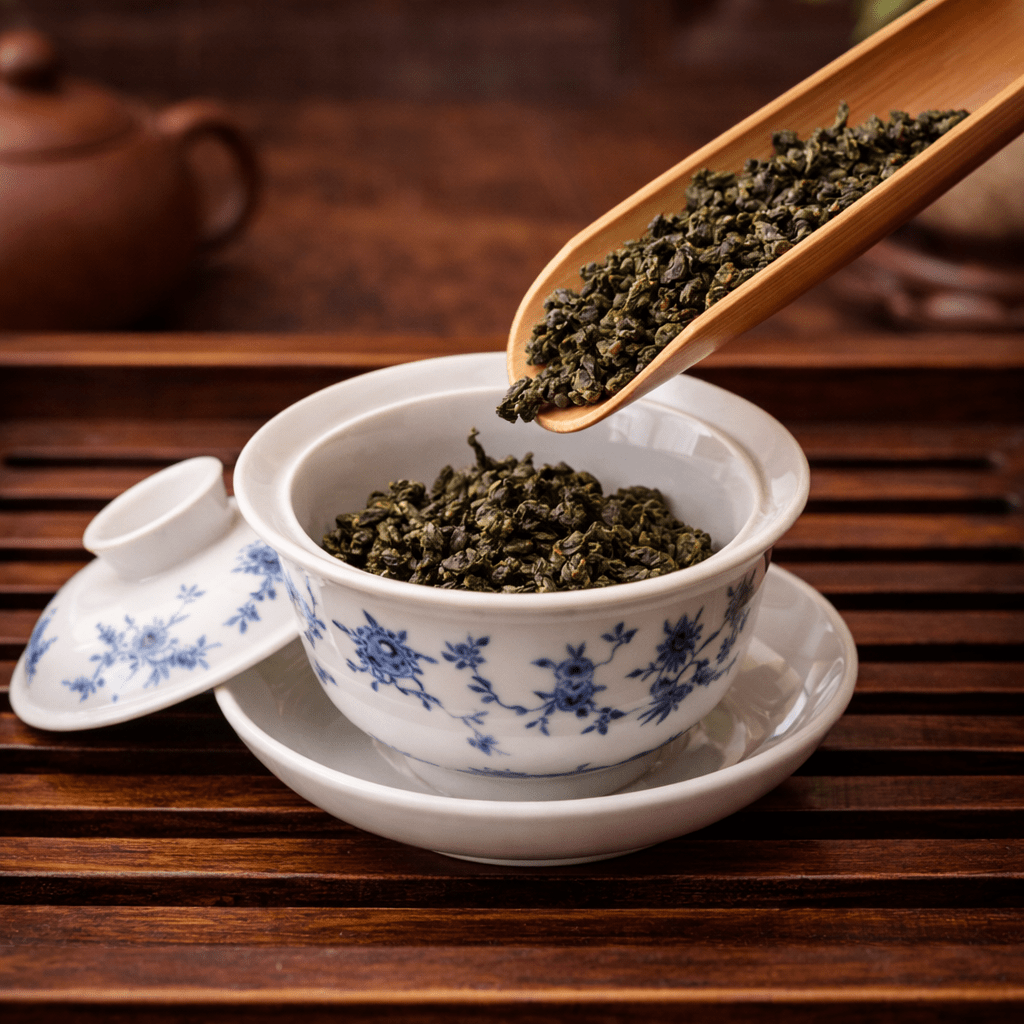
Gongfu brewing uses more tea leaves than Western brewing.
Typical ratio:
5–8 grams tea
per 100–120 ml water
This higher concentration allows short infusions while maintaining strong flavor.
Step 3 — Rinse the Tea
Many teas benefit from a quick rinse.
Pour hot water over the leaves and immediately discard it.
This step helps:
- awaken the leaves
- remove dust
- prepare the tea for brewing
Step 4 — First Infusion
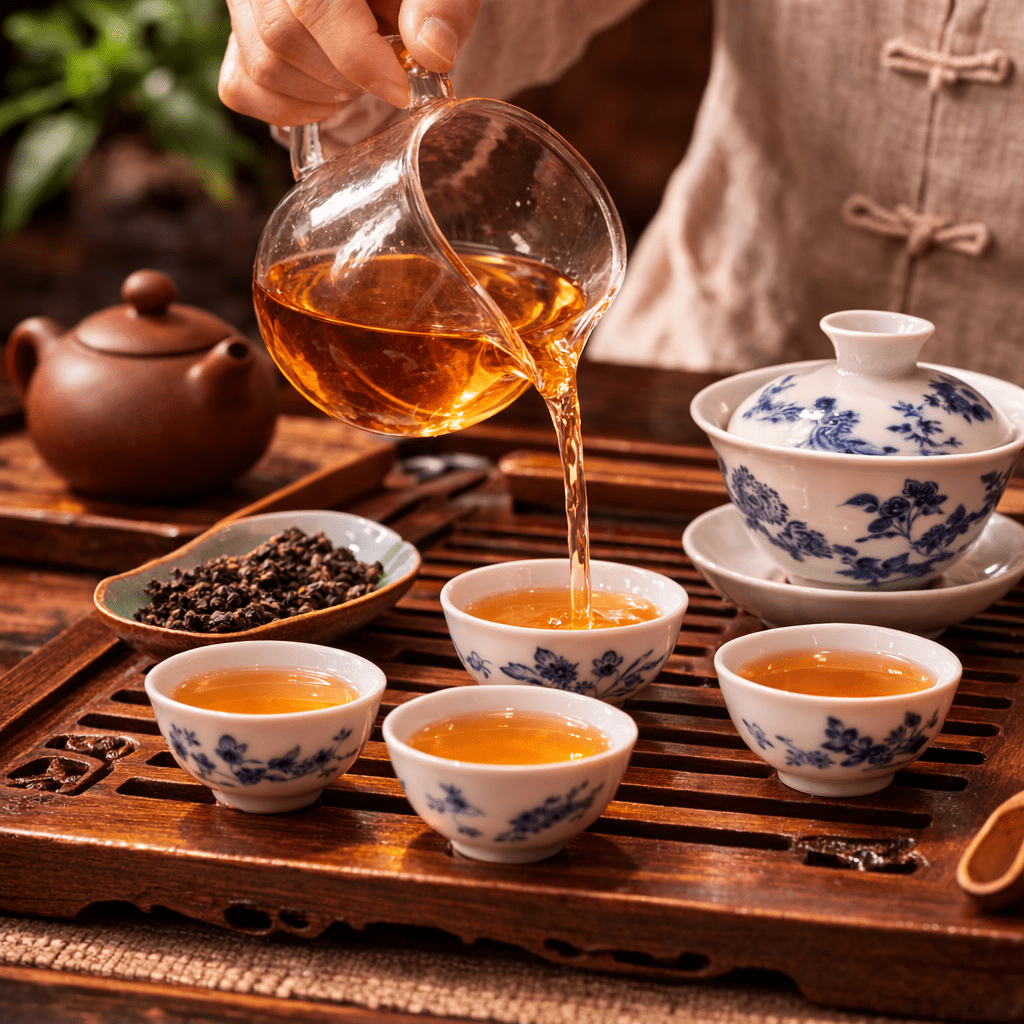
Pour hot water over the tea leaves.
The first infusion is usually short:
10–20 secondsAfter steeping, pour the tea into the fairness pitcher and then into cups.
Step 5 — Continue Multiple Infusions
High-quality tea leaves can be infused many times.
Each infusion gradually increases in steeping time.
Example progression:
1st infusion: 15 seconds
2nd infusion: 20 seconds
3rd infusion: 25 seconds
With each infusion, the flavor profile evolves.
Best Teas for Gongfu Brewing
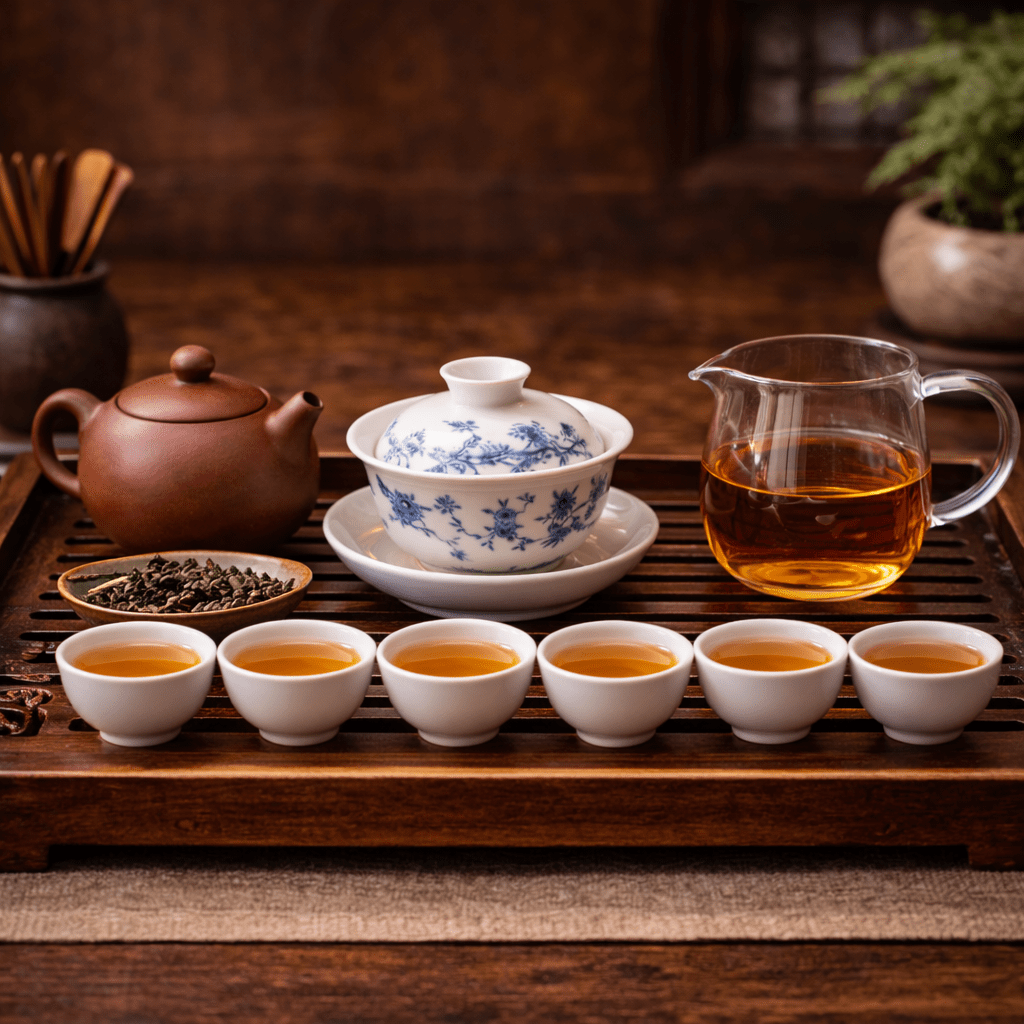
Not all teas are ideal for Gongfu brewing.
The method works best with teas that have complex flavor structures.
Oolong Tea
Oolong tea is considered the perfect Gongfu tea.
Its partially oxidized leaves contain layered aromas that unfold across multiple infusions.
Pu-erh Tea
Pu-erh tea is another excellent candidate.
Gongfu brewing reveals its deep earthy character gradually.
High-Quality Black Tea
Premium Chinese black teas can also be brewed Gongfu style.
This method highlights their sweetness and smooth body.
Gongfu Brewing vs Western Brewing
The main difference between Gongfu and Western brewing lies in brewing philosophy.
| Gongfu Brewing | Western Brewing |
|---|---|
| Small teaware | Large teapot |
| High leaf ratio | Lower leaf ratio |
| Multiple infusions | Usually single infusion |
| Short steep times | Long steep time |
Both styles are valid.
However, Gongfu brewing provides a more detailed exploration of tea flavor.
The Philosophy Behind Gongfu Tea
Gongfu tea brewing reflects deeper elements of Chinese philosophy.
It encourages:
- patience
- mindfulness
- appreciation of nature
- respect for tradition
Preparing tea slowly allows people to focus on the present moment.
For many practitioners, Gongfu tea becomes a daily meditation ritual.
Conclusion
Gongfu tea brewing is more than just a method of making tea.
It is a refined tradition that allows tea drinkers to fully experience the character of high-quality tea leaves.
Through careful attention to temperature, timing, and technique, Gongfu brewing reveals the aroma, flavor, and texture of tea across multiple infusions.
Whether you are new to tea or an experienced enthusiast, learning Gongfu brewing opens the door to a deeper appreciation of tea culture.