Best Teaware for Chinese Tea
Tea is not only about leaves and water. The tools used to brew tea can dramatically influence the flavor, aroma, and overall experience. In traditional Chinese tea culture, teaware is designed to highlight the character of different teas and support precise brewing techniques.
From porcelain gaiwans to clay teapots, each piece of teaware has a unique role in the tea ritual. Some tools improve heat control, while others help distribute tea evenly or enhance aroma.
Whether you are a beginner exploring Chinese tea or a seasoned tea enthusiast building a tea setup, understanding the essential teaware can transform the way you brew and enjoy tea.
This guide introduces the most important teaware used in Chinese tea brewing and explains how each tool contributes to a better tea experience.
The Philosophy of Chinese Teaware
Chinese tea culture emphasizes harmony between tea, water, vessel, and the person brewing the tea. Unlike casual tea drinking where a teabag is simply steeped in a mug, Chinese tea preparation often involves carefully selected tools that allow the tea leaves to express their full character.
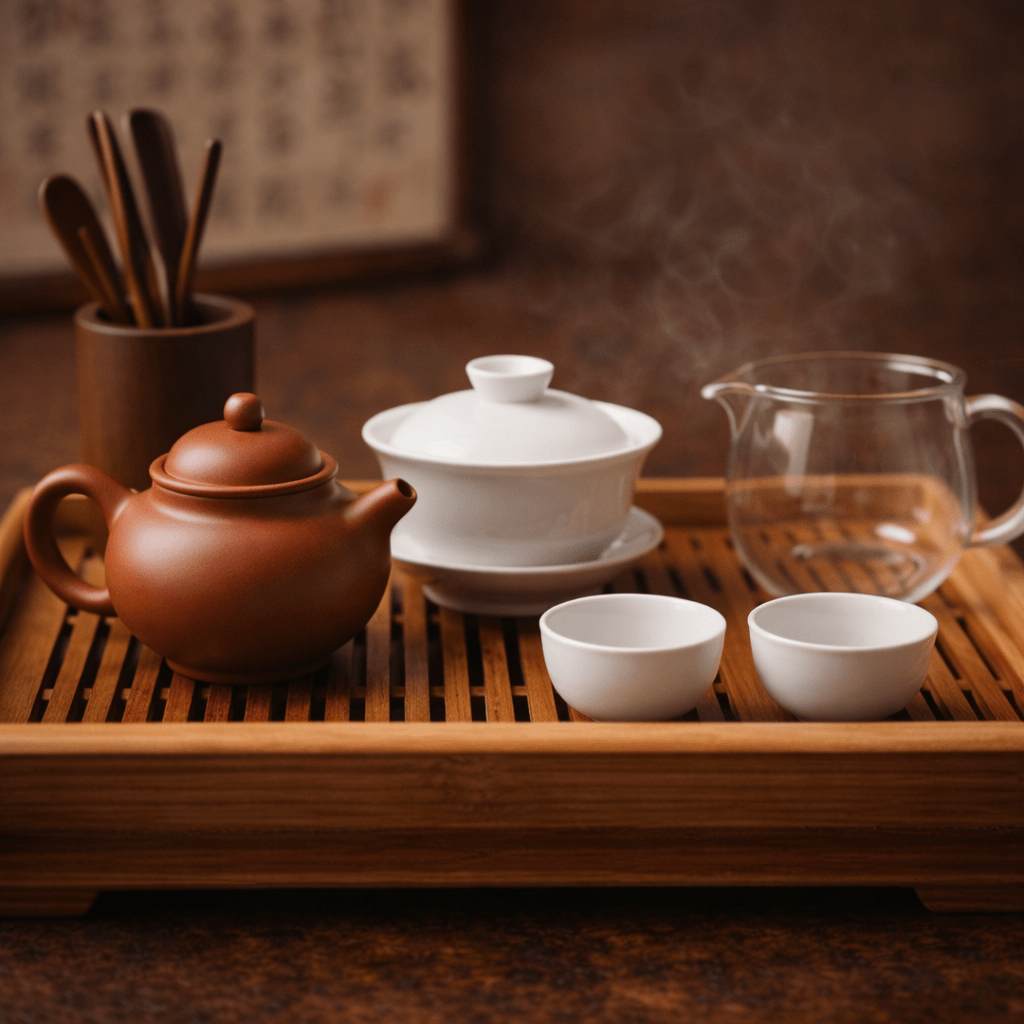
Traditional teaware is designed with several goals in mind:
• controlling brewing temperature
• allowing tea leaves to fully expand
• preserving delicate aromas
• pouring tea evenly among guests
• enhancing the visual and sensory experience
Because different teas behave differently during brewing, certain teaware is better suited for particular tea types.
For example:
Green tea often works best in glass cups or porcelain gaiwans.
Oolong tea is traditionally brewed in a gaiwan or small clay teapot.
Pu-erh tea is frequently brewed using a Yixing teapot.
Understanding the purpose of each tool helps you choose the right teaware for the tea you are brewing.
Essential Teaware for Chinese Tea Brewing
Below are the core pieces of teaware used in traditional Chinese tea preparation.
1 Gaiwan (盖碗)
The gaiwan is one of the most versatile brewing vessels in Chinese tea culture.
A gaiwan consists of three parts:
• bowl
• lid
• saucer
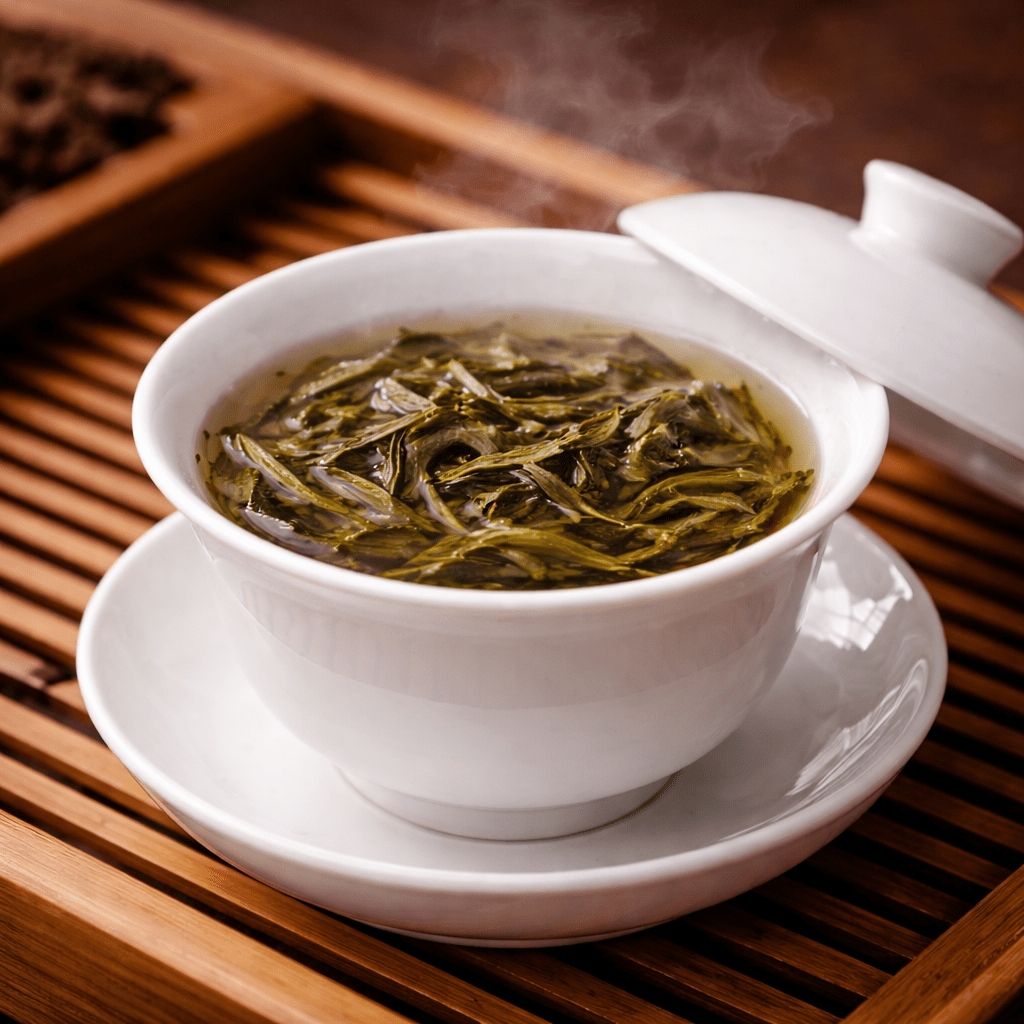
The gaiwan allows the tea drinker to observe the leaves, control infusion time, and pour tea quickly.
Advantages of using a gaiwan include:
• excellent heat retention
• easy control over steeping time
• ability to smell tea aroma from the lid
• suitable for nearly all tea types
Gaiwans are commonly used for:
• green tea
• white tea
• oolong tea
• pu-erh tea
Many tea enthusiasts prefer gaiwans because they allow them to experience tea in a very direct and traditional way.
2 Yixing Teapot (宜兴紫砂壶)
Yixing teapots are made from special clay found in Yixing, China. These teapots are famous for their porous structure, which absorbs tea oils over time.
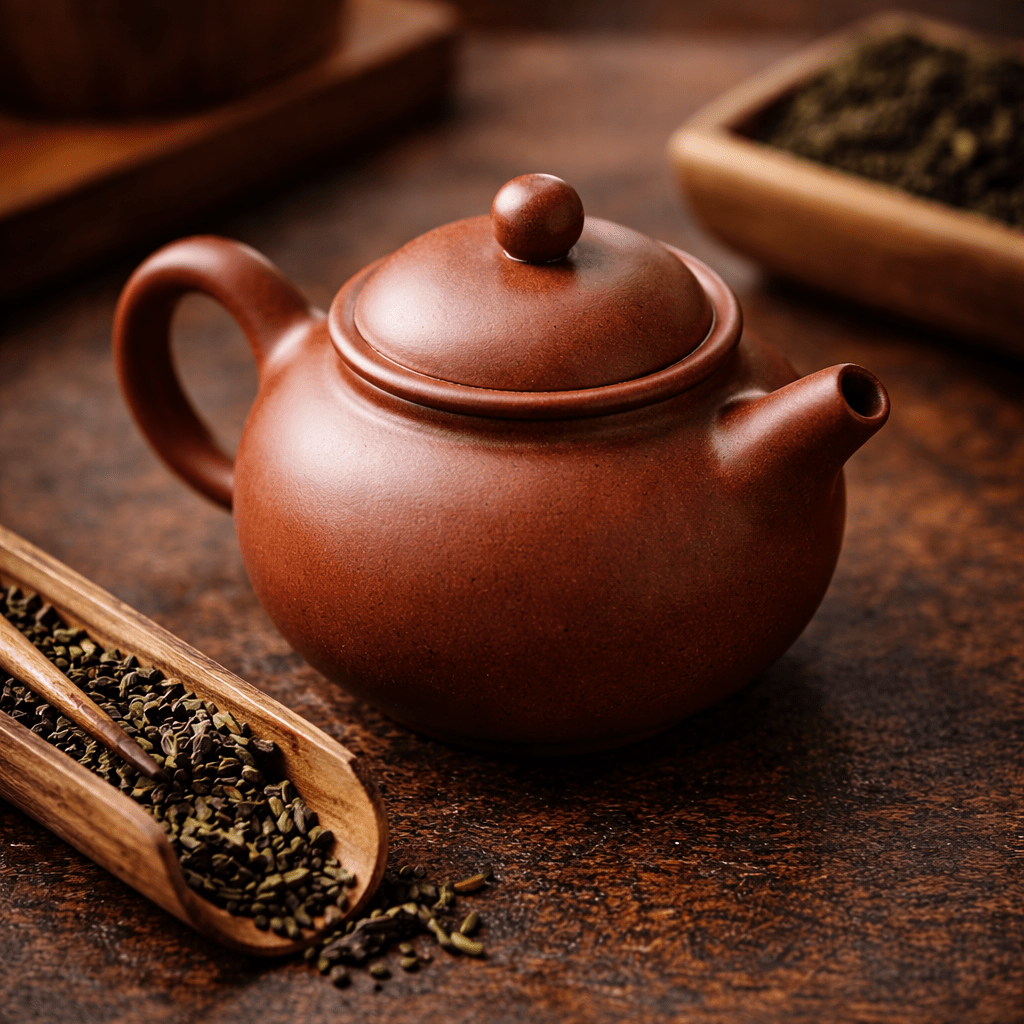
Because of this property, a Yixing teapot gradually develops a unique flavor memory. For this reason, tea drinkers usually dedicate one Yixing teapot to a single type of tea.
For example:
• oolong tea
• pu-erh tea
• black tea
Advantages of Yixing teapots:
• excellent heat retention
• enhances tea flavor over time
• ideal for repeated infusions
However, Yixing teapots require proper seasoning before use.
3 Fairness Pitcher (Cha Hai / Gong Dao Bei)
The fairness pitcher plays an important role in Gongfu tea brewing.
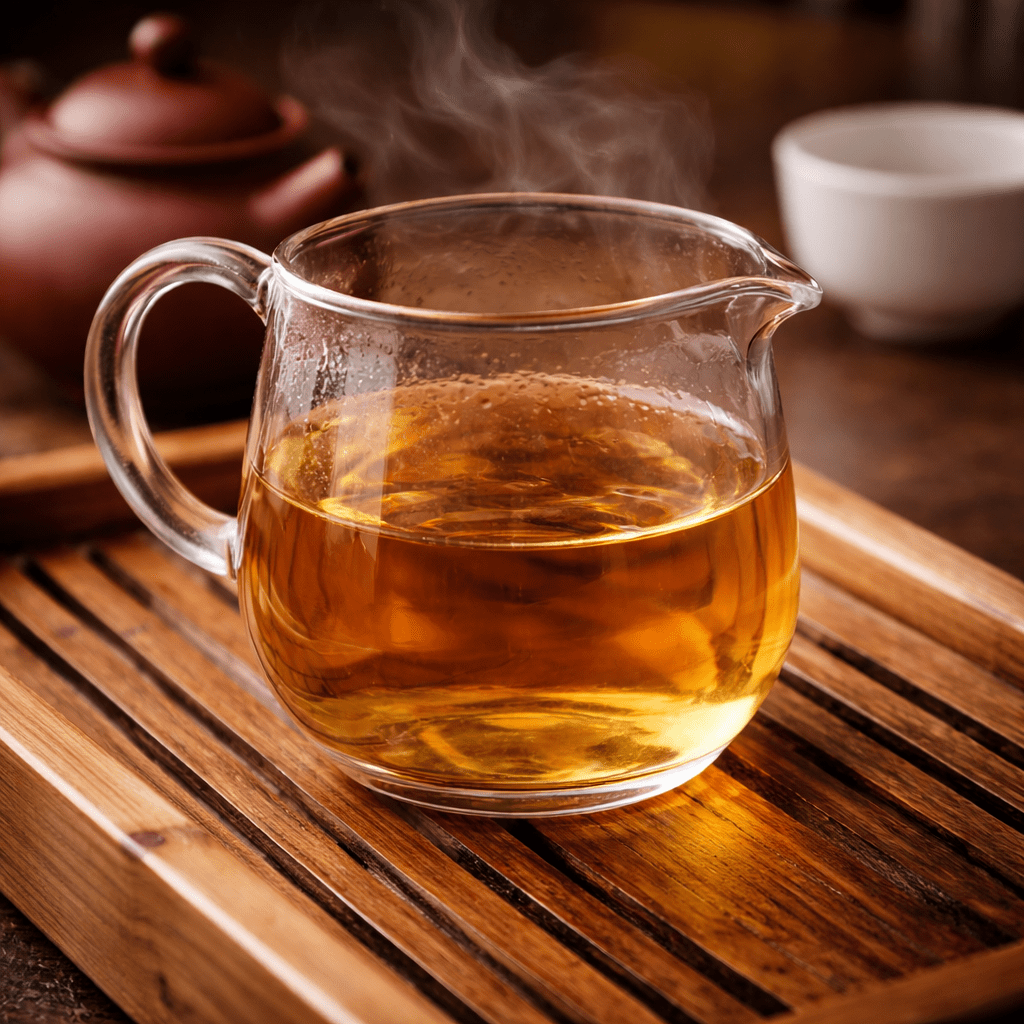
After tea is brewed in a gaiwan or teapot, the tea is poured into the fairness pitcher before serving. This ensures that every cup receives tea with the same strength and flavor.
Without a fairness pitcher, the first cup might be weak while the last cup becomes overly strong.
Functions of the fairness pitcher:
• equalizing tea strength
• preventing over-steeping
• allowing controlled pouring
It is one of the most practical tools in any tea setup.
4 Tea Cups (品茗杯)
Tea cups used in Chinese tea culture are usually small. Unlike large Western mugs, these cups are designed to encourage slow tasting and multiple infusions.
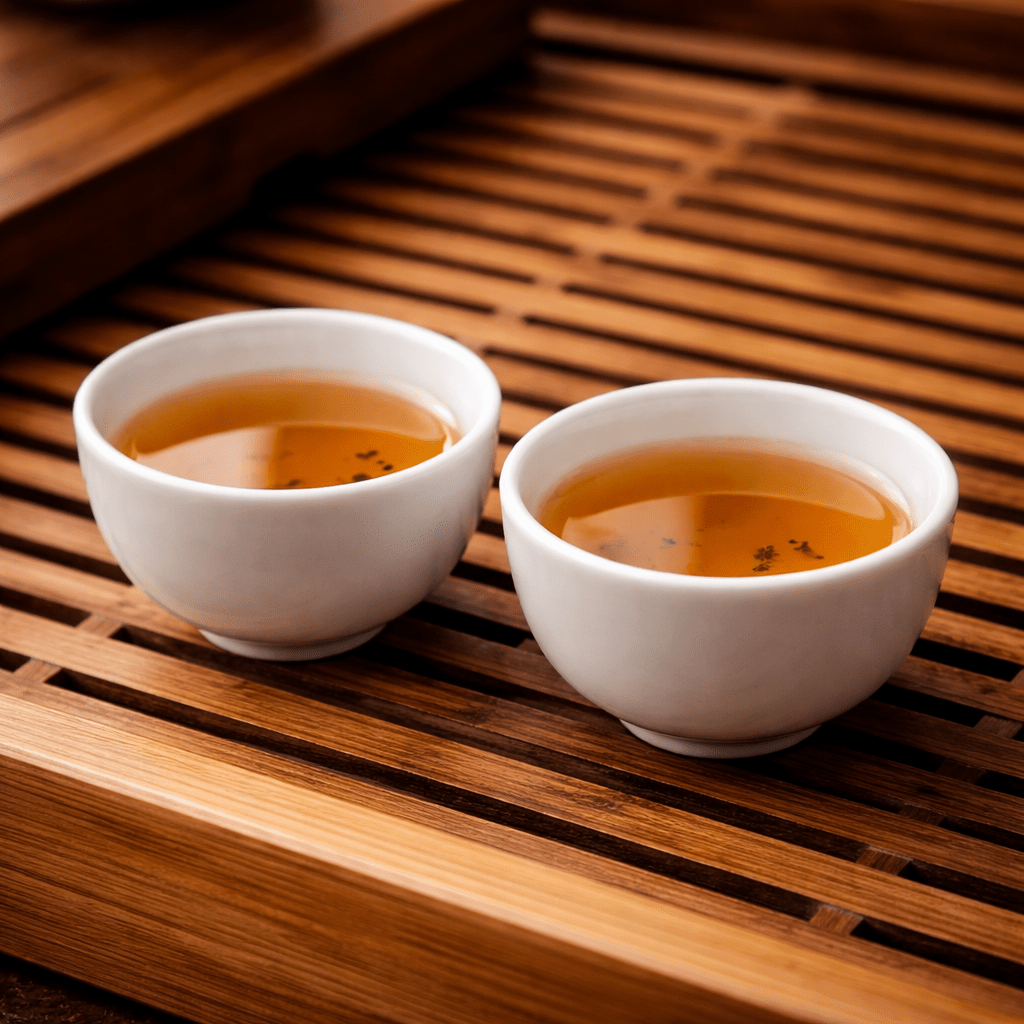
Small cups help drinkers:
• appreciate aroma more clearly
• observe tea color
• experience tea in small concentrated sips
Traditional Chinese tea cups are often made from:
• porcelain
• ceramic
• glass
Each material offers slightly different sensory experiences.
5 Tea Tray (茶盘)
A tea tray is used to hold all teaware during Gongfu tea brewing.
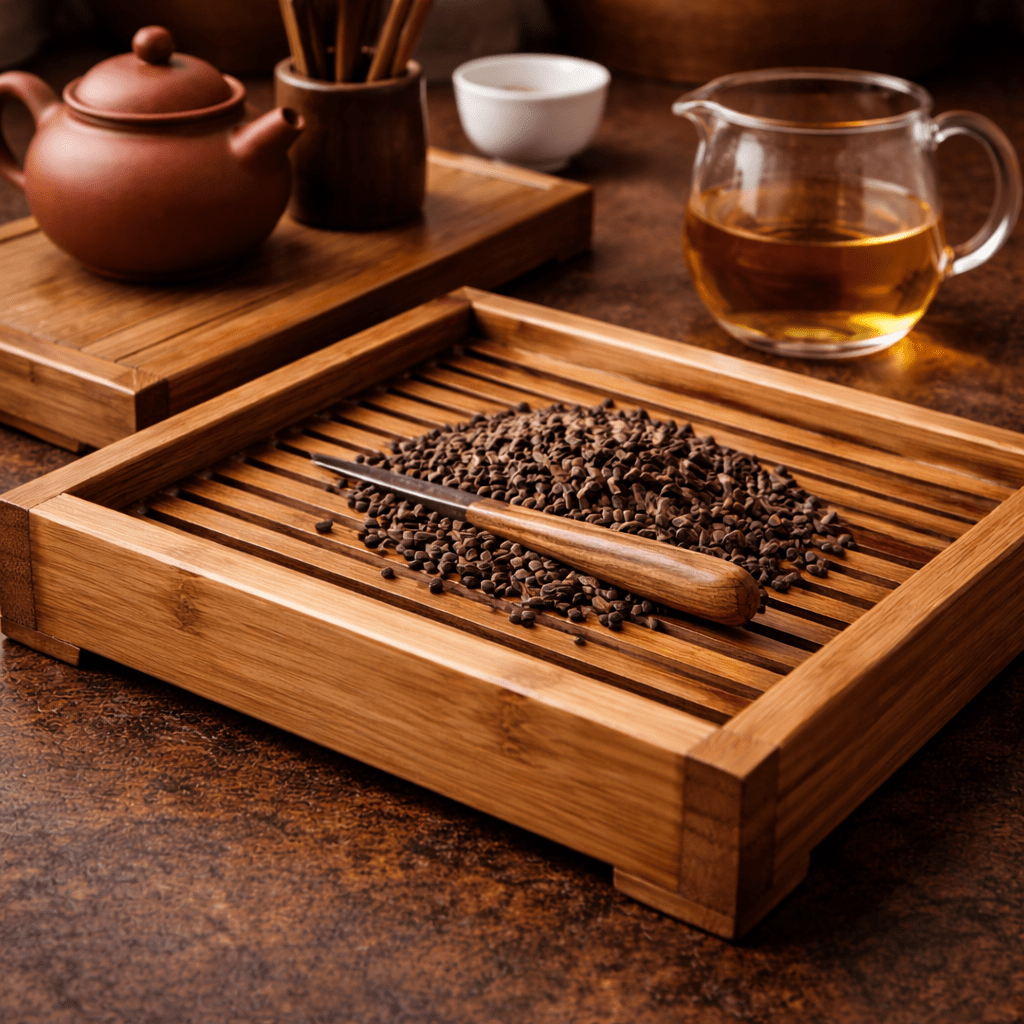
Many tea trays contain drainage systems that collect excess water. During traditional brewing, tea masters often rinse teaware and pour water freely, so the tray keeps the table clean.
Benefits of tea trays include:
• organized tea setup
• easy water drainage
• improved presentation
A tea tray creates a dedicated space for tea preparation.
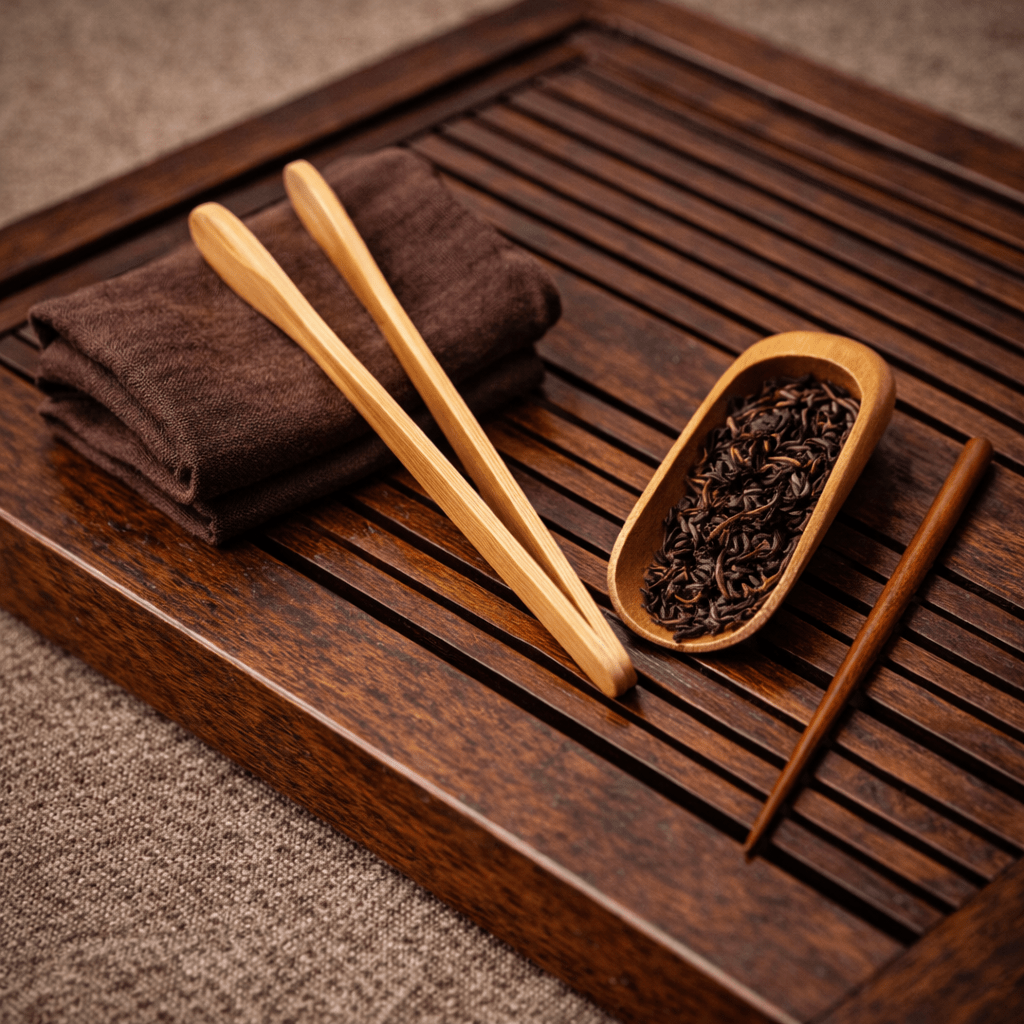
6 Tea Scoop and Tea Tools
Tea tools help measure and handle tea leaves.
Common tea tools include:
• tea scoop
• tea needle
• tea tongs
• tea brush
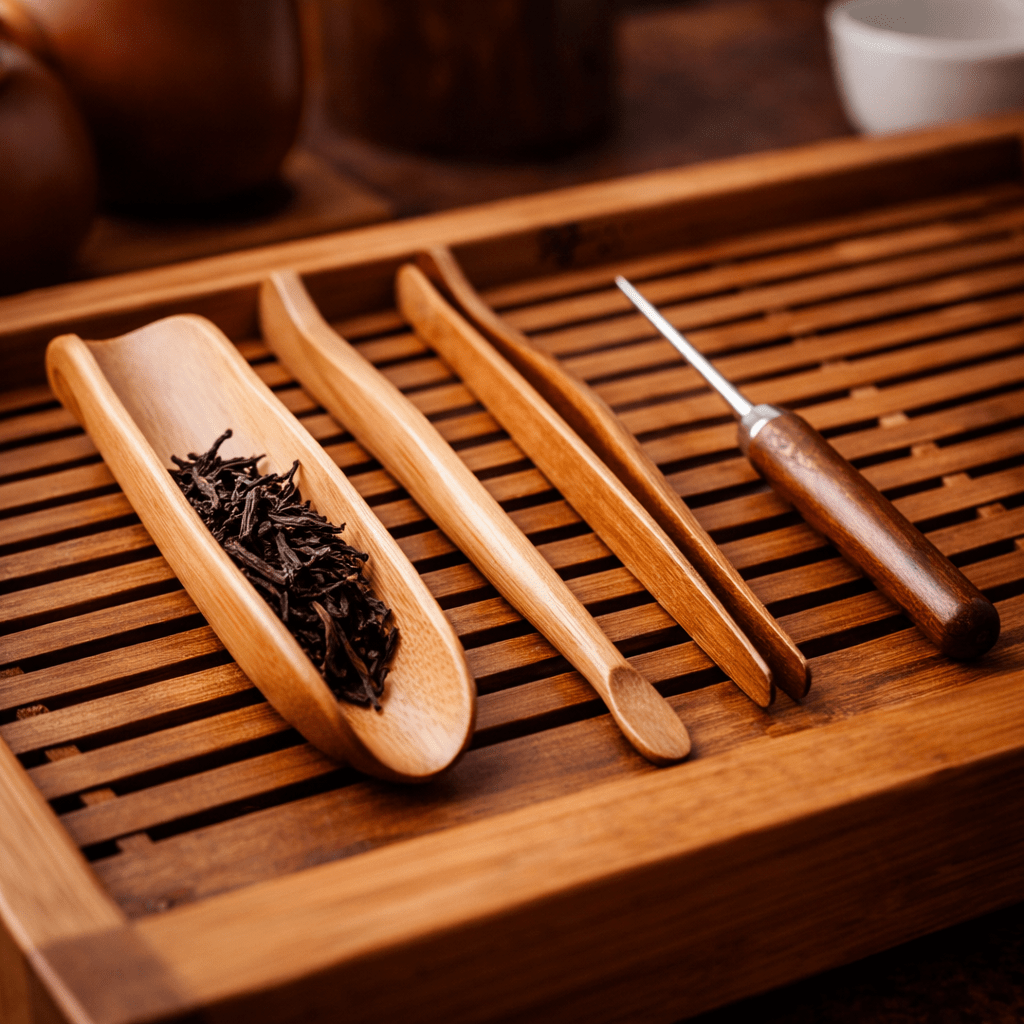
Tea scoops help measure the correct amount of loose leaf tea. Tea needles are used to break compressed teas such as Pu-erh cakes.
While not strictly necessary for beginners, tea tools enhance the elegance and precision of the brewing process.
7 Tea Infuser
For people who prefer simple brewing methods, a tea infuser can be very convenient.
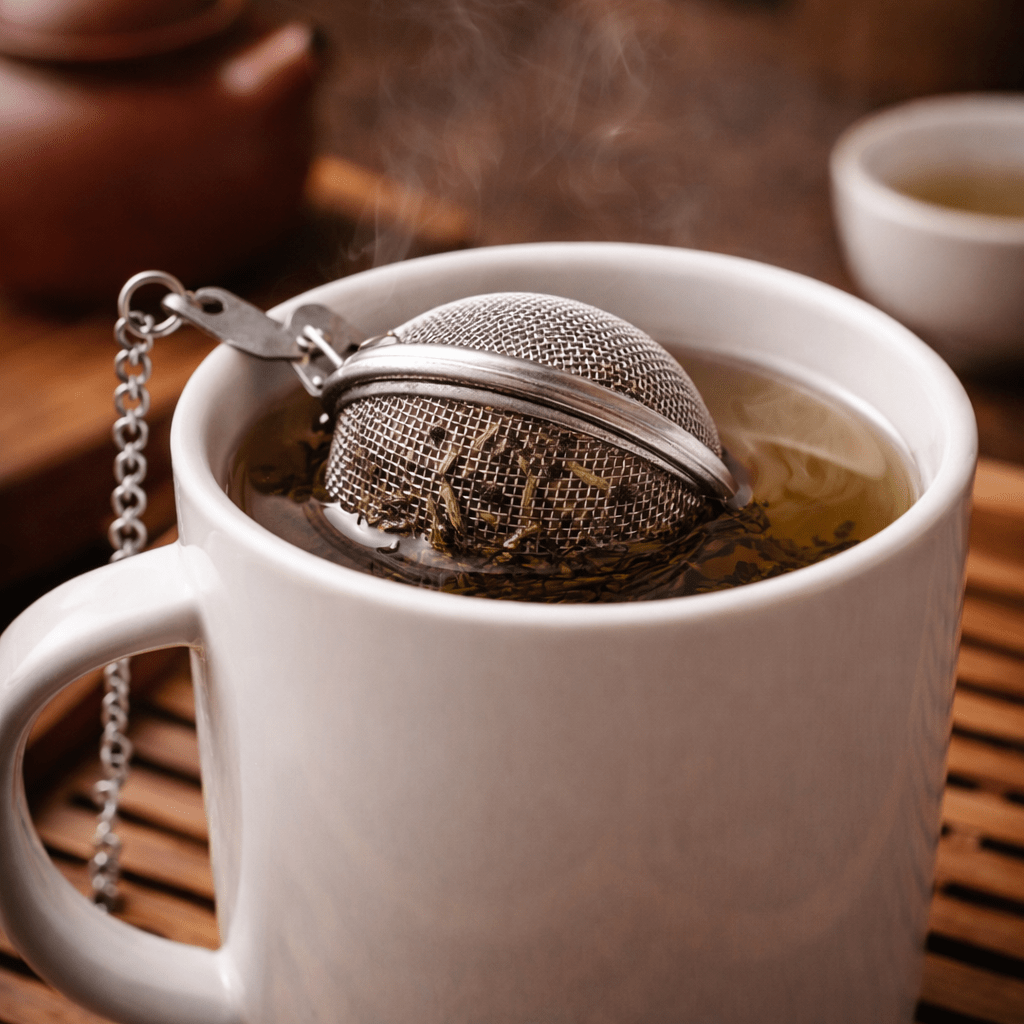
Tea infusers allow loose leaf tea to be brewed in:
• mugs
• teapots
• travel cups
Compared with traditional Gongfu brewing, infusers are more casual but still allow the use of high-quality loose leaf tea.
Many modern tea drinkers start with infusers before exploring more traditional brewing tools.
Choosing the Right Teaware
When building a tea setup, it is not necessary to purchase every tool at once. A simple beginner setup might include:
• gaiwan
• fairness pitcher
• two or three tea cups
With just these three pieces, you can already practice traditional Gongfu tea brewing.
As your interest grows, you might add:
• Yixing teapot
• tea tray
• tea tools
Over time, your tea setup becomes both functional and aesthetically pleasing.
Minimal Chinese Tea Setup for Beginners
If you are just starting with Chinese tea, the following minimal setup works very well:
Gaiwan
Fairness pitcher
Two small cups
Loose leaf tea
This simple combination allows you to explore different teas while learning the fundamentals of brewing.
Many tea enthusiasts discover that using proper teaware makes the entire tea experience more enjoyable and mindful.
The Role of Teaware in the Tea Experience
Teaware does more than hold tea. It shapes the entire sensory experience of drinking tea.
The feel of porcelain in the hand, the sound of tea being poured, and the aroma released from a gaiwan lid all contribute to the atmosphere of the tea session.
Traditional Chinese tea culture emphasizes slowing down and paying attention to small details. The right teaware supports this philosophy by making tea preparation both practical and beautiful.
Over time, many tea drinkers develop a personal connection with their favorite teaware, turning tea brewing into a calming daily ritual.