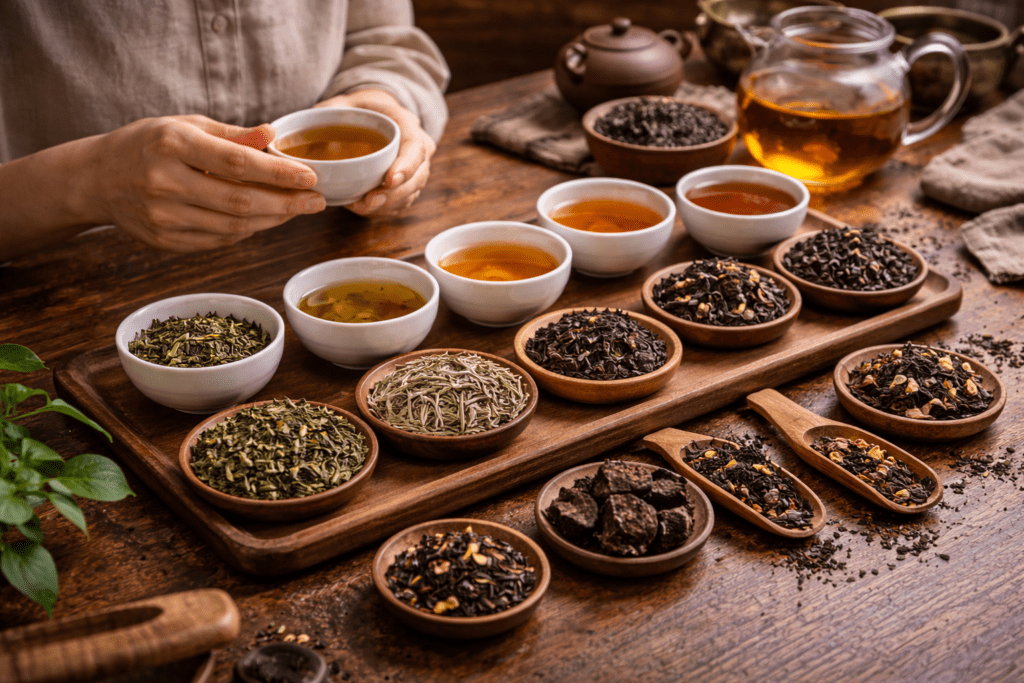
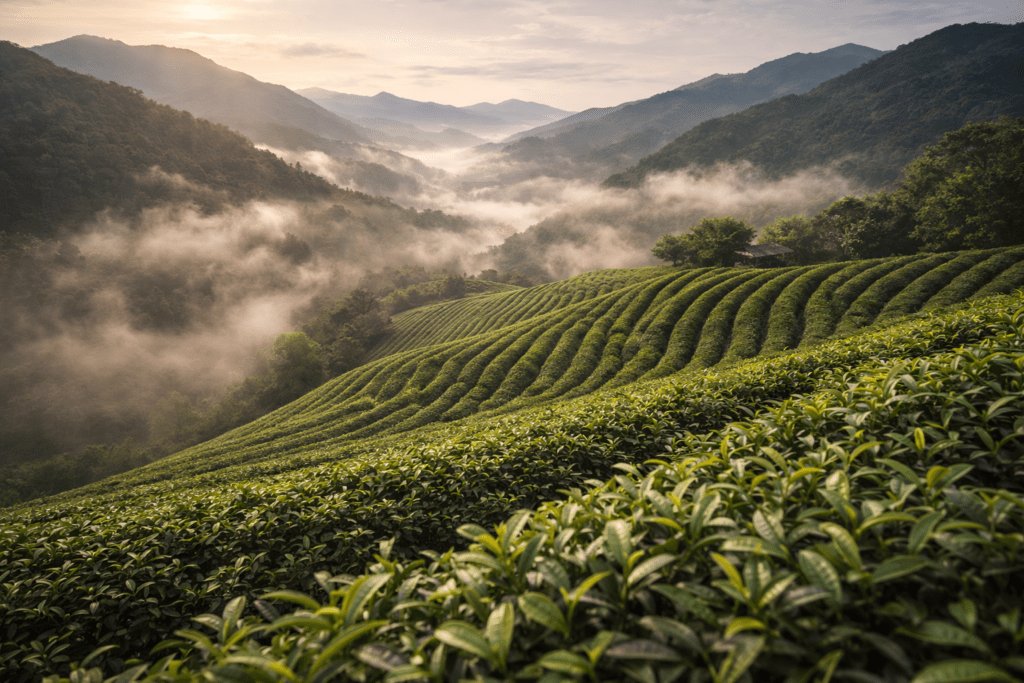
Loose leaf tea is widely considered the highest quality form of tea available. Unlike tea bags that often contain small broken particles or dust, loose leaf tea preserves the full shape of the tea leaf. This allows the leaves to expand naturally during brewing, releasing richer flavors, deeper aromas, and more complex tasting notes.
For centuries, tea cultures across China, Japan, and other tea-producing regions have valued loose leaf tea for its authenticity and craftsmanship. Today, loose leaf tea continues to represent the best way to experience tea in its most natural form.
However, choosing high quality loose leaf tea can be difficult for beginners. With hundreds of varieties available, it can be challenging to know what separates premium tea from ordinary tea.
This guide will help you understand how to buy loose leaf tea confidently. By learning a few key principles about leaf appearance, aroma, origin, and processing, you can quickly recognize teas that deliver exceptional flavor and quality.
What Is Loose Leaf Tea?
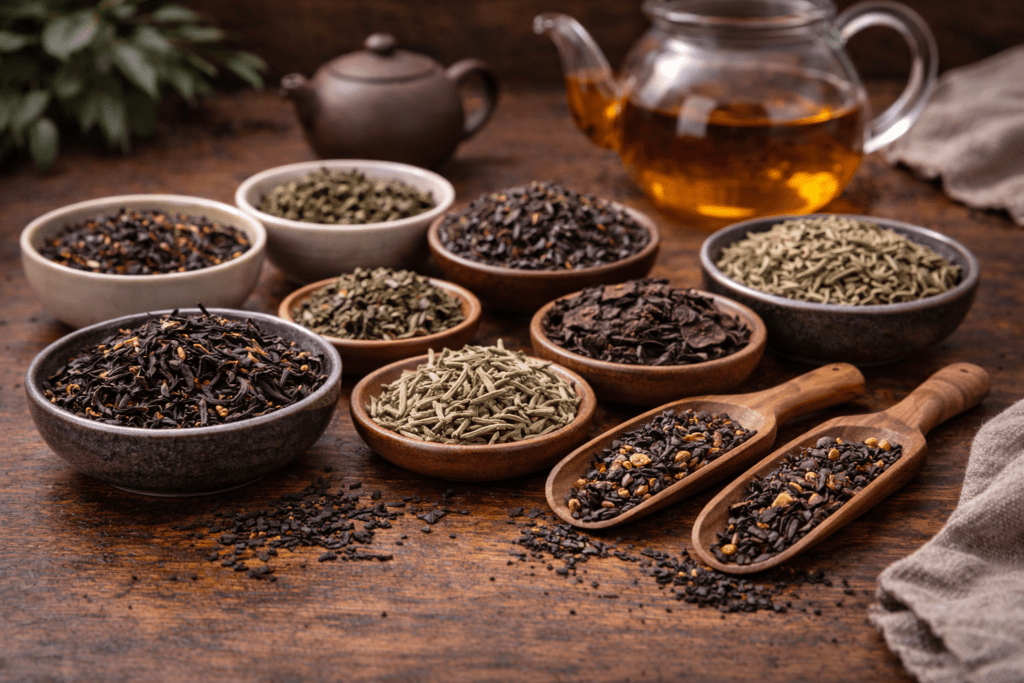
Loose leaf tea refers to whole or partially whole tea leaves that are sold without being packed into tea bags.
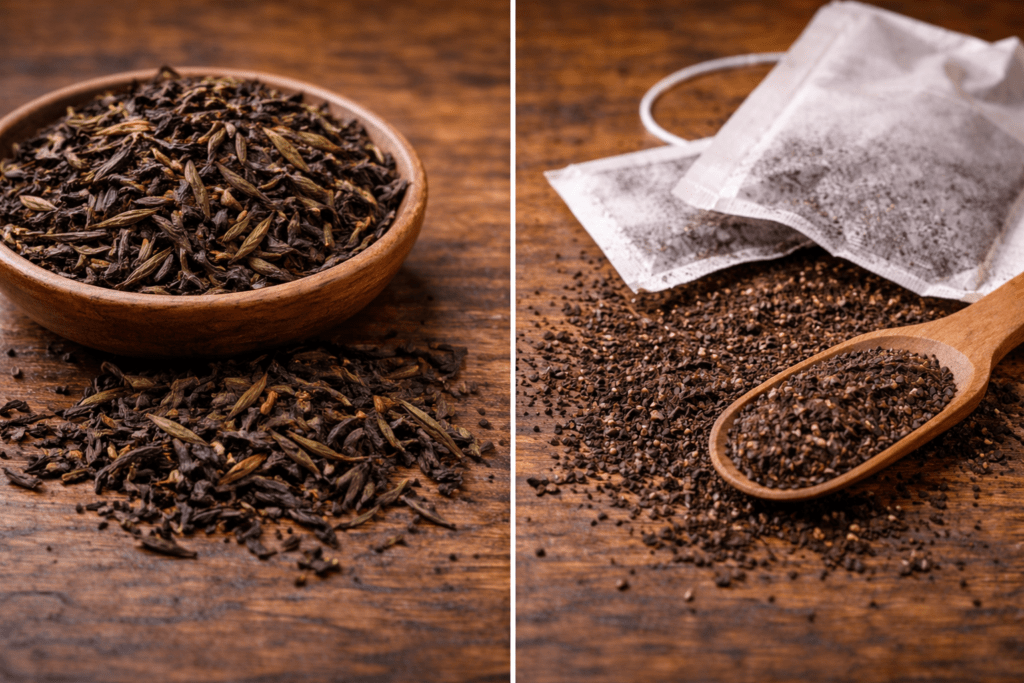
Unlike tea bags, which often contain smaller fragments known as “fannings” or “dust,” loose leaf tea preserves the structure of the tea leaves.
Because the leaves remain larger and less processed, they are able to release flavor gradually during brewing.
This creates several advantages:
• more complex aroma
• smoother taste
• multiple infusions
• better visual appearance
High quality loose leaf tea also allows drinkers to see the leaves themselves, which helps evaluate freshness and craftsmanship.
For many tea enthusiasts, loose leaf tea represents the purest way to enjoy tea.
Why Loose Leaf Tea Is Better Than Tea Bags
One of the most common questions beginners ask is why loose leaf tea is considered superior to tea bags.
The difference mainly comes down to leaf quality and space for infusion.
Tea bags typically contain very small pieces of tea. These fragments are produced during industrial processing and tend to lose aromatic compounds quickly.
Because the leaves are broken, they also release flavor too rapidly when brewed. This often results in bitterness or flat flavor.
Loose leaf tea behaves differently.
Whole leaves unfold slowly in hot water, allowing flavor compounds to dissolve gradually. This produces a smoother and more balanced cup of tea.
Another advantage is that loose leaf tea can be infused multiple times. Many high quality teas can produce three to eight infusions depending on the variety.
How to Evaluate Loose Leaf Tea Quality
When buying loose leaf tea, there are several key signs that indicate quality.
Learning to recognize these signs will help you choose better tea consistently.
Leaf Appearance
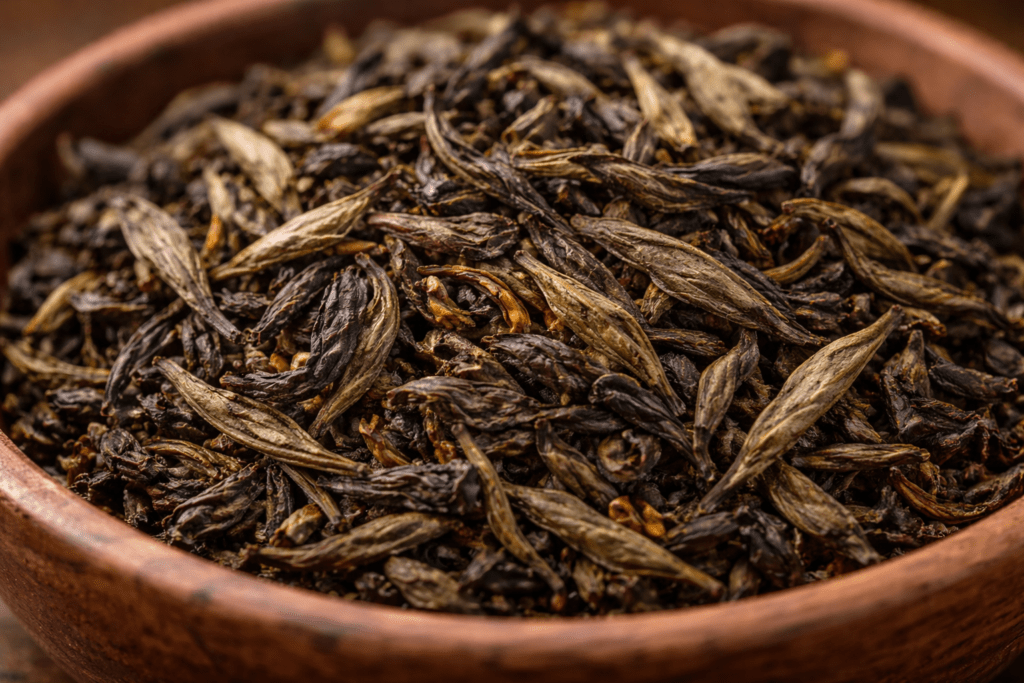
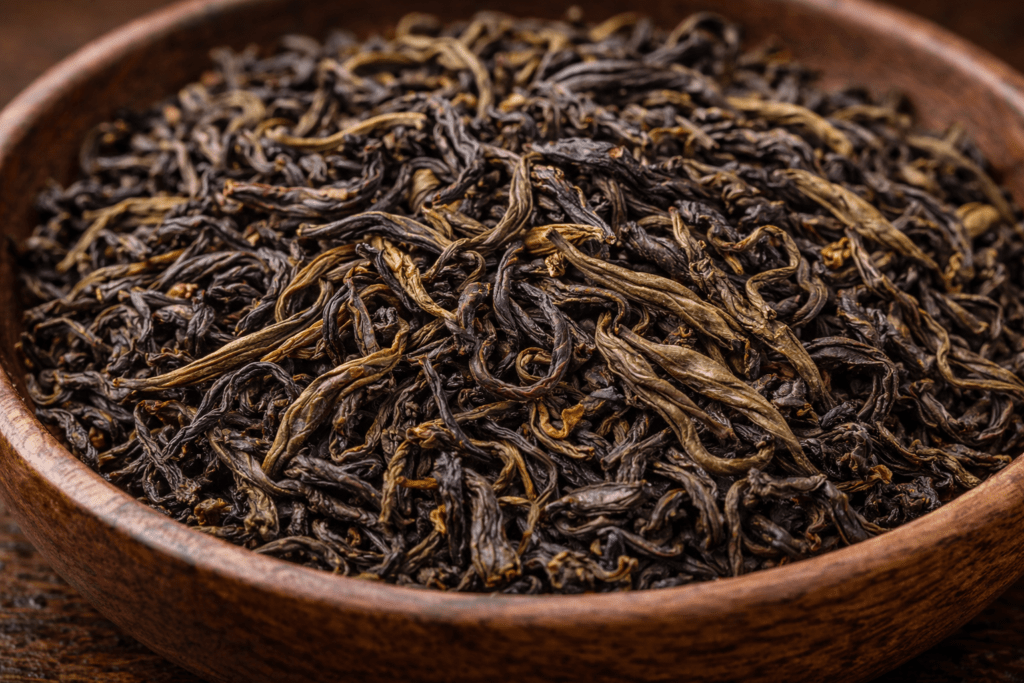
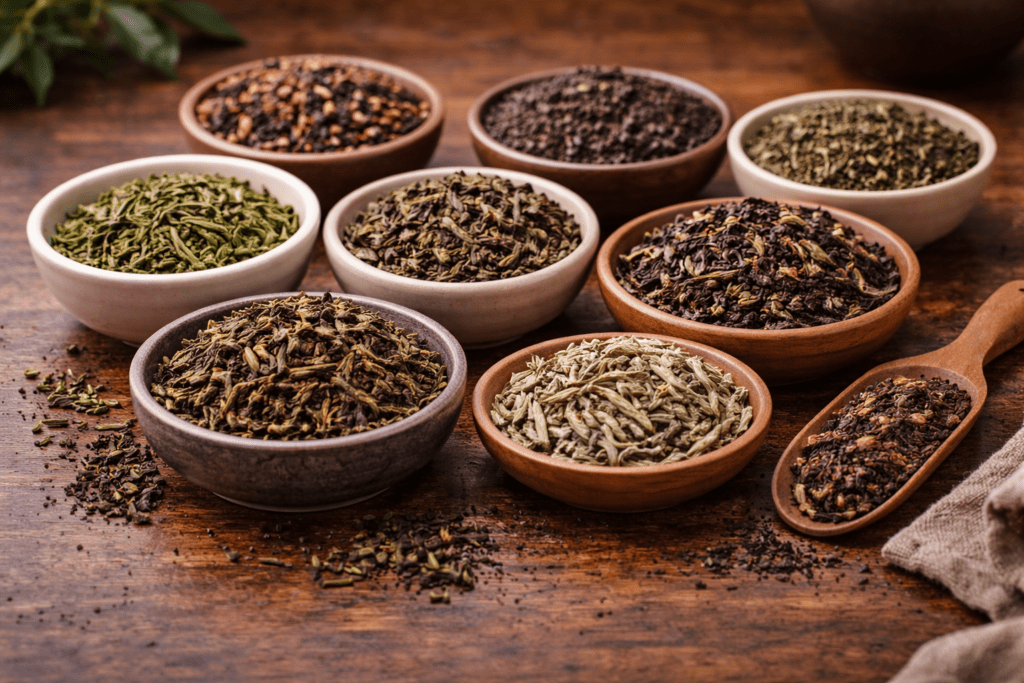
High quality loose leaf tea typically has well-formed leaves that appear whole and uniform.
The leaves should look carefully processed rather than crushed.
Depending on the tea type, leaves may appear:
• twisted
• rolled
• long and slender
• needle shaped
Broken fragments and excessive dust usually indicate lower grade tea.
Aroma of Dry Leaves
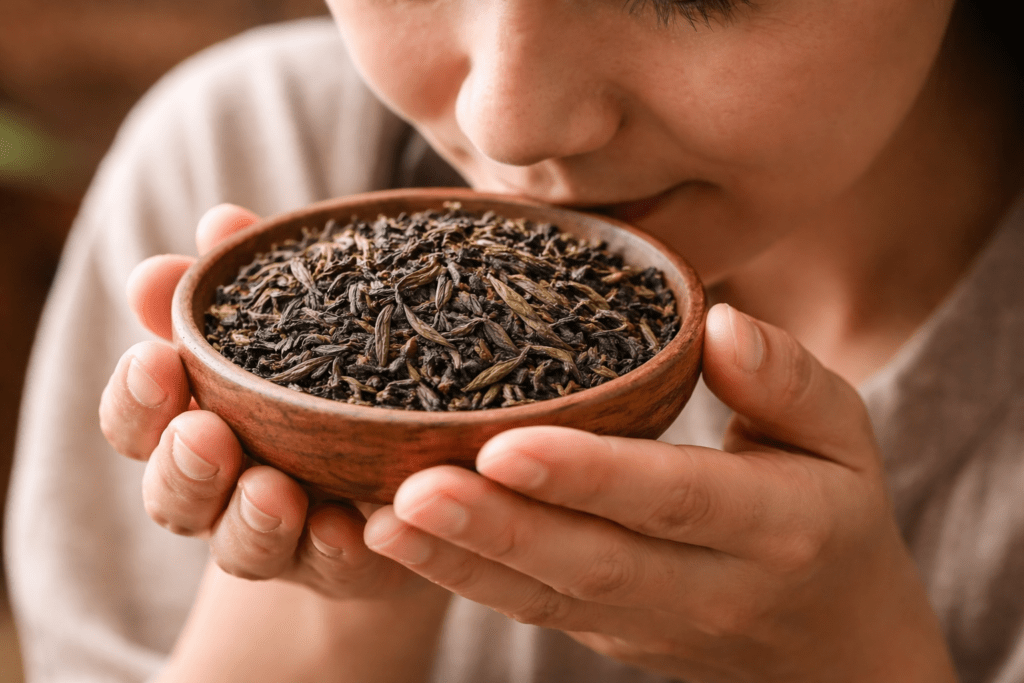
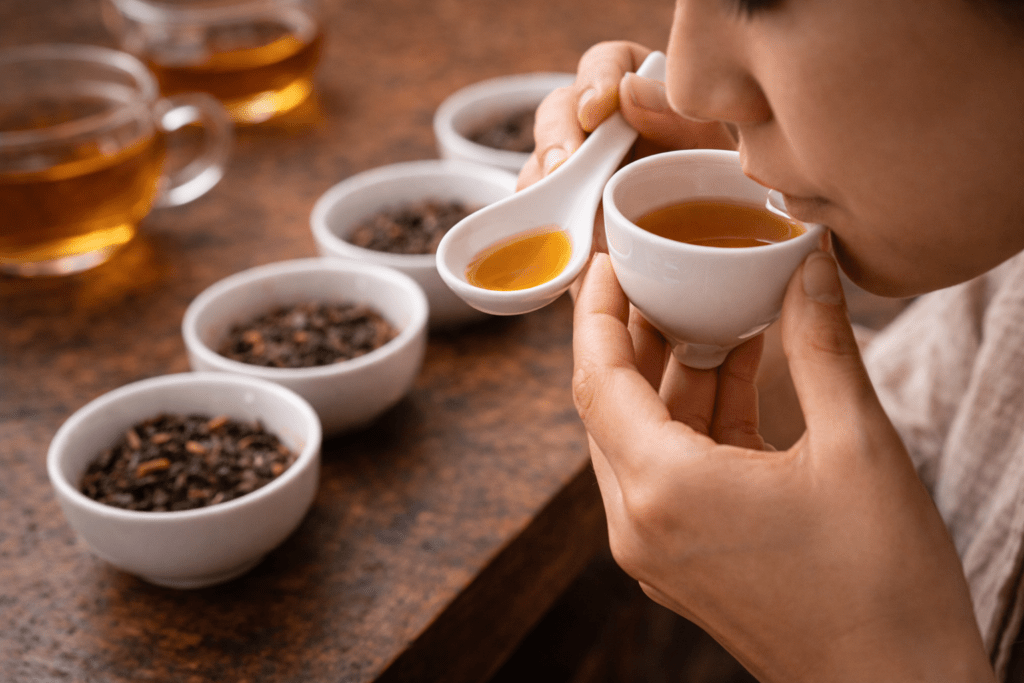
The fragrance of dry tea leaves reveals a lot about freshness and processing quality.
Premium tea often has a clear and inviting aroma even before brewing.
Some teas smell floral, others nutty, fruity, or honey-like.
If the aroma feels dull, dusty, or slightly sour, the tea may be old or poorly stored.
Fresh tea should always smell vibrant and clean.
Color of the Brewed Tea
After brewing the tea, observe the color of the infusion.
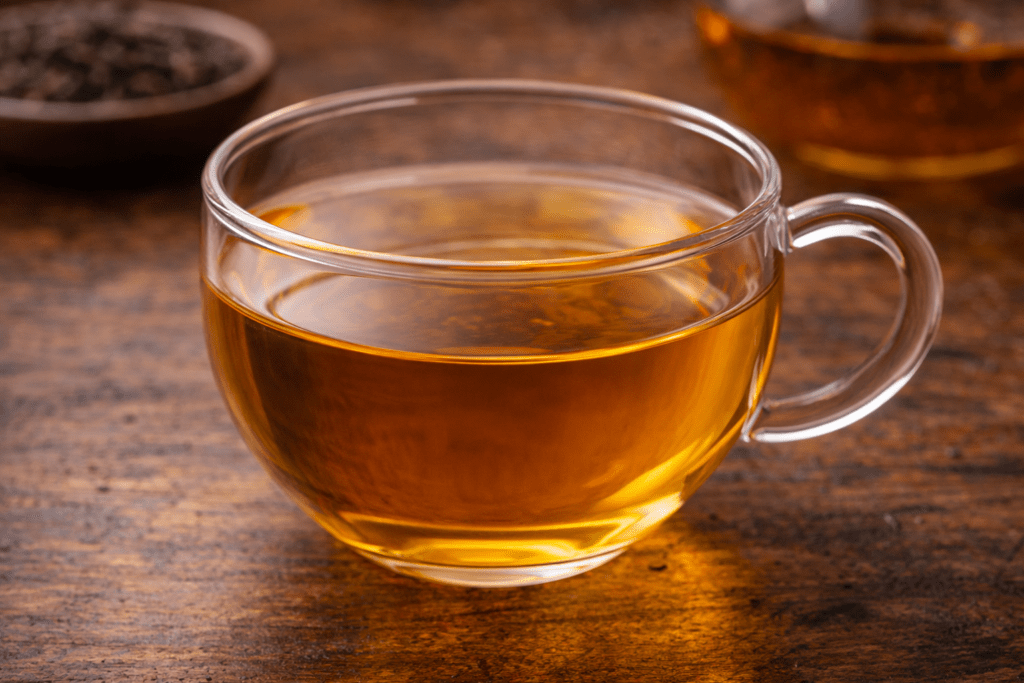
High quality tea generally produces a clear and bright liquor.
Different teas have different colors.
Green tea usually appears light yellow or pale green.
Oolong tea tends to produce golden or amber liquor.
Black tea often shows deep reddish tones.
If the tea appears cloudy or muddy, it may indicate lower quality leaves.
Taste and Aftertaste
Taste is the final test of tea quality.
Premium loose leaf tea typically has a balanced flavor that is neither overly bitter nor dull.
Good tea often reveals multiple layers of flavor.
For example:
• floral notes
• fruity hints
• roasted tones
• lingering sweetness
Another sign of high quality tea is the aftertaste.
Many fine teas produce a gentle sweetness that remains in the mouth long after drinking.
Types of Loose Leaf Tea to Consider
Loose leaf tea includes many different varieties.
Understanding the major tea categories can help guide your purchasing decisions.
Green Tea
Green tea is one of the least processed tea types.
It is known for its fresh vegetal flavor and delicate aroma.
Popular loose leaf green teas include:
• Longjing (Dragon Well)
• Biluochun
• Sencha
These teas are often harvested in early spring and valued for their freshness.
Oolong Tea
Oolong tea sits between green tea and black tea in oxidation level.
Its flavor can range from floral and creamy to roasted and complex.
Famous oolong teas include:
• Tieguanyin
• Da Hong Pao
• Phoenix Dan Cong
Oolong tea is particularly well suited for Gongfu brewing.
Black Tea
Black tea is fully oxidized and typically produces bold flavors.
Loose leaf black tea varieties often include rich aromas and smooth sweetness.
Examples include:
• Keemun
• Lapsang Souchong
• Dian Hong
White Tea
White tea is minimally processed and often uses young buds and leaves.
It is known for its gentle sweetness and delicate flavor.
Common white teas include:
• Silver Needle
• Bai Mudan
Where to Buy Loose Leaf Tea
Buying loose leaf tea from reliable sources is essential.
Specialized tea shops often provide the best selection of fresh, carefully sourced teas.
Many reputable vendors also sell tea online and provide detailed information about harvest season, origin, and processing.
When buying tea, look for vendors that clearly state:
• tea origin
• harvest season
• processing style
• cultivar information
Transparency is usually a good sign of quality.
Common Mistakes When Buying Loose Leaf Tea
Many beginners make simple mistakes when purchasing tea.
Avoid these common problems:
Buying tea only based on price
Choosing tea bags instead of loose leaf
Ignoring storage conditions
Buying very old tea labeled as “fresh”
While premium tea may cost slightly more, the quality difference is usually worth the investment.
Tips for Beginners Buying Loose Leaf Tea
If you are new to loose leaf tea, start with a few approachable varieties.
Some beginner-friendly options include:
• Longjing green tea
• Tieguanyin oolong
• Dian Hong black tea
• Bai Mudan white tea
These teas offer balanced flavor and are widely appreciated by tea drinkers around the world.
Experimenting with different tea styles will help you discover which flavors you enjoy most.
Final Thoughts
Loose leaf tea offers one of the most rewarding ways to experience tea.
By understanding how to evaluate leaf appearance, aroma, flavor, and origin, you can confidently choose teas that deliver exceptional quality.
Over time, exploring different tea styles will deepen your appreciation for the craftsmanship and cultural traditions behind tea.
Whether you prefer delicate green tea, complex oolong tea, or rich black tea, loose leaf tea provides a gateway to a world of flavor and discovery.