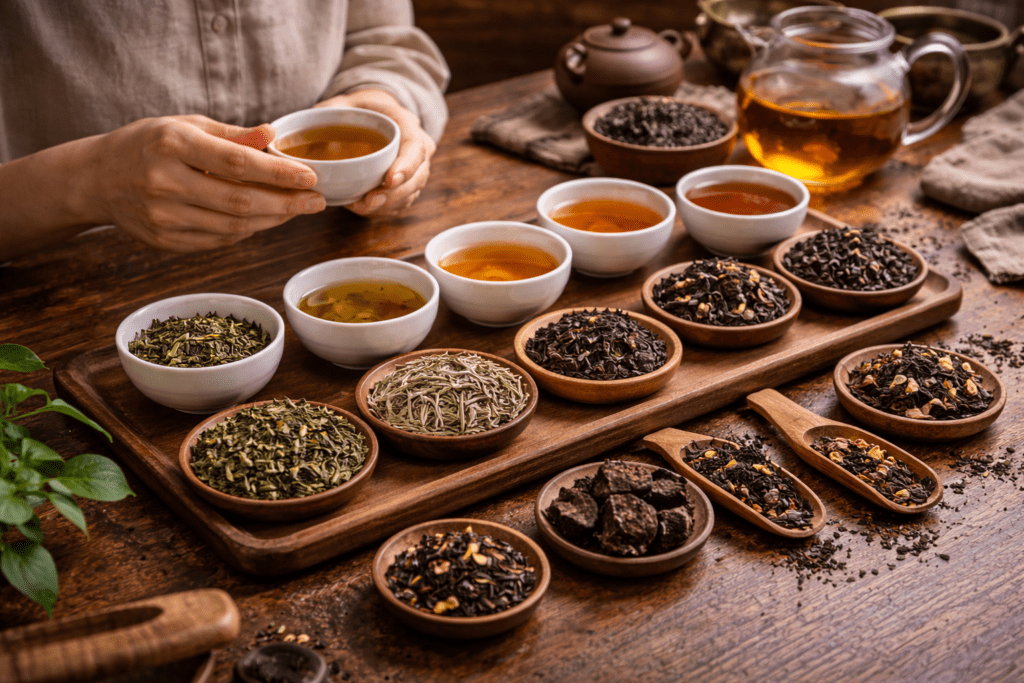
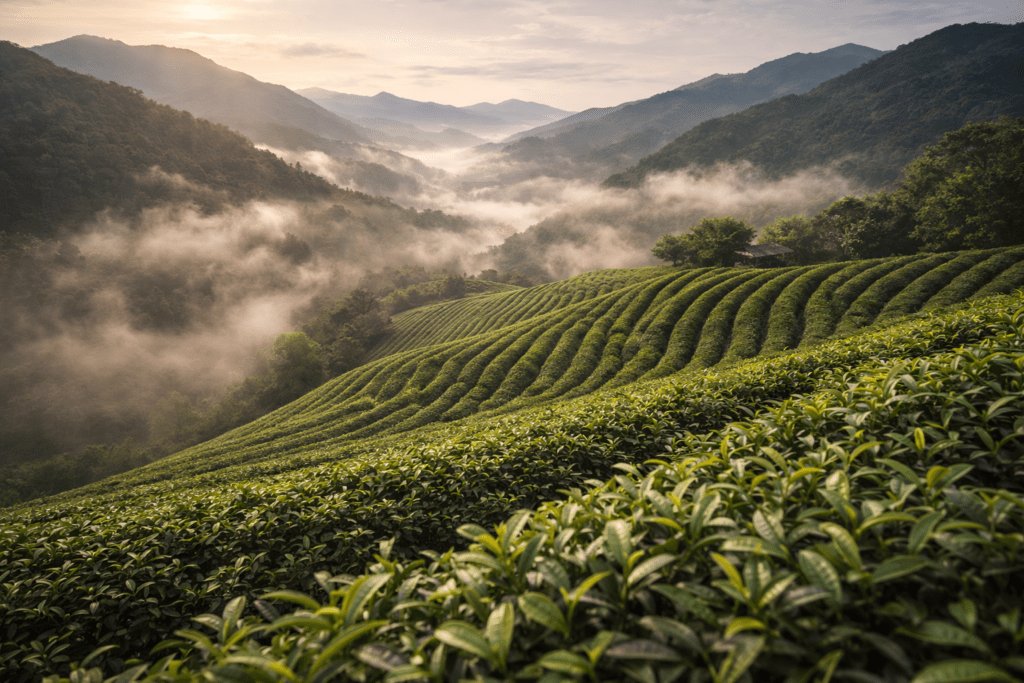
Chinese tea has a history that stretches back thousands of years. Over time, countless tea producers, merchants, and tea houses have emerged across China’s diverse tea regions. Some companies focus on traditional craftsmanship, while others specialize in modern packaging and international distribution.
For tea drinkers who want authentic Chinese tea, choosing a trustworthy tea brand can make a significant difference. High-quality tea brands carefully source leaves, maintain strict processing standards, and preserve the unique character of regional teas.
This guide introduces some of the most respected Chinese tea brands and explains how to choose a reliable tea company when buying loose leaf tea.
Why Tea Brands Matter When Buying Chinese Tea
Unlike mass-produced beverages, Chinese tea quality varies greatly depending on:
- origin of the tea leaves
- harvesting season
- processing techniques
- storage conditions
- handling during transport
Reliable tea brands control these factors carefully.
A reputable tea brand usually:
- sources tea from famous tea-growing regions
- maintains consistent quality across batches
- uses proper storage and packaging
- offers clear information about tea origin
Without these standards, tea quality can vary dramatically even when the product name is the same.
For example, two teas both labeled “Longjing” may taste completely different depending on where and how they were produced.
Characteristics of a Good Chinese Tea Brand
Not every company selling tea is truly focused on quality. Some brands prioritize authenticity, while others focus more on mass production.
Here are some characteristics that often define trustworthy Chinese tea brands.
Transparent sourcing
Good tea companies clearly indicate where their tea comes from.
Examples include:
- West Lake Longjing from Hangzhou
- Wuyi rock oolong from Fujian
- Anxi Tieguanyin from Fujian
- Yunnan Pu-erh from Yunnan province
When a brand provides clear information about the tea’s origin, it usually reflects a stronger commitment to quality.
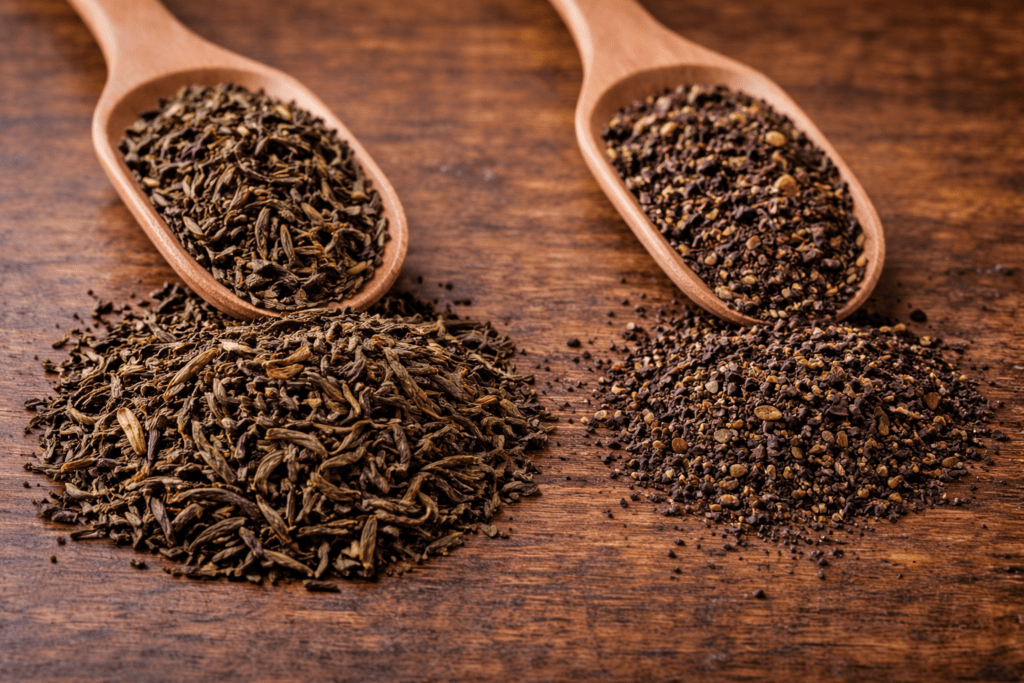
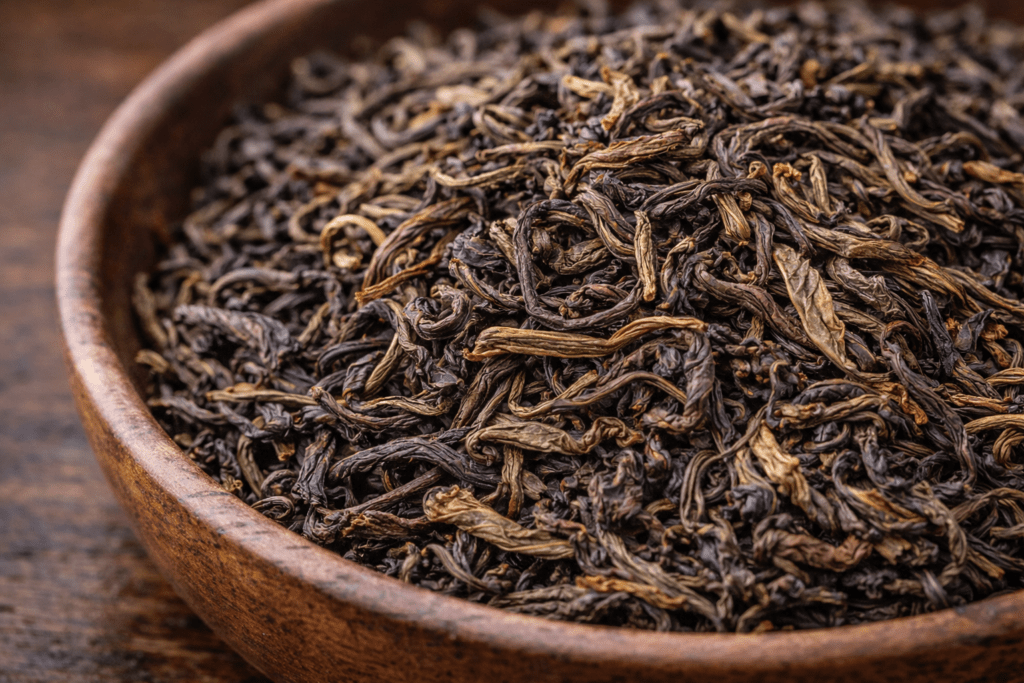
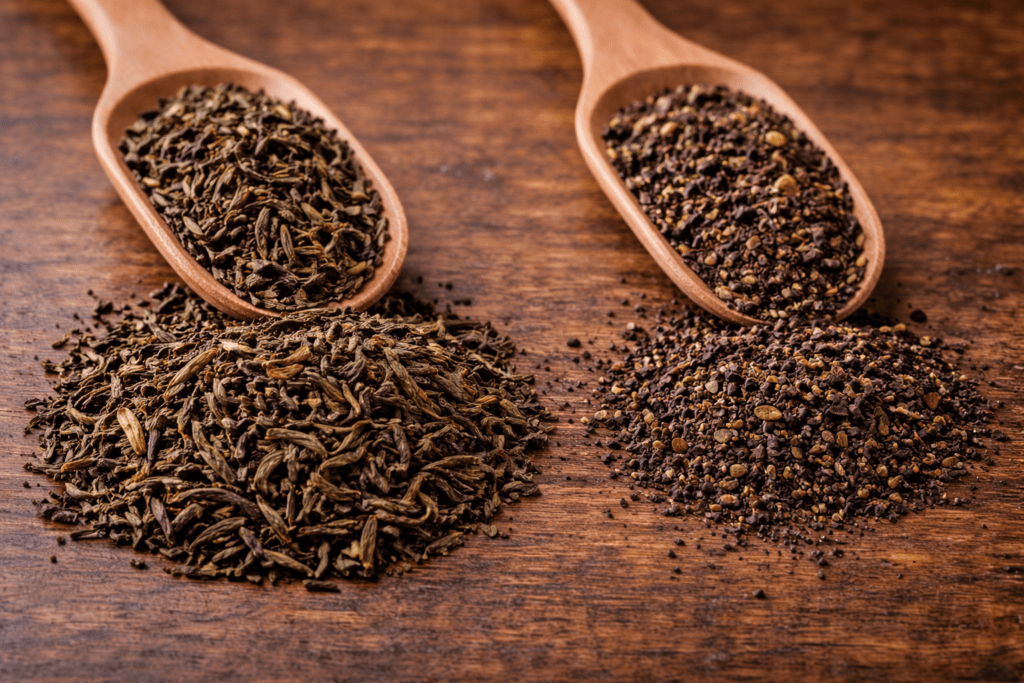
Whole leaf tea
Premium tea brands sell mostly whole leaf tea rather than broken fragments.
Whole leaves generally offer:
- better aroma
- richer flavor
- smoother infusion
Broken leaves are often a sign of lower-quality processing or mechanical handling.
Careful harvesting
High-quality tea brands often emphasize harvesting standards.
The most prized teas are picked according to specific standards such as:
- single bud
- bud and one leaf
- bud and two leaves
Spring harvests are particularly valued because young leaves contain more aromatic compounds.
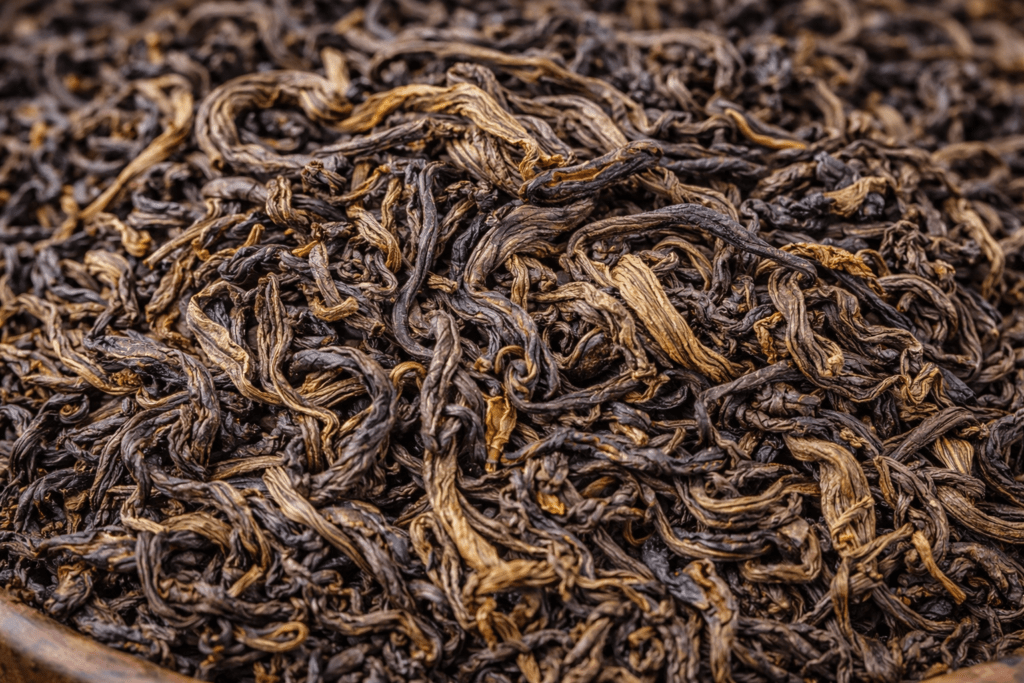
Traditional processing methods
Many respected Chinese tea companies maintain traditional processing techniques that have been refined over centuries.
These include:
- hand rolling
- pan firing
- charcoal roasting
- slow oxidation
Such methods preserve the complexity of the tea.
Famous Chinese Tea Brands
While thousands of tea companies exist, several brands have gained widespread recognition for quality and consistency.
These companies represent different tea traditions across China.
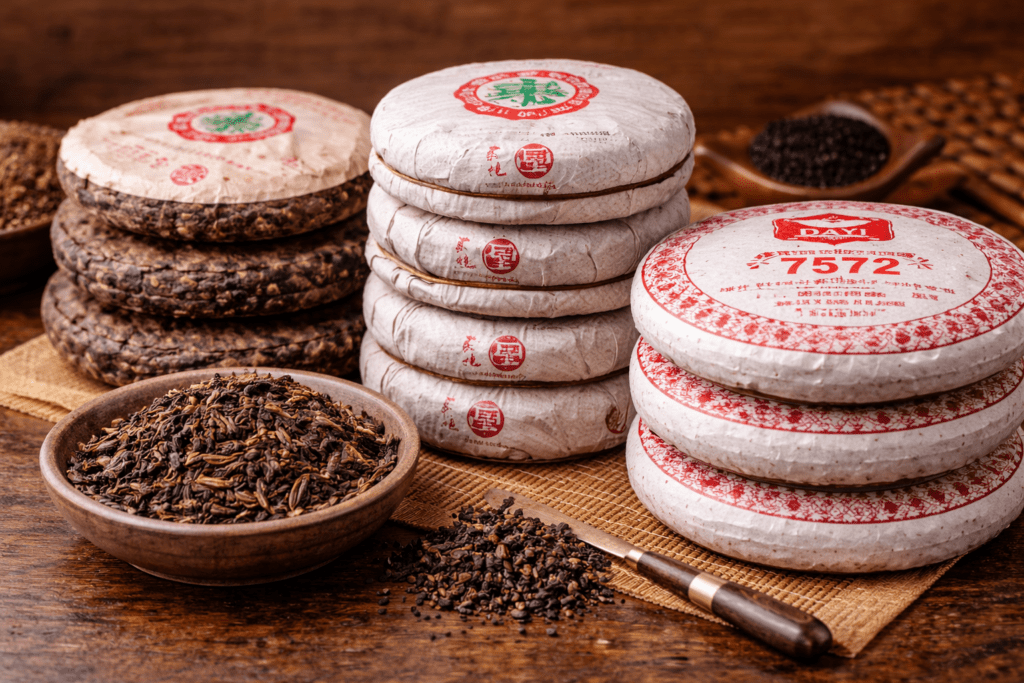
China National Tea (Zhong Cha)
China National Tea, often known as Zhong Cha, is one of the most historically significant tea brands in China.
Founded in the mid-20th century, it played a key role in exporting Chinese tea worldwide.
The brand is especially known for:
- Pu-erh tea
- black tea
- green tea
Its Pu-erh tea cakes are widely collected and aged by tea enthusiasts.
Tenfu Tea
Tenfu Tea was founded in Taiwan and later expanded across mainland China.
The company focuses on:
- premium loose leaf tea
- tea gift sets
- tea education
Tenfu tea shops are common in major Chinese cities, and the brand is widely known for its elegant packaging and reliable quality.
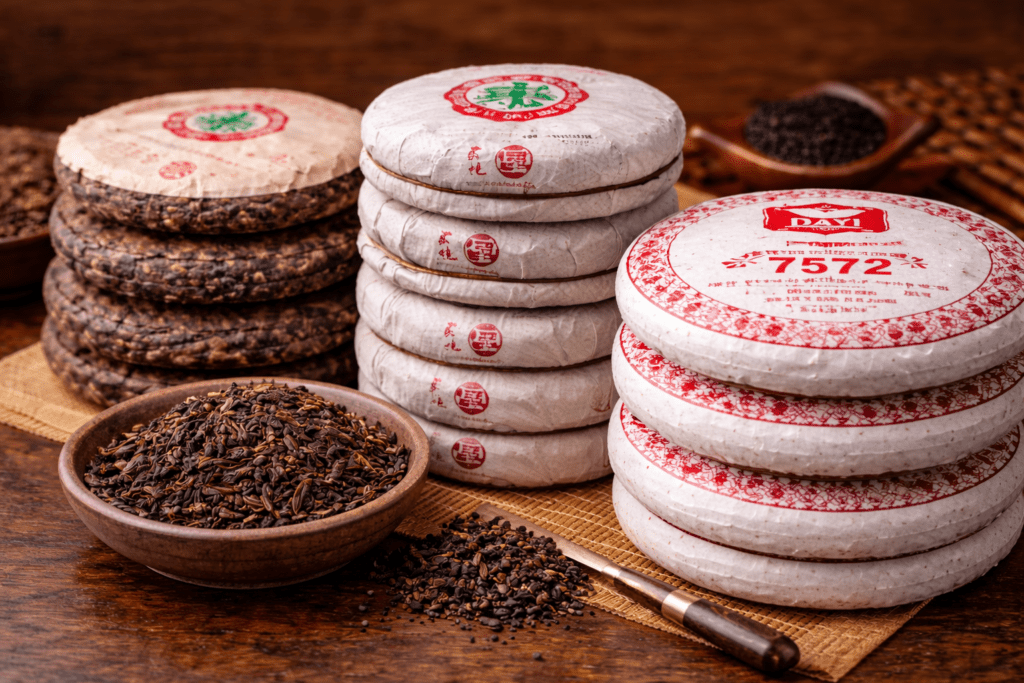
Dayi Tea (Da Yi)
Dayi Tea is one of the most famous Pu-erh tea brands.
Based in Yunnan province, the company produces:
- raw Pu-erh tea
- ripe Pu-erh tea
- aged tea cakes
Many collectors consider Dayi teas to be benchmarks for modern Pu-erh production.
Zhang Yiyuan
Zhang Yiyuan is a historic Beijing tea brand known especially for jasmine tea.
The company has been producing tea since the early 20th century and remains highly respected for its scented teas.
Jasmine tea from Zhang Yiyuan is often praised for its:
- delicate floral aroma
- smooth flavor
- balanced sweetness
Wuyi Star
Wuyi Star specializes in Wuyi rock oolong tea.
These teas are grown in the famous Wuyi Mountains and include varieties such as:
- Da Hong Pao
- Shui Xian
- Rou Gui
The brand focuses heavily on regional authenticity and traditional roasting techniques.
How to Choose a Reliable Chinese Tea Brand
Even with well-known brands available, choosing good tea still requires attention.
Here are several practical tips.
Check the tea origin
Always look for clear geographic information.
Authentic teas often specify:
- province
- mountain region
- harvest season
Detailed origin information usually indicates better traceability.
Look for whole leaves
Premium loose leaf tea should contain intact leaves.
Avoid tea that appears:
- dusty
- broken
- overly fragmented
Whole leaves generally brew better and release more complex flavor.
Smell the dry leaves
Fresh tea should have a clear aroma.
Depending on the type, this may include:
- floral notes
- roasted notes
- grassy freshness
- honey-like sweetness
A dull or stale smell can indicate poor storage or old tea.
Buying Chinese Tea Online vs Offline
Today, many tea drinkers buy tea through online stores.
Each method has advantages.
Buying from tea shops
Pros:
- ability to smell the tea
- ability to sample before buying
- direct conversation with tea experts
Cons:
- higher retail prices
- limited selection
Buying online
Pros:
- wider selection
- access to regional teas
- competitive prices
Cons:
- harder to evaluate freshness
- risk of misleading descriptions
For beginners, buying small sample quantities is often the best approach.
Final Thoughts
Chinese tea culture is incredibly rich, and many excellent tea companies work hard to preserve this tradition.
When choosing a tea brand, focus on:
- transparency about tea origin
- whole leaf quality
- freshness
- reputable sourcing
Rather than relying only on brand names, the best strategy is to explore different teas and develop your own taste preferences.
With time and experience, finding high-quality Chinese tea becomes both easier and more enjoyable.