Tea in China is far more than a beverage. It is a cultural symbol, a social ritual, a philosophical practice, and an art form that has developed over thousands of years.
Chinese tea culture represents the harmony between nature, people, and daily life. From ancient scholars drinking tea while writing poetry to modern tea enthusiasts practicing gongfu tea brewing, tea continues to play an important role in Chinese culture.
Understanding Chinese tea culture helps us appreciate tea not just as a drink, but as a tradition shaped by history, philosophy, and human connection.
The Origins of Chinese Tea Culture
Tea culture in China dates back more than 4,000 years.
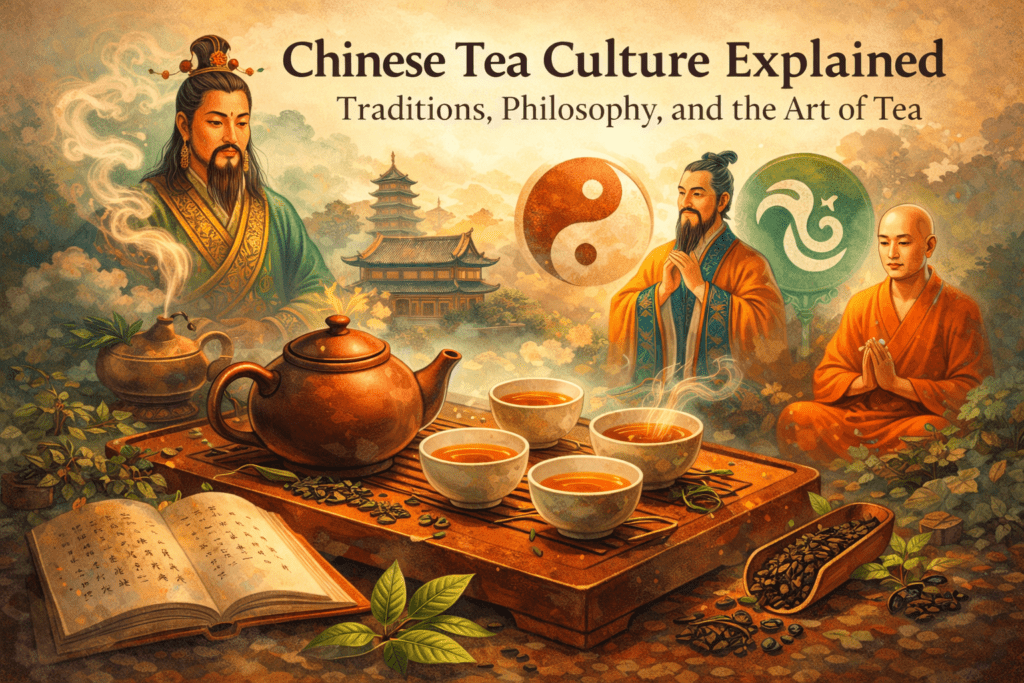
According to legend, tea was discovered by Emperor Shennong, a mythical ruler known as the father of Chinese agriculture and medicine. One day, while boiling water, tea leaves from a nearby tree accidentally fell into the pot, creating the first cup of tea.
Although this story is symbolic, it reflects the deep historical roots of tea in Chinese civilization.
During the Tang Dynasty (618–907), tea became widely popular across China. Tea drinking evolved from a medicinal practice into a cultural activity shared by scholars, monks, and common people.
The Tang Dynasty also produced the first famous book about tea:
The Classic of Tea (Cha Jing) written by Lu Yu, often called the “Sage of Tea.”
This book documented tea growing, processing, brewing, and tea philosophy, laying the foundation for Chinese tea culture.
Tea and Chinese Philosophy
Chinese tea culture is deeply influenced by traditional philosophical ideas.
Tea drinking reflects principles from three major philosophies:
- Confucianism
- Taoism
- Buddhism
Together, these traditions shaped the spiritual meaning of tea.
Confucianism: Tea as Social Harmony
Confucian values emphasize respect, etiquette, and social harmony.
Tea became an important part of Chinese hospitality.
Serving tea shows:
- respect for elders
- welcome to guests
- appreciation for relationships
Even today, offering tea is one of the most common gestures of politeness in Chinese culture.
Taoism: Tea and Natural Simplicity
Taoist philosophy values harmony with nature.
Tea perfectly represents this ideal.
Tea leaves grow naturally, require minimal processing, and transform simple water into a flavorful drink.
For Taoist thinkers, tea symbolizes:
- natural balance
- simplicity
- quiet reflection
Drinking tea encourages slowing down and appreciating the present moment.
Buddhism: Tea and Meditation
Tea also became closely associated with Buddhist meditation.
Buddhist monks used tea to stay awake during long meditation sessions.
Over time, tea became part of spiritual practice.
The calm focus created by tea drinking makes it ideal for meditation and mindfulness.
The Role of Tea in Chinese Daily Life
Tea is deeply integrated into everyday life in China.
Unlike coffee culture in many Western countries, tea in China is often consumed throughout the day in many different contexts.
Common situations where tea appears include:
- family gatherings
- welcoming guests
- business meetings
- traditional ceremonies
- quiet personal reflection
Tea drinking is not always formal. Sometimes it is simply part of daily routine.
For many people, tea represents comfort, conversation, and relaxation.
Tea and Chinese Hospitality
Hospitality is a central part of Chinese tea culture.
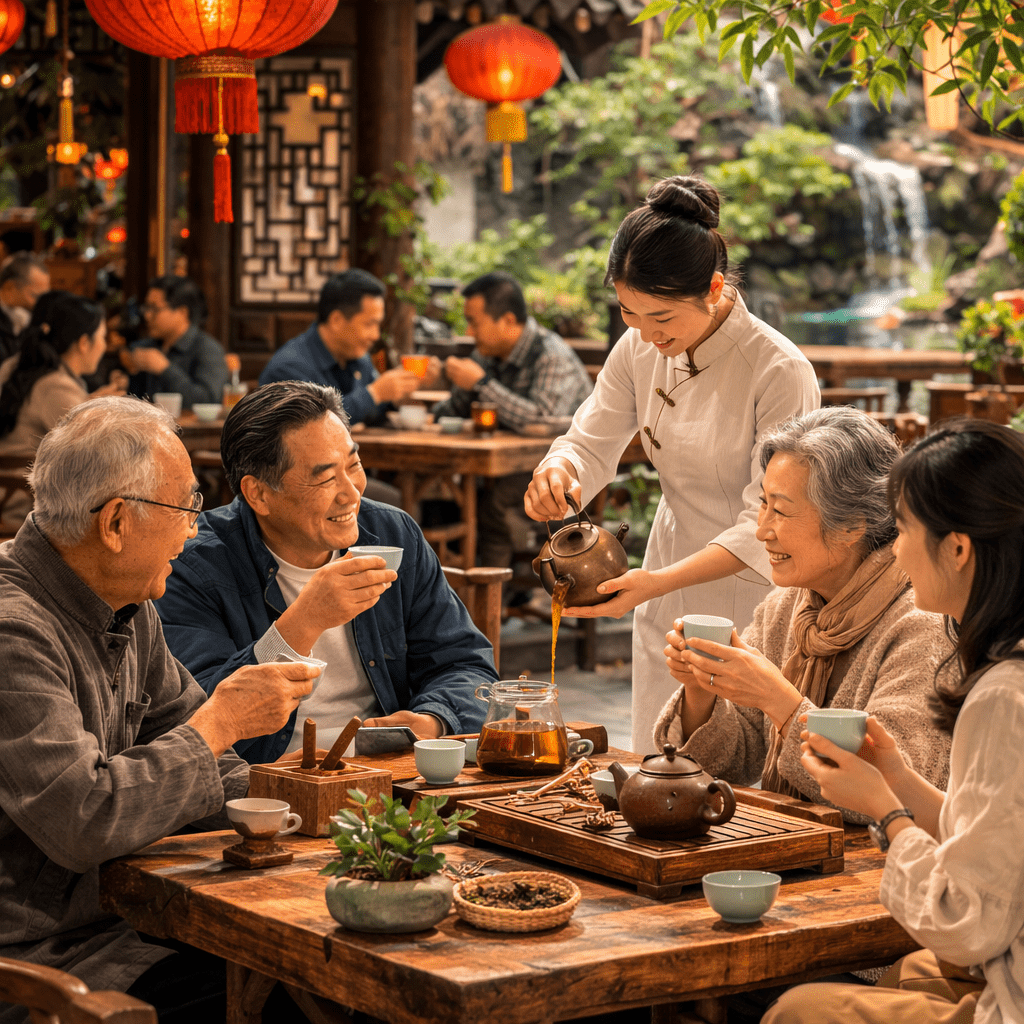
When guests arrive at someone’s home, offering tea is one of the first gestures of welcome.
This custom communicates respect and kindness.
The host carefully prepares tea and serves it to guests before beginning conversation.
In traditional settings, younger people may serve tea to elders as a sign of respect.
This practice is still common during important events such as weddings and family gatherings.
The Importance of Tea Ware
Chinese tea culture places great importance on tea ware.
Different tools are used to prepare and serve tea properly.
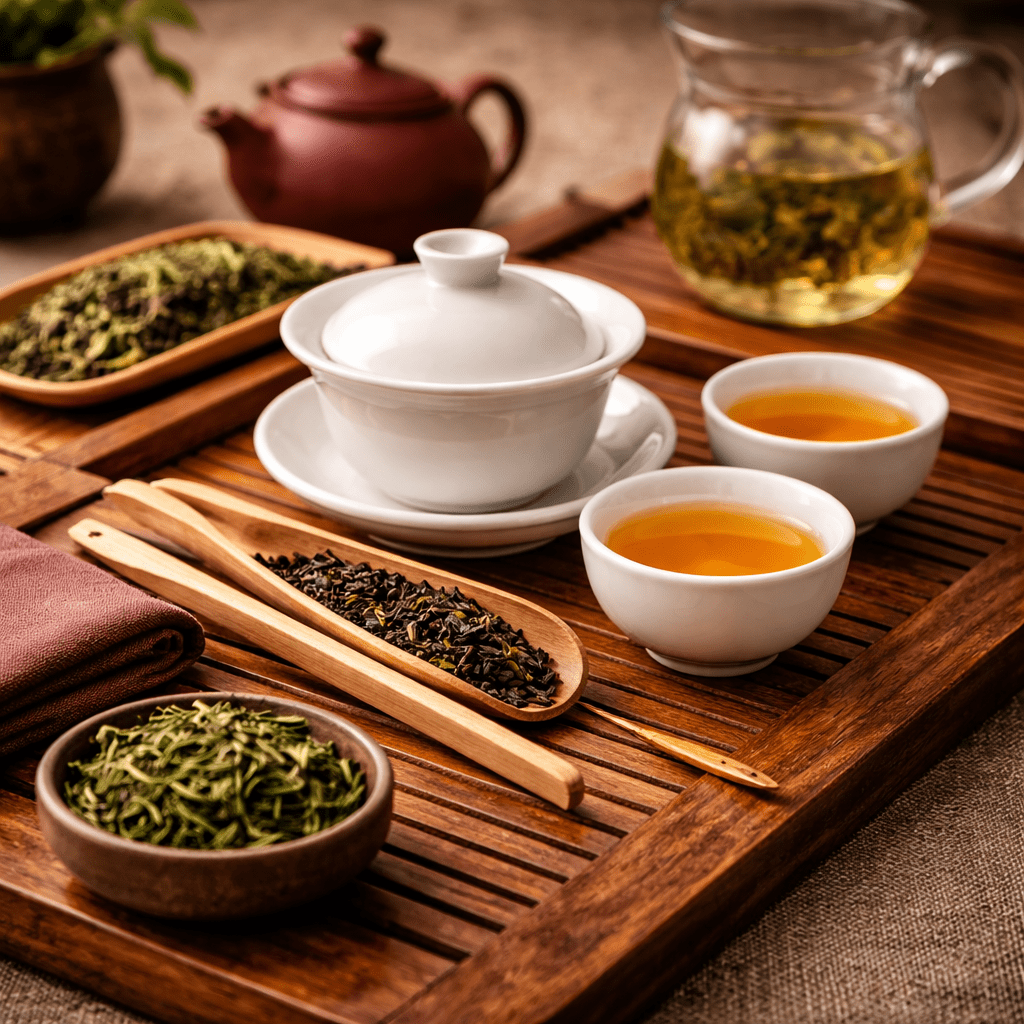
Traditional tea ware may include:
- gaiwan
- Yixing clay teapot
- tea cups
- fairness pitcher
- tea tray
Each item plays a role in creating a balanced tea experience.
Using appropriate tea ware enhances the flavor of tea and reflects the elegance of tea culture.
Gongfu Tea: The Art of Brewing
One of the most refined expressions of Chinese tea culture is gongfu tea brewing.
Gongfu tea focuses on skill, attention, and precision.
Rather than brewing tea casually, gongfu tea uses:
- small teapots or gaiwan
- multiple short infusions
- careful pouring techniques
This brewing method allows drinkers to appreciate how the flavor of tea evolves across many infusions.
Tea and Chinese Social Traditions
Tea plays an important role in many Chinese social traditions.
These traditions include:
Wedding Tea Ceremony
During Chinese weddings, the bride and groom serve tea to their parents and elders.
This symbolizes gratitude and respect.
Business Tea Culture
Tea is often served during business meetings, creating a relaxed and respectful atmosphere for conversation.
Family Gatherings
Tea brings people together during holidays and family celebrations.
The Aesthetic of Chinese Tea Culture
Chinese tea culture also values aesthetics.
The experience of tea includes:
- visual beauty
- aroma
- taste
- atmosphere
A peaceful tea environment may include:
- natural lighting
- wooden furniture
- ceramic tea ware
- quiet music
Tea becomes a moment of calm within daily life.
Tea Culture and Mindfulness
Tea encourages mindfulness.
Preparing tea slowly and carefully allows people to pause and focus on the present moment.
Many tea drinkers treat tea time as a form of meditation.
Observing the tea leaves, smelling the aroma, and tasting each infusion creates a calming ritual.
This is one reason tea culture continues to attract people around the world.
Why Chinese Tea Culture Still Matters Today
In the modern world, Chinese tea culture remains relevant.
Tea provides an alternative to fast-paced lifestyles.
It offers:
- relaxation
- reflection
- connection with others
- appreciation of nature
For many people, tea culture represents a way to slow down and reconnect with simple pleasures.
Conclusion
Chinese tea culture is one of the richest traditions in the world.
It combines history, philosophy, hospitality, and craftsmanship into a single experience.
From ancient dynasties to modern tea houses, tea continues to bring people together and create moments of peace.
Understanding Chinese tea culture allows us to appreciate tea not just as a drink, but as a timeless cultural practice.