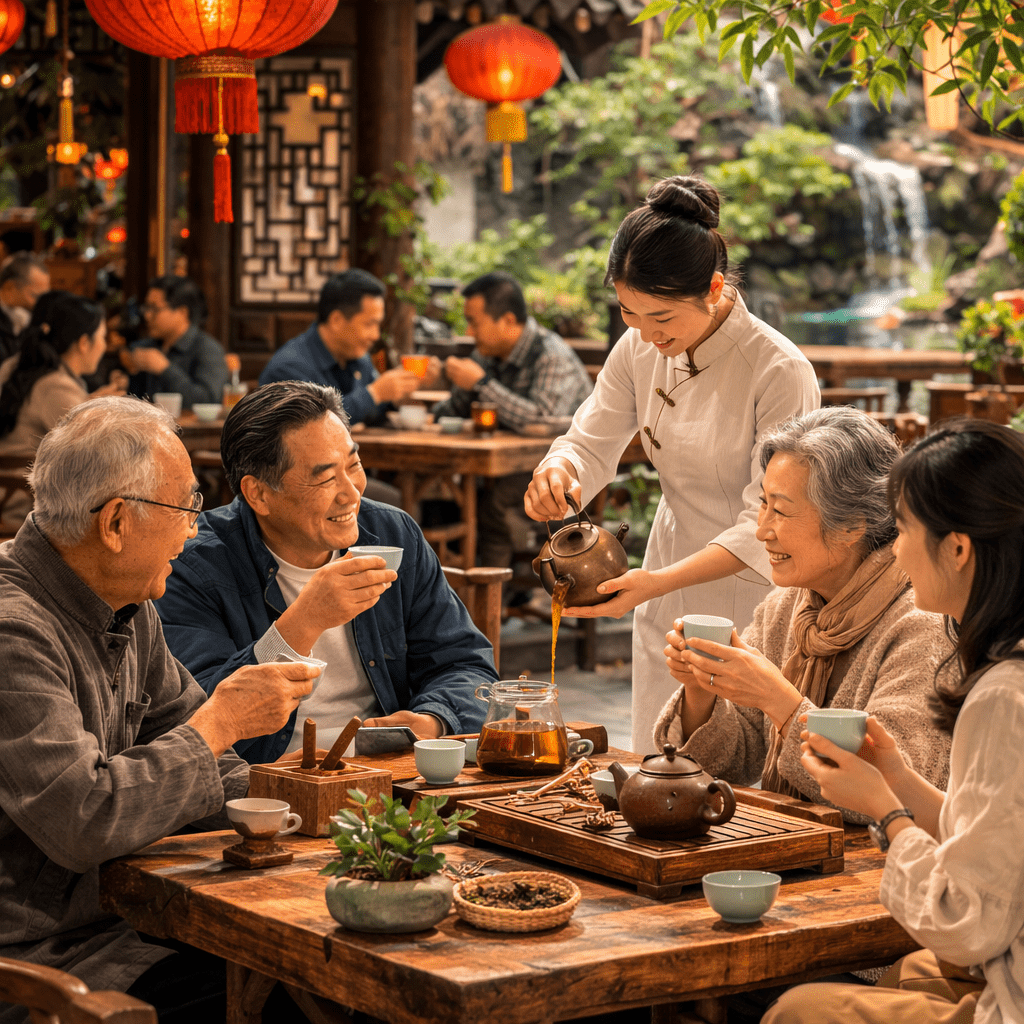
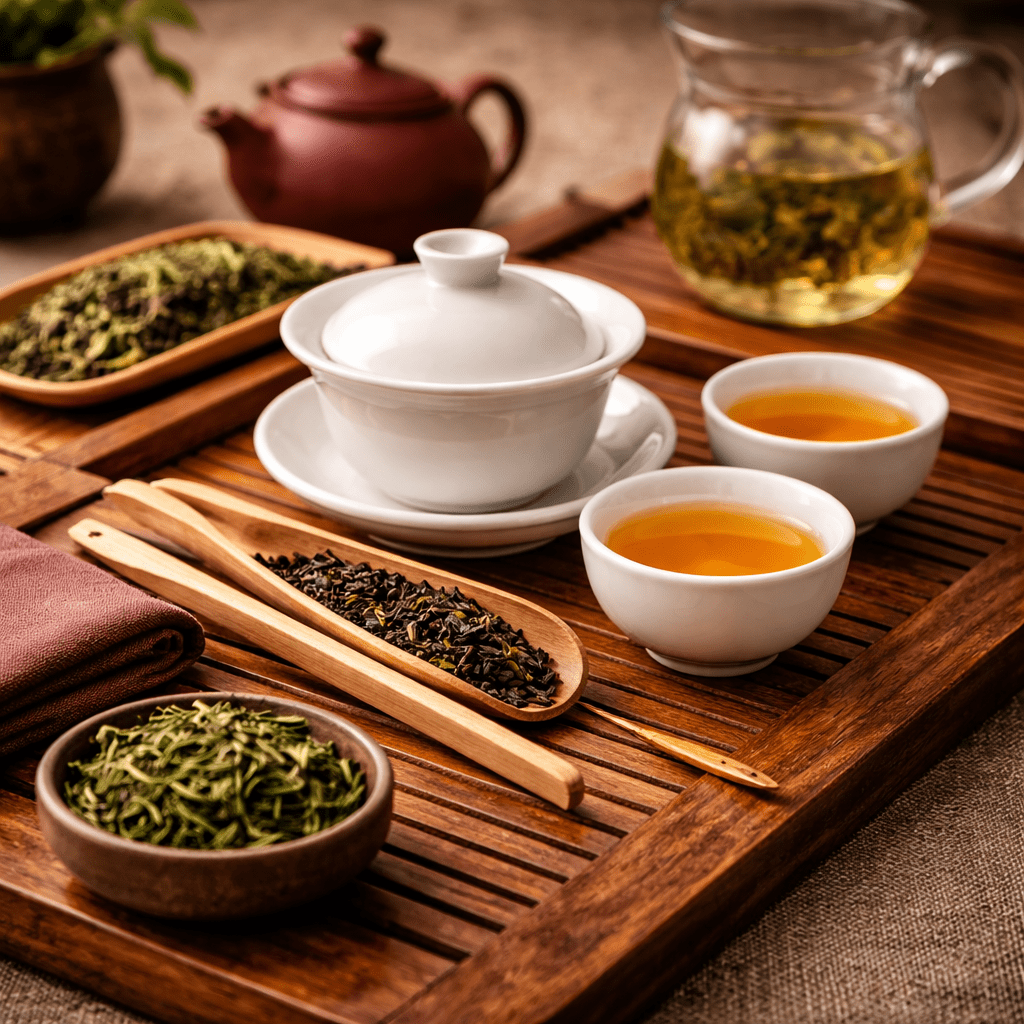
For centuries, tea and Zen philosophy have shared a deep connection. Both emphasize simplicity, awareness, and appreciation of the present moment.
Tea drinking, when practiced with mindfulness, becomes more than a daily habit. It becomes a quiet ritual that encourages reflection and inner calm.
In Zen tradition, even the smallest actions — pouring water, holding a cup, tasting tea — can become opportunities for awareness. Tea reminds us that peace does not require complicated techniques or special places. Sometimes, it can be found in a single cup.
The Historical Connection Between Tea and Zen
The relationship between tea and Zen dates back over a thousand years.
During ancient times, Buddhist monks in China and later Japan drank tea during meditation practice. Tea helped them stay alert during long periods of sitting meditation.
Because tea provides gentle stimulation without overwhelming the mind, it became an ideal companion to spiritual practice.
Over time, tea drinking evolved into a symbolic expression of Zen values such as simplicity, discipline, and presence.
Zen Philosophy and the Art of Simplicity
One of the most important ideas in Zen philosophy is simplicity.
Zen teaches that clarity often comes from removing unnecessary complexity.
Tea reflects this principle perfectly.
The basic elements of tea are simple:
- tea leaves
- water
- heat
- time
Yet these simple ingredients create an experience that is rich and meaningful.
Zen philosophy encourages people to appreciate the beauty found in simple actions, including the preparation and enjoyment of tea.
Mindfulness in Every Step of Tea Preparation
Zen tea practice encourages full awareness during each step of the process.
Instead of rushing through tea preparation, attention is given to every movement.
You may notice:
- the sound of boiling water
- the fragrance of dry tea leaves
- the steam rising from the cup
- the warmth of tea in your hands
These details bring your attention back to the present moment.
The Concept of “Ichigo Ichie”
A concept often associated with Zen tea philosophy is Ichigo Ichie, which means:
“One time, one meeting.”
This idea reminds us that each moment is unique and cannot be repeated.
Every cup of tea is slightly different:
- the leaves expand differently
- the aroma changes
- the flavor evolves
By recognizing the uniqueness of each moment, tea drinking becomes a deeper experience.
Tea as a Form of Meditation
Tea can be practiced as a form of meditation.
Unlike seated meditation, tea meditation involves gentle movement and sensory awareness.
Many people find tea meditation easier because it engages the senses naturally.
You focus on:
- aroma
- taste
- temperature
- visual beauty
These elements help anchor the mind and reduce distraction.
The Beauty of Imperfection
Zen philosophy embraces the idea of wabi-sabi, which celebrates imperfection and natural aging.
Tea culture reflects this aesthetic.
Examples include:
- handmade tea cups
- slightly uneven ceramics
- aged Yixing teapots
- natural wood tea trays
These imperfections create character and authenticity.
Tea and Quiet Reflection
Tea naturally creates moments of pause.
In a busy world filled with constant stimulation, tea invites stillness.
Many people use tea time to:
- reflect on their thoughts
- relax after work
- read quietly
- spend time in silence
Tea becomes a small island of calm within daily life.
Practicing Zen Through Tea
You do not need to be a Zen practitioner to experience Zen through tea.
Anyone can bring mindfulness to tea drinking.
A simple Zen tea practice may look like this:
- Prepare tea slowly.
- Observe the tea leaves.
- Smell the aroma before drinking.
- Take small, attentive sips.
- Allow thoughts to pass without judgment.
Even a few minutes of mindful tea drinking can create a sense of calm.
Why Tea and Zen Still Matter Today
Modern life often encourages speed and constant activity.
Zen philosophy reminds us that slowing down can lead to deeper awareness.
Tea provides an easy way to reconnect with this idea.
A quiet cup of tea can become a daily ritual that restores balance.
Tea as a Path to Inner Stillness
The relationship between tea and Zen continues to inspire people around the world.
Tea reminds us that peace is not something we must search for far away. It can be discovered in ordinary moments — boiling water, pouring tea, holding a warm cup.
When practiced with awareness, tea becomes a gentle path toward clarity and stillness.
Conclusion
Tea and Zen philosophy share the same spirit: simplicity, mindfulness, and appreciation of the present moment.
Through tea, we learn to slow down and observe the small details of life.
In a single cup of tea, we may find a quiet reminder that calmness and clarity are always available.