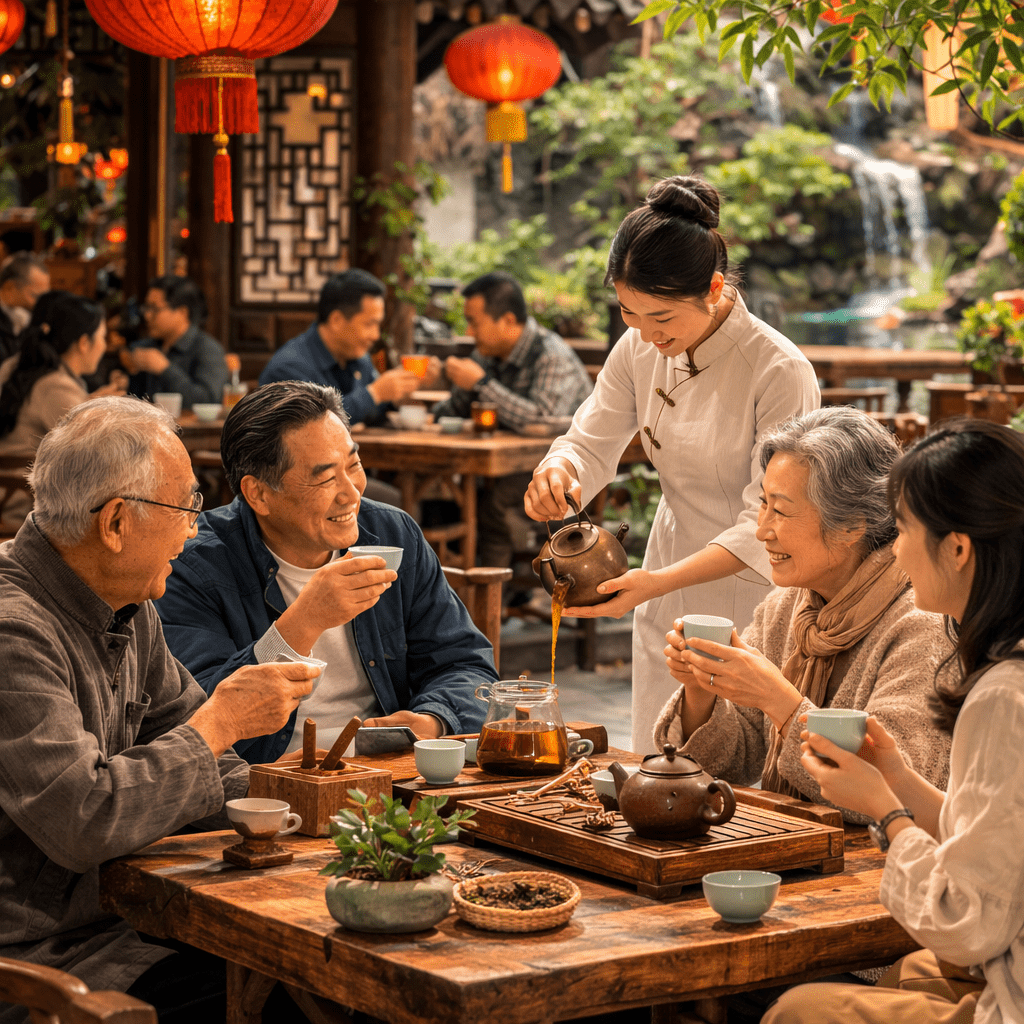
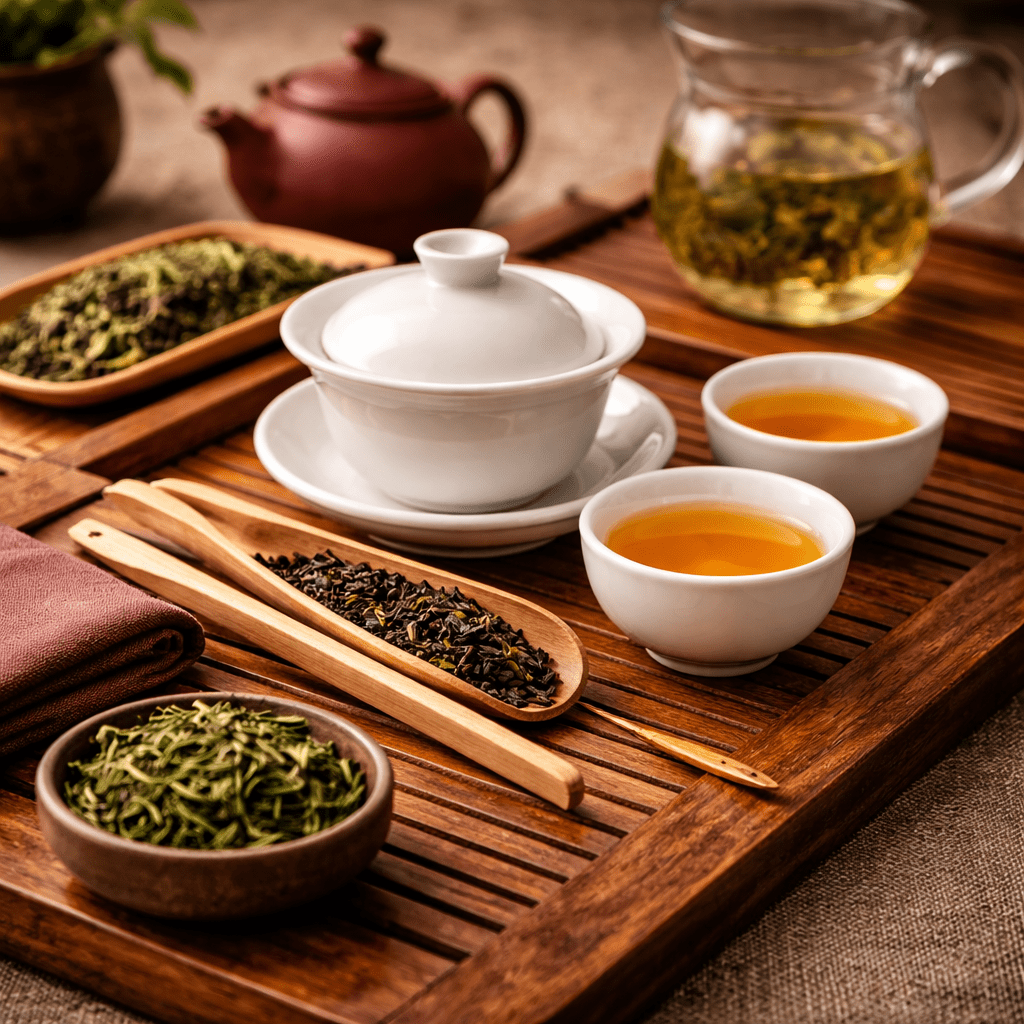
Tea drinking in Chinese culture is not only about taste. It is also about respect, hospitality, and social harmony.
For thousands of years, tea has played an important role in social interactions across China. Whether in a family gathering, business meeting, or traditional tea ceremony, tea drinking follows certain customs that reflect politeness and appreciation.
Understanding tea etiquette helps create a comfortable and respectful tea experience for both the host and the guests.
Although modern tea drinking can be relaxed and informal, many traditional tea manners are still practiced today.
Why Tea Etiquette Matters in Chinese Culture
In Chinese culture, small gestures often carry deep meaning.
Tea etiquette reflects important cultural values such as:
- respect for elders
- gratitude toward the host
- humility and politeness
- harmony between people
Tea drinking becomes a way to express appreciation and build relationships.
When guests follow proper tea etiquette, they show respect for the host and the tea being served.
The Role of the Host in Tea Etiquette
The host plays an important role in the tea experience.
A thoughtful host usually focuses on creating a comfortable environment for guests.
Common responsibilities of the host include:
- selecting high-quality tea
- preparing tea carefully
- serving guests before serving themselves
- ensuring each guest receives tea equally
In traditional tea culture, the host often pays close attention to guests’ cups and refills them when needed.
Accepting Tea Properly
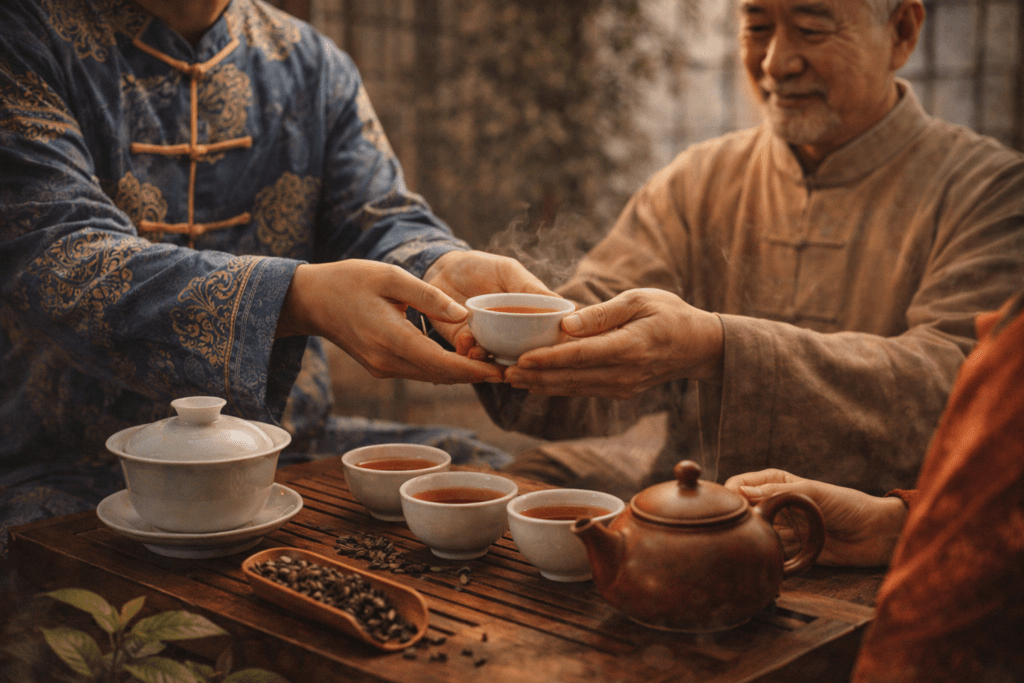
When someone offers tea, it should be accepted politely.
A common custom is to receive the tea cup with both hands. This gesture symbolizes respect and appreciation.
In more casual settings, holding the cup with one hand may also be acceptable, but showing gratitude remains important.
Guests should also avoid immediately placing the tea cup far away or ignoring the tea after it is served.
Taking a sip shows appreciation for the host’s effort.
The Finger Tapping Gesture
One of the most interesting customs in Chinese tea etiquette is the finger tapping gesture.
When the host pours tea for you, it is common to lightly tap the table with two or three fingers.
This gesture represents silent gratitude.
The tradition originated during the Qing Dynasty. According to legend, an emperor once secretly poured tea for his companions while traveling. Because they could not openly bow to him, they tapped the table to express respect.
Today, the gesture is widely used during tea gatherings.
Drinking Tea Respectfully
Tea should be enjoyed calmly and respectfully.
Some basic guidelines include:
- drink slowly rather than quickly finishing the cup
- avoid making loud noises while drinking
- do not blow excessively on the tea
- avoid strong perfumes that may interfere with tea aroma
Tea drinking is meant to be relaxing and pleasant for everyone present.
Respecting Elders in Tea Culture
Respect for elders is a key part of Chinese culture.
During tea gatherings, younger participants often allow elders to drink first.
In formal occasions such as family celebrations or weddings, younger family members may serve tea to elders as a sign of respect and gratitude.
This custom reinforces family relationships and traditional values.
Tea Etiquette in a Tea Ceremony
During a traditional tea ceremony, etiquette becomes slightly more formal.
Guests are encouraged to:
- sit calmly and avoid unnecessary movement
- observe the tea preparation quietly
- smell the aroma before drinking
- sip tea slowly
Talking is usually allowed, but conversation tends to remain gentle and respectful.
Tea ceremonies emphasize appreciation rather than distraction.
Handling Tea Cups and Tea Ware
Tea cups and tea ware should always be handled carefully.
Because many tea cups are small and delicate, sudden movements should be avoided.
Guests should also avoid touching:
- the inside of the cup
- the rim where others drink
- brewing tools used by the host
These small details help maintain cleanliness and respect during the tea session.
Common Tea Etiquette Mistakes
For beginners, it is normal to feel unsure about tea etiquette.
Some common mistakes include:
- finishing tea too quickly
- interrupting the host during brewing
- filling your own cup before others
- criticizing the tea directly
Instead, guests should focus on appreciation and enjoyment.
Even simple compliments about the tea’s aroma or flavor can make the host feel valued.
Tea Etiquette in Modern Life
Today, tea etiquette has become more flexible.
Many tea gatherings are casual and friendly.
However, the core values remain the same:
- respect
- mindfulness
- appreciation
Even when drinking tea alone, many people still practice gentle and thoughtful tea habits.
Tea Etiquette Around the World
Although tea etiquette varies across cultures, the idea of respect and mindfulness is universal.
For example:
- Japanese tea ceremonies emphasize harmony and discipline
- British tea culture focuses on social conversation
- Chinese tea culture emphasizes hospitality and balance
Learning tea etiquette helps us appreciate cultural diversity and deepen our tea experience.
The Spirit of Tea Etiquette
At its heart, tea etiquette is not about strict rules.
It is about creating a peaceful environment where people can enjoy tea together.
When practiced sincerely, tea etiquette helps transform tea drinking into a meaningful social ritual.
Conclusion
Tea drinking etiquette reflects the deeper values of Chinese tea culture.
Through simple gestures — offering tea, accepting tea politely, and expressing gratitude — people build connections and show respect.
Whether participating in a formal tea ceremony or sharing tea with friends, good tea manners help create a harmonious and enjoyable experience.
Sometimes, the smallest gestures carry the greatest meaning.