Tea is one of the oldest and most influential beverages in human history, and its story begins in China.
For thousands of years, tea has shaped Chinese culture, trade, philosophy, and daily life. From ancient herbal medicine to a refined cultural tradition enjoyed worldwide, tea’s journey reflects the development of Chinese civilization itself.
Understanding the history of Chinese tea helps us appreciate not only the drink but also the cultural values and traditions that surround it.
Today, tea is enjoyed by millions of people across the globe, yet its roots remain deeply connected to the landscapes and traditions of China.
The Legendary Discovery of Tea
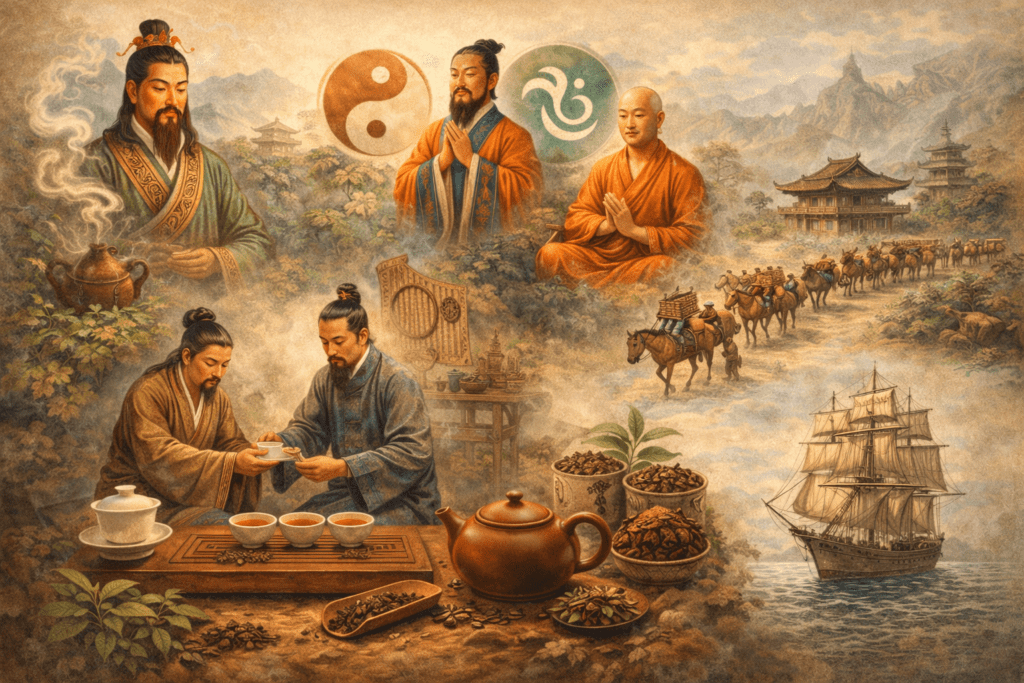
According to Chinese legend, tea was discovered by Emperor Shennong around 2737 BCE.
Shennong was known as a mythical ruler who taught people about agriculture and herbal medicine. One day, while boiling water under a wild tea tree, a few leaves fell into his pot.
Curious about the aroma, he tasted the infusion and discovered a refreshing drink.
Although this story is symbolic rather than historically verified, it reflects the ancient connection between tea and Chinese herbal knowledge.
Tea was initially valued as a medicinal plant believed to aid digestion and cleanse the body.
Tea in Ancient China
During the early periods of Chinese history, tea was primarily used for medicinal purposes.
Ancient herbal texts described tea as a plant with beneficial properties that could help:
- improve digestion
- increase alertness
- reduce fatigue
Over time, tea gradually transitioned from medicine to a daily beverage.
People began preparing tea leaves in simple ways, often boiling them with herbs, spices, or grains.
Tea Culture in the Tang Dynasty
The Tang Dynasty (618–907) marked a turning point in the history of Chinese tea.
Tea drinking became widespread among scholars, artists, monks, and government officials.
During this period, tea culture developed into a refined social practice.
One of the most important milestones of this era was the publication of “The Classic of Tea” (Cha Jing) by Lu Yu.
This book is widely considered the first comprehensive work on tea.
It described:
- tea cultivation
- tea processing
- brewing methods
- tea utensils
- tea philosophy
Lu Yu is often honored as the “Sage of Tea.”
Tea in the Song Dynasty
During the Song Dynasty (960–1279), tea culture became even more sophisticated.
Tea competitions became popular among scholars and aristocrats. Participants would compete to create the finest tea foam by whisking powdered tea.
This practice is sometimes considered a precursor to modern matcha preparation.
Tea drinking during the Song Dynasty emphasized elegance and artistic appreciation.
Tea bowls, utensils, and preparation techniques became highly refined.
Tea Trade and the Silk Road
As tea consumption increased, tea began to play an important role in international trade.
Tea was transported along ancient trade routes connecting China with Central Asia, the Middle East, and eventually Europe.
One of the most famous routes was the Tea Horse Road, which connected tea-producing regions in southwestern China with Tibet.
Tea was often exchanged for horses and other valuable goods.
Over time, tea became one of China’s most important exports.
Tea During the Ming Dynasty
The Ming Dynasty (1368–1644) introduced one of the most important changes in tea history.
Loose leaf tea replaced compressed tea cakes as the most common form of tea.
This change also transformed brewing methods.
Instead of grinding tea into powder, people began steeping loose tea leaves directly in hot water.
Many tea traditions we recognize today originated during this period.
The Development of Famous Chinese Teas
Over centuries, different regions of China developed their own unique tea styles.
Examples include:
Green Tea
Green tea is the oldest style of tea and remains one of the most popular.
Famous varieties include:
- Longjing (Dragon Well)
- Biluochun
Oolong Tea
Oolong tea developed in Fujian and Guangdong provinces.
Its partial oxidation creates complex aromas and layered flavors.
Examples include:
- Tieguanyin
- Da Hong Pao
Black Tea
Chinese black tea (known in China as red tea) gained popularity during later dynasties.
Examples include:
- Keemun
- Lapsang Souchong
Pu-erh Tea
Pu-erh tea from Yunnan province became famous for its unique fermentation and aging process.
Tea Spreads to the World
Chinese tea eventually spread beyond Asia.
Tea was introduced to Europe during the 17th century through international trade.
It quickly became popular in countries such as:
- England
- Portugal
- the Netherlands
Tea later became deeply integrated into British culture and influenced global tea traditions.
Despite its worldwide popularity, China remains the historical birthplace of tea.
Tea and Chinese Society
Tea has played many roles throughout Chinese history.
It has been associated with:
- scholars and poets
- Buddhist monks
- merchants and traders
- imperial courts
Tea drinking became a symbol of culture, hospitality, and social harmony.
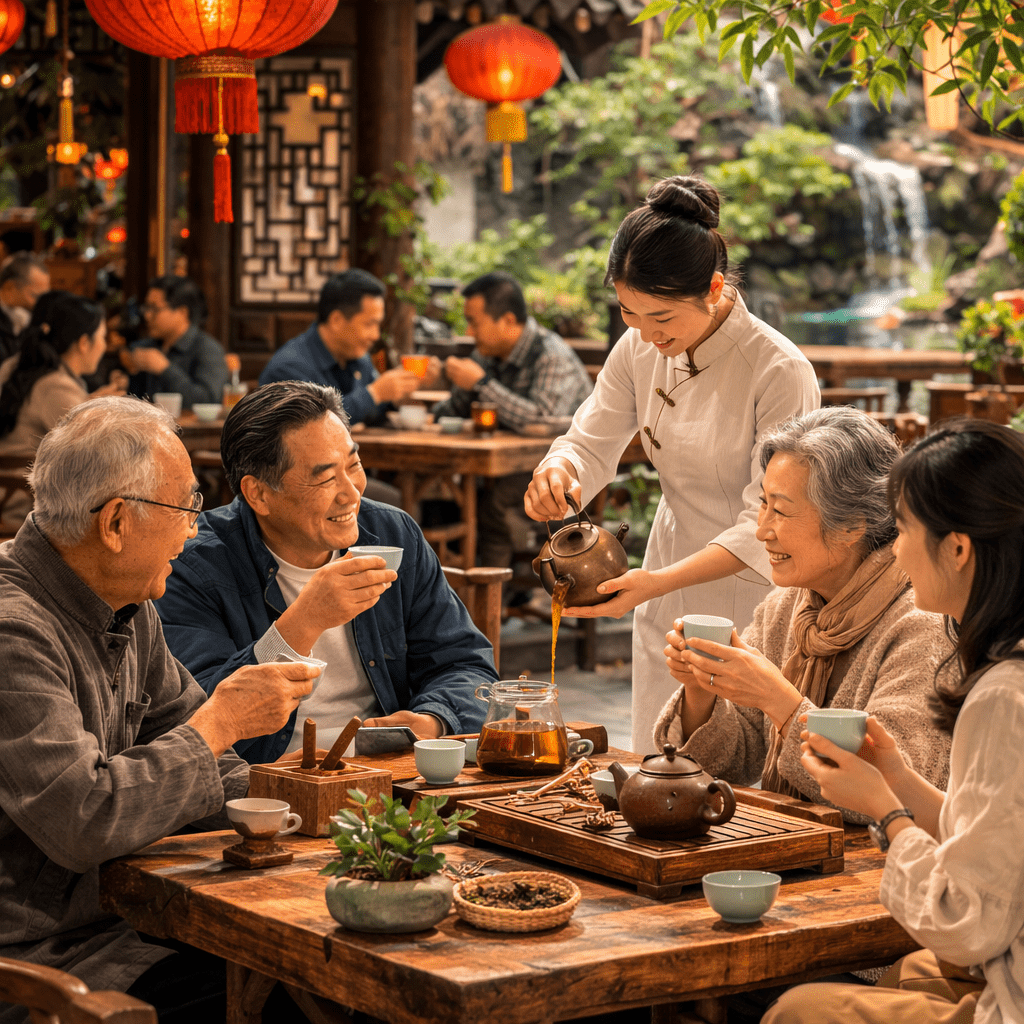
Tea houses also became important social spaces where people gathered to talk, relax, and exchange ideas.
Tea Culture in Modern China
Today, tea remains an important part of Chinese daily life.
Traditional tea practices coexist with modern lifestyles.
People continue to enjoy tea in many forms:
- casual daily tea drinking
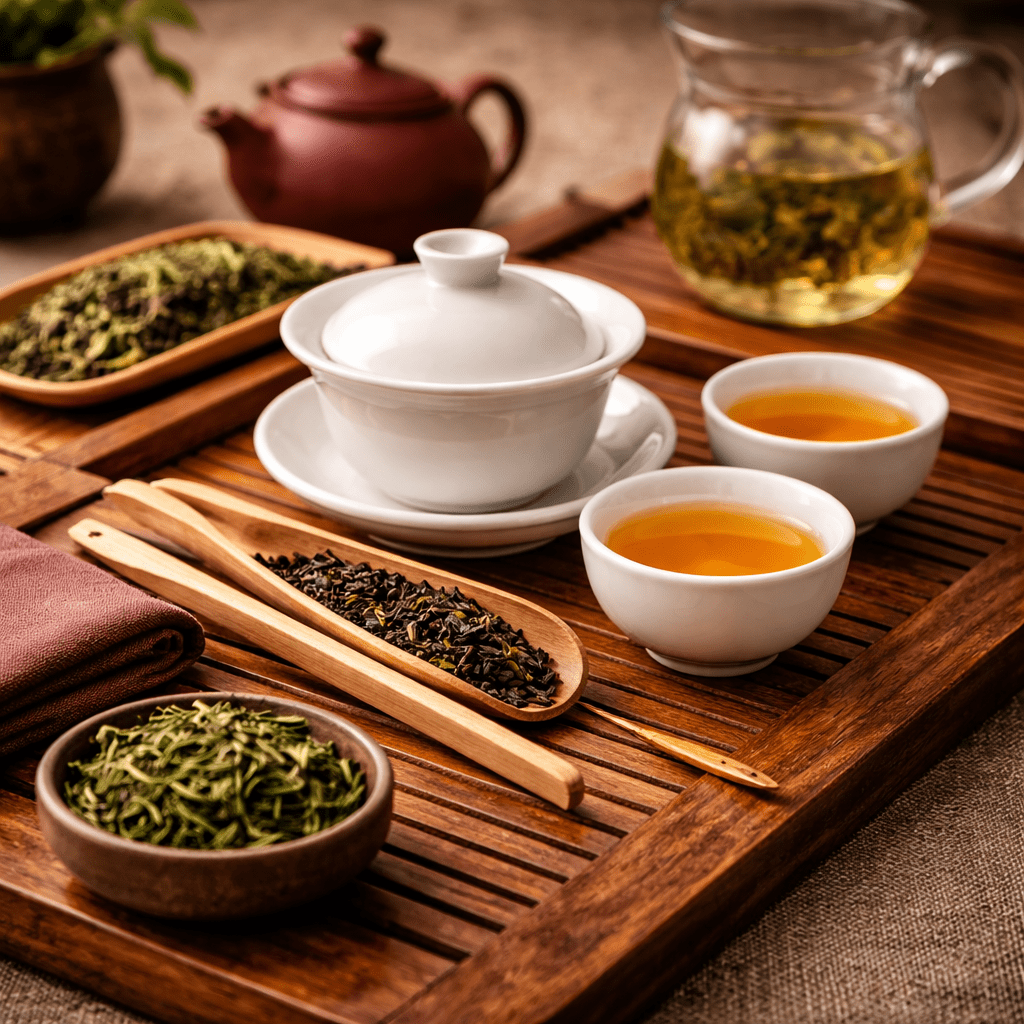
- gongfu tea ceremonies
- tea houses and tea gatherings
Tea culture has also experienced renewed interest among younger generations who appreciate traditional craftsmanship and mindful living.
Why Chinese Tea History Still Matters
The long history of Chinese tea is not just a story about a beverage.
It represents the development of agriculture, trade, art, and philosophy across thousands of years.
Tea continues to connect people with:
- nature
- culture
- tradition
By understanding tea’s history, we gain a deeper appreciation for every cup we drink.
Conclusion
The history of Chinese tea spans more than four thousand years.
From ancient herbal medicine to a global cultural tradition, tea has shaped Chinese civilization in profound ways.
Today, when we drink tea, we participate in a tradition that has been passed down through countless generations.
Each cup carries a story — one that began in the mountains of China thousands of years ago.