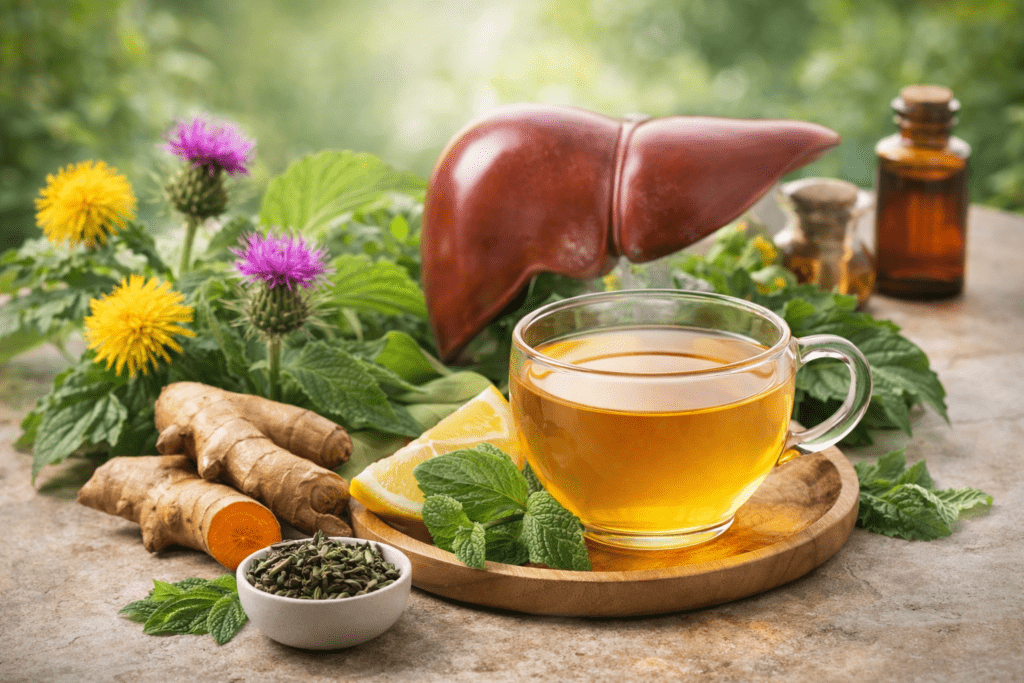
Colds and flu are among the most common illnesses.
When you’re sick, your body needs:
- hydration
- warmth
- rest
- immune support
During this time, what you drink matters.
Tea has been used for centuries as a natural remedy to help relieve symptoms such as:
- sore throat
- congestion
- cough
- fatigue
While tea is not a cure for illness, it can play a supportive role in recovery by helping the body stay hydrated, soothing irritation, and providing beneficial plant compounds.
This guide explains how tea helps during illness, which teas are most effective, and how to prepare them for maximum comfort and benefit.

Why Tea Helps When You’re Sick
Tea supports recovery in several important ways.
1. Hydration
Staying hydrated helps:
- thin mucus
- regulate body temperature
- support immune function
Warm tea makes it easier to drink more fluids.
2. Soothing Warmth
Hot liquids can:
- calm throat irritation
- relax airways
- reduce discomfort
3. Natural Compounds
Tea contains:
- antioxidants
- anti-inflammatory compounds
- plant extracts
These may help support the body’s natural defense system.
4. Comfort and Relaxation
Tea provides psychological comfort.
This helps reduce stress, which is important for recovery.
Best Teas for Cold and Flu
1. Ginger Tea (Best for Cold and Congestion)
Ginger tea is one of the most effective natural remedies.
Benefits:
- warming effect
- supports circulation
- helps reduce congestion
- soothes the throat
Best for:
👉 early-stage cold
👉 chills
👉 blocked nose
2. Lemon Tea (Vitamin C Support)
《配图3》
ALT
tea with lemon slices for immune support during coldLemon adds:
- vitamin C
- refreshing acidity
- throat-clearing effect
It helps:
- support immune response
- reduce throat discomfort
3. Honey Tea (Sore Throat Relief)
Honey is widely used for:
- coating the throat
- reducing irritation
- calming cough
Best for:
👉 dry throat
👉 nighttime coughing
4. Green Tea (Immune Support)
Green tea contains:
- catechins
- antioxidants
These may help:
- support immune function
- reduce inflammation
5. Peppermint Tea (Breathing and Sinus Relief)
Peppermint contains menthol.
It helps:
- open airways
- ease breathing
- reduce sinus pressure
6. Chamomile Tea (Rest and Recovery)
Chamomile supports:
- relaxation
- sleep quality
- recovery
Best for:
👉 nighttime
👉 fatigue
7. Turmeric Tea (Anti-Inflammatory Support)
Turmeric contains curcumin.
It may help:
- reduce inflammation
- support immune response
How to Make the Perfect “Cold Relief Tea”
You can combine ingredients.
Simple recipe:
Ingredients
- hot tea (green or herbal)
- fresh ginger
- lemon slices
- honey
Method
- Brew tea
- Add ginger
- Add lemon
- Let cool slightly
- Add honey
👉 This creates a powerful, soothing drink.
When to Drink Tea During Illness
Morning
Light tea (green or lemon)
Daytime
Ginger or peppermint tea
Evening
Chamomile or honey tea
👉 Match tea to your symptoms.
What Tea Cannot Do
Important:
Tea is supportive—not a cure.
It cannot:
- replace medical treatment
- eliminate viruses
- instantly heal illness
But it can:
👉 improve comfort
👉 support recovery
👉 help your body function better
Common Mistakes
Drinking Too Little
Hydration is key
Using Too Much Sugar
Avoid excess sugar
Drinking Too Hot
Can irritate throat
Ignoring Rest
Tea is not a substitute for sleep
Final Thoughts
When you’re sick, small things matter.
A warm cup of tea can:
- soothe your throat
- calm your body
- support your immune system
Tea works not just physically, but emotionally.
It creates comfort, warmth, and a sense of care.
In moments of illness, that matters more than people realize.