If you’ve ever bought tea, you’ve probably seen terms like:
- “Premium grade”
- “High grade tea”
- “AAA quality”
But here’s the truth:
👉 Most tea grades are misunderstood.
And sometimes… misleading.
Quick Answer (Featured Snippet)
👉 Tea grades usually describe leaf size and appearance—not overall quality
The Biggest Misconception About Tea Grades
❌ Myth:
Higher grade = better tea
✅ Reality:
Tea grade often means:
👉 leaf size and shape
👉 Not flavor
👉 Not origin
👉 Not craftsmanship
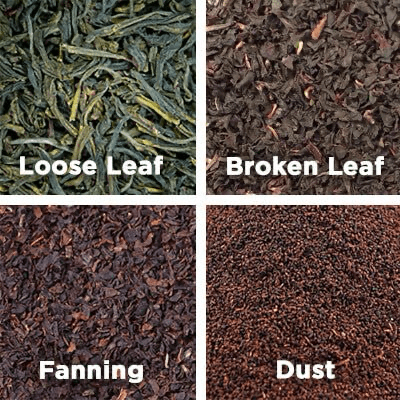
How Tea Grading Actually Works
In many systems (especially black tea):
Grades are based on:
1. Whole Leaf
- Large, intact leaves
- More complex flavor
2. Broken Leaf
- Smaller pieces
- Stronger, faster infusion
3. Fannings
- Even smaller
- Used in tea bags
4. Dust
- Very fine particles
- Fast, strong, low complexity
👉 This is a size classification system
Common Tea Grade Terms (Explained Simply)
OP (Orange Pekoe)
- Whole leaf
- Classic grade
BOP (Broken Orange Pekoe)
- Broken leaves
- Stronger brew
Fannings / Dust
- Tea bag material
👉 These terms DO NOT mean luxury
Why Whole Leaf Tea Is Usually Better
Because it offers:
- More complex flavor
- Slower release
- Better aroma
While broken tea:
- Strong but flat
- Less layered
👉 Whole leaf = better experience
Why “Premium Grade” Can Be Misleading
Many sellers use:
- “AAA”
- “Premium”
- “Top grade”
👉 These are NOT standardized
👉 Often just marketing
What Actually Determines Tea Quality
1. Leaf Material
- Young leaves = better
- Old leaves = rough
2. Processing Skill
- Proper oxidation
- Careful handling
3. Origin
- Region matters
- Soil and climate
4. Freshness
- Old tea loses quality
👉 These matter more than grade
Tea Grades by Tea Type (Important)
Green Tea
- Rarely uses grading terms
- Quality judged by:
👉 appearance + aroma + taste
Oolong Tea
- No universal grading system
- Focus on:
👉 craftsmanship
Pu-erh Tea
- No grading like black tea
- Value based on:
👉 material + aging
👉 Only black tea uses formal grades widely
How to Actually Judge Tea Quality
Forget the label.
Instead, check:
1. Appearance
- Whole leaves
- Clean look
2. Aroma
- Clear and pleasant
3. Taste
- Balanced
- Not harsh
4. Aftertaste
- Lingering
👉 This is real grading
Beginner Buying Rule (Very Important)
If you remember ONE thing:
👉 Buy whole leaf tea whenever possible
That alone improves quality dramatically
When Lower Grades Are Useful
Not all lower grades are bad.
Good for:
- Milk tea
- Strong flavor
- Quick brewing
👉 Different purpose
Pro Tip
Don’t trust labels.
Trust experience.
👉 Taste > Grade
Final Thoughts
Tea grades are helpful—but limited.
They tell you:
- Size
- Style
But not:
- Quality
- Experience
👉 The best tea is not the highest grade.
👉 It’s the one that tastes right.