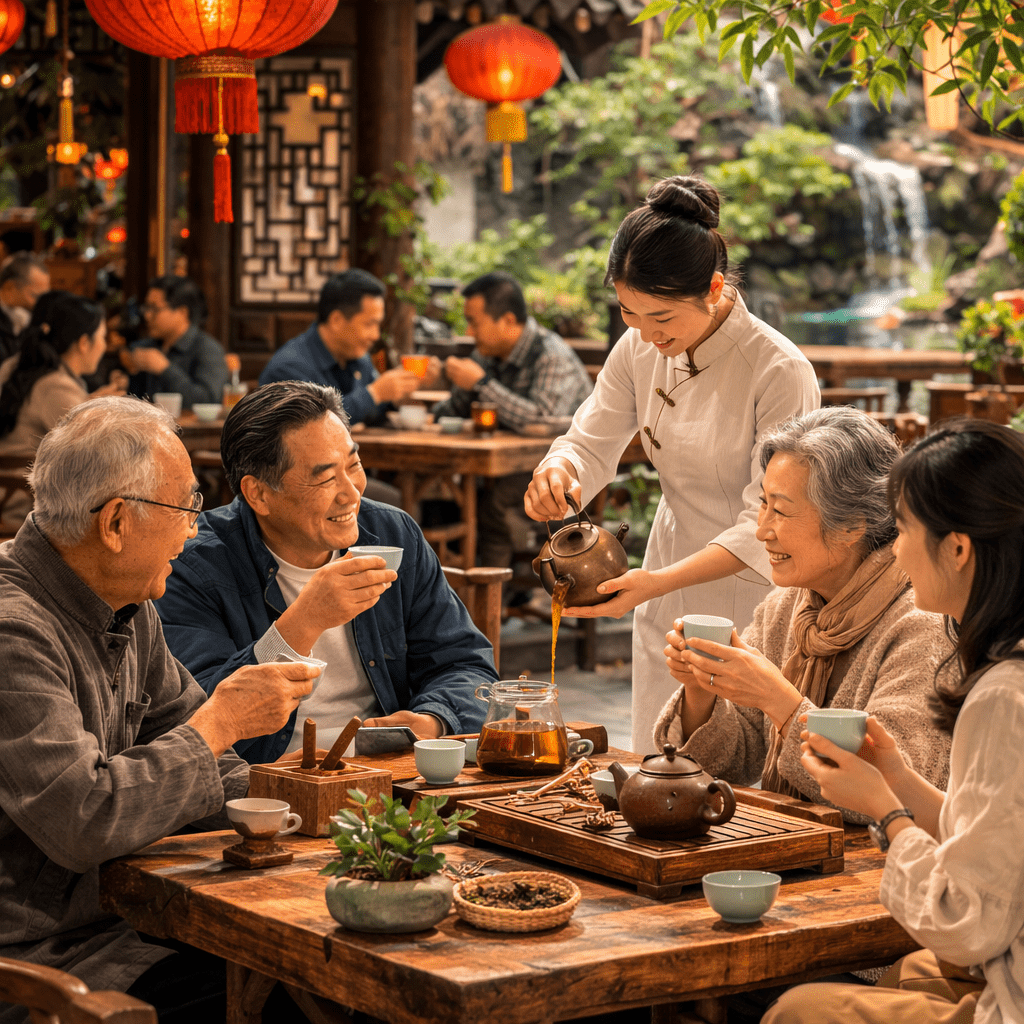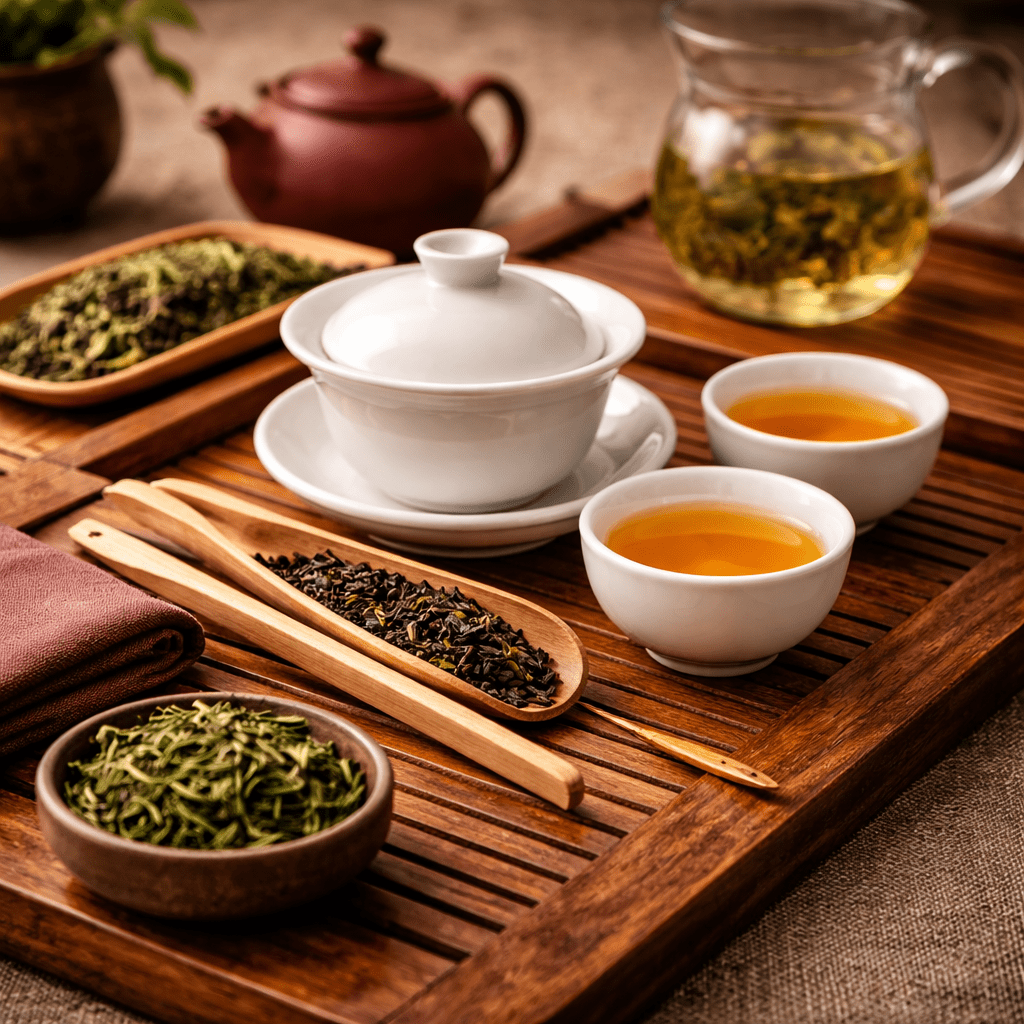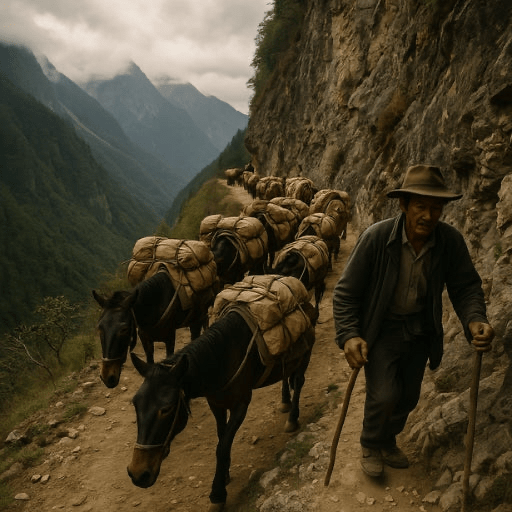
Today, tea is one of the most widely consumed drinks in the world.
But it didn’t start that way.
Tea began in one place…
👉 China
And over thousands of years, it spread across continents, cultures, and civilizations.
Quick Answer (Featured Snippet)
👉 Tea became popular worldwide through trade, cultural exchange, and colonization, spreading from China to Asia, Europe, and eventually the entire world.
Where Tea Began
Ancient China (~4000+ years ago)
Tea was first discovered as:
- A medicinal drink
- Later a daily beverage
Over time, it became:
- A cultural practice
- A refined art
👉 This is where tea culture was born
How Tea Spread Across Asia
1. Japan
Tea was introduced through:
- Buddhist monks
In Japan, tea became:
- A spiritual practice
- A ceremonial art
👉 Leading to the tea ceremony tradition
2. Korea & Southeast Asia
Tea spread gradually through:
- Trade
- Cultural exchange
👉 Becoming part of daily life
Tea Reaches Europe
17th Century (Major Turning Point)
European traders brought tea from China.
At first:
- Rare
- Expensive
- Only for the wealthy
👉 Tea was a luxury
Then it exploded in popularity
Especially in:
- England
Why Tea Became Huge in Britain
1. Royal Influence
Tea became fashionable among elites
2. Social Culture
Afternoon tea emerged
3. Trade Expansion
British companies imported massive amounts
👉 Tea became a national habit
The Role of Colonial Trade
To meet demand, tea production expanded to:
- India
- Sri Lanka
👉 This changed tea forever
Now tea was:
- Mass-produced
- More accessible
Tea in the Modern World
Today, tea is:
- Global
- Diverse
- Adapted to many cultures
Examples:
- China → traditional loose leaf tea
- Japan → matcha & green tea
- UK → milk tea
- India → chai
👉 Same plant, different cultures
Why Tea Spread So Successfully
1. Easy to Transport
Dry leaves travel well
2. Adaptable
Can be:
- Strong
- Light
- Sweet
- Simple
3. Social Nature
Tea encourages:
- Conversation
- Ritual
- Connection
👉 Perfect cultural drink
Tea vs Coffee (Historical Insight)
Tea:
- Slow culture
- Ritual-based
Coffee:
- Fast culture
- Productivity-based
👉 This difference still exists today
How Tea Became a Daily Habit Worldwide
Over time:
- Price decreased
- Availability increased
Tea moved from:
👉 Luxury → Daily drink
The Hidden Power of Tea Culture
Tea is not just about drinking.
It represents:
- Patience
- Simplicity
- Awareness
👉 That’s why it lasts
Final Thoughts
Tea’s journey is not just about geography.
It’s about transformation:
- From medicine → culture
- From luxury → habit
- From local → global
And today…
👉 Every cup carries that history