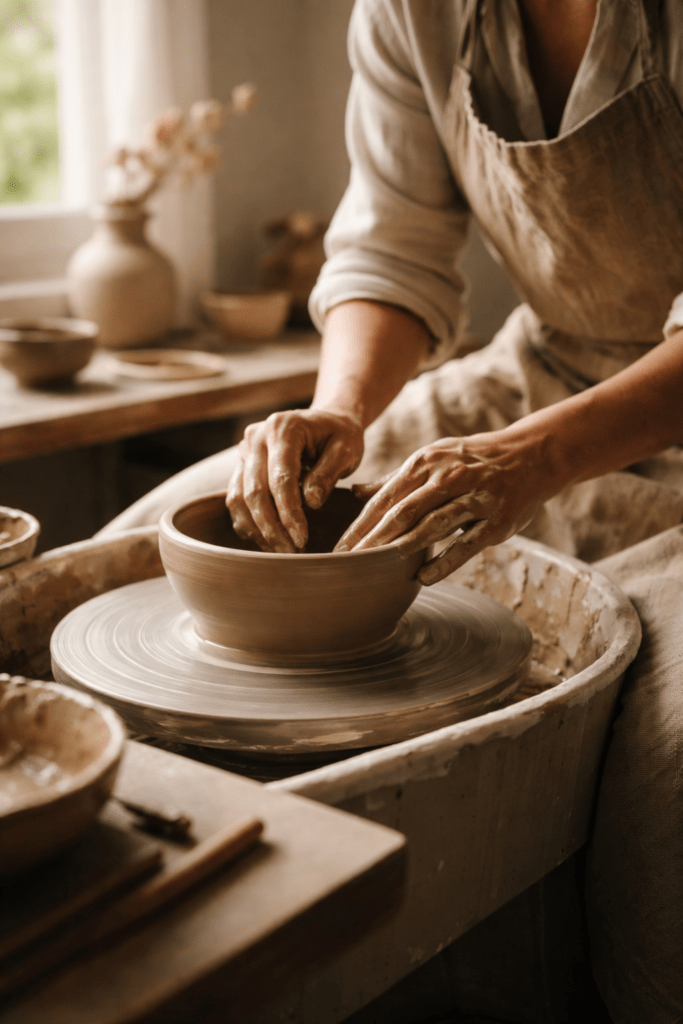
Craft Inspiration Guide: How to Find Ideas, Stay Creative, and Never Run Out of Inspiration
Why Inspiration Feels Unreliable
Almost everyone who starts crafting experiences this moment:
You sit down.
You have time.
You want to create something.
But nothing comes.
No idea.
No direction.
No motivation.
You feel stuck.
And you start thinking:
“Maybe I’m not creative.”
But that’s not true.
The problem is not creativity.
It’s misunderstanding inspiration.
What Inspiration Really Is
Inspiration is not something you wait for.
It is not a sudden moment of brilliance.
It is:
👉 A response to what you see, experience, and engage with
Inspiration comes from:
- Exposure
- Observation
- Interaction
Not from thinking alone.
The Biggest Mistake About Inspiration
Many beginners believe:
“I need a good idea before I start.”
This creates pressure.
And pressure blocks action.
The truth is:
👉 Action creates inspiration
👉 Not the other way around
When you start doing something—
ideas begin to appear.
The Three Sources of Craft Inspiration
Most inspiration comes from three areas.
Understanding these helps you access it more easily.
1. Visual Input
What you see influences what you create.
Examples:
- Images
- Objects
- Designs
- Nature
Visual input provides:
- Shapes
- Colors
- Structure
It gives your mind something to work with.
2. Experience
Your daily life influences your ideas.
- Places you visit
- Things you notice
- Emotions you feel
These experiences shape your creative direction.
3. Process
Sometimes inspiration comes from doing.
When you:
- Handle materials
- Repeat movements
- Experiment
Ideas emerge naturally.
How to Find Inspiration (Practical Methods)
You don’t need to wait.
You can actively generate inspiration.
Look at Real Objects
Observe:
- Handmade items
- Everyday objects
- Natural forms
Pay attention to:
- Texture
- Shape
- Detail
This builds visual awareness.
Explore Simple Ideas
Instead of searching for something unique—
start with something simple.
Repeat it.
Change small details.
Variation creates ideas.
Use Constraints
Limit yourself.
For example:
- One material
- One shape
- One color
Constraints reduce overwhelm.
And increase focus.
Keep an Idea List
Write down small ideas.
Not perfect ones.
Just simple thoughts.
This creates a pool of inspiration you can return to.
Why You Sometimes Feel Blocked
Creative blocks happen for clear reasons.
Too much input
Too little action
Too many expectations
Lack of clarity
When everything feels unclear, the mind stops.
The solution is not more thinking.
It is simplification.
How to Break a Creative Block
If you feel stuck:
Start with something small
Use a simple material
Repeat a basic action
Do not aim for something impressive.
Just begin.
Movement restores flow.
The Role of Repetition in Creativity
Repetition is often misunderstood.
People think repeating is boring.
But repetition:
- Builds skill
- Reveals variation
- Creates new ideas
Doing the same thing multiple times often leads to unexpected results.
Why Copying Is Not Always Bad
Beginners often avoid copying.
But copying can be useful.
It helps you:
- Understand structure
- Learn techniques
- Build confidence
The key is not to stay there.
Use it as a step.
Then adjust.
Turning Inspiration Into Action
Inspiration alone is not enough.
You need to act on it.
Take an idea—
Make it simple
Start small
Test it
Even if it doesn’t work—
you learn something.
How to Develop Your Own Style
Style is not something you choose.
It develops over time.
Through:
- Repetition
- Preference
- Experience
You begin to notice:
- What you like
- What you repeat
- What feels natural
That becomes your style.
Avoiding Inspiration Overload
Too much input can be harmful.
If you consume too much content:
- You feel overwhelmed
- You compare too much
- You lose direction
Limit your input.
Focus on a few sources.
Then create.
Inspiration vs Motivation
Inspiration gives ideas.
Motivation gives energy.
But neither is required to begin.
Routine is more reliable.
Start anyway.
Even without inspiration.
Building a Sustainable Inspiration System
Instead of relying on random ideas—
build a system:
Observe regularly
Keep ideas simple
Practice consistently
Reflect occasionally
This creates ongoing inspiration.
Not temporary bursts.
Common Inspiration Mistakes
Waiting for perfect ideas
Consuming too much content
Avoiding action
Expecting originality too early
Overcomplicating concepts
Keep things simple.
Stay active.
FAQ
How do I find inspiration for crafting?
Observe your environment, explore simple ideas, and start creating.
What should I do if I have no ideas?
Begin with basic actions. Inspiration often comes after starting.
Is it okay to copy ideas?
Yes, as a learning step. Then adapt and make it your own.
Why do I feel stuck creatively?
Often due to overthinking, lack of action, or too much input.
How do I stay inspired long-term?
Build a routine of observing, practicing, and reflecting.
Final Reflection
Inspiration is not rare.
It is not special.
It is always available—
if you engage with the process.
You don’t need to wait.
You don’t need perfect ideas.
You only need to begin.
Look.
Notice.
Start.
And slowly—
what once felt empty
becomes full of possibility.
