What Is Craft: A Complete Beginner’s Guide to Meaning, Types, Materials, and Why It Matters
Why This Question Matters More Than It Seems
At first, it looks simple.
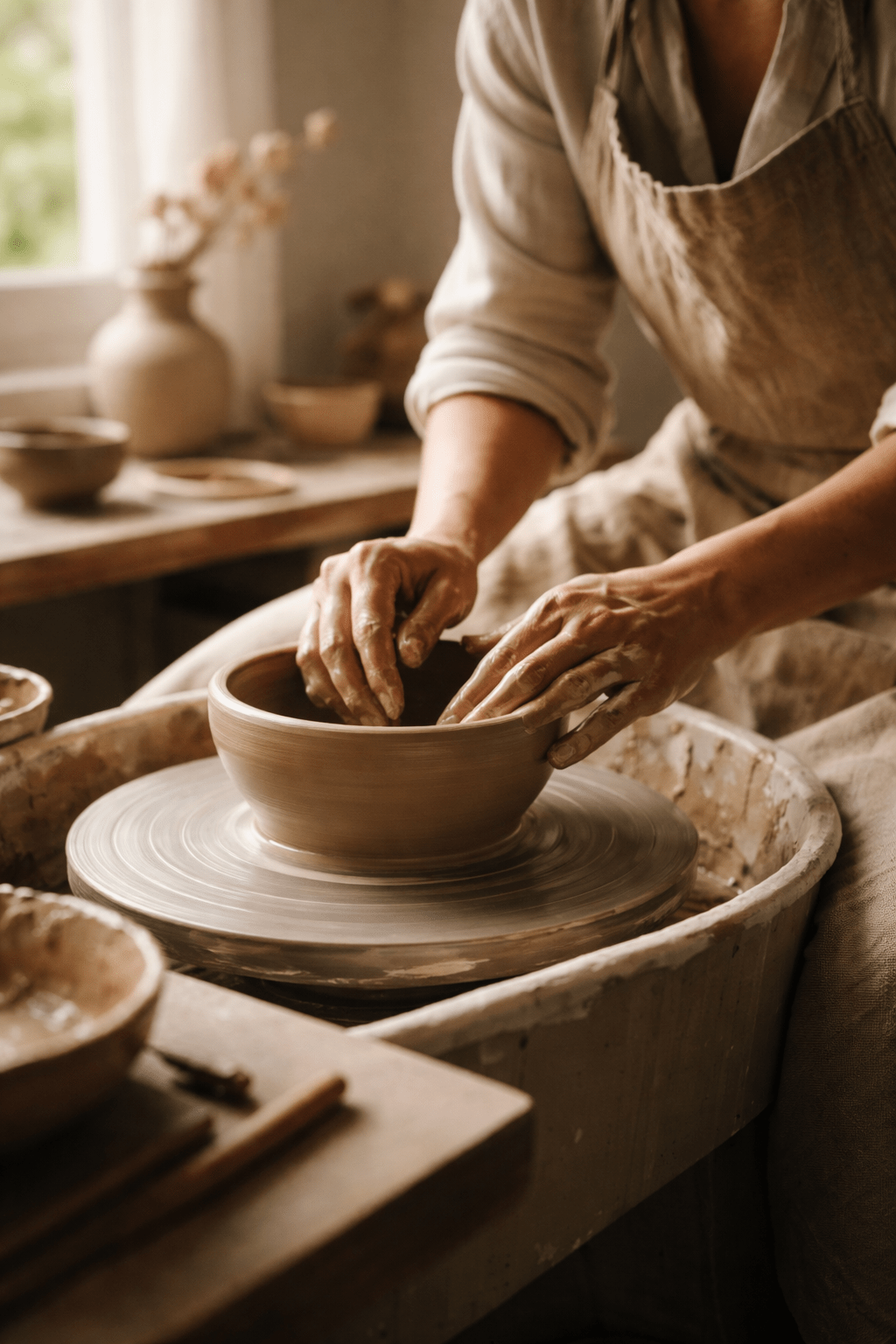
You see someone making something by hand—
a piece of pottery, a handmade candle, a woven fabric—
and you think:
👉 “That’s craft.”
But then something deeper happens.
You notice how they move.
Slowly. Carefully. Fully present.
And suddenly, it doesn’t feel like just “making something.”
It feels like:
- Focus
- Calm
- Attention
- Intention
And that’s when the question becomes real:
👉 What is craft, really?
Is it just a hobby?
A skill?
A form of art?
Or something deeper—something that connects hands, mind, and presence?
If you’ve ever felt drawn to making things,
or found unexpected calm while doing something simple—
this guide will take you all the way in.
If you’re completely new, start here → craft for beginners
What Is Craft? (Simple Explanation)
At its most basic level, craft is:
👉 The act of making something by hand using skill and intention
But that definition is only the surface.
Craft is not just about creating an object.
It’s about:
- The process of making
- The attention you bring
- The relationship between you and the material
Craft involves:
- Hands-on work
- Physical materials
- Repetition and refinement
- Learning through doing
Unlike mass production, craft is:
👉 Slow
👉 Intentional
👉 Personal
It is not about speed.
It is about presence.
Craft Is Not Just Making — It’s a Way of Experiencing
Here’s what most beginners misunderstand:
Craft is not about the final product.
It’s about what happens while you’re making it.
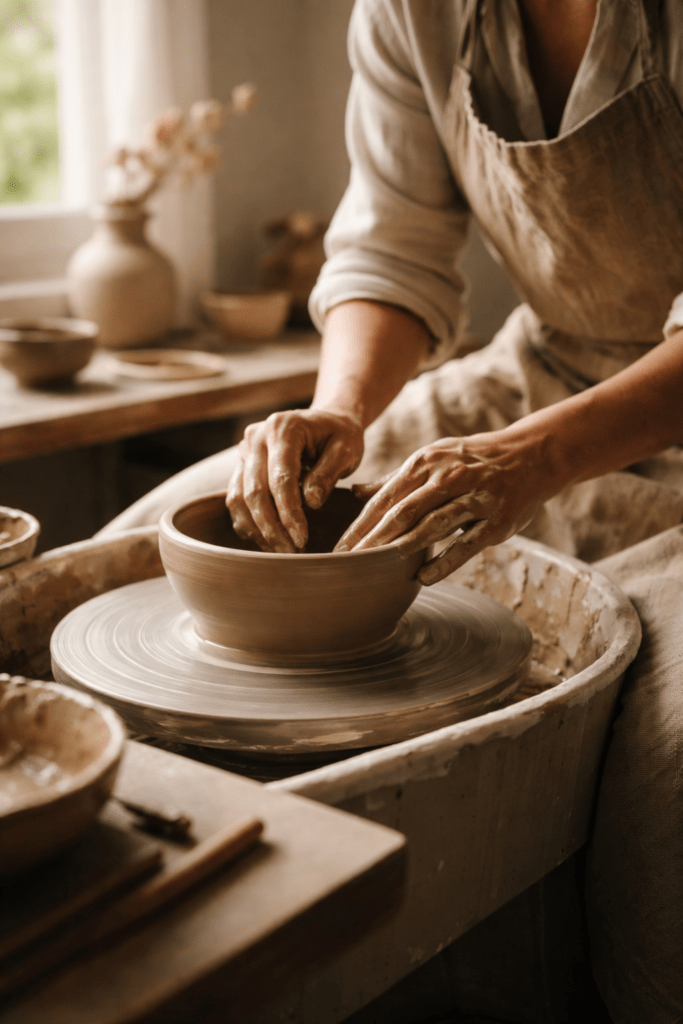
When you craft, something shifts:
- Your mind slows down
- Your body becomes involved
- Your attention settles
You stop thinking in the usual way.
You start noticing:
- Texture
- Movement
- Detail
This is why craft feels different from:
- Watching something
- Consuming content
- Scrolling endlessly
Craft is active.
And because of that—
👉 it brings you back to the present moment
Similar to → craft mindfulness
A Brief History of Craft (Across Cultures)
Craft is not new.
It’s one of the oldest human activities.
Before machines, before factories—
there was only craft.
Ancient Civilizations
In early societies, craft was essential:
- Tools were handmade
- Clothing was woven
- Homes were built by hand
Craft was survival.
China
Craft became refined and philosophical.
It was connected to:
- Calligraphy
- Ceramics
- Woodwork
Craft was not just function—
👉 it was a way of cultivating the mind
Japan
Craft evolved into a philosophy:
👉 “Shokunin” — the spirit of the craftsman
Focus, discipline, humility.
Doing one thing well, repeatedly.
Europe
Guild systems developed:
- Apprenticeship
- Skill mastery
- Craft traditions
Craft became identity.
Modern World
Machines replaced many crafts.
But something was lost:
👉 The human connection to making
And now—
craft is returning.
Not as necessity.
But as meaning.
Why People Are Returning to Craft Today
In a world of speed, automation, and digital overload—
craft offers something rare:
👉 Slowness
👉 Tangibility
👉 Reality
1. To Escape Constant Digital Noise
We live in screens.
Craft brings us back to:
- Hands
- Materials
- Physical experience
2. To Reduce Stress and Anxiety
Making something simple can calm the mind.
👉 Similar to → craft for anxiety
3. To Feel a Sense of Creation
In many modern jobs, you don’t “see” what you make.
Craft gives you:
👉 A visible result
4. To Reconnect With Meaningful Work
Craft is:
- Direct
- Honest
- Real
You see what you do.
Types of Craft (Beginner Overview)
Craft is not one thing.
It’s a wide world.
1. Material-Based Crafts
Defined by what you work with:
- Wood craft
- Clay craft
- Paper craft
- Textile craft
2. Functional Crafts
Focused on practical use:
- Furniture
- Tools
- Clothing
3. Decorative Crafts
Focused on beauty:
- Jewelry
- Home decor
- Art pieces
4. DIY Crafts
Simple, accessible:
- Beginner projects
- Home crafts
- Everyday making
👉 Full breakdown → types of crafts explained
What Materials Are Used in Craft?
Materials define the experience.
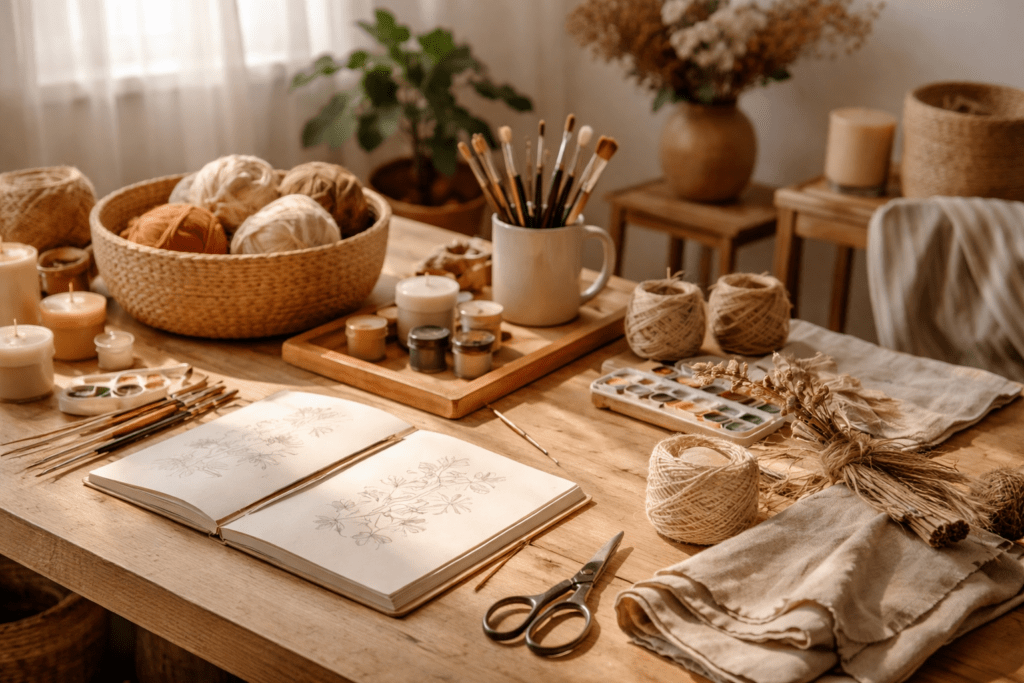
Natural Materials
- Wood
- Clay
- Stone
- Fiber
These feel:
👉 Grounding
👉 Organic
👉 Real
Modern Materials
- Resin
- Plastic
- Synthetic fabrics
These allow:
👉 Flexibility
👉 Precision
👉 Experimentation
Tools and Materials Together
Craft is always:
👉 Material + Tool + Technique
If you want to explore deeper → craft materials basics
How Craft Affects the Mind
This is where craft becomes powerful.
When you craft:
- Your attention narrows
- Your breathing slows
- Your thoughts soften
You enter what’s called:
👉 A flow state
A state where:
- Time feels different
- Effort feels natural
- Mind becomes quiet
Craft is one of the easiest ways to access this.
The Real Experience of Craft (What Most People Miss)
Most guides talk about:
- Techniques
- Materials
- Projects
But they miss the core:
👉 Craft changes how you experience time
When you are fully engaged:
- You are not rushing
- You are not comparing
- You are not overthinking
You are simply:
👉 doing
And in that doing—
there is calm.
Common Beginner Mistakes
If craft didn’t feel right before—
it’s likely one of these:
❌ Trying to Be Perfect
Craft is not about perfection
❌ Starting Too Complex
Keep it simple
❌ Comparing to Others
Craft is personal
❌ Expecting Instant Skill
Skill comes through repetition
How to Start Crafting (Simple Guide)
You don’t need much.
Step 1: Choose One Simple Craft
- Paper
- Clay
- Basic DIY
Step 2: Get Basic Tools
No need for expensive equipment.
Step 3: Create a Calm Space
- Light
- Quiet
- Comfortable
Step 4: Focus on Process
Not result.
Step 5: Repeat
Consistency builds both:
👉 Skill
👉 Calm
👉 Full guide → how to start crafting
Craft vs Art: What’s the Difference?
This confuses many people.
Craft
- Skill-based
- Process-focused
- Often functional
Art
- Expression-focused
- Conceptual
- Open interpretation
But in reality—
👉 the line is blurry
Craft can be art.
Art can involve craft.
Is Craft Still Relevant Today?
More than ever.
Because modern life lacks:
- Slowness
- Physicality
- Presence
Craft brings all three back.
FAQ
What is craft in simple terms?
Craft is making things by hand using skill, materials, and attention.
What are examples of crafts?
Examples include pottery, woodworking, knitting, jewelry making, and paper crafts.
Is craft the same as art?
Not exactly. Craft focuses more on skill and process, while art focuses on expression—but they often overlap.
Why is crafting relaxing?
Because it engages the body and mind, reducing overthinking and promoting focus.
Do I need skills to start crafting?
No. Craft is learned through practice, not talent.
Final Reflection
Craft is simple.
A piece of material.
A pair of hands.
A small action repeated.
But within that simplicity—
something opens.
A slower rhythm.
A quieter mind.
A deeper attention.
You don’t need to master anything.
You don’t need to create something perfect.
Just begin.
And let your hands guide you—
back to presence.
