Chinese Tea Ceremony: A Beginner’s Guide to Gongfu Tea
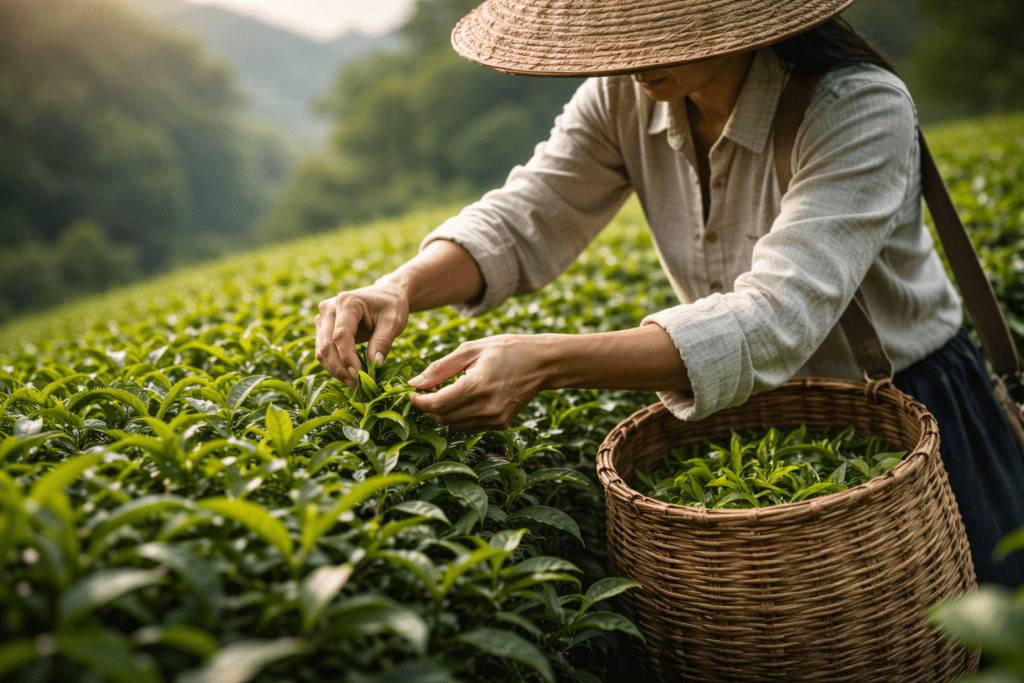
Tea has been an important part of Chinese culture for thousands of years. Beyond simply being a drink, tea is often connected with mindfulness, hospitality, and a quiet appreciation of everyday life. One of the most refined expressions of this tradition is the Chinese tea ceremony, commonly known as gongfu tea.
The word “gongfu” does not mean martial arts in this context. Instead, it refers to skill, patience, and attention to detail. Gongfu tea is a method of preparing tea that emphasizes precision, balance, and respect for the tea leaves.
Unlike casual tea brewing, the gongfu tea ceremony involves carefully measured tea leaves, controlled water temperature, and multiple short infusions. Each step is designed to reveal the full character of the tea.
For many people, practicing the Chinese tea ceremony is not only about taste. It is also a way to slow down, focus the mind, and create a calm moment in daily life.
In this guide, we will explore what the Chinese tea ceremony is, its historical background, the essential tools used in gongfu tea, the steps of the brewing process, and how beginners can start practicing this elegant tradition.
By the end of this article, you will understand why the Chinese tea ceremony continues to inspire tea lovers around the world.
What Is the Chinese Tea Ceremony
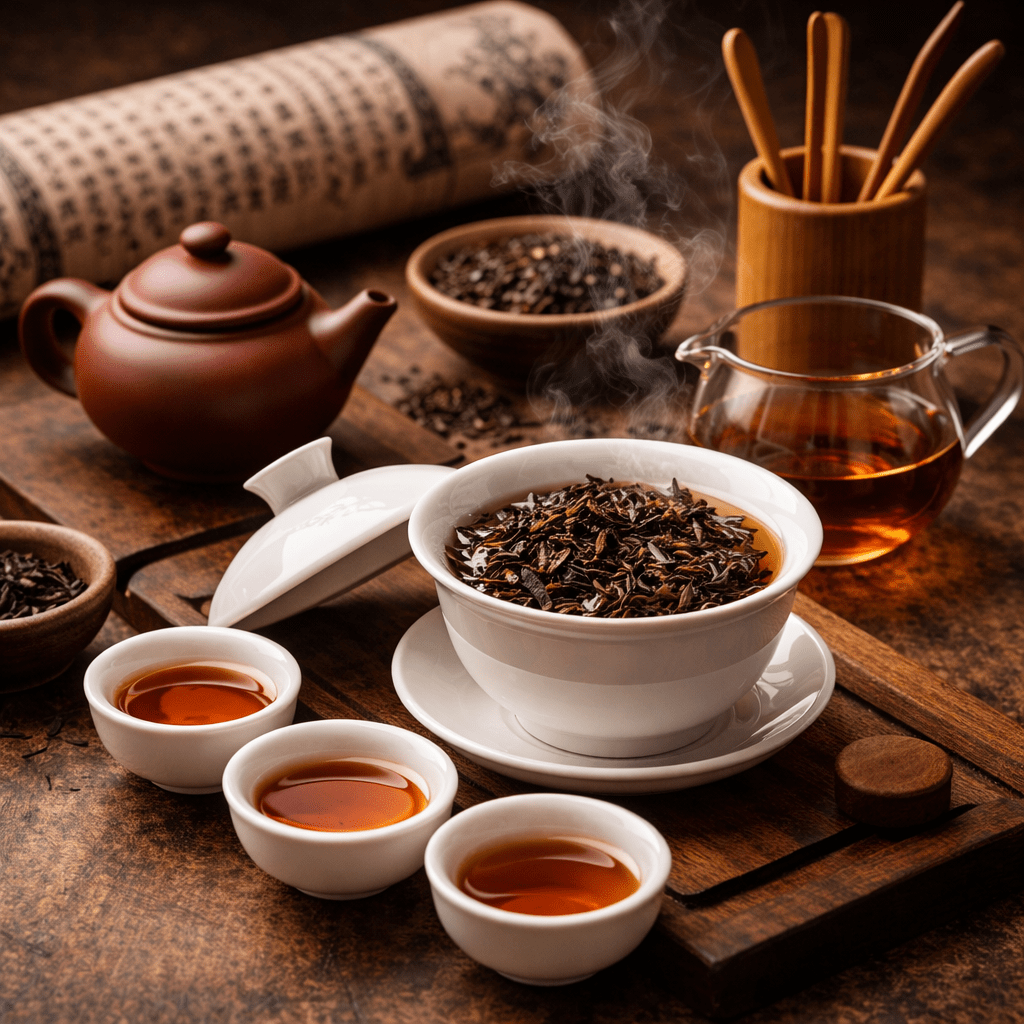
The Chinese tea ceremony refers to the traditional way of preparing and serving tea with attention to detail and respect for the tea itself.
While there are many regional variations, the most well-known method today is gongfu tea brewing. This approach developed in southern China, particularly in Fujian and Guangdong provinces.
The gongfu tea ceremony focuses on:
- high-quality loose leaf tea
- small teaware
- multiple short infusions
- careful observation of aroma and flavor
The goal is not only to drink tea but also to experience how the tea evolves over multiple brews.
Unlike Western tea preparation, which often uses large teapots and long steeping times, gongfu tea uses small vessels and short brewing times. This allows the tea leaves to release their flavors gradually.
Because of this method, each infusion reveals slightly different aromas and tastes.
A Brief History of Chinese Tea Ceremony
Tea drinking in China dates back more than two thousand years.
Early references to tea appear during the Tang Dynasty, when tea culture began to flourish. During this period, tea preparation became more formalized, and scholars began writing about tea appreciation.
One of the most influential works from this era was The Classic of Tea, written by Lu Yu in the 8th century. This book described tea cultivation, preparation methods, and the philosophy of tea drinking.
Over time, tea preparation methods evolved.
During the Song Dynasty, powdered tea was whisked in bowls, a style that later influenced the Japanese tea ceremony.
By the Ming Dynasty, loose leaf tea became more common, and brewing methods began to resemble those used today.
The gongfu brewing style gradually developed in southern China and eventually became one of the most respected ways to prepare tea.
Today, the Chinese tea ceremony is practiced both traditionally and informally by tea enthusiasts around the world.
Essential Teaware for Gongfu Tea
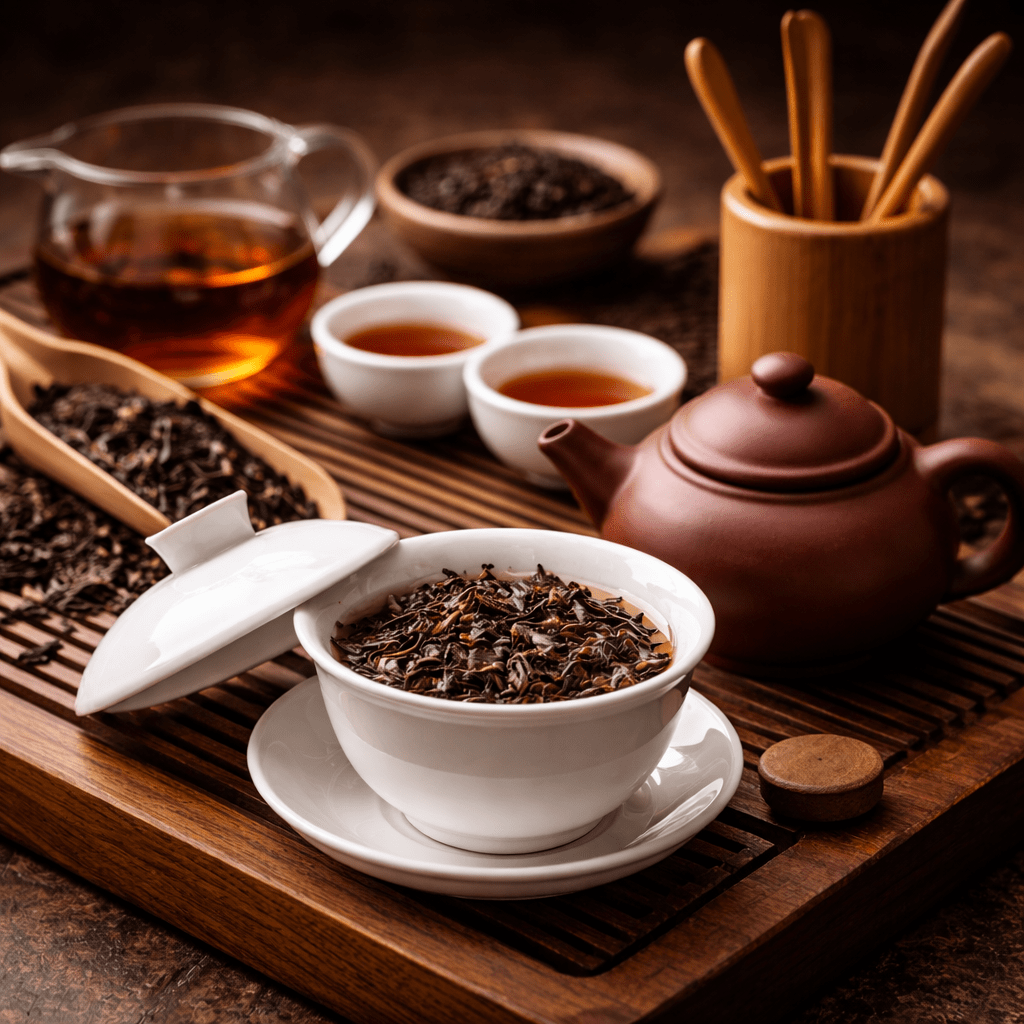
The Chinese tea ceremony uses several small tools that help control the brewing process.
These tools are designed to allow precise brewing while highlighting the beauty of tea preparation.
Gaiwan
The gaiwan is one of the most important tools in the gongfu tea ceremony.
It consists of three parts:
- a bowl
- a lid
- a saucer
The gaiwan allows tea leaves to expand freely during brewing. The lid can be used to control pouring and to smell the aroma of the tea.
Many tea lovers prefer the gaiwan because it allows a clear view of the tea leaves as they open.
Yixing Teapot
Another common brewing vessel is the Yixing clay teapot.
These small teapots are made from special clay found in Yixing, China.
Over time, the clay absorbs the aroma of the tea, which can enhance the flavor of future brews.
Because of this property, many tea drinkers dedicate a single Yixing teapot to one type of tea.
Fairness Pitcher (Cha Hai)
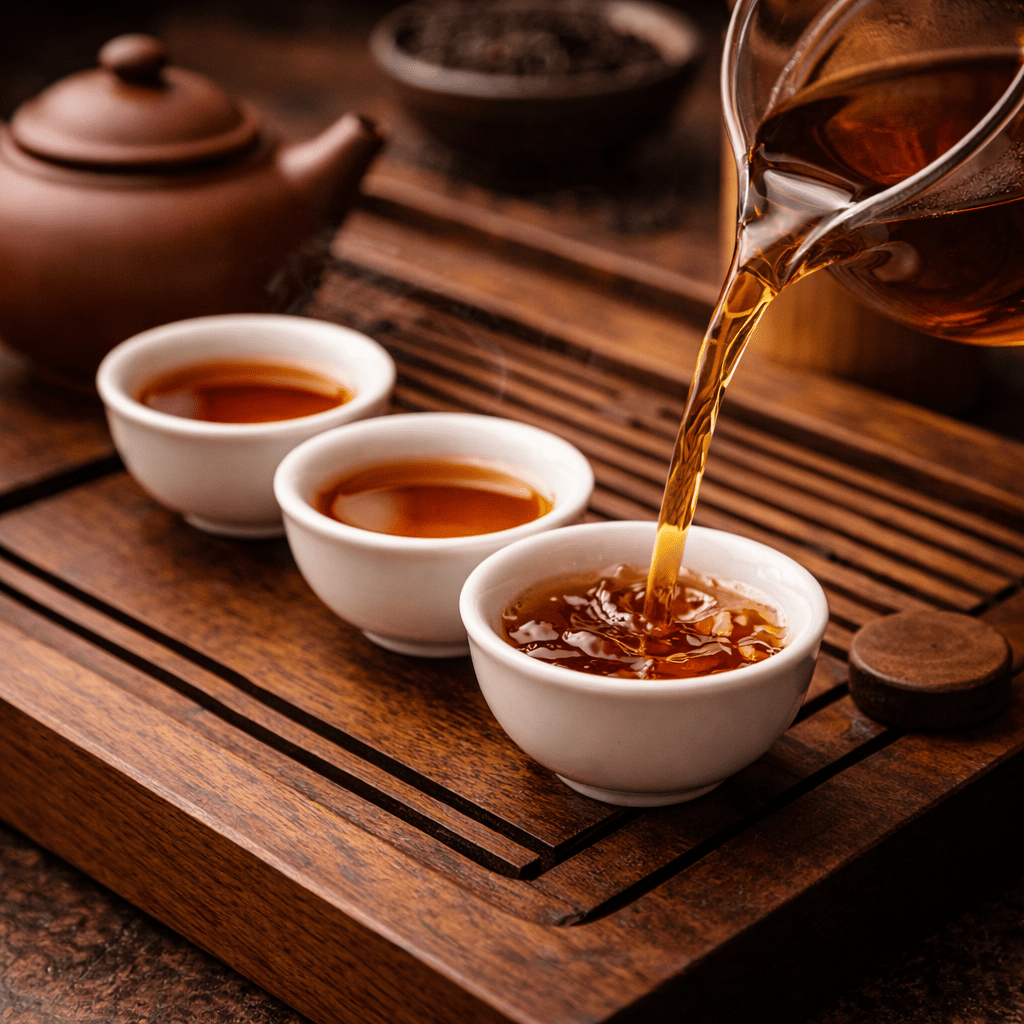
After brewing, tea is often poured into a small pitcher known as a cha hai.
This step ensures that the tea is evenly mixed before being served to guests.
Without the pitcher, the first and last cups poured might taste slightly different.
Small Tea Cups
Gongfu tea is usually served in small cups.
These cups allow drinkers to appreciate the aroma and flavor of the tea in small, focused sips.
Step-by-Step Gongfu Tea Brewing
Although the Chinese tea ceremony may appear complex at first, the basic steps are simple once you understand the process.
1. Warm the Teaware
Hot water is poured over the teapot, cups, and other tools.
This step warms the vessels and prepares them for brewing.
2. Add Tea Leaves
Tea leaves are placed into the gaiwan or teapot.
Gongfu brewing typically uses a higher ratio of tea leaves than Western brewing.
3. Rinse the Tea
A quick rinse with hot water is often used, especially for oolong tea and pu-erh tea.
This step helps open the leaves and removes any dust from the tea.
The rinse is usually poured away and not consumed.
4. First Infusion
Hot water is poured over the tea leaves and steeped briefly.
Depending on the tea, the first infusion may last only 10 to 30 seconds.
The tea is then poured into the fairness pitcher and served.
5. Multiple Infusions
One of the most interesting aspects of gongfu tea is that the same leaves can be brewed many times.
Each infusion reveals different flavors and aromas.
High-quality tea may produce six to ten infusions or more.
Best Teas for Chinese Tea Ceremony
Not all teas are equally suited to gongfu brewing.
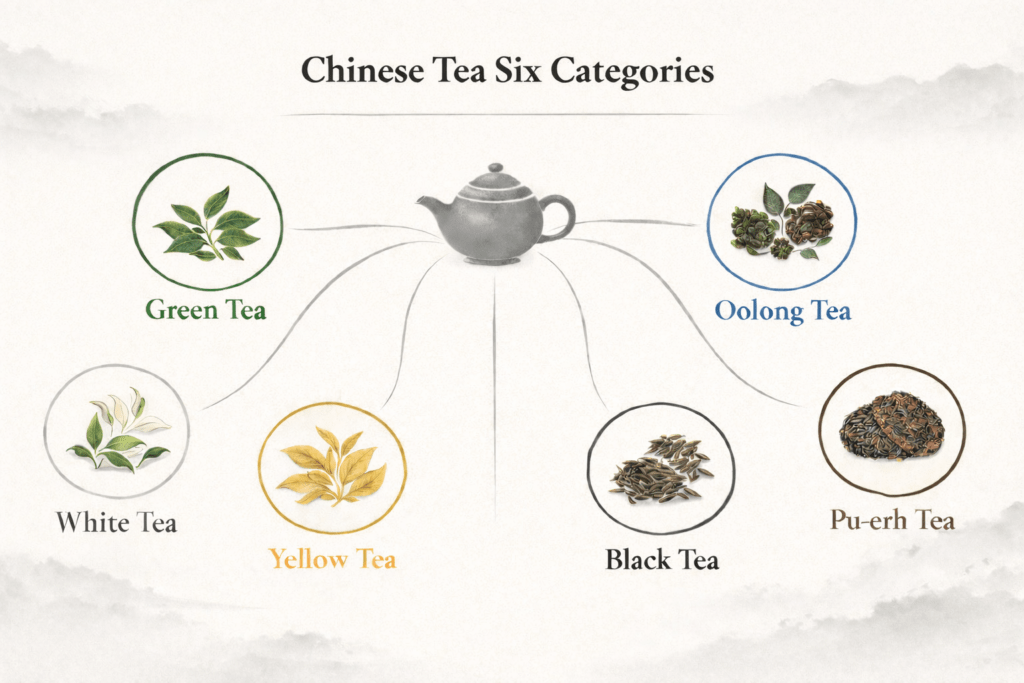
The teas most commonly used in the Chinese tea ceremony include:
- oolong tea
- pu-erh tea
- high-quality black tea
- some aged white teas
These teas tend to have complex flavor profiles that change with multiple infusions.
Oolong tea, in particular, is often considered ideal for gongfu brewing because of its layered aromas and evolving taste.
The Philosophy Behind the Tea Ceremony
While the Chinese tea ceremony involves tools and techniques, its deeper meaning lies in its philosophy.
Tea preparation encourages patience and attention.
The act of brewing tea slowly allows the mind to settle and focus on the present moment.
Many people describe tea practice as a form of quiet meditation.
The ceremony also reflects values that are deeply rooted in Chinese culture, such as:
- harmony
- respect
- simplicity
- balance
Sharing tea with others can create a sense of connection and hospitality.
For this reason, tea is often served when welcoming guests into the home.
How Beginners Can Start Practicing Gongfu Tea
You do not need an elaborate setup to begin exploring the Chinese tea ceremony.
A simple starting set might include:
- a gaiwan
- a fairness pitcher
- two or three small cups
Choose a good loose leaf tea and focus on observing how the tea changes with each infusion.
With practice, you will begin to notice subtle differences in aroma, flavor, and texture.
Over time, the process becomes less about following strict rules and more about enjoying the quiet rhythm of brewing tea.
Why the Chinese Tea Ceremony Still Matters Today
In a fast-paced modern world, the Chinese tea ceremony offers something rare: a moment of stillness.
Preparing tea slowly encourages mindfulness and appreciation for simple experiences.
Many people find that the act of brewing tea creates a small daily ritual that brings calm and clarity.
This balance between simplicity and refinement is one reason the Chinese tea ceremony continues to attract tea lovers across cultures.
Final Thoughts
The Chinese tea ceremony is more than just a method of brewing tea.
It is a tradition shaped by centuries of culture, craftsmanship, and appreciation for the natural beauty of tea.
Through careful preparation and attentive tasting, the ceremony reveals the depth and complexity hidden within a single leaf.
Whether practiced formally or simply as a quiet personal ritual, gongfu tea offers a timeless way to connect with tea, with others, and with the present moment.
Continue the Journey
Best Tea for Immunity: 7 Teas That Help Support Your Immune System Naturally
For centuries, tea has been valued not only for its taste but...
Best Tea for Energy: 6 Teas That Naturally Boost Focus and Alertness
Tea has been used for centuries as a natural way to improve...
Best Tea for Weight Loss: 7 Teas That May Support Healthy Metabolism
Best Tea for Weight Loss: 7 Teas That May Support Healthy Metabolism...