How to Brew Chinese Tea the Right Way: Temperature, Timing, and Technique
Brewing Chinese tea is both simple and refined. At its core, it involves only a few elements: tea leaves, water, and a vessel for brewing. Yet the way these elements interact can dramatically influence the flavor, aroma, and overall experience of the tea.
In Chinese tea culture, brewing tea is not merely about making a drink. It is a small ritual that encourages patience, attention, and appreciation for subtle details. The temperature of the water, the amount of tea leaves used, and the timing of each infusion all play an important role.
When these factors are balanced correctly, even a small amount of tea can produce many cups of rich and evolving flavor.
In this guide, you will learn the essential principles behind brewing Chinese tea properly, including water temperature, tea quantity, brewing time, and the differences between traditional gongfu brewing and simpler everyday methods.
By understanding these techniques, you can unlock the full character of Chinese tea and enjoy a deeper appreciation of its flavor and aroma.
Why Proper Brewing Matters
Tea leaves contain hundreds of natural compounds that contribute to flavor, aroma, and texture. When hot water meets the leaves, these compounds gradually dissolve into the water.
If the water is too hot, delicate flavors may be damaged. If the water is too cool, the tea may taste weak or flat. Similarly, steeping tea for too long can make the drink bitter, while steeping for too short a time may prevent the flavors from fully developing.
Because of this balance, brewing tea properly is essential for revealing the tea’s true character.
High-quality Chinese teas are especially sensitive to brewing technique. A small change in temperature or timing can significantly change the taste of the final cup.
Learning how to brew tea correctly allows each infusion to highlight the natural complexity of the leaves.
The Three Key Factors of Brewing Tea
Although tea preparation may appear complex, it is governed by three fundamental variables:
- water temperature
- tea quantity
- brewing time
When these elements are adjusted carefully, almost any tea can be brewed successfully.
Water Temperature
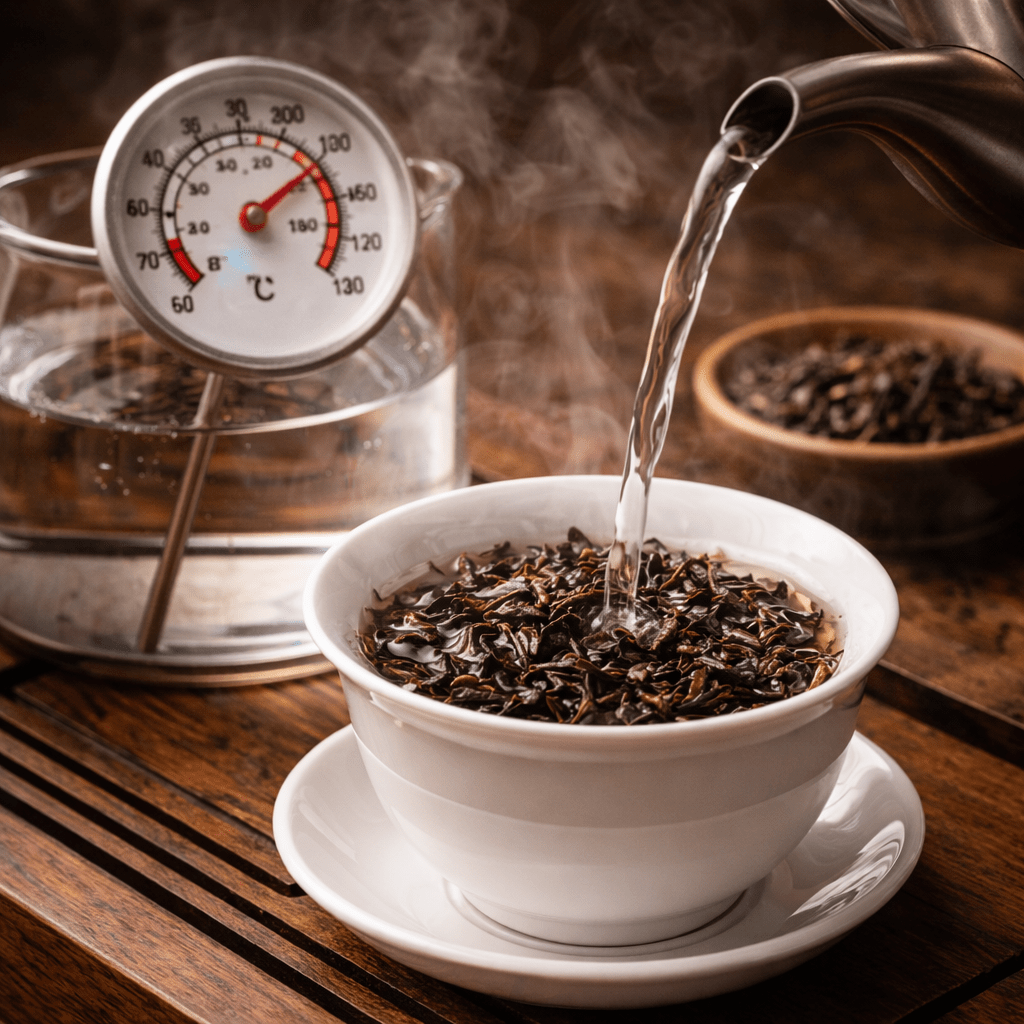
Water temperature is one of the most important factors when brewing tea.
Different types of tea require different temperatures because their leaves have different levels of oxidation and processing.
Delicate teas should be brewed with cooler water, while stronger teas can tolerate hotter temperatures.
General guidelines include:
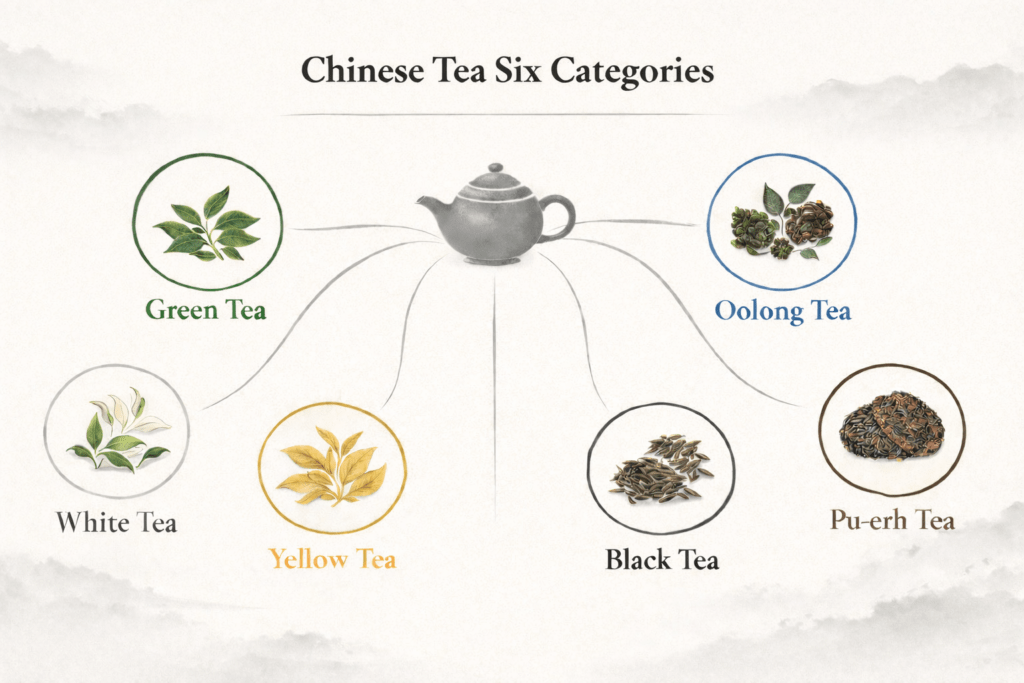
Green tea
70–85°C
White tea
75–90°C
Oolong tea
85–95°C
Black tea
90–100°C
Pu-erh tea
95–100°C
Using boiling water for delicate teas such as green tea may cause bitterness. Lower temperatures preserve the tea’s sweetness and subtle aroma.
For darker teas like pu-erh or black tea, hotter water helps extract the deeper flavors of the leaves.
Tea Quantity
Another key element is the amount of tea used.
Chinese brewing methods usually use more tea leaves than Western brewing styles. This allows the tea to be infused multiple times, with each infusion producing a slightly different flavor.
A common starting ratio is:
3 grams of tea
per 200 milliliters of water
In gongfu brewing, the ratio may be higher because the brewing vessel is smaller and the steeping time is shorter.
Using the correct amount of tea helps maintain balance between flavor strength and smoothness.
Brewing Time
Steeping time controls how quickly the tea’s compounds are extracted into the water.
If tea is steeped too long, it may become overly strong or bitter. If steeped too briefly, the tea may taste weak.
Typical brewing times include:
Green tea
1–2 minutes
White tea
2–3 minutes
Oolong tea
30 seconds to 1 minute
Black tea
3–5 minutes
Pu-erh tea
10–30 seconds for gongfu brewing
With high-quality loose leaf tea, multiple infusions are possible. Later infusions often reveal new layers of aroma and flavor.
Gongfu Brewing vs Western Brewing
There are two main approaches to brewing Chinese tea: gongfu brewing and Western-style brewing.
Both methods can produce excellent tea, but they emphasize different aspects of the tea experience.
Gongfu Brewing
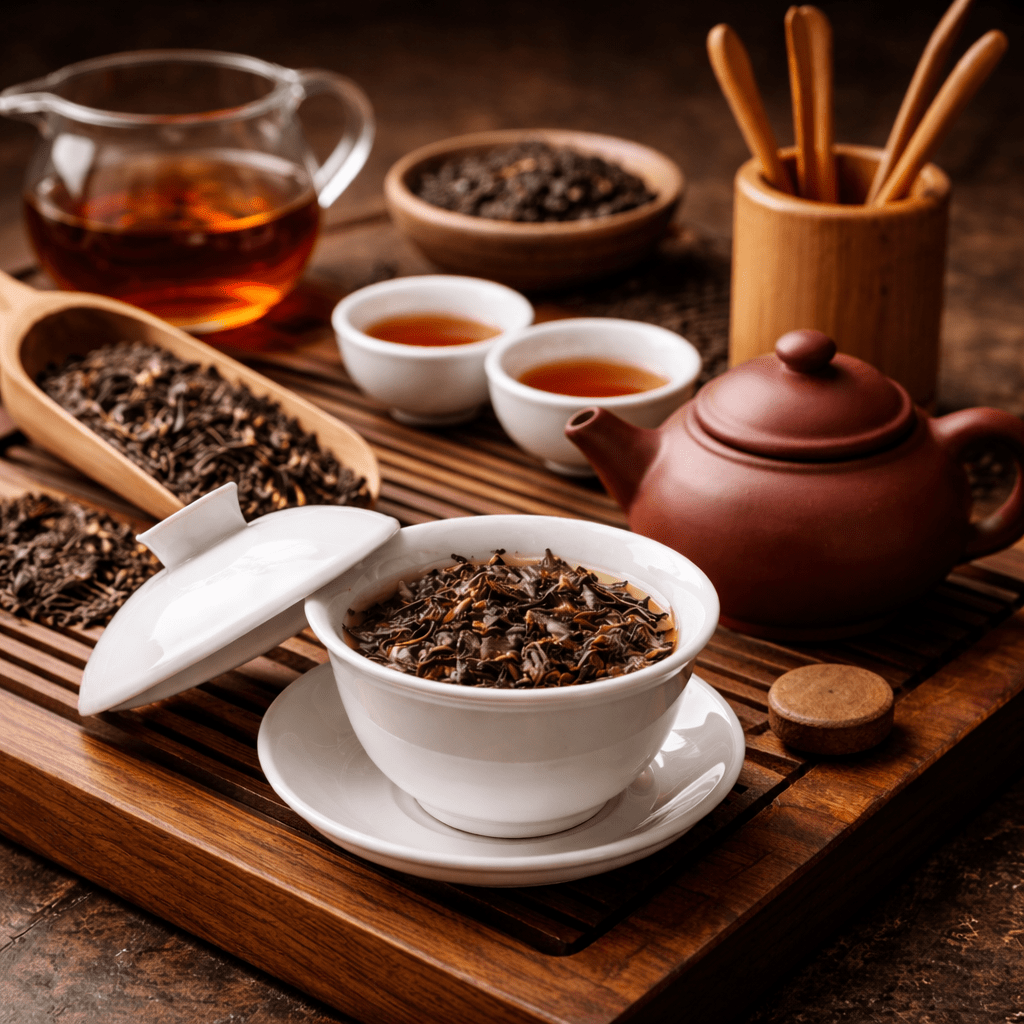
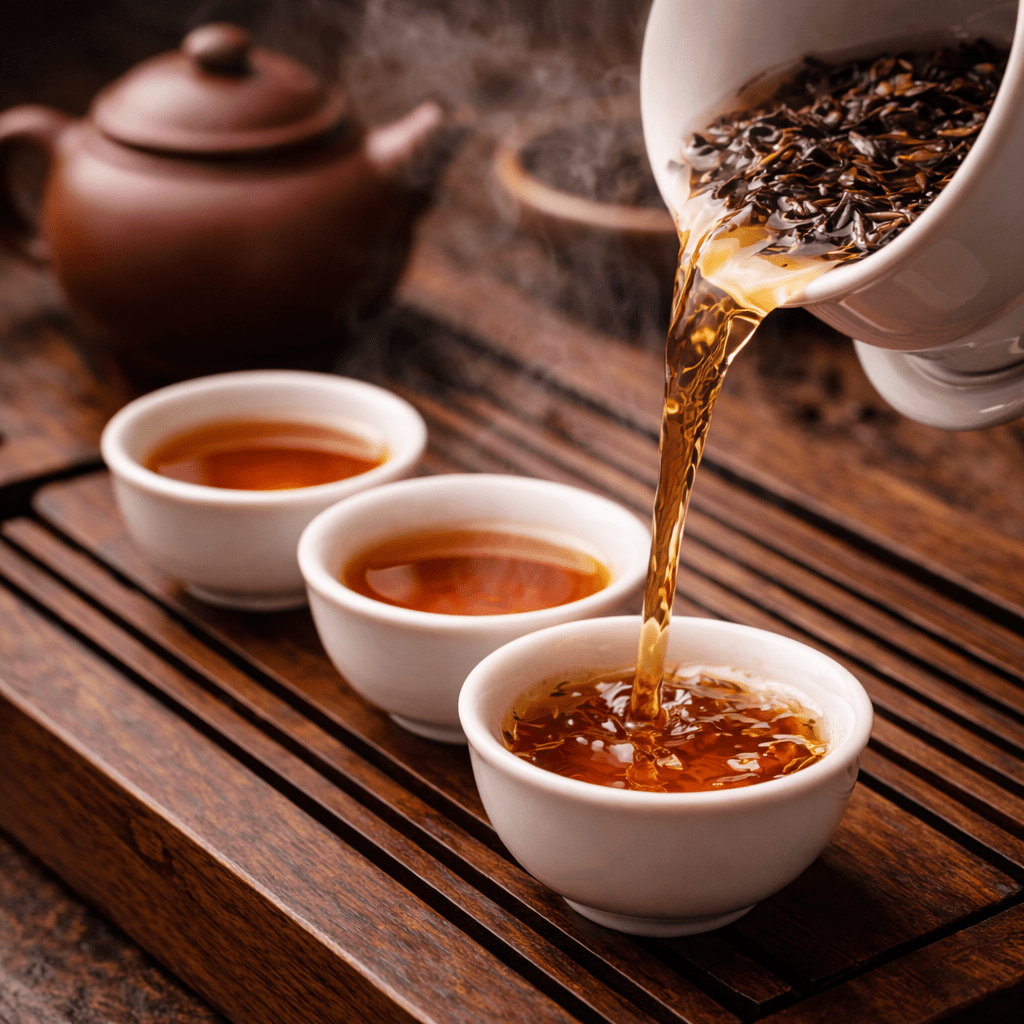
Gongfu brewing uses small teapots or gaiwans and a higher ratio of tea leaves.
Key characteristics include:
- small brewing vessels
- short infusion times
- multiple infusions
Because each infusion is brief, the tea gradually releases its flavor over many cups. This method allows drinkers to observe how the taste evolves from one infusion to the next.
Gongfu brewing is especially popular for teas such as oolong and pu-erh.
Western Brewing
Western-style brewing uses larger teapots or cups and longer steeping times.
This method typically produces one or two strong infusions rather than many smaller ones.
Western brewing is convenient and works well for everyday tea drinking.
However, it does not always reveal the same level of complexity as gongfu brewing.
Brewing Different Types of Chinese Tea
Although the general principles of tea brewing are universal, each type of tea has its own characteristics.
Green Tea
Green tea is delicate and should be brewed with cooler water.
Lower temperatures help preserve the tea’s fresh and vegetal flavor while preventing bitterness.
White Tea
White tea is lightly processed and has a soft flavor.
It benefits from slightly longer brewing times, allowing the subtle sweetness of the leaves to emerge.
Oolong Tea
Oolong tea is one of the most versatile teas for brewing.
Many oolong teas perform especially well in gongfu brewing, where multiple short infusions reveal layers of aroma.
Black Tea
Black tea is fully oxidized and can tolerate hotter water.
Longer steeping times produce a rich, full-bodied cup.
Pu-erh Tea
Pu-erh tea is often brewed using gongfu technique.
The leaves can be infused many times, with each infusion revealing new depth and complexity.
Common Tea Brewing Mistakes
Even experienced tea drinkers occasionally make mistakes when preparing tea.
Some of the most common issues include:
Using boiling water for delicate teas
Using too few tea leaves
Steeping tea for too long
Using poor-quality water
Good water is often overlooked, but it has a major impact on the taste of tea. Clean, filtered water usually produces the best results.
Avoiding these simple mistakes can greatly improve the quality of your tea.
The Quiet Pleasure of Brewing Tea
One of the most appealing aspects of Chinese tea culture is the calm rhythm of brewing and drinking tea.
Preparing tea slowly encourages attention and appreciation. Watching the leaves open in hot water and noticing the subtle changes in aroma can transform a simple drink into a quiet moment of reflection.
Many people find that brewing tea becomes a small daily ritual that provides balance and relaxation.
Final Thoughts
Brewing Chinese tea properly does not require complicated tools or strict rules.
What matters most is understanding the basic principles of temperature, timing, and balance.
With practice, you will begin to recognize how small adjustments affect the taste of the tea. Over time, brewing tea becomes less about following instructions and more about developing a personal sense of rhythm and preference.
Whether you prepare tea using the gongfu method or a simple teapot, learning how to brew Chinese tea correctly opens the door to a richer and more rewarding tea experience.
Continue the Journey
Tea to Water Ratio Guide: How Much Tea to Use for Perfect Brewing
When brewing tea, many people focus on temperature or steeping time. However,...
Tea Steeping Time Guide: How Long to Steep Different Types of Tea
Brewing tea may seem simple, but one factor has an enormous impact...
No Image
Gongfu Tea Brewing Method Explained: The Traditional Chinese Way to Brew Tea
Tea is deeply woven into Chinese culture. For thousands of years, tea...