Pu-erh Tea Explained: Raw vs Ripe, Taste, Benefits, and Brewing Guide
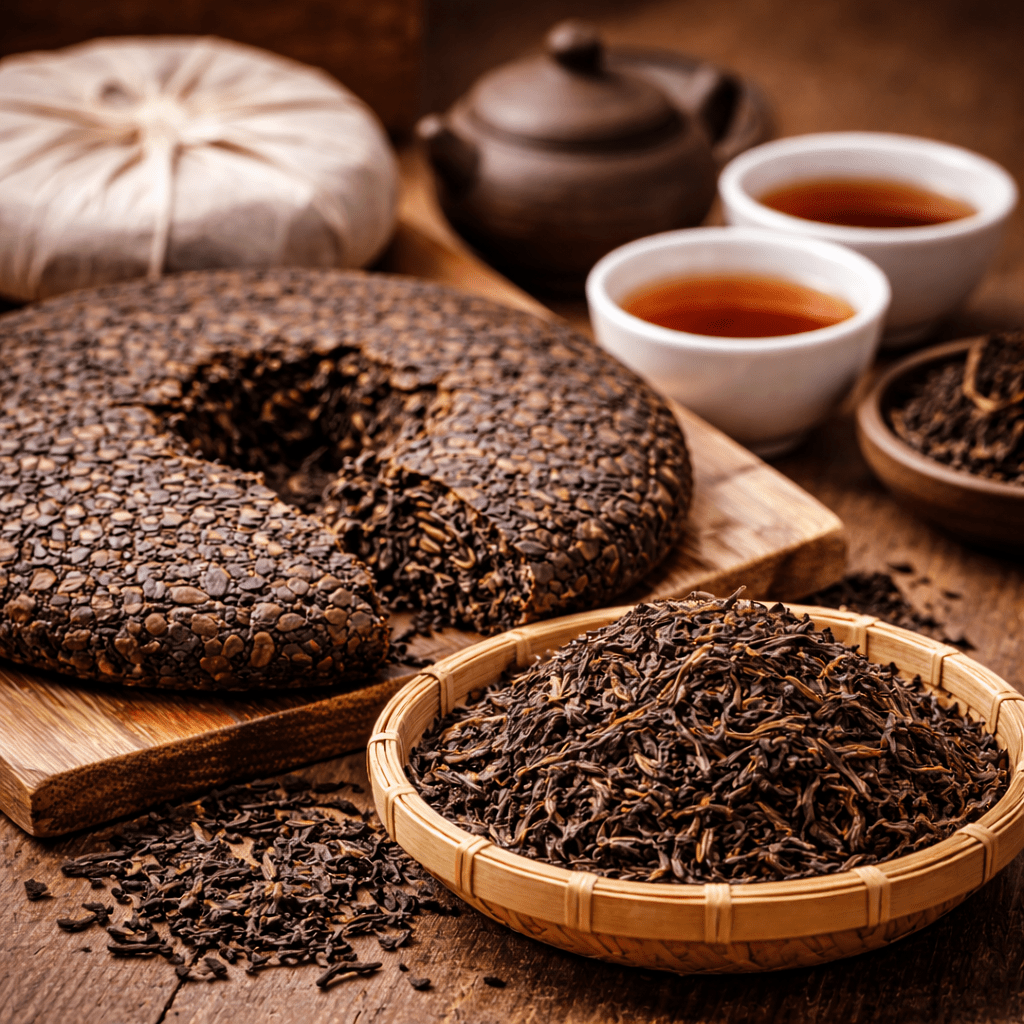
Pu-erh tea is one of the most unique and fascinating teas in the world. Unlike most other teas, which are meant to be consumed relatively soon after production, pu-erh tea is known for its ability to age and evolve over time.
Originating in China’s Yunnan Province, pu-erh tea has been produced for centuries using traditional methods that allow the tea leaves to ferment and mature. Over time, this process develops complex flavors, rich aromas, and a smooth character that many tea drinkers deeply appreciate.
Pu-erh tea is often described as earthy, mellow, and full-bodied. Depending on the type and age of the tea, the flavor may also reveal notes of wood, dried fruit, or dark honey.
What makes pu-erh tea especially interesting is that it exists in two main styles: raw (sheng) pu-erh and ripe (shou) pu-erh. These two styles differ significantly in how they are processed and how they taste.
In this guide, we will explore everything you need to know about pu-erh tea, including what pu-erh tea is, how it is produced, the differences between raw and ripe pu-erh, the flavor profile of pu-erh tea, its potential benefits, and how to brew it properly.
By the end of this article, you will understand why pu-erh tea has become one of the most respected and collectible teas in Chinese tea culture.
What Is Pu-erh Tea
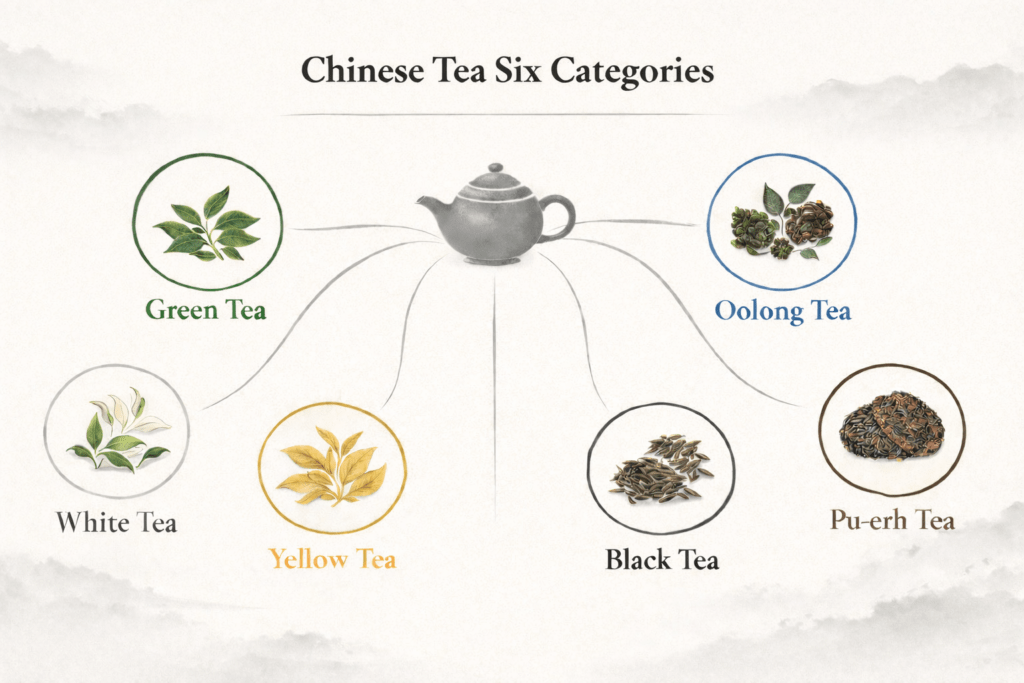
Pu-erh tea is a type of tea made from the leaves of the Camellia sinensis plant. Like green tea, white tea, oolong tea, and black tea, it comes from the same tea plant. However, what makes pu-erh tea unique is its post-fermentation process.
After the tea leaves are processed, microorganisms gradually transform the chemical composition of the tea during storage. This natural aging process gives pu-erh tea its distinctive flavor and aroma.
Pu-erh tea is traditionally produced in Yunnan Province, a region in southwestern China known for its ancient tea forests. Many pu-erh teas are made from leaves harvested from large-leaf tea trees that grow in mountainous areas.
Unlike most teas that are consumed within a year or two, pu-erh tea can continue to change for decades. As the tea ages, its flavor becomes smoother and more complex.
Because of this aging potential, pu-erh tea is sometimes compared to fine wine.
How Pu-erh Tea Is Made
The production of pu-erh tea follows several key steps that prepare the tea for fermentation and aging.
Although specific techniques may vary, traditional pu-erh production usually includes the following stages.
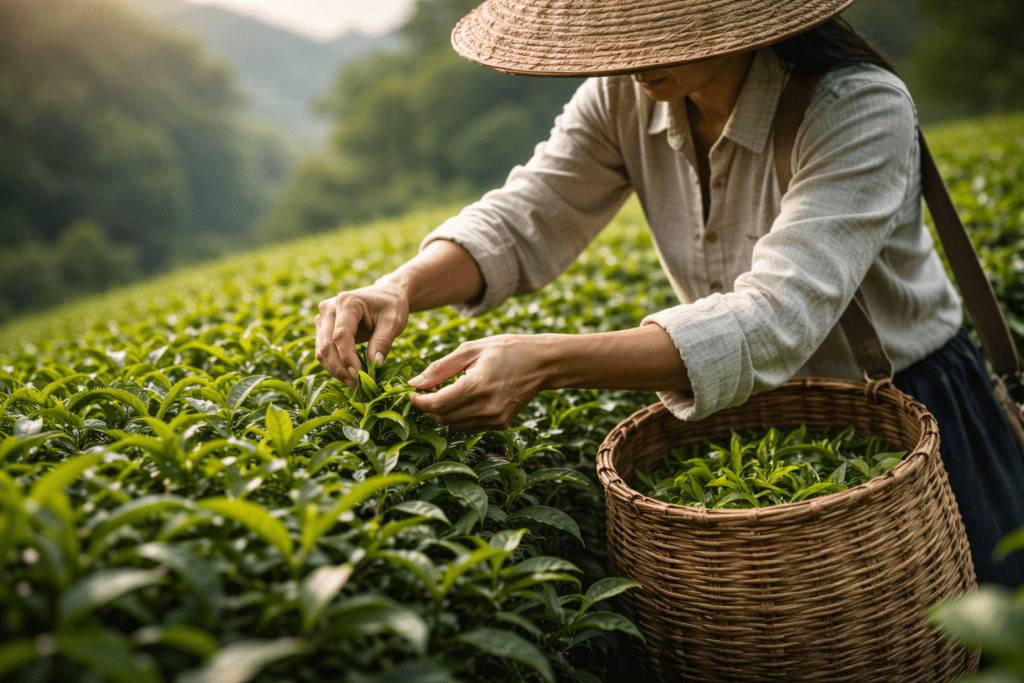
Harvesting
Pu-erh tea leaves are typically harvested from large-leaf tea varieties native to Yunnan.
These leaves are often larger and thicker than those used for many other types of tea. The size and composition of the leaves make them suitable for fermentation and aging.
Harvesting usually occurs during the spring season, when the leaves contain a rich concentration of flavor compounds.
Fixation
After harvesting, the tea leaves are heated to stop natural enzymatic oxidation. This process, known as fixation, preserves the green character of the leaves while preparing them for further processing.
Unlike green tea, however, pu-erh tea will later undergo microbial fermentation.
Rolling
The leaves are then rolled to break the cell walls and release natural juices. This step helps develop the flavor and prepares the leaves for drying.
Sun Drying
The rolled leaves are traditionally dried in the sun.
The resulting loose tea is known as mao cha, which serves as the base material for producing pu-erh tea.
From this point, the tea may be processed into either raw or ripe pu-erh.
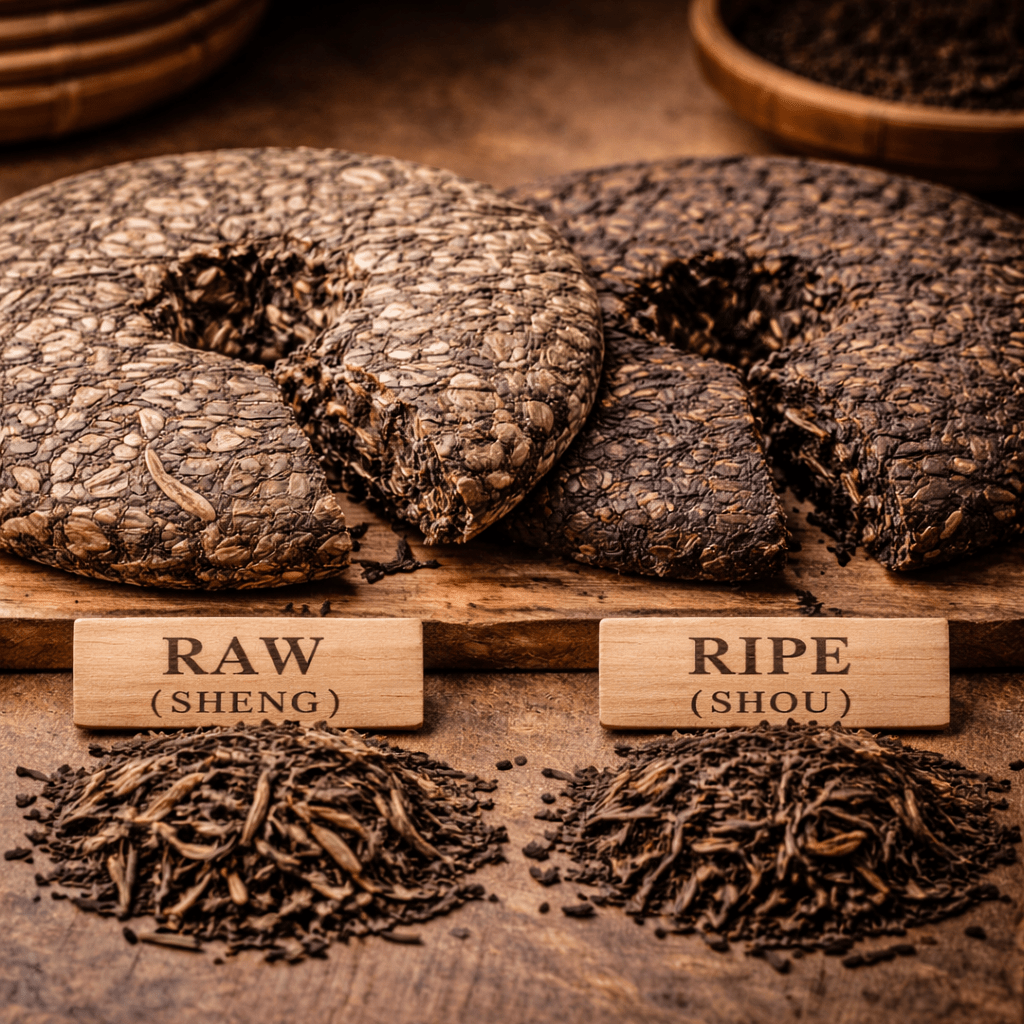
Raw vs Ripe Pu-erh Tea
One of the most important things to understand about pu-erh tea is the difference between raw pu-erh (sheng) and ripe pu-erh (shou).
Although both come from the same base material, their processing methods create very different flavor profiles.
Raw Pu-erh (Sheng Pu-erh)
Raw pu-erh is the traditional style of pu-erh tea.
After the leaves are dried, they are often compressed into cakes or bricks and then stored for natural aging.
Over time, the tea slowly ferments through microbial activity.
Young raw pu-erh tends to have a brighter and more astringent taste. As the tea ages, it gradually becomes smoother and more mellow.
Aged raw pu-erh can develop flavors such as:
- dried fruit
- honey
- wood
- herbal notes
Many collectors value aged raw pu-erh for its depth and complexity.
Ripe Pu-erh (Shou Pu-erh)
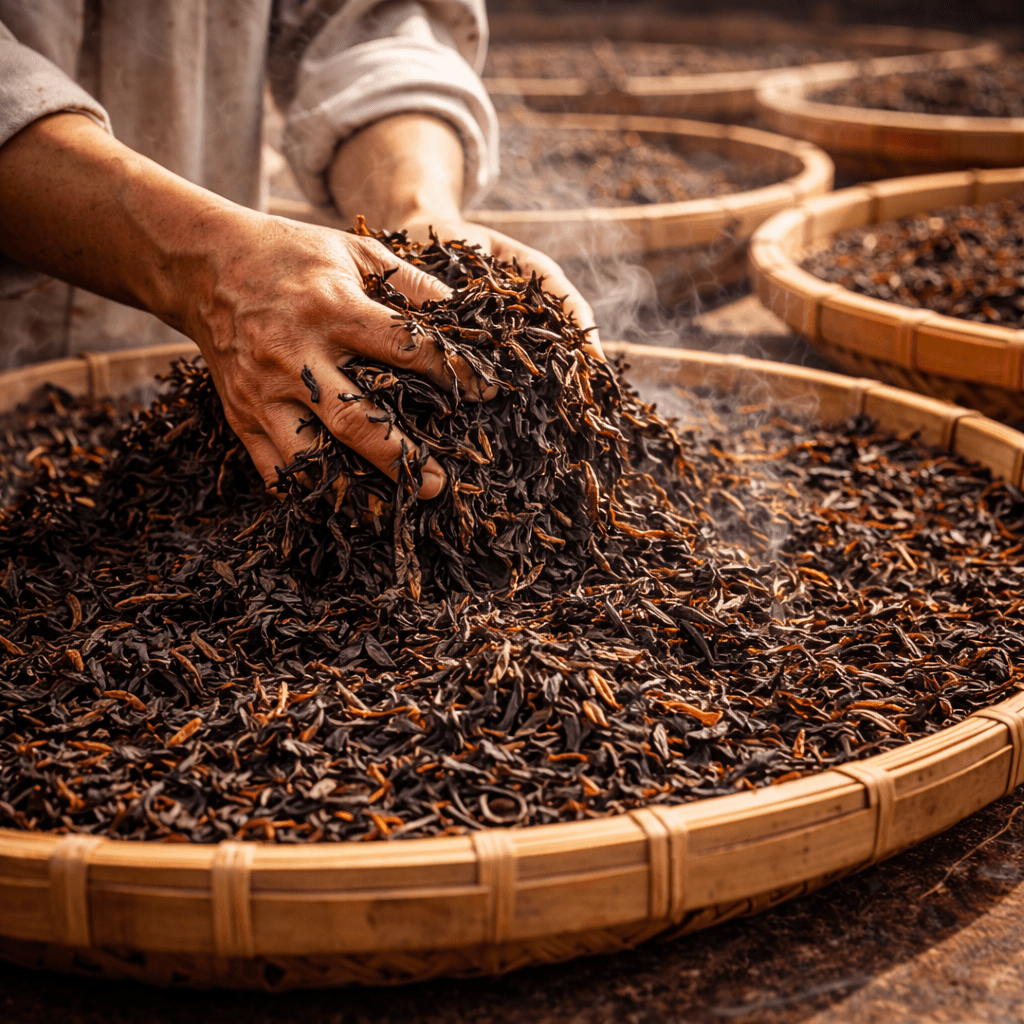
Ripe pu-erh was developed in the 1970s as a way to accelerate the aging process.
In this method, the tea leaves are piled in large heaps and kept warm and moist. This controlled fermentation process speeds up microbial activity and produces a tea with a dark color and smooth taste.
Ripe pu-erh typically has flavors such as:
- earthy notes
- dark chocolate
- wood
- dried dates
Because of its mellow character, ripe pu-erh is often easier for beginners to enjoy.
What Does Pu-erh Tea Taste Like
Pu-erh tea is known for its distinctive flavor.
Compared with lighter teas such as green or white tea, pu-erh tends to have a deeper and more rounded taste.
However, the flavor can vary greatly depending on whether the tea is raw or ripe and how long it has aged.
Earthy Character
Many pu-erh teas have an earthy flavor that comes from microbial fermentation.
This earthy quality is often described as smooth and grounding rather than bitter.
Smooth and Mellow
Aged pu-erh tea often becomes very smooth. The bitterness and sharpness found in young teas gradually soften over time.
Complex Aroma
Depending on the tea and its age, pu-erh may develop notes such as:
- forest floor
- dried fruit
- dark honey
- wood
These evolving flavors are one of the reasons pu-erh tea is highly valued by tea enthusiasts.
Pu-erh Tea Benefits
Pu-erh tea has long been associated with health and wellness in traditional Chinese culture.
Although tea should not be considered a medical treatment, pu-erh tea contains natural compounds that may support general well-being.
Digestive Support
Pu-erh tea is traditionally consumed after meals in China.
Many people believe it helps support digestion, especially after rich foods.
Antioxidants
Like other teas, pu-erh contains polyphenols and antioxidants that help protect the body from oxidative stress.
Balanced Energy
Pu-erh tea contains caffeine, but its energy effect is often described as smooth and steady rather than intense.
Many people enjoy drinking pu-erh tea throughout the day.
How to Brew Pu-erh Tea
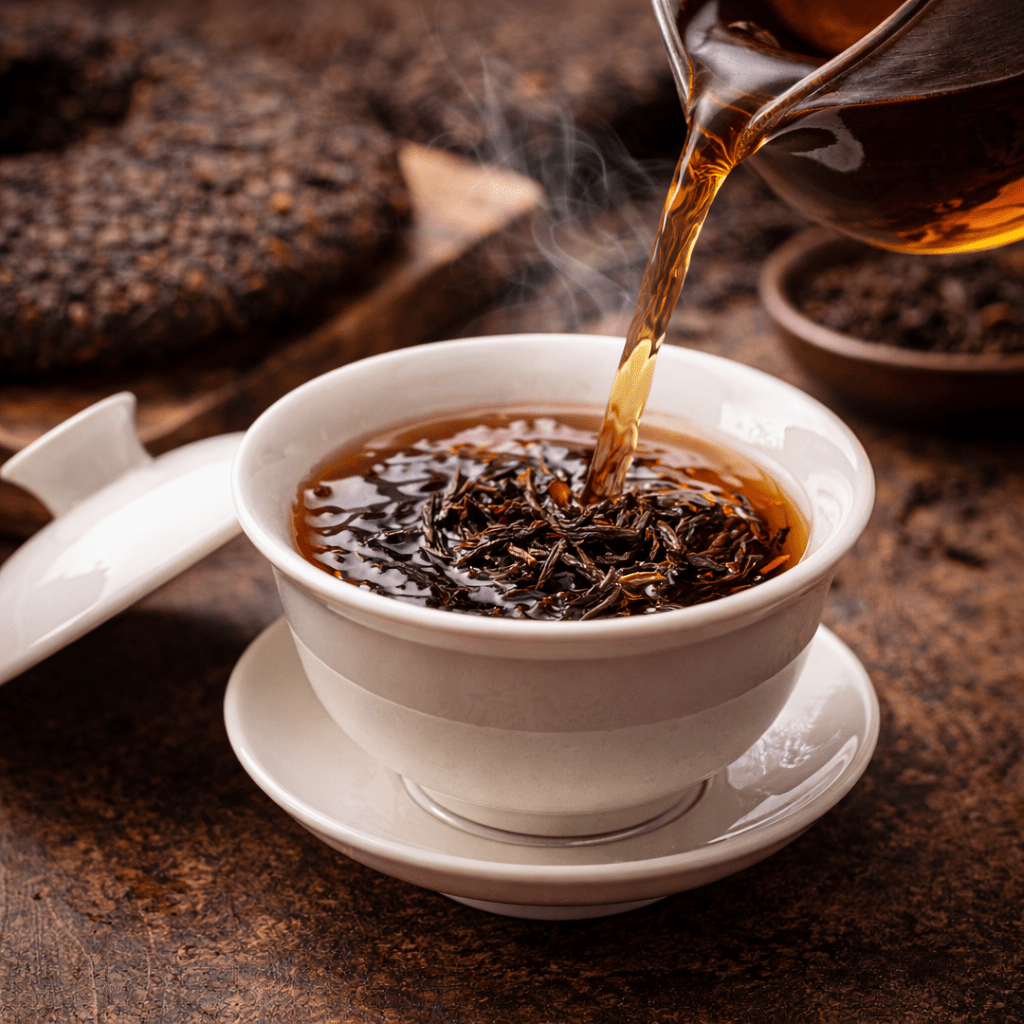
Brewing pu-erh tea properly allows its rich flavor to develop fully.
Many tea drinkers prefer the gongfu brewing method, which uses small teapots or gaiwans.
Water Temperature
Pu-erh tea can tolerate high temperatures.
Recommended temperature:
95°C – 100°C
Tea Quantity
A common ratio is:
5 grams of tea
per 100–150 ml of water
Rinse the Tea
Many people briefly rinse pu-erh tea leaves with hot water before brewing.
This step helps open the leaves and remove any dust from compressed tea cakes.
Brewing Time
The first infusion usually takes around 10–20 seconds when using gongfu brewing.
Later infusions may gradually increase in time.
Multiple Infusions
High-quality pu-erh tea can often be brewed 8–10 times or more, with each infusion revealing new flavors.
Why Pu-erh Tea Is So Special
Pu-erh tea stands apart from other teas because of its relationship with time.
Most teas are enjoyed when they are fresh. Pu-erh tea, however, often improves with age.
As the tea matures, its flavor becomes smoother and more complex.
For many tea drinkers, exploring pu-erh tea is a journey of discovery. Each tea cake can develop differently depending on how it is stored and aged.
This evolving character makes pu-erh tea one of the most intriguing and respected teas in Chinese tea culture.
Final Thoughts
Pu-erh tea represents a unique tradition within the world of tea.
Its fermentation process, aging potential, and complex flavors make it unlike any other type of tea.
From the ancient tea forests of Yunnan to modern tea tables around the world, pu-erh tea continues to attract tea drinkers who appreciate depth, history, and craftsmanship.
Whether you prefer the lively character of raw pu-erh or the smooth richness of ripe pu-erh, this remarkable tea offers an experience that deepens with every cup.
Continue the Journey
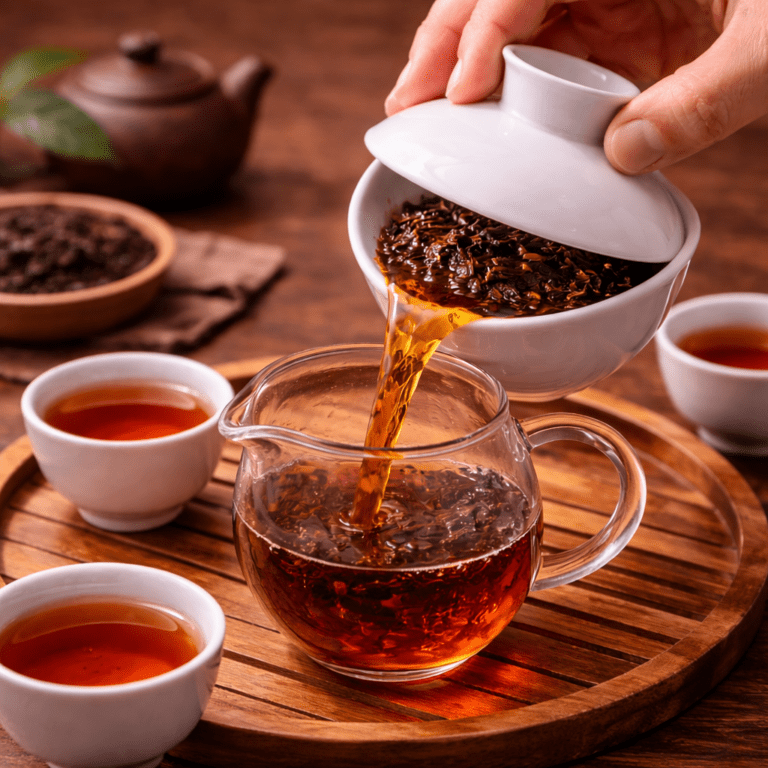
How to Brew Pu-erh Tea Properly: Temperature, Rinsing, and Traditional Brewing Methods
Pu-erh tea is one of the most unique teas in the world....
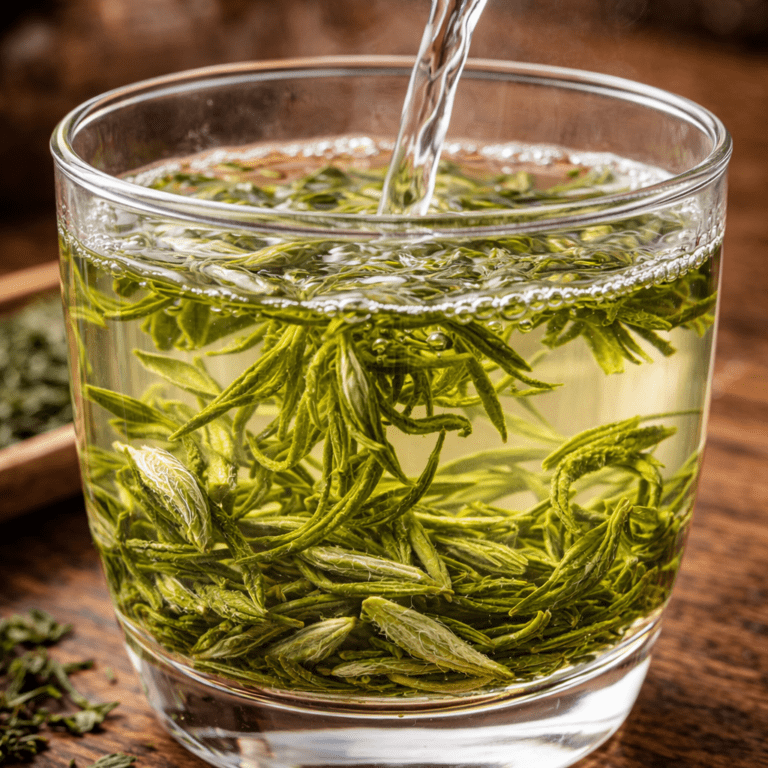
Huangshan Maofeng Tea Guide: Flavor, History, and Brewing
Introduction Among the many famous Chinese green teas, Huangshan Maofeng tea stands...
Biluochun Tea Guide: Flavor, History, and Brewing
Introduction Chinese green tea is famous around the world for its delicate...