How to Brew White Tea Properly: Temperature, Time, and Gentle Brewing Techniques
Introduction
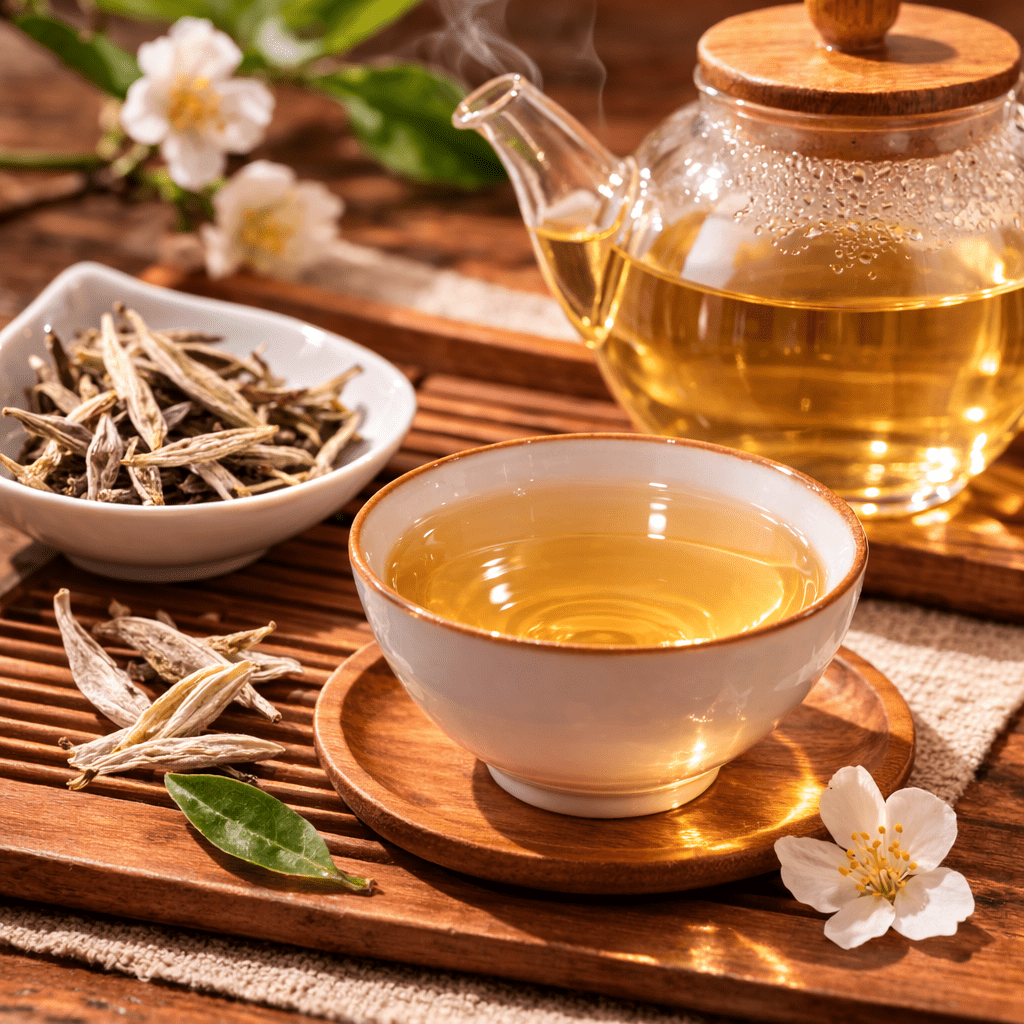
White tea is often described as the most delicate and natural form of tea. Unlike many other teas, white tea undergoes minimal processing. The leaves are simply harvested, gently withered, and dried. This simple production method preserves the natural flavors and subtle aromas of the tea leaves.
Because white tea is so lightly processed, brewing it properly requires a gentle approach. Water that is too hot or steeping that is too long can overwhelm its soft flavor profile.
When brewed correctly, white tea reveals a remarkable complexity. Notes of honey, flowers, melon, and fresh hay may appear in the cup, creating a calm and elegant drinking experience.
In this guide, you will learn how to brew white tea properly, including ideal water temperature, steeping time, leaf quantity, and traditional Chinese brewing methods.
Understanding these fundamentals will allow you to fully appreciate the refined character of white tea.
What Is White Tea?
White tea is one of the six traditional categories of Chinese tea. It is known for its minimal processing and natural flavor.
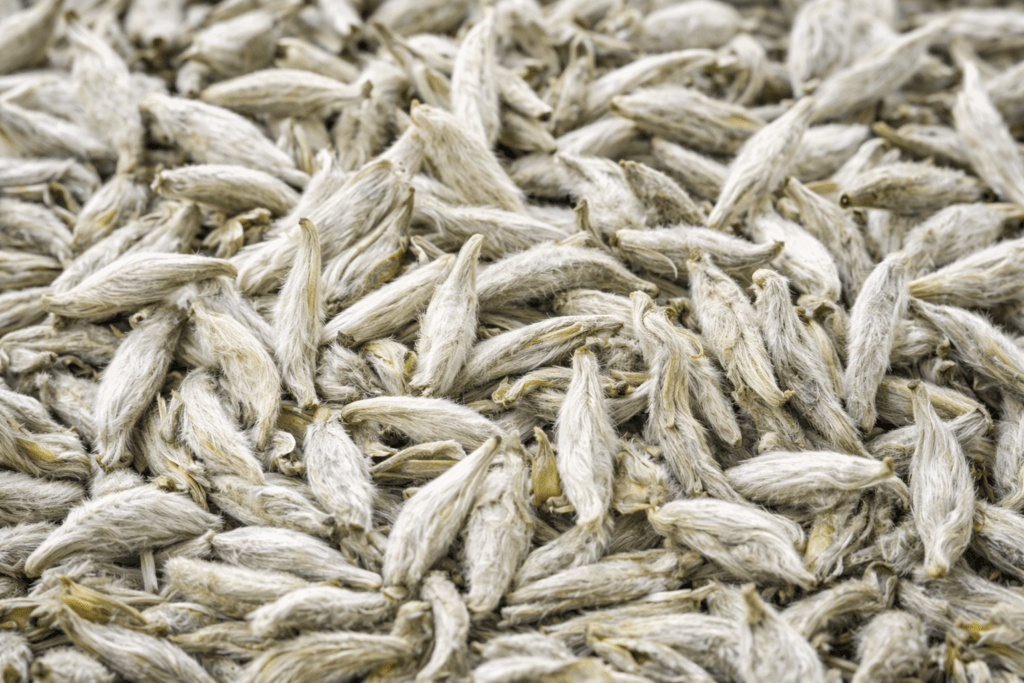
The leaves are typically harvested in early spring when the buds are covered with fine white hairs. These hairs give the tea its name.
After harvesting, the leaves undergo two primary steps:
- Withering – the leaves lose moisture naturally
- Drying – the leaves are slowly dried to stabilize them
Unlike green tea or oolong tea, white tea is not heavily heated or rolled.
This gentle processing preserves many of the leaf’s natural compounds and delicate aromas.
Types of White Tea
Several famous varieties of white tea exist.
Each has slightly different brewing requirements.
Silver Needle (Bai Hao Yin Zhen)
This is the highest grade white tea.
Characteristics:
- made only from tea buds
- delicate sweetness
- smooth mouthfeel
- pale golden liquor
Silver Needle is extremely delicate and should be brewed carefully.
Bai Mudan (White Peony)
Bai Mudan includes both buds and young leaves.
Flavor characteristics:
- floral aroma
- slightly fuller body
- gentle sweetness
This tea is more forgiving when brewing.
Shou Mei
Shou Mei is made from more mature leaves.
Flavor characteristics:
- deeper color
- stronger flavor
- slightly fruity or woody notes
This tea can tolerate hotter water and longer steeping times.
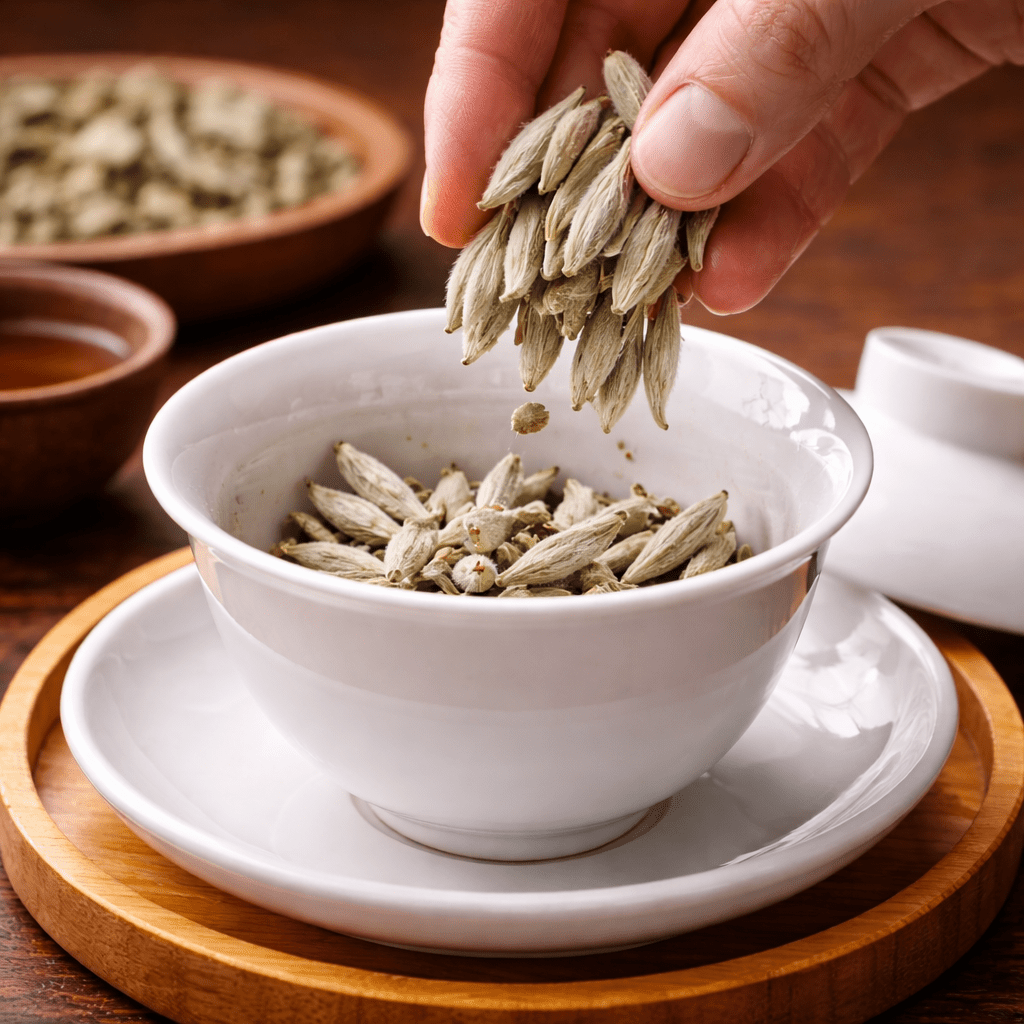
Ideal Water Temperature for White Tea
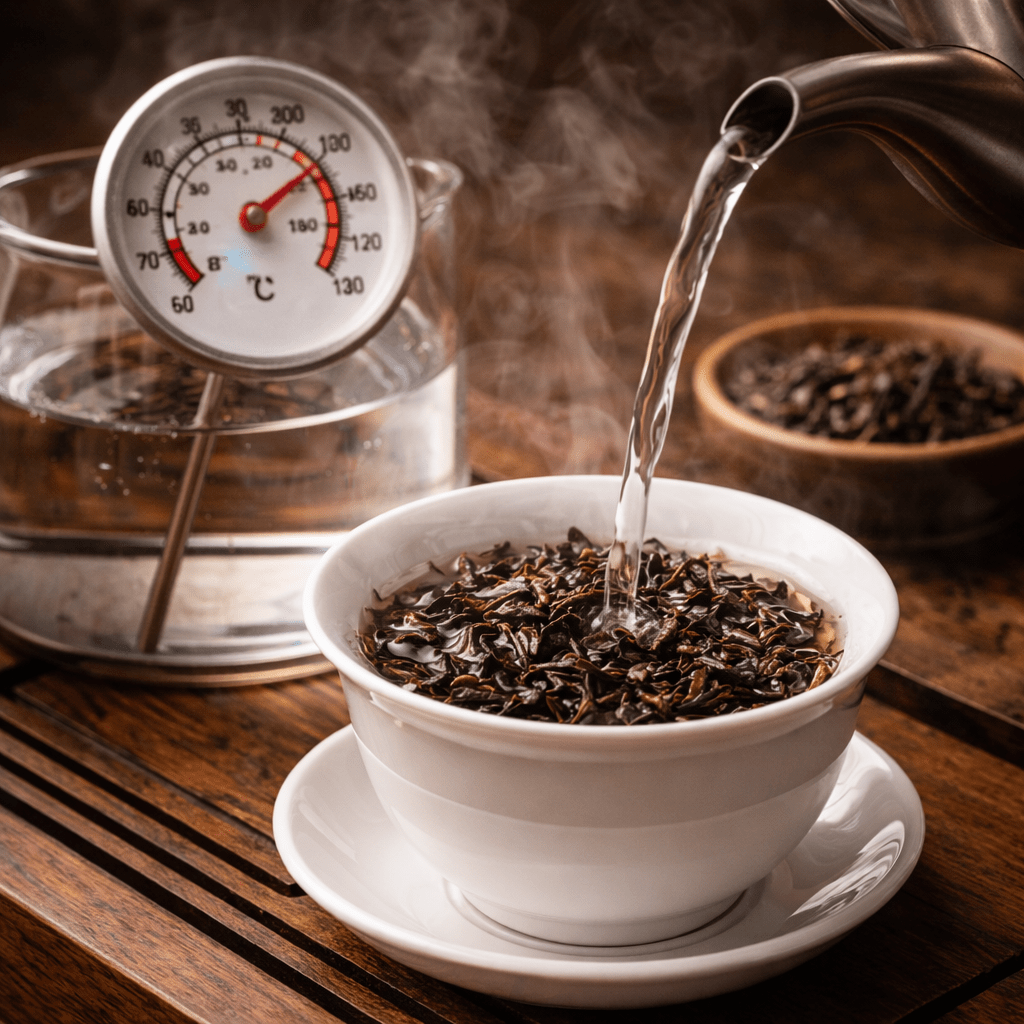
White tea requires lower water temperature than many other teas.
Recommended brewing temperatures:
| White Tea Type | Temperature |
|---|---|
| Silver Needle | 75–80°C |
| Bai Mudan | 80–85°C |
| Shou Mei | 85–90°C |
Using boiling water may destroy delicate aromas and produce bitterness.
The goal when brewing white tea is to gently extract flavor while preserving its natural softness.
Tea to Water Ratio
Correct leaf quantity is essential for balanced brewing.
Western Brewing
Typical ratio:
2–3 grams tea
per 200 ml water
This method produces a light, smooth cup suitable for everyday drinking.
Gongfu Brewing
Traditional Chinese brewing uses a higher leaf quantity.
Typical ratio:
5–6 grams tea
per 100 ml water
Because white tea leaves are large and fluffy, they require enough space to expand fully.
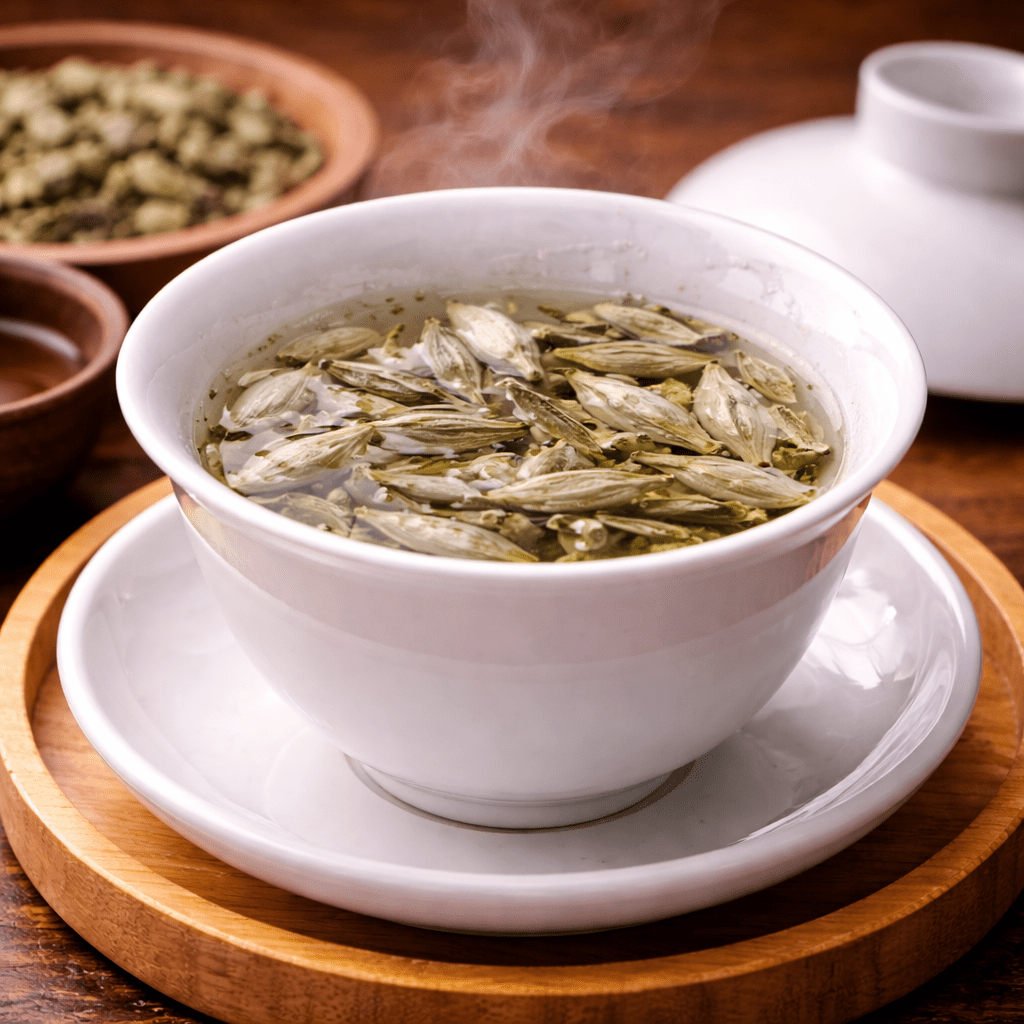
Western Brewing Method
Western brewing is simple and convenient.
Step 1: Heat the water
Heat water to 80–85°C.
Avoid boiling water for delicate white teas.
Step 2: Add tea leaves
Place 2–3 grams of white tea in a teapot or infuser.
Step 3: First infusion
Steep for:
2–3 minutesWhite tea releases flavor slowly, so slightly longer steeping is acceptable.
Step 4: Additional infusions
White tea can usually be brewed 3–4 times.
Increase steeping time gradually.
1st infusion: 2 minutes
2nd infusion: 3 minutes
3rd infusion: 4 minutes
Each infusion reveals slightly different flavor notes.
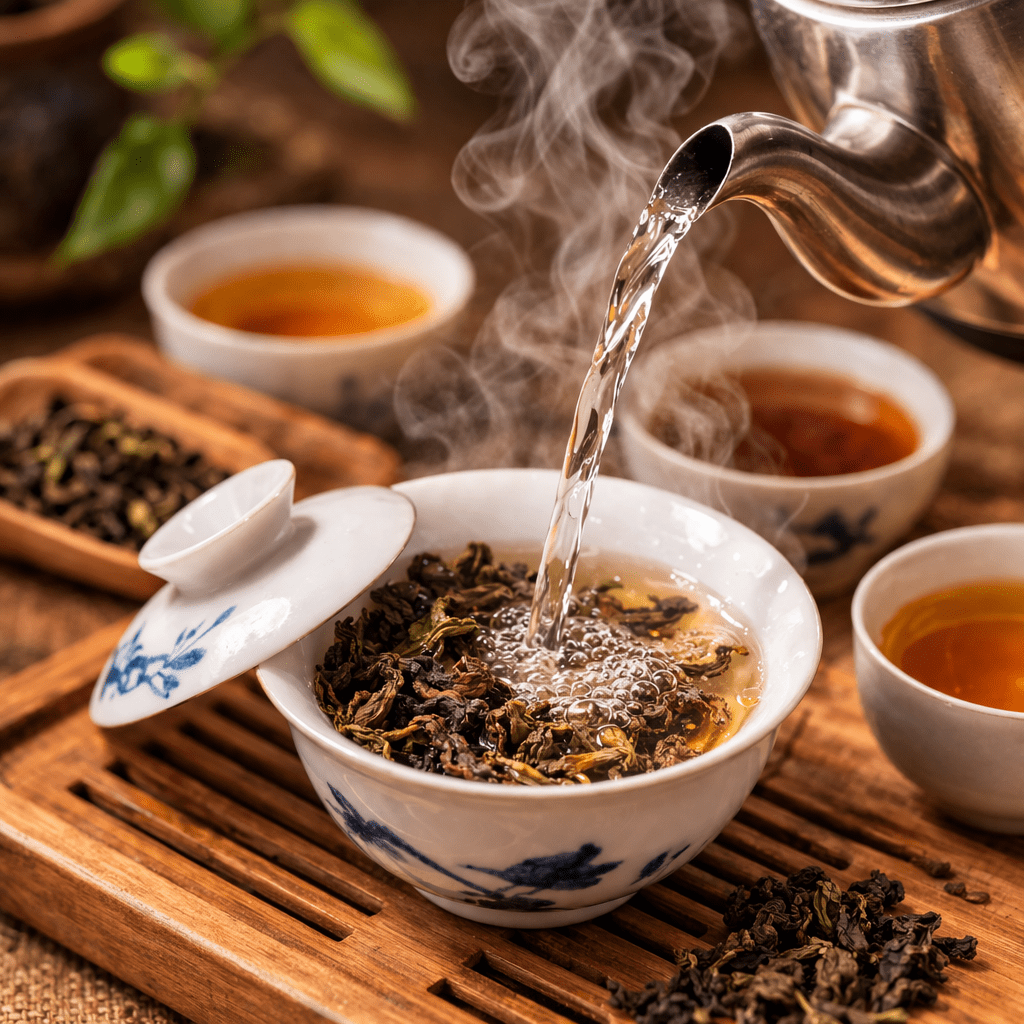
Gongfu Brewing Method
Gongfu brewing emphasizes multiple short infusions.
This method highlights the evolving character of white tea.
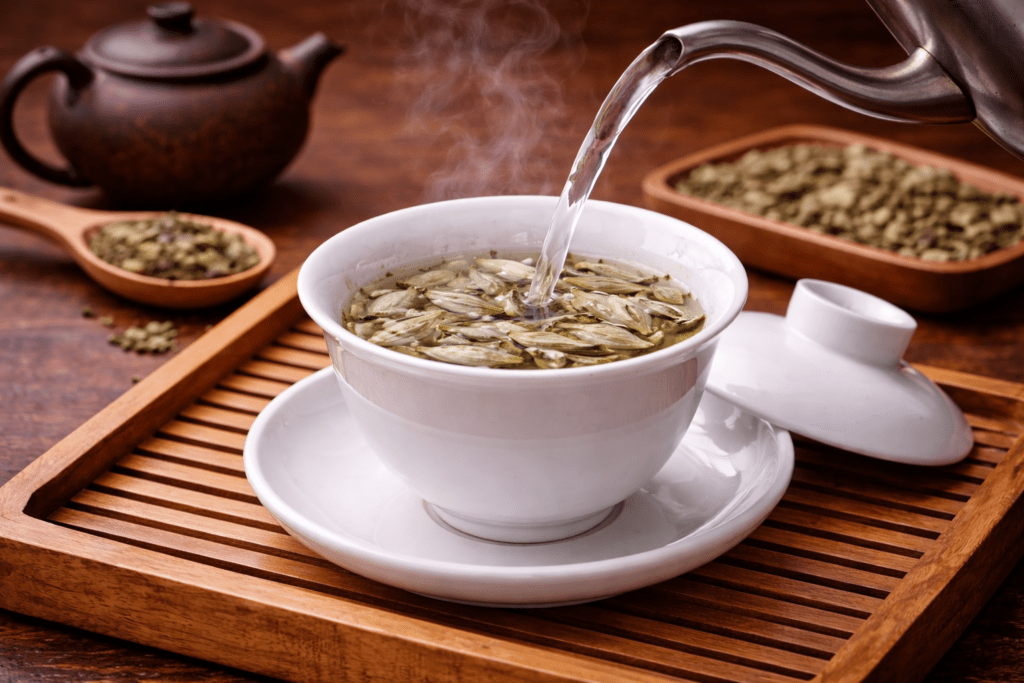
Step-by-step Gongfu brewing
- Warm the teaware with hot water
- Add 5–6 grams of tea to a gaiwan
- Pour water at 85°C
- First infusion: 15–20 seconds
Typical infusion progression:
1st infusion: 20 seconds
2nd infusion: 25 seconds
3rd infusion: 30 seconds
4th infusion: 40 seconds
High-quality white tea may produce 6–8 infusions.
Watching White Tea Leaves Expand
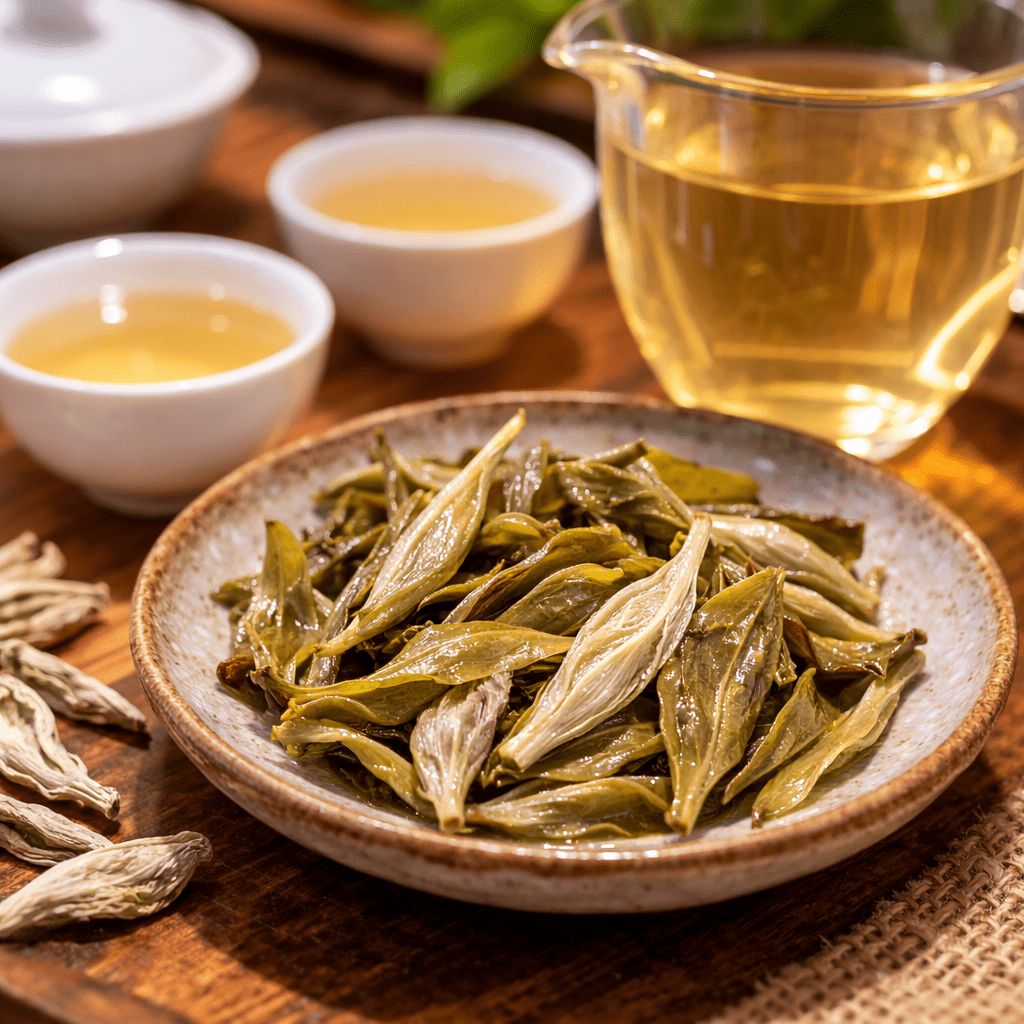
One of the pleasures of brewing white tea is observing how the leaves unfold in water.
Because white tea leaves are only lightly processed, they often remain large and intact.
During infusion:
- buds float gracefully
- leaves slowly open
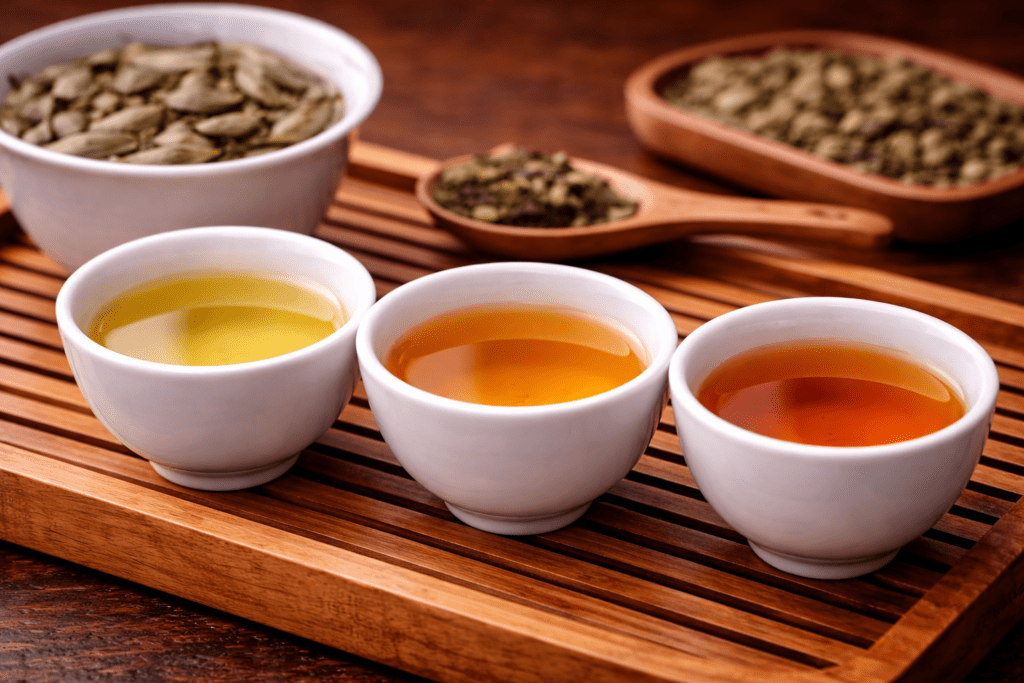
- liquor gradually deepens in color
This visual transformation reflects the gentle extraction of flavor compounds.
Flavor Profile of White Tea
White tea is known for its subtle and refined flavors.
Common tasting notes include:
- honey
- fresh flowers
- melon
- hay
- mild sweetness
Unlike stronger teas, white tea rarely produces bitterness if brewed correctly.
Its character is smooth, light, and calming.
Common Brewing Mistakes
Several common mistakes can affect white tea brewing.
Water too hot
High temperatures may produce bitterness and destroy delicate aromas.
Too little tea
White tea leaves are large and fluffy. Using too little tea results in weak flavor.
Over-steeping
Very long steeping times may make the tea dull or flat.
How Many Times Can White Tea Be Brewed
White tea is often more durable than people expect.
Typical infusion counts:
Western method:
3–4 infusionsGongfu method:
6–8 infusionsSome aged white teas may last even longer.
Why White Tea Is Perfect for Slow Brewing
White tea encourages a slower and more mindful brewing process.
Because the flavors are subtle, each infusion invites careful attention.
This makes white tea particularly suitable for:
- quiet mornings
- meditation sessions
- relaxed tea ceremonies
The gentle character of white tea embodies the philosophy of calm appreciation in tea culture.
Final Thoughts
Brewing white tea properly requires patience and a gentle touch. By using the correct water temperature, proper leaf quantity, and appropriate steeping time, you can unlock the natural elegance of this remarkable tea.
Whether you prefer simple Western brewing or the traditional Gongfu method, white tea offers a refined and peaceful tea experience.
Once you learn to brew it correctly, white tea becomes one of the most rewarding teas to explore.
Continue the Journey
Tea to Water Ratio Guide: How Much Tea to Use for Perfect Brewing
When brewing tea, many people focus on temperature or steeping time. However,...
Tea Steeping Time Guide: How Long to Steep Different Types of Tea
Brewing tea may seem simple, but one factor has an enormous impact...
No Image
Gongfu Tea Brewing Method Explained: The Traditional Chinese Way to Brew Tea
Tea is deeply woven into Chinese culture. For thousands of years, tea...