Tea to Water Ratio Guide: How Much Tea to Use for Perfect Brewing
When brewing tea, many people focus on temperature or steeping time. However, another factor is equally important for creating the perfect cup of tea: the tea-to-water ratio.
Using too little tea can result in a weak, watery brew that lacks aroma and depth. Using too much tea may produce an overly strong or bitter cup.
The correct ratio allows tea leaves to release their balanced flavor, fragrance, and body.
Different teas require different proportions of tea leaves and water. The ideal ratio depends on several factors, including:
- the type of tea
- leaf size
- brewing style
- personal taste preference
In this guide, you will learn:
- the ideal tea-to-water ratio for every major tea type
- how to measure loose leaf tea correctly
- the difference between Western and Gongfu brewing ratios
- how to adjust ratios to improve flavor
Once you understand tea ratios, you will be able to brew consistently excellent tea every time.
Why Tea-to-Water Ratio Matters
Tea leaves contain concentrated compounds responsible for flavor and aroma. When tea is brewed, water extracts these compounds gradually.
The amount of tea used determines how strong the extraction will be.
If the ratio is incorrect, the flavor balance may be affected.
Too little tea can lead to:
- weak aroma
- thin body
- lack of complexity
Too much tea can cause:
- bitterness
- overpowering flavor
- excessive caffeine extraction
The correct tea-to-water ratio allows the tea leaves to express their true character.
Standard Tea-to-Water Ratio
A common rule used by tea professionals is:
2–3 grams of tea
per 200 ml of water
This ratio works well for most loose leaf teas brewed in a standard teapot or cup.
Another simple guideline is:
1 teaspoon of loose tea
per cup of water
However, different tea types require slight adjustments.
Tea-to-Water Ratio Chart
Below is a general guide for the most common types of tea.
| Tea Type | Tea Amount | Water |
|---|---|---|
| Green Tea | 2 g | 200 ml |
| White Tea | 2–3 g | 200 ml |
| Oolong Tea | 3 g | 200 ml |
| Black Tea | 2–3 g | 200 ml |
| Pu-erh Tea | 3 g | 200 ml |
| Herbal Tea | 3–4 g | 200 ml |
This chart provides a reliable starting point, but personal taste may require adjustments.
Tea-to-Water Ratio for Green Tea
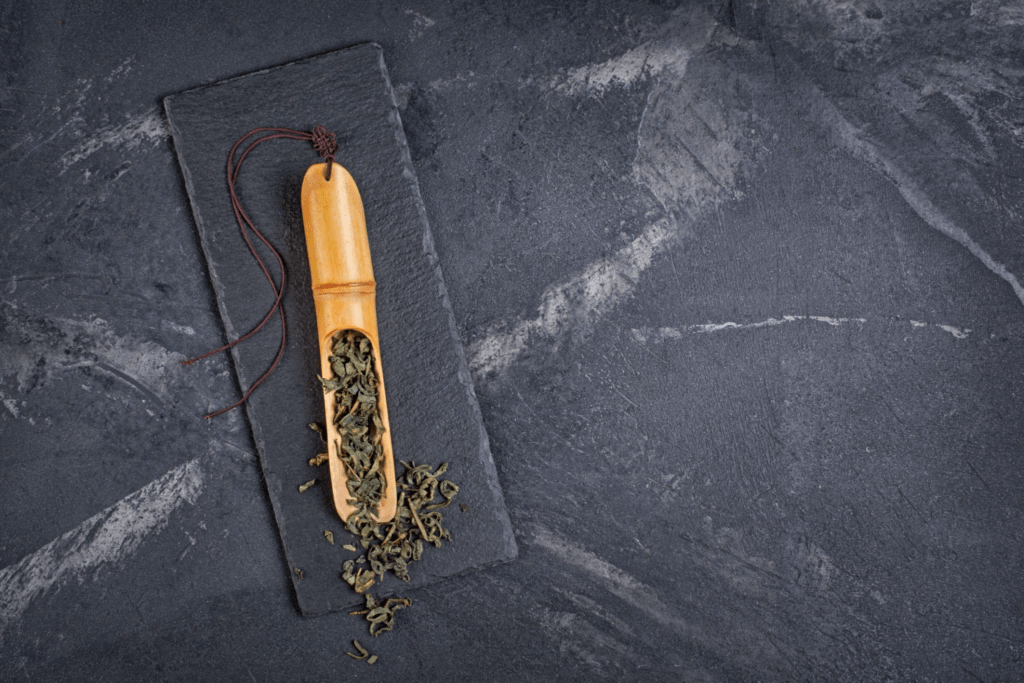
Green tea is delicate and benefits from a moderate tea-to-water ratio.
Recommended ratio:
2 grams tea
per 200 ml water
Because green tea leaves release flavor quickly, using too many leaves may cause bitterness.
High-quality Chinese green teas such as Longjing or Biluochun often taste best when brewed with slightly fewer leaves.
Tea-to-Water Ratio for White Tea
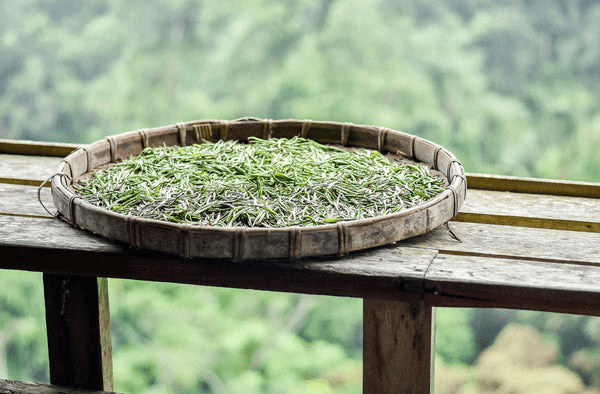
White tea consists of light buds and leaves, which occupy more volume but weigh less.
Recommended ratio:
2–3 grams tea
per 200 ml water
White tea produces a soft and subtle flavor, so slightly more leaves can help enhance aroma.
Tea-to-Water Ratio for Oolong Tea
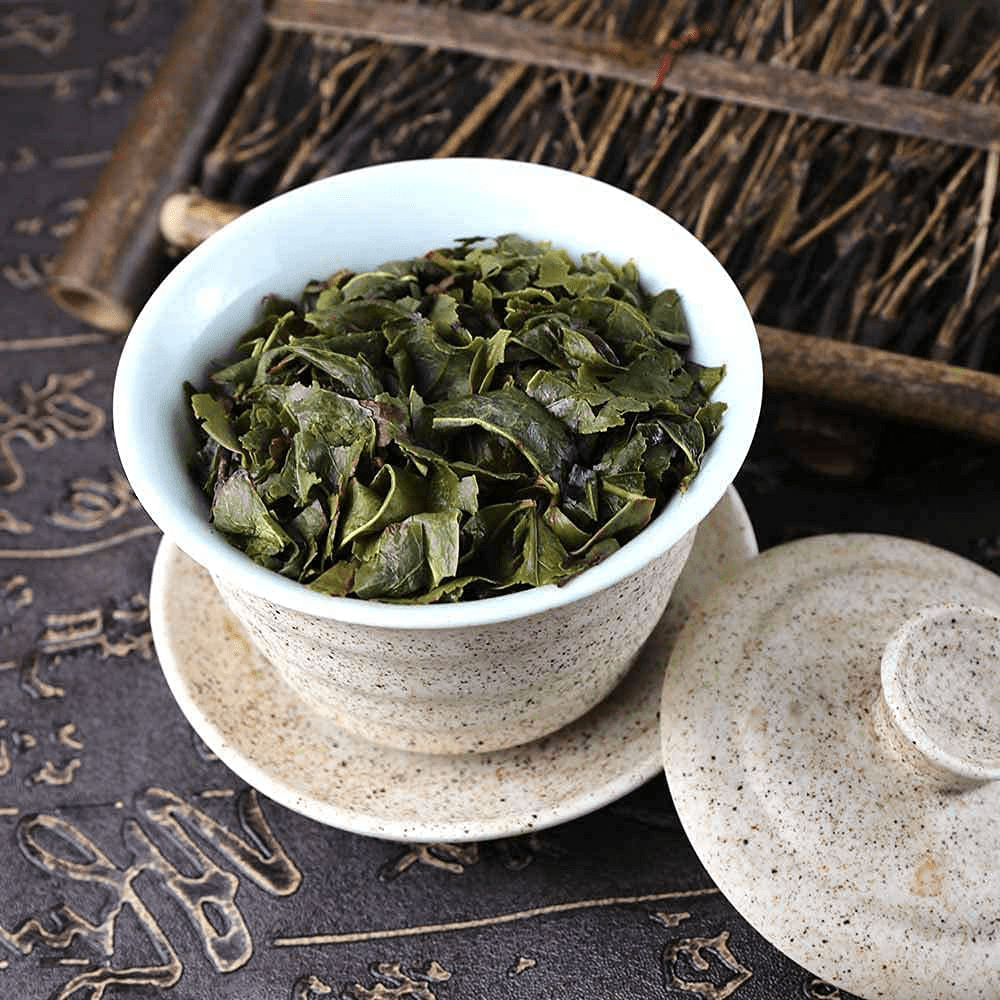
Oolong tea leaves are often tightly rolled.
Recommended ratio:
3 grams tea
per 200 ml water
This ratio allows the leaves enough space to expand while producing a rich and balanced infusion.
Oolong tea also performs very well with multiple infusions.
Tea-to-Water Ratio for Black Tea
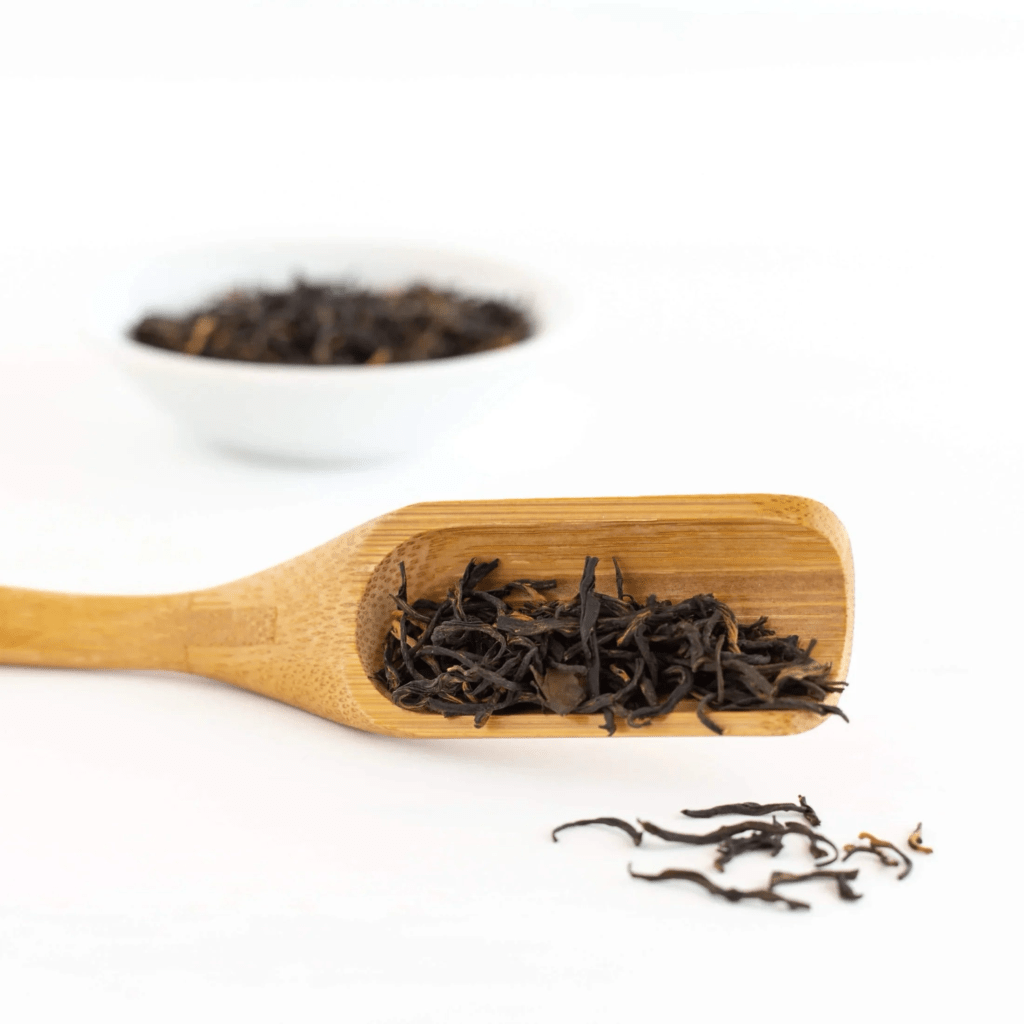
Black tea has a strong flavor and full body.
Recommended ratio:
2–3 grams tea
per 200 ml water
If brewing black tea for milk tea, slightly stronger ratios may be used.
Tea-to-Water Ratio for Pu-erh Tea
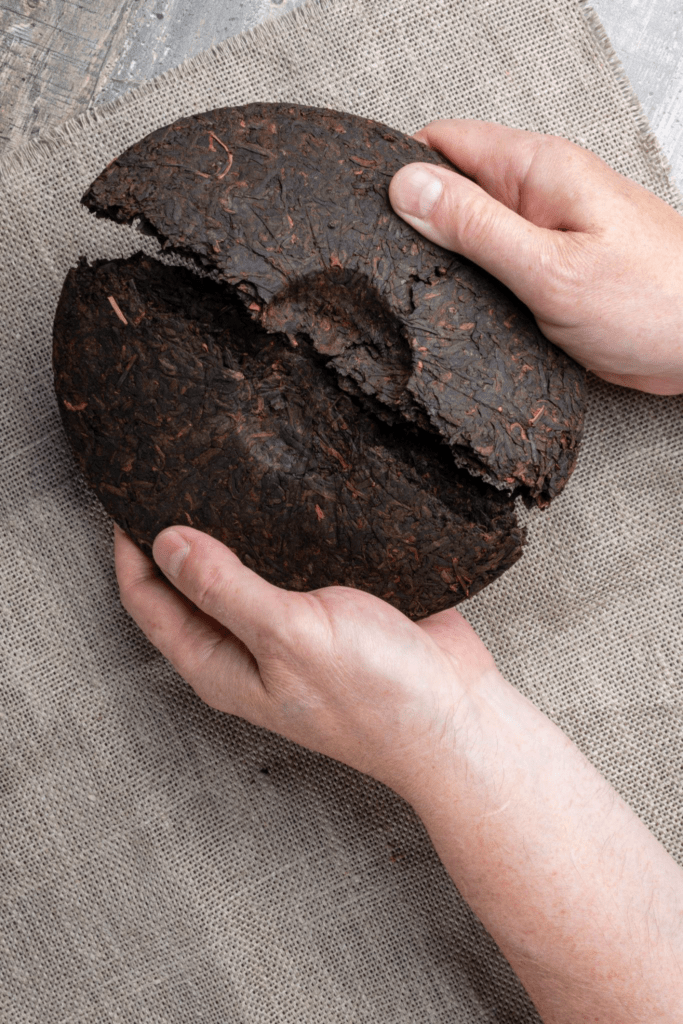
Pu-erh tea leaves are dense and often compressed.
Recommended ratio:
3 grams tea
per 200 ml water
However, Gongfu brewing uses a very different ratio.
Gongfu Tea Brewing Ratio
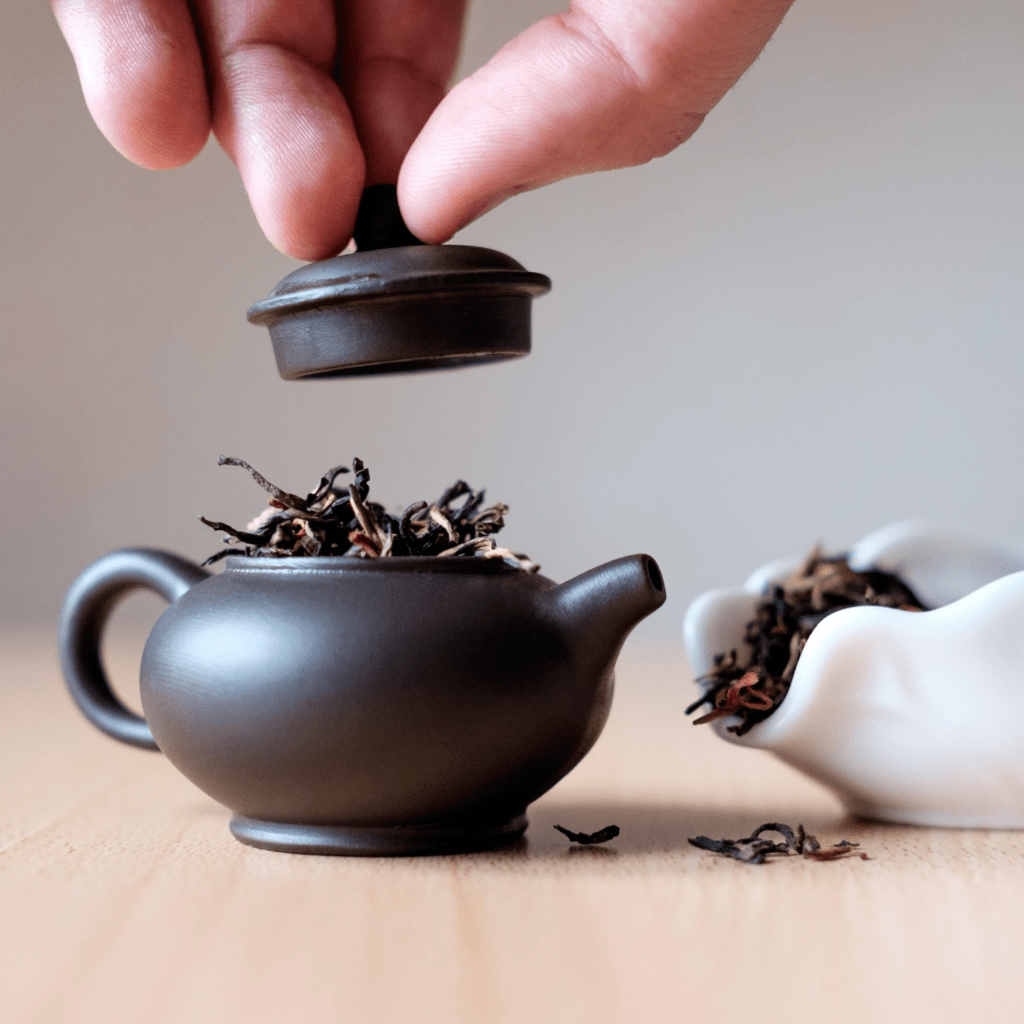
In Gongfu tea brewing, the tea-to-water ratio is significantly higher.
Typical Gongfu ratio:
5–8 grams tea
per 100 ml water
This higher concentration allows very short steeping times and multiple infusions.
As the tea is brewed repeatedly, the flavor evolves gradually.
How to Measure Loose Leaf Tea
Measuring tea accurately helps maintain consistent brewing results.
Several methods can be used:
Using a Tea Scale
A digital scale provides the most accurate measurement.
Many tea enthusiasts use scales capable of measuring 0.1 gram precision.
Using a Teaspoon
If a scale is unavailable, a teaspoon can serve as a rough guide.
Approximate conversion:
1 teaspoon loose leaf tea
≈ 2 grams
However, leaf size varies greatly, so this method is less precise.
Measuring by Eye
Experienced tea drinkers often measure tea visually.
With practice, it becomes easier to judge the correct amount of tea leaves.
Adjusting Tea Ratio for Personal Taste
Tea brewing is both a science and an art.
Some people prefer lighter tea, while others enjoy stronger infusions.
Adjust the ratio gradually until the flavor suits your preference.
For example:
Too weak → increase tea slightly
Too strong → reduce tea slightly
Small changes can dramatically affect the final cup.
Common Tea Ratio Mistakes
Several common mistakes affect tea brewing results.
These include:
- using too many leaves
- not adjusting ratio for different tea types
- ignoring brewing style differences
Understanding the correct tea-to-water ratio helps avoid these problems.
Conclusion
The tea-to-water ratio is one of the most important elements of successful tea brewing.
Using the correct proportion allows tea leaves to release their full aroma, flavor, and body.
By following the recommended ratios and adjusting them according to your taste preferences, you can consistently brew tea that is balanced and enjoyable.
With practice, measuring tea becomes second nature, allowing you to fully appreciate the subtle beauty of different teas.
Continue the Journey
Tea Steeping Time Guide: How Long to Steep Different Types of Tea
Brewing tea may seem simple, but one factor has an enormous impact...
No Image
Gongfu Tea Brewing Method Explained: The Traditional Chinese Way to Brew Tea
Tea is deeply woven into Chinese culture. For thousands of years, tea...
Gongfu Tea Brewing Method Explained: The Traditional Chinese Way to Brew Tea
Tea is one of the most ancient and refined beverages in the...