How to Buy Good Tea: A Complete Guide to Choosing High Quality Tea
Introduction
Buying good tea can feel surprisingly difficult.
If you walk into a tea shop or browse an online tea store, you may see hundreds of options: green tea, oolong tea, white tea, pu-erh, black tea, loose leaf tea, tea bags, aged tea, artisan tea, and premium tea.
Prices vary dramatically. One tea may cost only a few dollars, while another can cost hundreds.
For beginners and even experienced tea drinkers, the question often becomes:
How do you actually know if tea is good?
The truth is that high-quality tea is not determined by brand names or marketing claims alone. Real tea quality depends on a combination of factors:
- leaf appearance
- aroma
- origin
- harvest season
- processing quality
- freshness
- brewing performance
Understanding these elements will help you confidently choose tea that is flavorful, authentic, and worth the price.
In this guide, we will explore how to buy good tea by looking at:
- how to recognize high-quality leaves
- where good tea comes from
- how freshness affects flavor
- how packaging and storage matter
- and how beginners can avoid common buying mistakes
By the end, you will have a clear framework for selecting excellent tea anywhere in the world.
Why Tea Quality Matters
High-quality tea offers a dramatically different experience from low-grade tea.
When tea is grown, harvested, and processed carefully, the leaves retain complex chemical compounds that produce:
- layered aromas
- smooth texture
- natural sweetness
- long-lasting aftertaste
In contrast, low-quality tea often tastes:
- flat
- bitter
- overly astringent
- dusty or stale
The difference becomes obvious when brewing loose leaf tea.
High-quality tea leaves slowly unfurl in hot water, releasing their fragrance gradually. Lower-grade tea tends to break apart quickly and produce harsh flavors.
This is why serious tea drinkers often focus on leaf quality first rather than packaging or branding.
Whole Leaves vs Broken Leaves
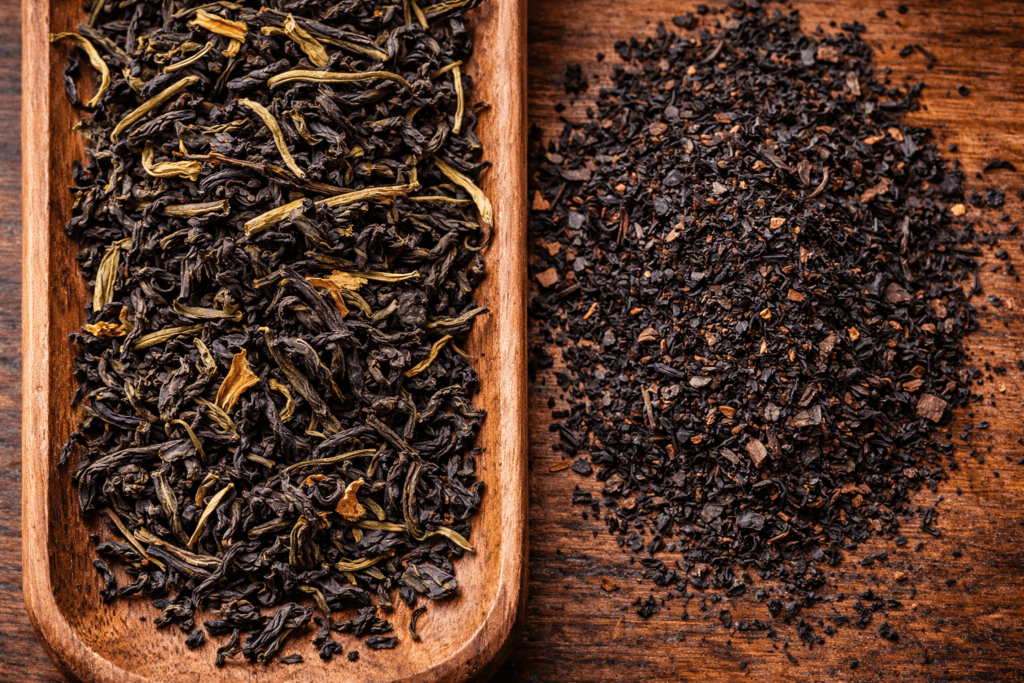
One of the easiest ways to evaluate tea quality is by looking at the leaves themselves.
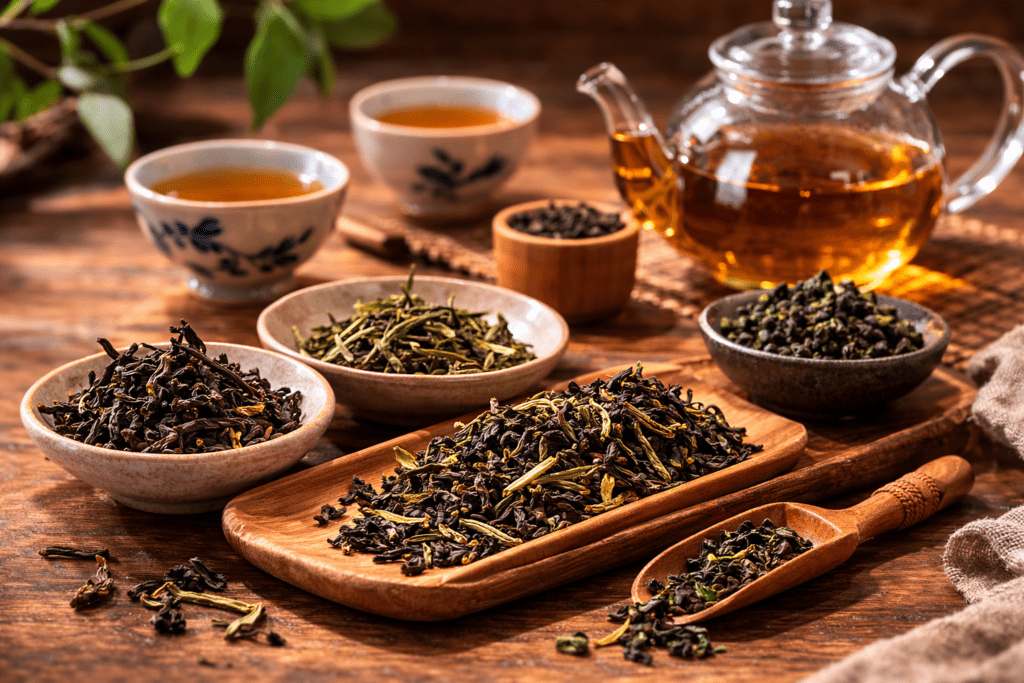
Whole leaves generally indicate higher quality tea.
High-quality loose leaf tea typically shows:
- intact leaves
- consistent size and shape
- minimal dust or fragments
Broken leaves or tea dust are usually associated with mass-produced tea bags.
This does not necessarily mean broken tea cannot taste good, but whole leaves often provide better flavor development during brewing.
Whole leaves also allow multiple infusions, which is an essential part of traditional Chinese tea culture.
The Importance of Tea Origin
Tea is deeply connected to geography.
Just like wine, tea develops unique flavor characteristics depending on where it is grown.
Some famous tea regions include:
China
- Fujian (oolong, white tea)
- Zhejiang (green tea)
- Yunnan (pu-erh)
Japan
- Shizuoka (sencha)
- Uji (matcha)
India
- Darjeeling
- Assam
Sri Lanka
- Ceylon tea regions
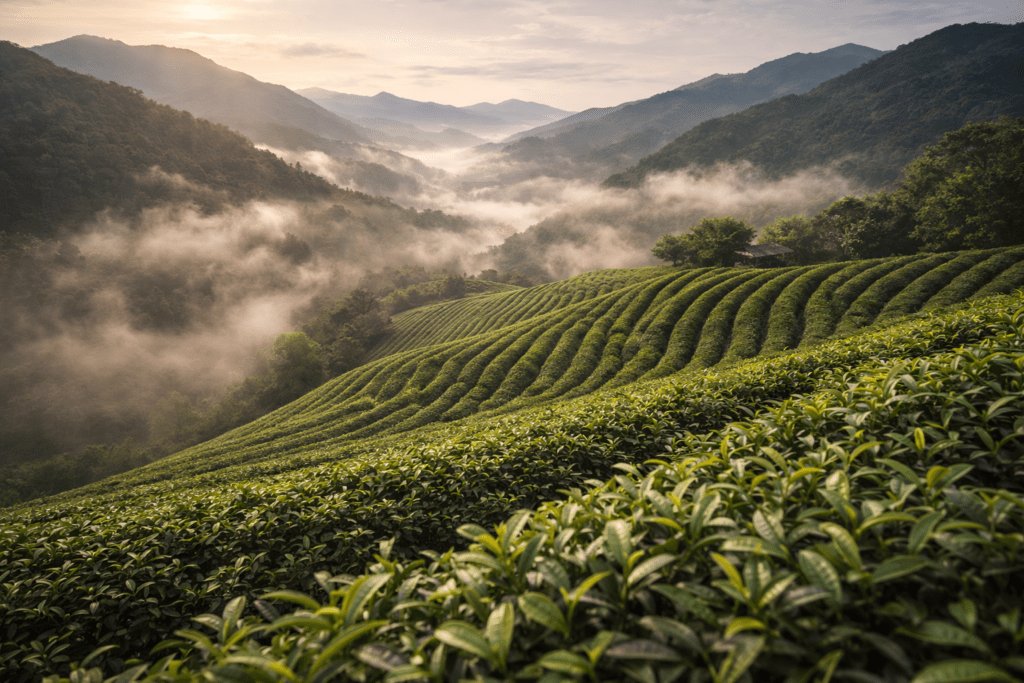
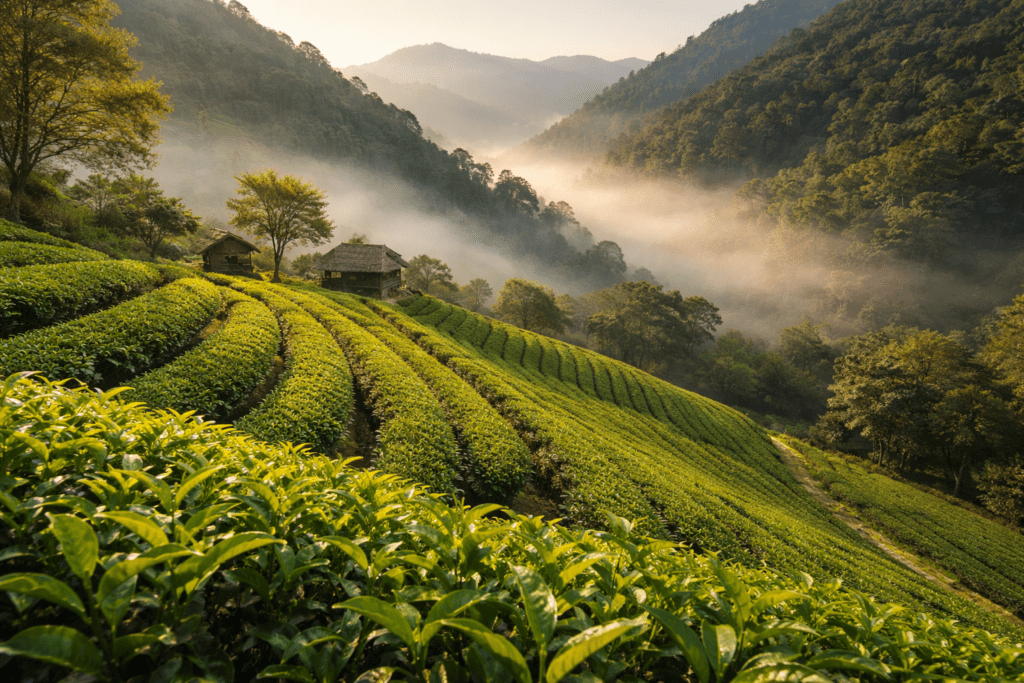
High-quality tea often comes from regions with long tea traditions and ideal growing conditions such as:
- mountain elevation
- mineral-rich soil
- cool climate
- frequent mist
These conditions allow tea plants to grow slowly and develop complex flavors.
When buying tea, checking the region of origin can provide a strong clue about authenticity and quality.
Freshness and Harvest Season
Freshness is especially important for certain types of tea.
Green tea and white tea are typically best when consumed within a year of harvest.
Many high-quality teas include harvest information such as:
Spring harvest
First flush
Early spring picking
Spring teas are often prized because young tea buds contain higher concentrations of aromatic compounds.
However, some teas actually improve with age.
Examples include:
- pu-erh tea
- certain white teas
- aged oolong
Understanding which teas benefit from aging and which require freshness helps buyers make better choices.
Aroma: One of the Best Quality Indicators
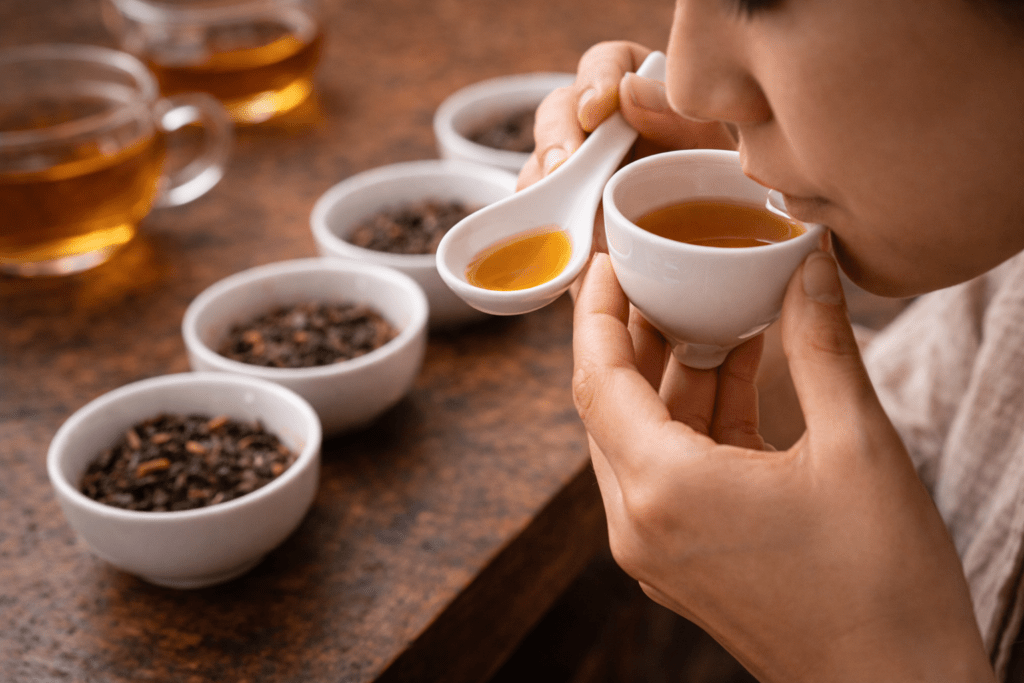
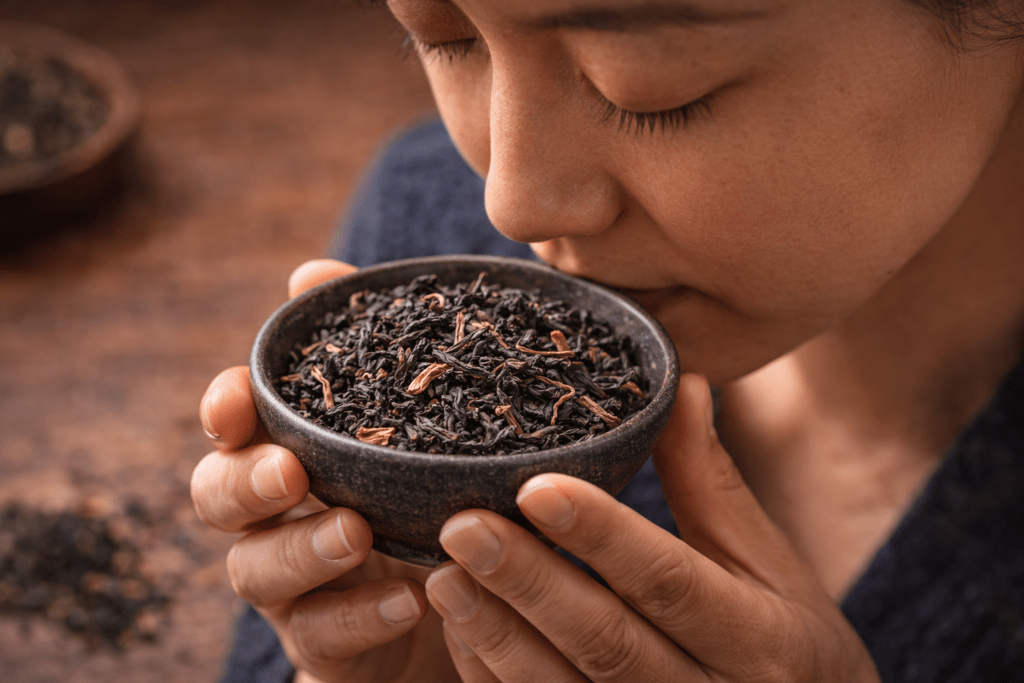
The smell of dry tea leaves reveals a lot about quality.
High-quality tea should have a clean and distinct aroma.
Depending on the type of tea, you might notice notes such as:
- floral
- fruity
- roasted
- nutty
- sweet
- vegetal
Unpleasant smells may indicate poor storage or low-quality processing.
Examples include:
- musty smell
- sour aroma
- chemical scent
- dull or lifeless fragrance
Whenever possible, smell the tea before purchasing it.
A good aroma often predicts a satisfying brewing experience.
The Role of Tea Processing
Tea quality also depends heavily on how the leaves are processed.
Tea processing typically involves several steps:
- withering
- rolling
- oxidation
- drying
- roasting (for some teas)
Each stage must be performed carefully.
If processing is rushed or poorly controlled, the tea may lose aroma and flavor complexity.
Artisan tea producers often focus on small batches and traditional techniques.
These teas may cost more but frequently provide richer and more refined flavors.
Price vs Quality
Price alone does not always guarantee quality.
Some teas are expensive due to rarity or branding rather than actual flavor.
However, extremely cheap tea often indicates lower-grade material.
A reasonable strategy is to look for teas that balance:
- good origin
- clear harvest information
- whole leaf appearance
- fair pricing
In many cases, moderately priced loose leaf tea can offer excellent quality.
Buying Tea Online vs In Stores
Today, many people buy tea online rather than in physical shops.
Both options have advantages.
Tea shops allow you to:
- see the leaves
- smell the tea
- ask questions
Online stores offer:
- wider selection
- access to specialty teas
- convenience
When buying tea online, look for vendors who provide detailed information such as:
- harvest year
- region
- cultivar
- processing method
Transparent tea sellers are often more trustworthy.
Packaging and Storage
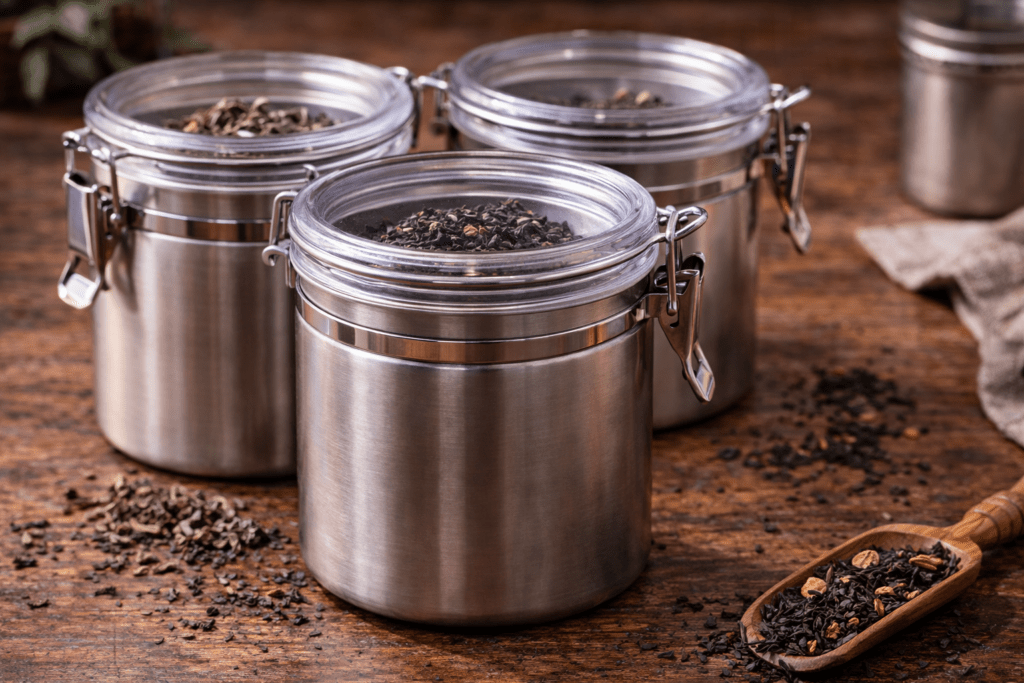
Proper packaging helps maintain tea freshness.
Good tea packaging often includes:
- airtight containers
- resealable bags
- light protection
Tea should also be stored away from:
- moisture
- sunlight
- strong odors
- heat
Poor storage can ruin even high-quality tea.
Common Mistakes When Buying Tea
Many beginners make similar mistakes when purchasing tea.
Some common issues include:
Buying flavored tea instead of learning natural tea flavors.
Choosing tea bags instead of loose leaf tea.
Ignoring harvest information.
Overpaying for decorative packaging.
Not checking the origin of the tea.
Avoiding these mistakes can greatly improve your tea buying experience.
Tips for Beginners
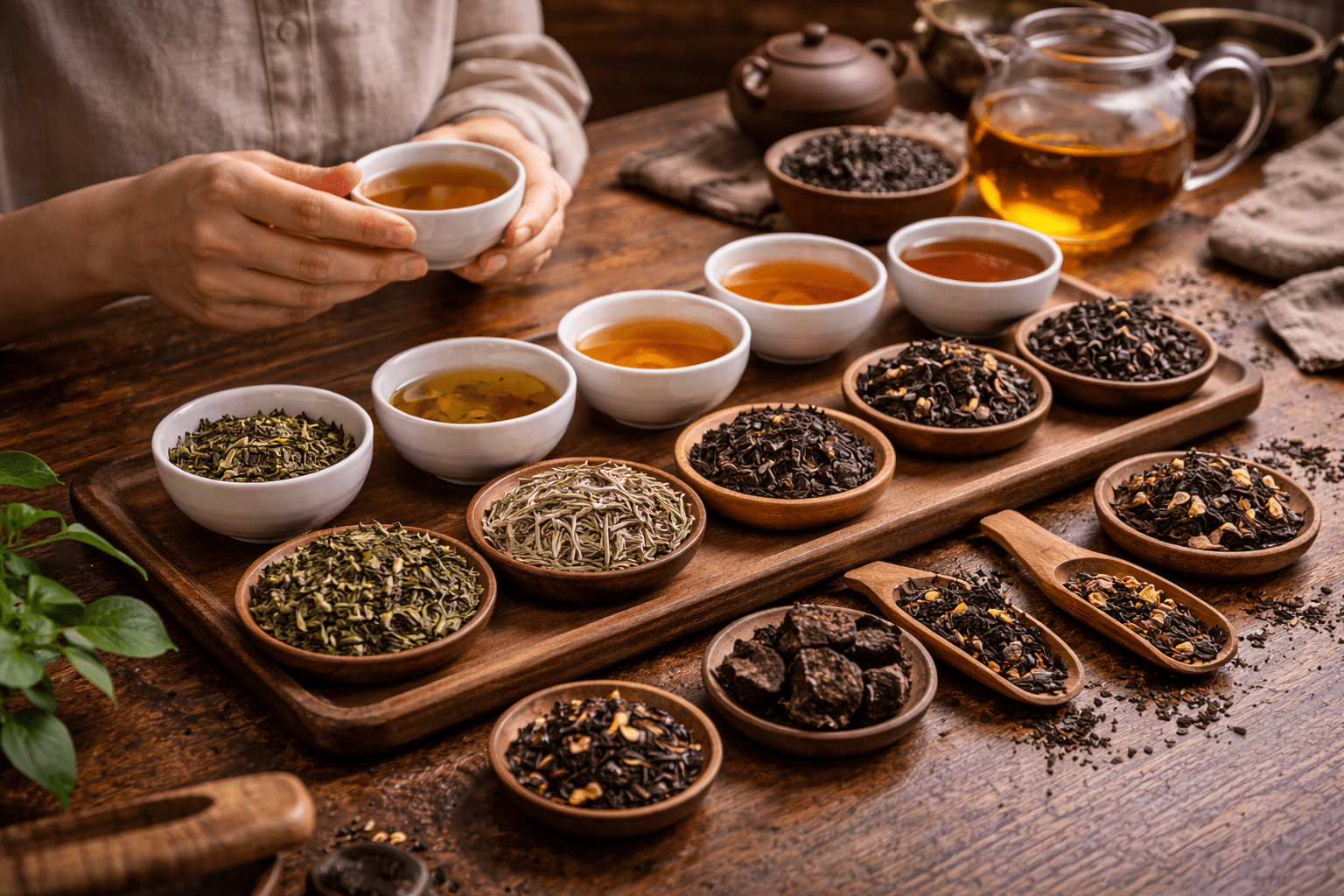
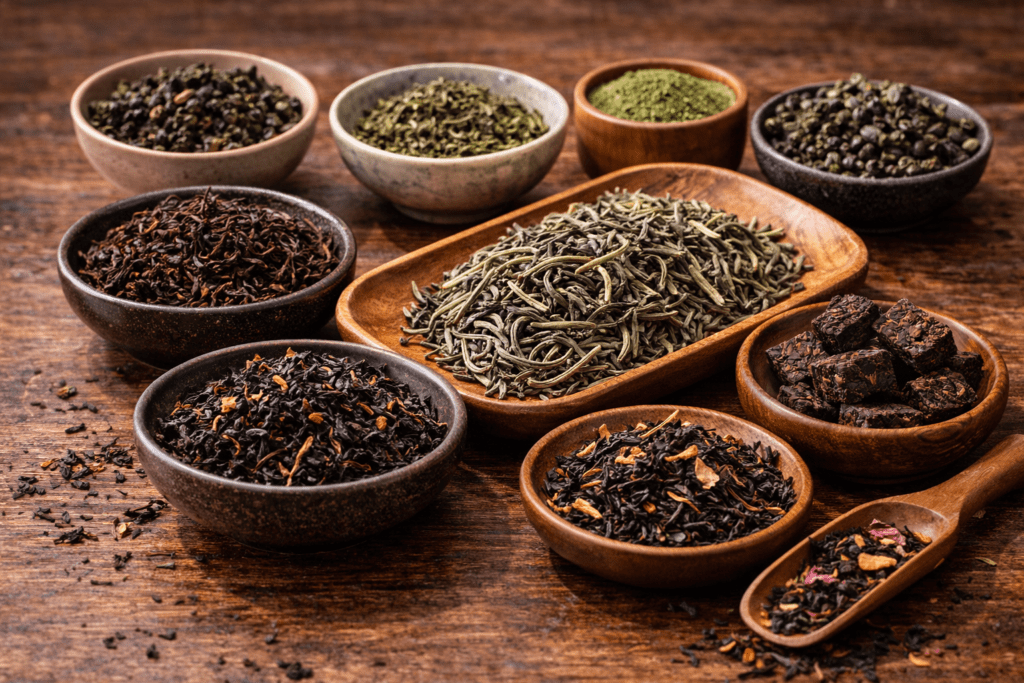
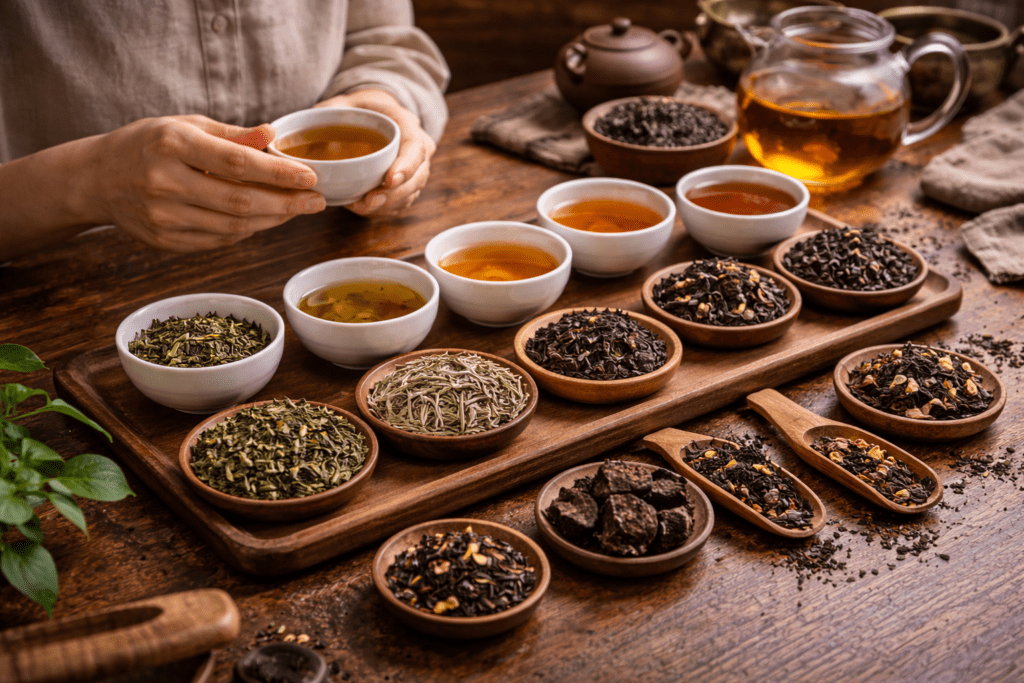
If you are new to tea, start with well-known teas that represent different styles.
Examples include:
- Longjing green tea
- Tieguanyin oolong
- Silver Needle white tea
- Keemun black tea
- ripe pu-erh
Trying a variety of teas helps you understand what flavors you enjoy most.
Over time, your taste preferences will naturally guide your buying decisions.
Conclusion
Buying good tea becomes much easier once you understand what truly defines quality.
Rather than relying only on brand names or marketing claims, focus on the key elements that determine tea quality:
- whole leaf appearance
- clean aroma
- authentic origin
- proper processing
- freshness or aging potential
- reliable vendors
By paying attention to these factors, anyone can learn to select tea that delivers a richer and more enjoyable experience.
Tea appreciation is a journey, and every cup provides an opportunity to explore new aromas, textures, and traditions.
Continue the Journey
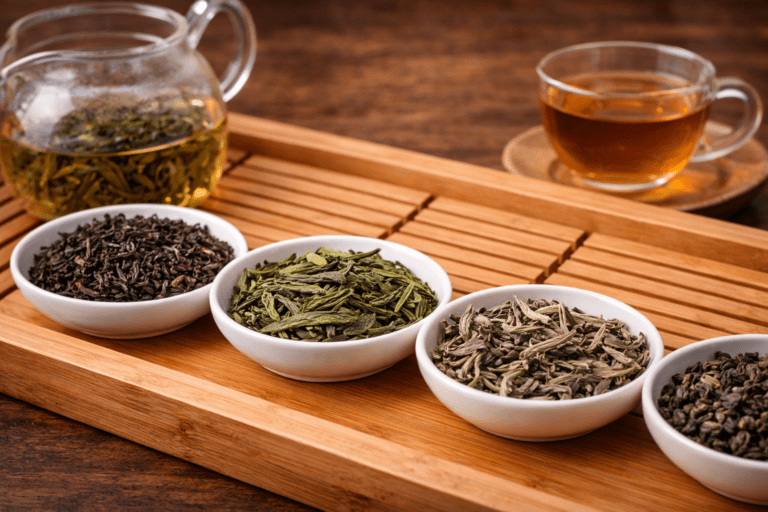
Best Tea for Beginners: A Complete Guide to Starting Your Tea Journey
Tea is one of the oldest and most widely enjoyed beverages in...
No Image
How to Store Loose Leaf Tea Properly: Protecting Freshness, Aroma, and Flavor
Loose leaf tea is a delicate natural product. Unlike many packaged foods,...
Best Chinese Tea Brands: Trusted Tea Companies for Authentic Chinese Tea
Chinese tea has a history that stretches back thousands of years. Over...