How to Identify High Quality Tea: A Complete Guide to Recognizing Premium Tea Leaves
Introduction
For anyone beginning their journey into tea, one of the most important skills to develop is the ability to recognize high quality tea.
Tea shops, online stores, and specialty markets offer hundreds of options. Some teas are inexpensive and mass-produced, while others are handcrafted and extremely rare. Without knowing what to look for, it can be difficult to tell the difference.
The good news is that high quality tea reveals itself through several clear signs. Experienced tea drinkers rely on a combination of visual inspection, aroma, texture, and brewing performance to determine the quality of tea leaves.
When you learn to observe these details, you can quickly distinguish premium tea from lower-grade products.
This guide will explain the key indicators that tea professionals use to identify high quality tea, including:
- leaf appearance
- aroma
- harvest quality
- origin
- brewing performance
- flavor complexity
Understanding these characteristics will help you confidently select tea that delivers a richer and more satisfying drinking experience.
The Appearance of Dry Tea Leaves
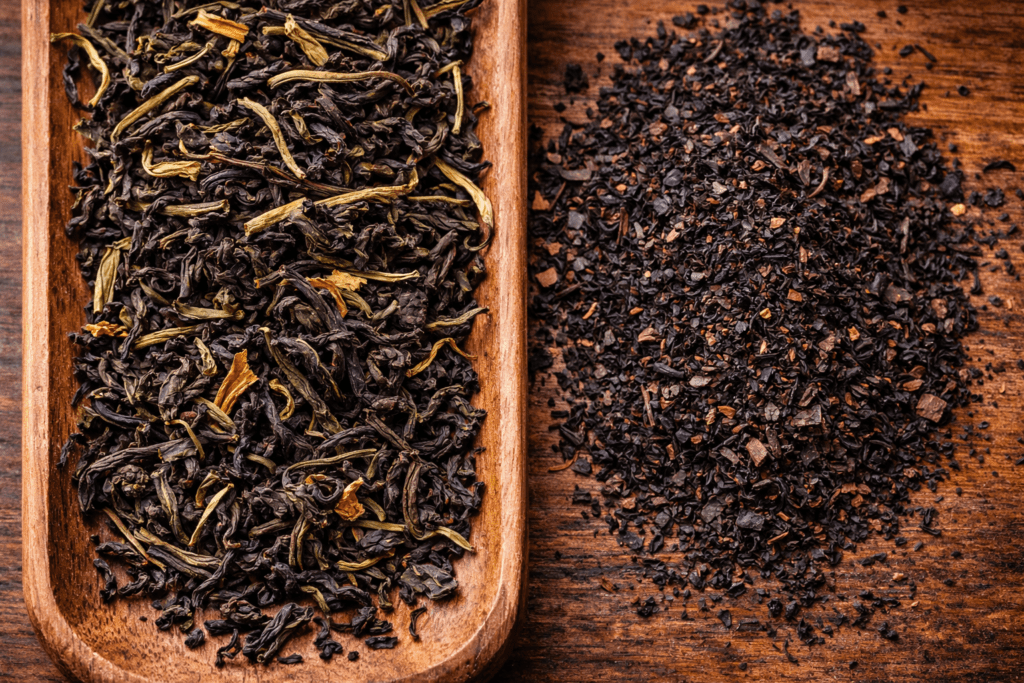
The first step in evaluating tea quality is examining the dry leaves.
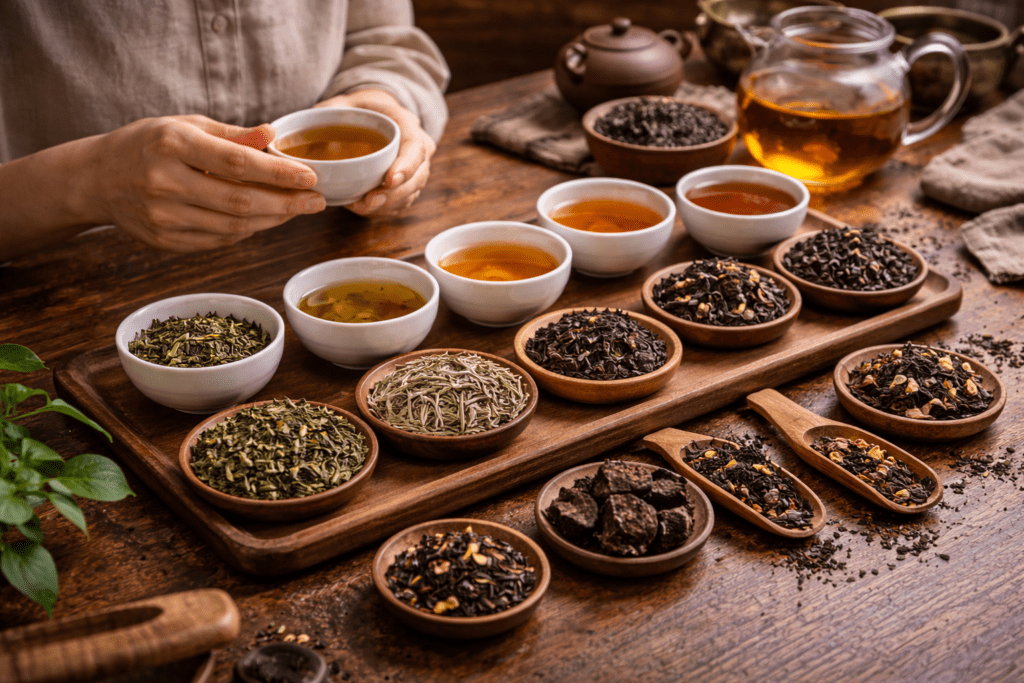
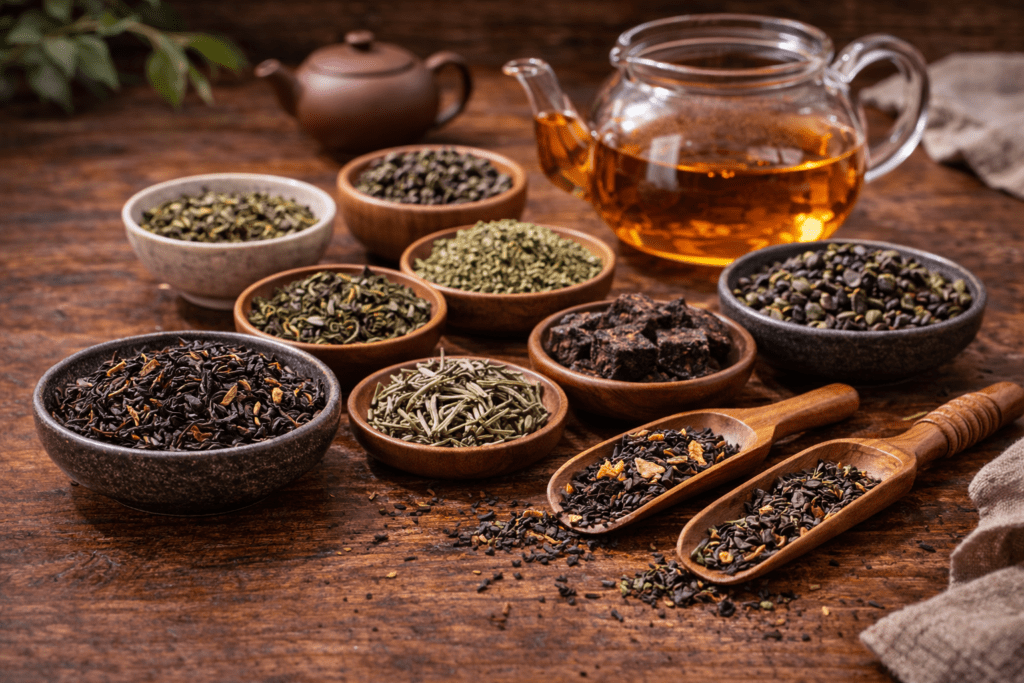
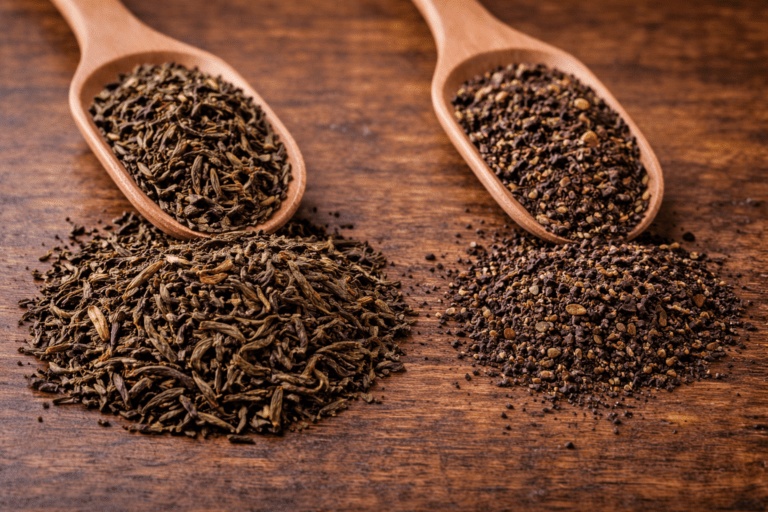
High quality tea leaves usually appear whole, intact, and carefully processed. The leaves should look consistent in size and shape rather than mixed with broken fragments or dust.
Different tea types have different visual characteristics, but premium tea often shows the following qualities:
- clear leaf structure
- minimal broken particles
- uniform color
- visible buds or tips
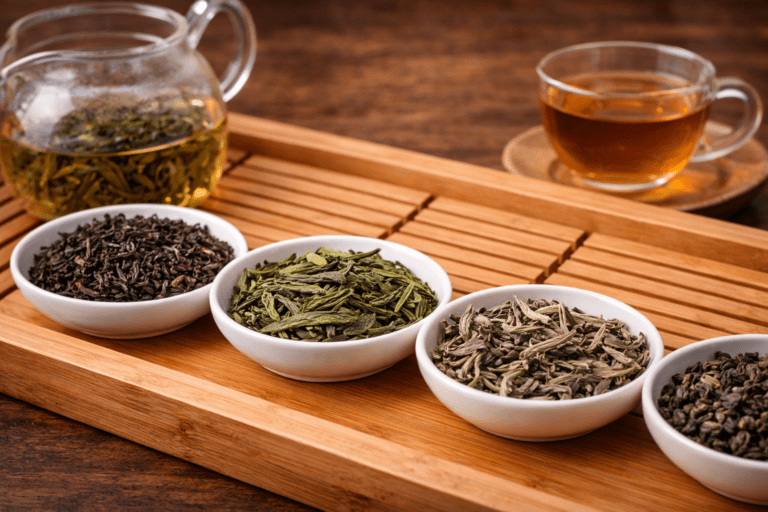
For example, high-grade green tea often features slender leaves with vibrant green tones. Premium oolong tea may appear tightly rolled or twisted, while high quality white tea often displays delicate silver buds.
In contrast, low quality tea usually looks fragmented or dusty. Broken tea leaves are often used in tea bags and may produce a harsher flavor when brewed.
Learning to recognize the visual differences between whole leaves and broken leaves is one of the easiest ways to judge tea quality.
Aroma: The Hidden Signature of Good Tea
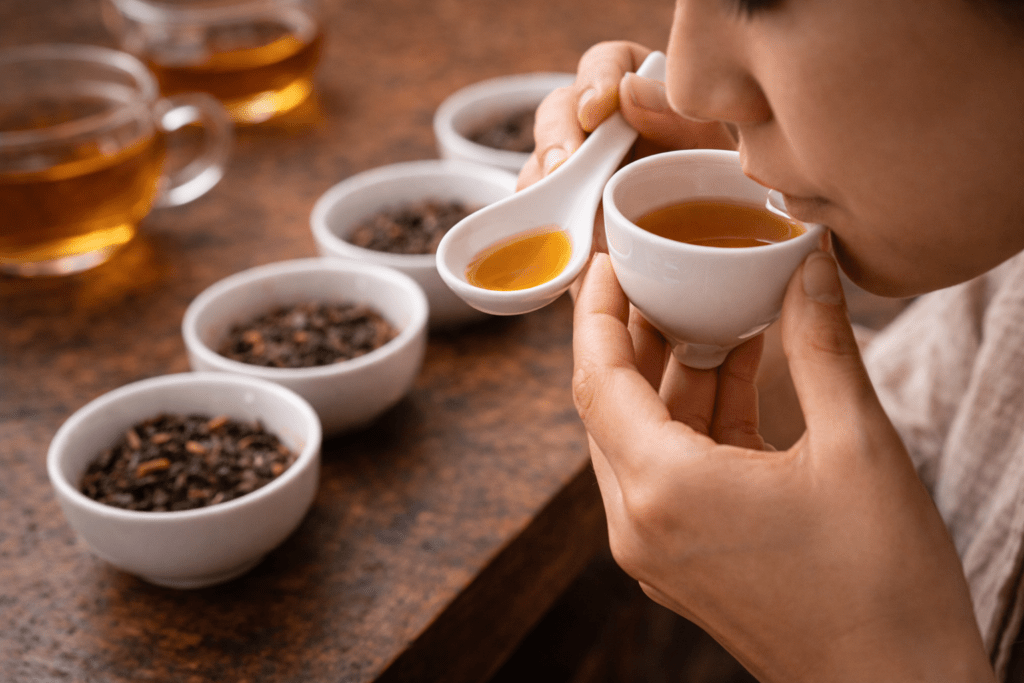
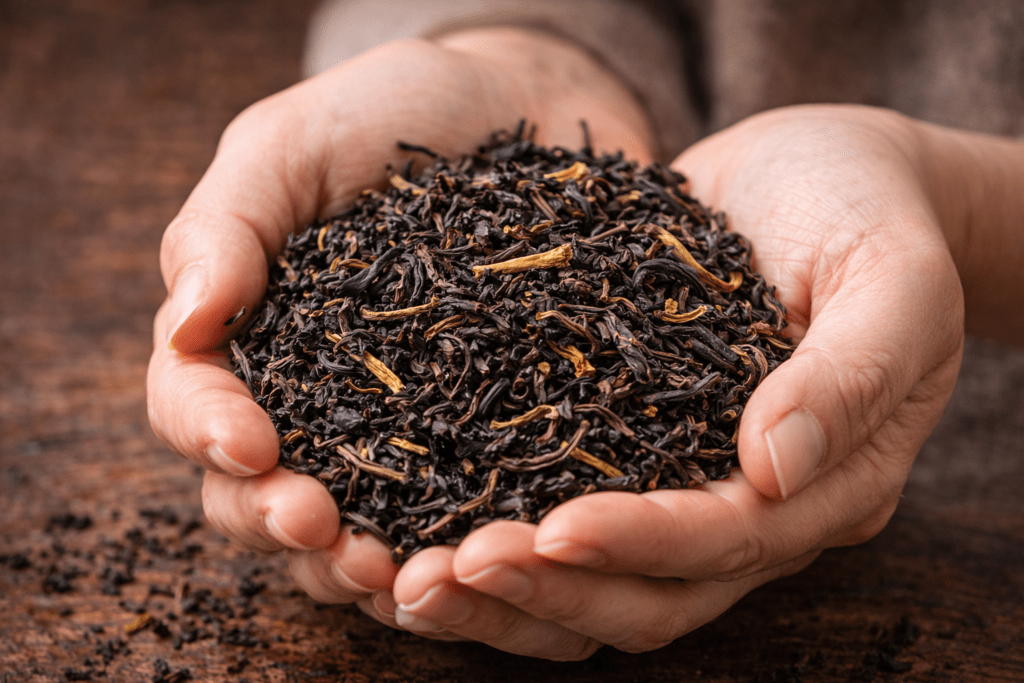
Aroma is one of the most reliable indicators of tea quality.
When you smell high quality loose leaf tea, the fragrance should be clean, vibrant, and distinctive.
Depending on the tea type, the aroma may include notes such as:
- floral
- honey-like sweetness
- roasted nuts
- fresh grass
- dried fruit
- mineral or woody tones
Good tea should never smell stale or dull.
If tea leaves produce an unpleasant smell such as mold, smoke, or chemicals, this may indicate poor storage or inferior processing.
Many professional tea buyers evaluate tea primarily through aroma. Even before brewing the leaves, the fragrance provides clues about how the tea will taste.
Tea Origin and Growing Environment
The location where tea is grown plays a significant role in its quality.
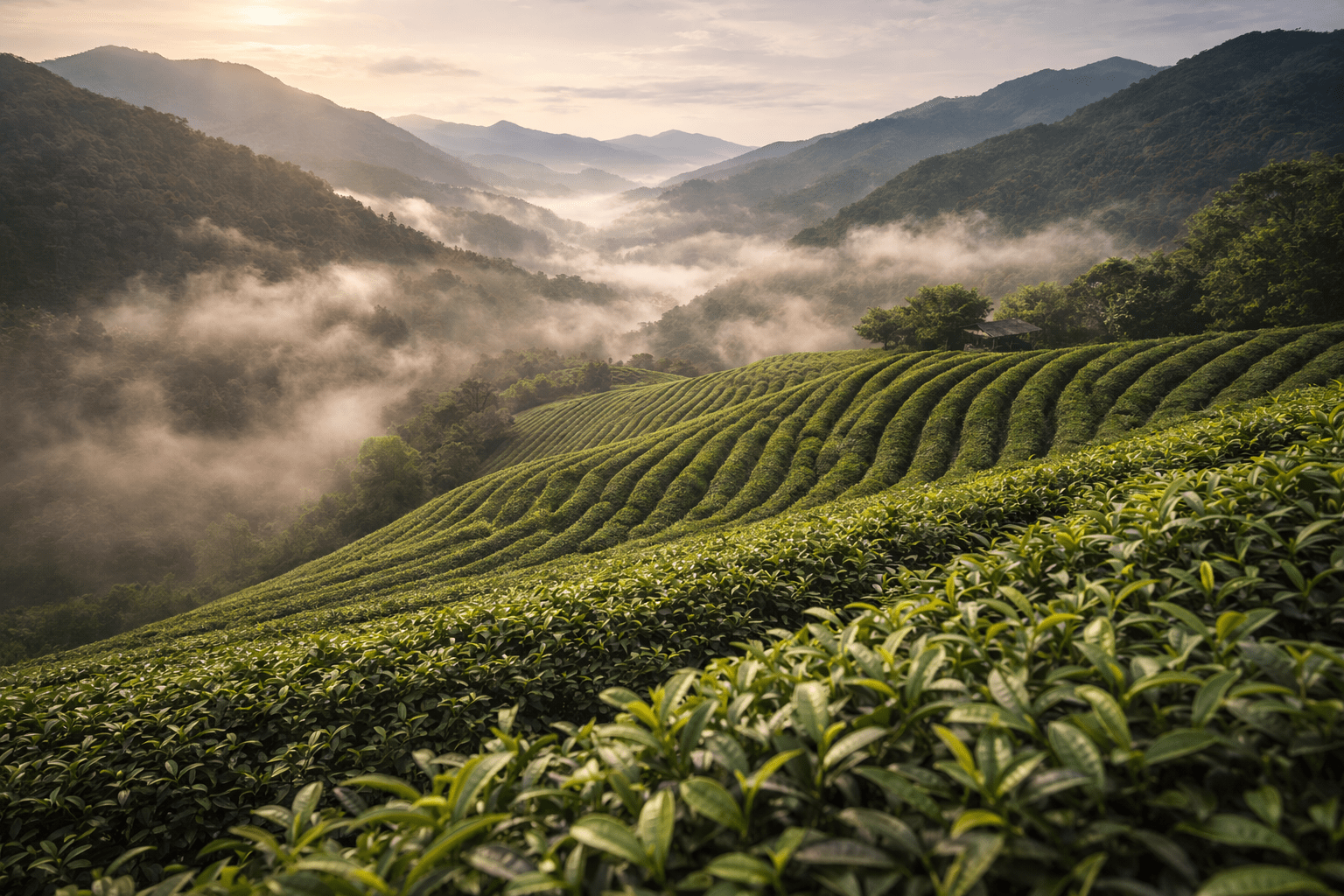
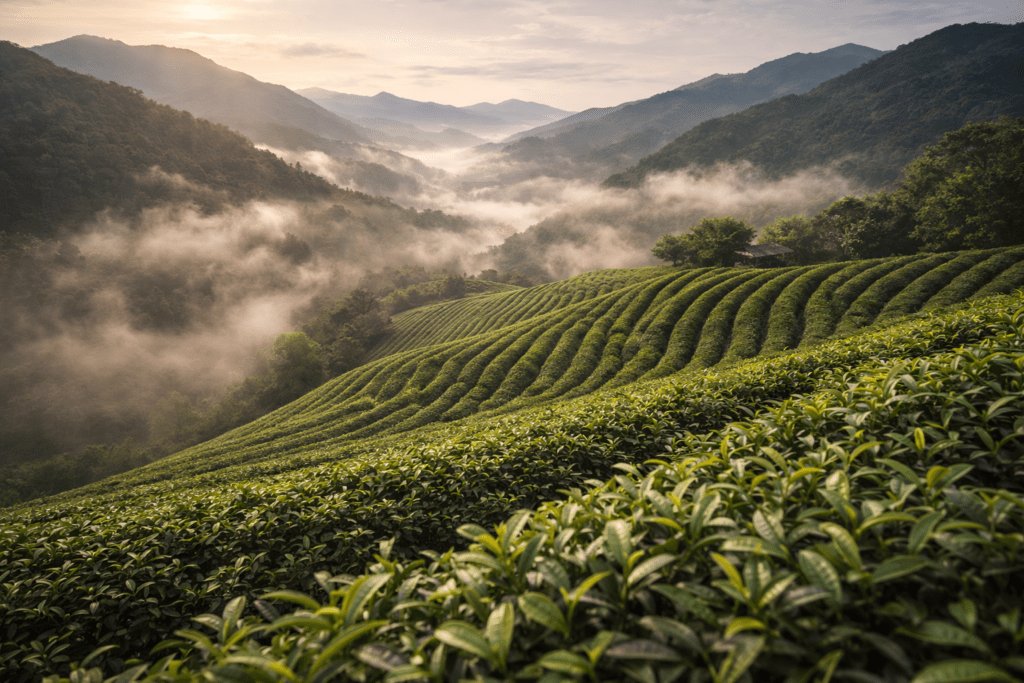
Just like wine grapes, tea plants develop unique flavor profiles depending on the soil, climate, altitude, and surrounding environment.
Many of the world’s best teas come from mountainous regions where tea plants grow slowly and develop more complex flavor compounds.
Some famous tea regions include:
China
- Fujian Province
- Zhejiang Province
- Yunnan Province
Japan
- Uji
- Shizuoka
India
- Darjeeling
- Assam
Tea grown in these regions often benefits from:
- mineral-rich soil
- cooler temperatures
- frequent mist
- natural shade
These conditions help the tea leaves develop deeper aromas and more refined flavors.
Harvest Timing and Tea Bud Quality
Harvest timing strongly influences tea quality.
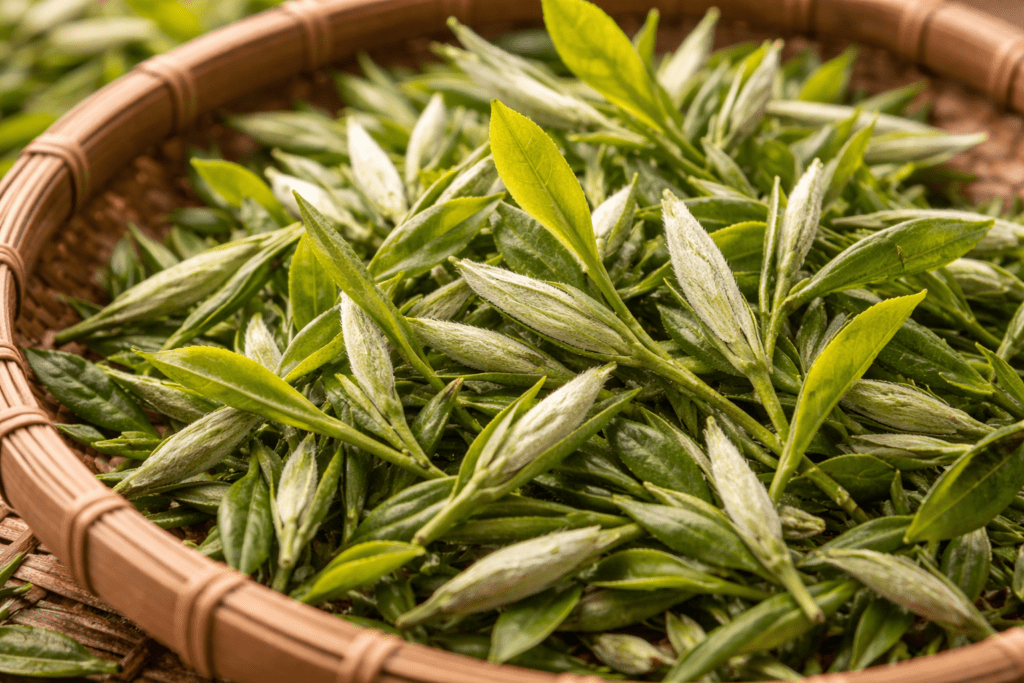
The most prized teas are often harvested during early spring when the tea plants produce their first young shoots.
These early leaves are tender and rich in natural compounds responsible for sweetness, aroma, and smooth texture.
High quality tea may include visible buds, sometimes called tips. These buds often appear lighter in color and are considered a sign of careful harvesting.
Teas that contain many buds often produce more fragrant and complex brews.
Later harvests can still produce good tea, but the flavor may be less delicate than early spring teas.
How Tea Leaves React During Brewing
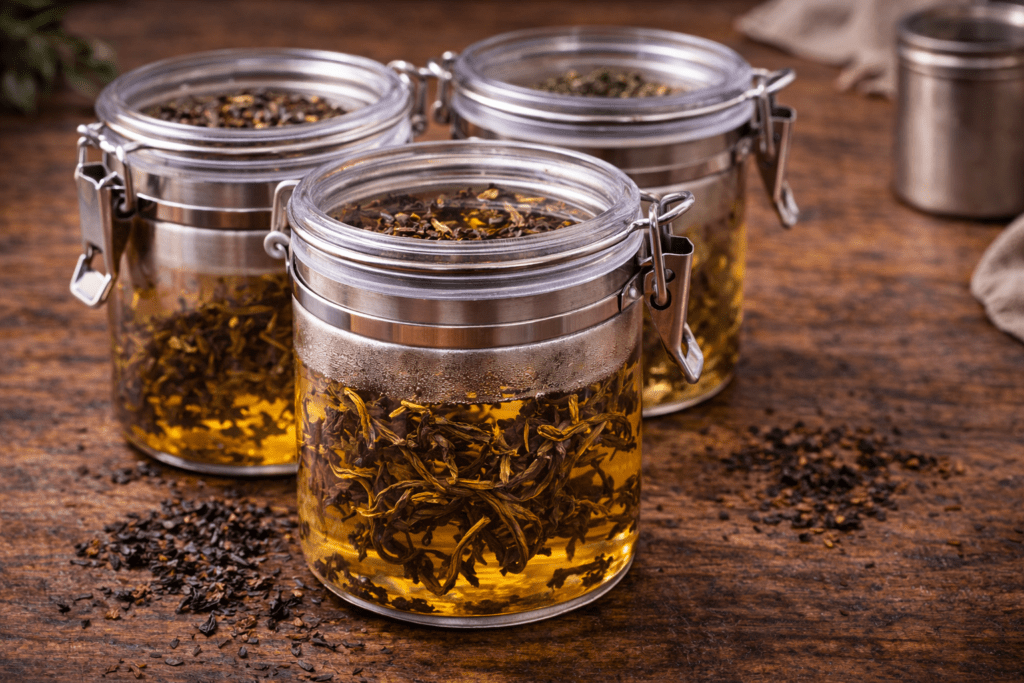
One of the best ways to judge tea quality is observing the leaves after brewing.
High quality tea leaves tend to unfold gradually in hot water. The leaves often expand and reveal their original structure.
After steeping, premium tea leaves usually appear:
- soft and flexible
- evenly opened
- intact rather than fragmented
Low quality tea often breaks apart quickly, producing cloudy tea liquor and stronger bitterness.
Watching how the leaves behave during brewing provides important clues about their quality.
Flavor Complexity and Balance
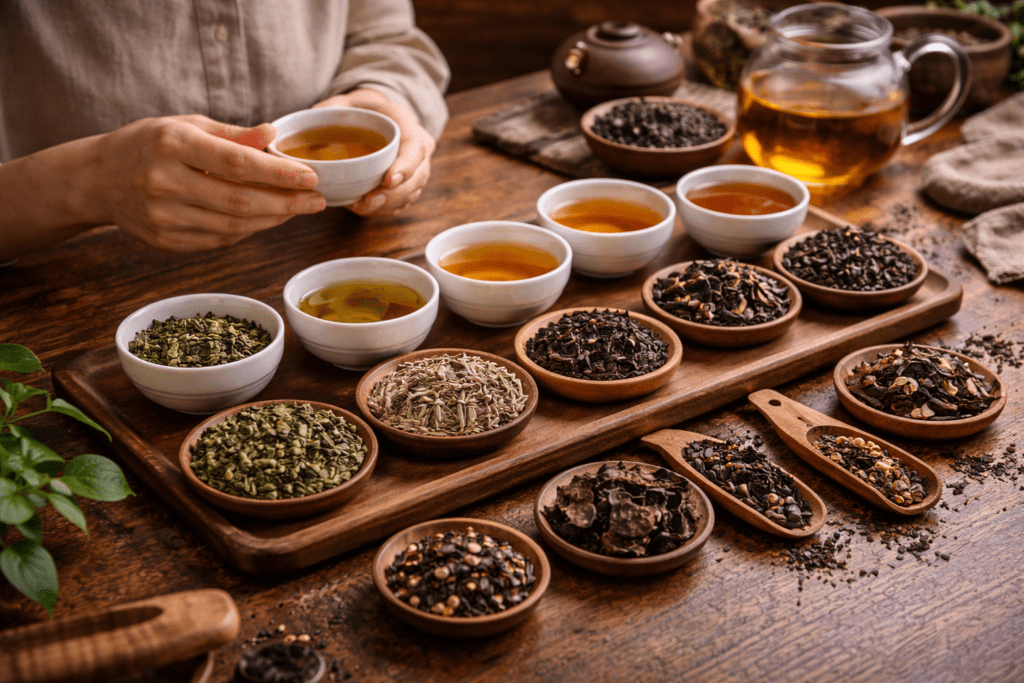
When tasting tea, the most noticeable difference between premium and lower-grade tea is flavor complexity.
High quality tea typically offers layered flavors that evolve throughout the tasting experience.
You may notice:
- sweetness on the first sip
- floral or fruity aromas
- subtle mineral notes
- lingering aftertaste
The best teas feel smooth and balanced rather than harsh or overly bitter.
Lower quality tea often tastes flat or one-dimensional.
Another sign of good tea is the ability to withstand multiple infusions. Many premium teas can be brewed several times while still producing pleasant flavors.
Signs of Poor Quality Tea
Recognizing low quality tea is just as important as identifying premium tea.
Common signs of poor quality include:
- excessive tea dust
- dull or faded leaf color
- stale or musty smell
- overly bitter taste
- cloudy tea liquor
These issues often result from poor harvesting methods, low-grade raw materials, or improper storage.
Tea stored in humid conditions can easily lose its freshness and develop unpleasant flavors.
For this reason, buying tea from reputable vendors is always recommended.
Conclusion
Identifying high quality tea becomes easier once you understand the key characteristics that distinguish premium leaves.
Rather than relying on packaging or marketing claims, focus on the following factors:
- whole leaf appearance
- vibrant aroma
- authentic origin
- careful processing
- healthy leaf expansion during brewing
- balanced flavor
By paying attention to these indicators, you can develop the ability to recognize excellent tea anywhere in the world.
Over time, your senses will become more refined, and choosing great tea will feel natural and intuitive.
Tea appreciation is not only about drinking—it is also about learning to observe the subtle qualities that make each leaf unique.
Continue the Journey
Best Tea for Beginners: A Complete Guide to Starting Your Tea Journey
Tea is one of the oldest and most widely enjoyed beverages in...
No Image
How to Store Loose Leaf Tea Properly: Protecting Freshness, Aroma, and Flavor
Loose leaf tea is a delicate natural product. Unlike many packaged foods,...
Best Chinese Tea Brands: Trusted Tea Companies for Authentic Chinese Tea
Chinese tea has a history that stretches back thousands of years. Over...