Green Tea vs Black Tea: What’s the Difference and Which One Is Healthier?
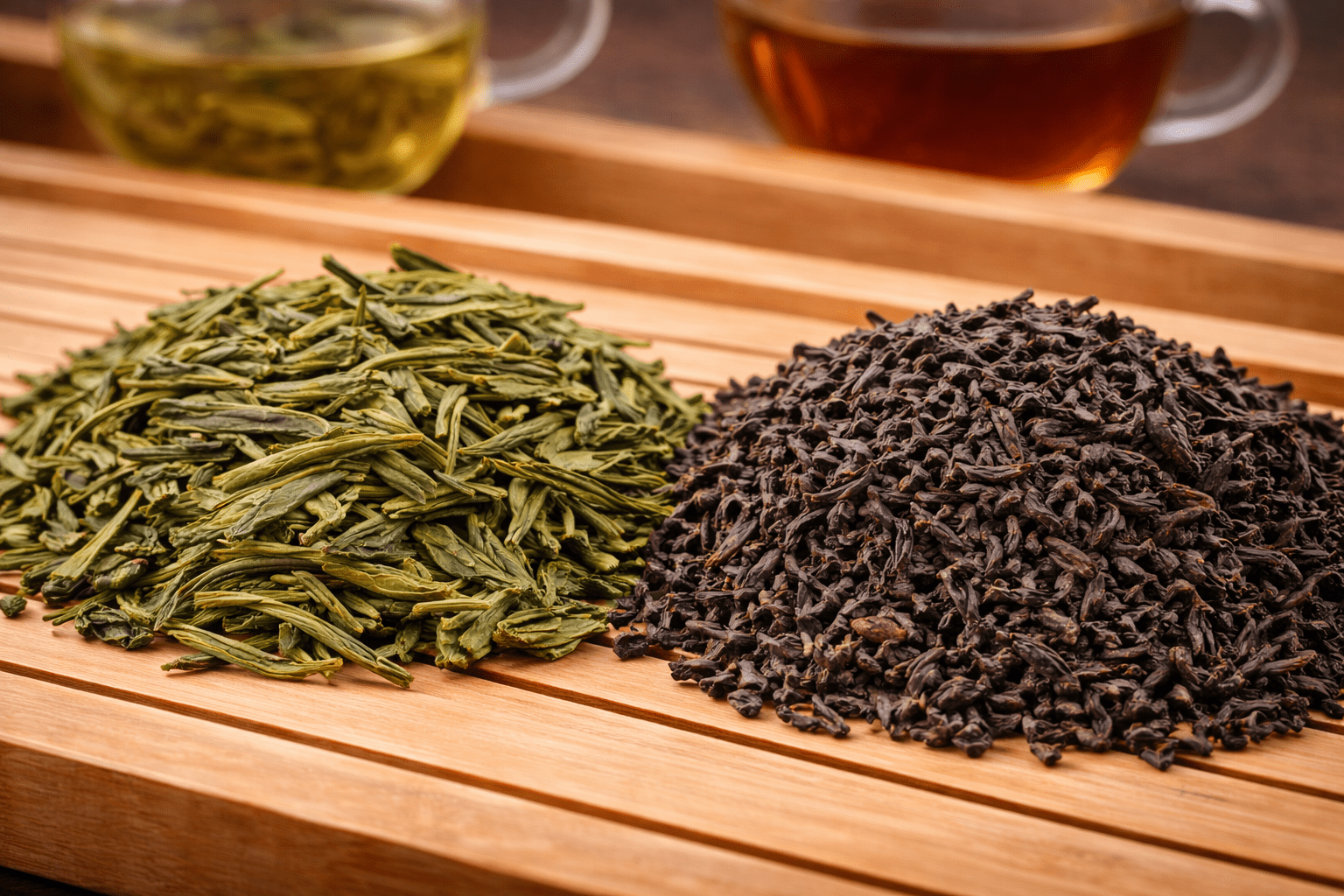
Green tea and black tea are two of the most widely consumed teas in the world. Although they come from the same plant, Camellia sinensis, they taste dramatically different and provide different tea experiences.
Many people wonder:
- Is green tea healthier than black tea?
- Which tea has more caffeine?
- Which one tastes better?
- Which tea should beginners start with?
The answer depends on several factors, including processing methods, oxidation level, flavor profile, and brewing style.
In this guide, we will explore the key differences between green tea and black tea so you can better understand which one may suit your taste and lifestyle.
What Is Green Tea?
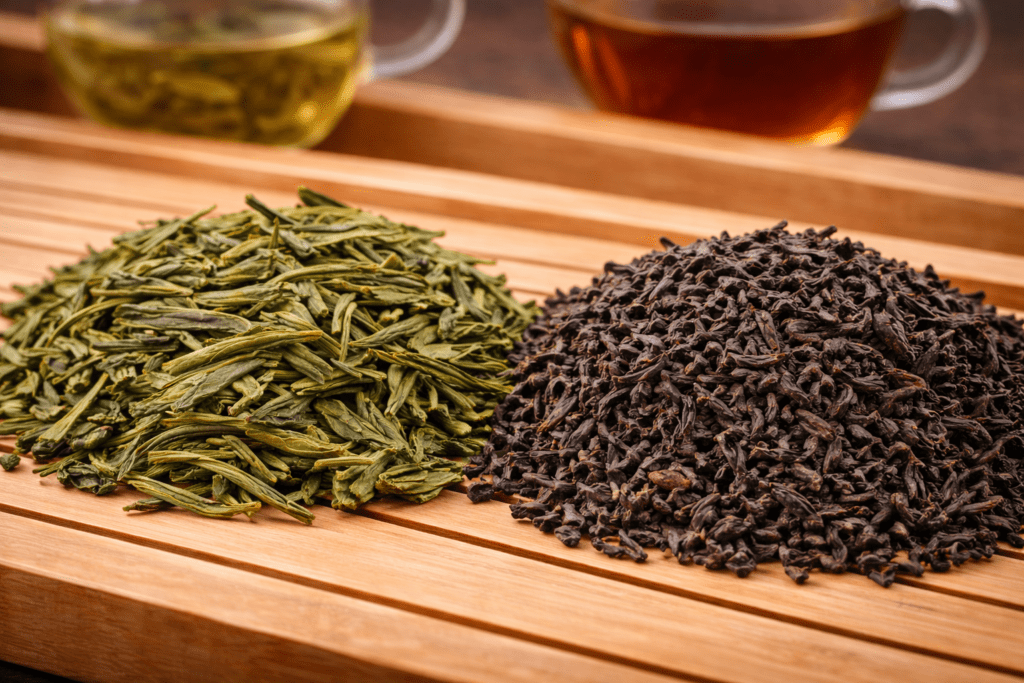
Green tea is one of the oldest forms of tea in China and Japan. It is famous for its fresh, light, and grassy flavor.
Unlike black tea, green tea undergoes very little oxidation. After tea leaves are harvested, they are quickly heated to prevent oxidation. This process preserves the leaf’s natural green color and delicate aroma.
Typical green tea processing includes:
- Harvesting
- Fixing (pan firing or steaming)
- Rolling
- Drying
Because oxidation is stopped early, green tea retains high levels of natural antioxidants, particularly catechins.
Some well-known green teas include:
- Longjing (Dragon Well)
- Biluochun
- Sencha
- Gyokuro
- Matcha
Green tea is often described as refreshing, vegetal, and slightly sweet.
What Is Black Tea?
Black tea is fully oxidized tea. During production, tea leaves are intentionally allowed to oxidize, which darkens the leaves and develops deeper flavors.
Black tea processing generally includes:
- Withering
- Rolling
- Oxidation
- Drying
This oxidation process changes the chemical composition of the tea leaves and creates bold, rich flavors.
Black tea is known for tasting:
- malty
- smooth
- slightly sweet
- sometimes smoky or fruity
Popular black teas include:
- Keemun
- Lapsang Souchong
- Assam
- Darjeeling
- English Breakfast tea
Because of its stronger flavor, black tea is often consumed with milk or sugar in many cultures.
Green Tea vs Black Tea: Key Differences
Although both teas come from the same plant, their production methods create major differences.
| Feature | Green Tea | Black Tea |
|---|---|---|
| Oxidation | Minimal | Full oxidation |
| Flavor | Fresh and grassy | Bold and malty |
| Color | Light green or yellow | Amber to dark red |
| Aroma | Vegetal and delicate | Rich and strong |
| Brewing temperature | Lower | Higher |
| Complexity | Light and clean | Deep and robust |
Green tea emphasizes freshness and subtlety, while black tea delivers strength and depth.
Flavor Comparison
One of the biggest differences between green tea and black tea is taste.
Green tea flavor
Green tea often tastes:
- grassy
- vegetal
- nutty
- fresh
- slightly sweet
Some green teas also have subtle floral notes.
Black tea flavor
Black tea is usually:
- stronger
- richer
- fuller-bodied
Common tasting notes include:
- malt
- caramel
- dried fruit
- cocoa
Because of its strength, black tea pairs well with milk or lemon.
Caffeine Content
Both green tea and black tea contain caffeine, but their levels differ.
| Tea Type | Average Caffeine |
|---|---|
| Green Tea | 20–40 mg |
| Black Tea | 40–70 mg |
Black tea usually contains more caffeine because of:
- longer oxidation
- stronger brewing
- different leaf varieties
However, caffeine content can vary depending on brewing method.
Health Benefits Comparison
Both green tea and black tea offer health benefits due to their plant compounds.
Green tea benefits
Green tea contains high levels of catechins, which are powerful antioxidants.
Potential benefits include:
- antioxidant protection
- metabolism support
- heart health
- improved focus
Black tea benefits
Black tea contains theaflavins and thearubigins, compounds formed during oxidation.
These may support:
- cardiovascular health
- gut health
- immune function
Both teas can be part of a healthy lifestyle.
Brewing Differences
Green tea and black tea require different brewing temperatures.
Green tea brewing
Water temperature:
70–80°CSteeping time:
1–2 minutesToo much heat can make green tea bitter.
Black tea brewing
Water temperature:
90–100°CSteeping time:
2–4 minutesBlack tea is more tolerant of hot water and longer brewing.
Which Tea Is Better?
The answer depends on your preferences.
Choose green tea if you prefer:
- lighter flavors
- refreshing taste
- lower caffeine
- delicate aromas
Choose black tea if you prefer:
- stronger tea
- richer flavor
- higher caffeine
- milk tea options
Many tea drinkers enjoy both depending on the time of day.
Final Thoughts
Green tea and black tea represent two different approaches to tea production.
Green tea highlights the natural freshness of the tea leaf, while black tea emphasizes richness created through oxidation.
Both teas have long histories and unique cultural traditions. Exploring both styles is one of the best ways to appreciate the diversity of the tea world.
Continue the Journey
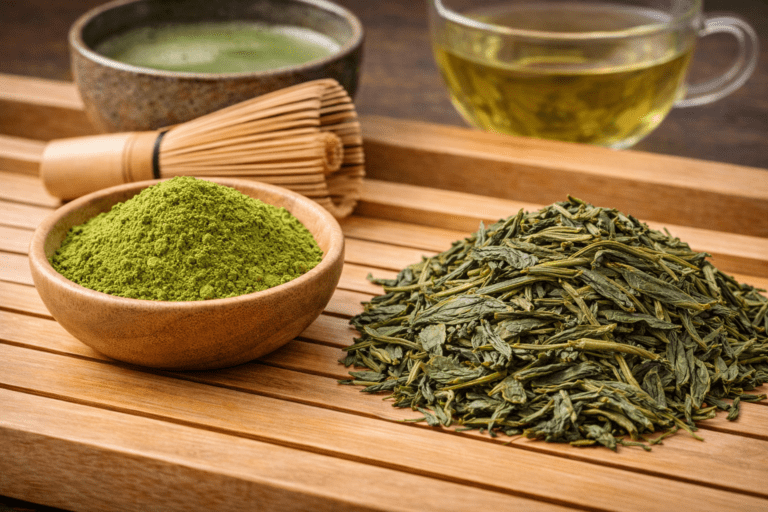
Matcha vs Green Tea: What’s the Difference and Which One Is Healthier?
Matcha and green tea are often mentioned together, and many people assume...
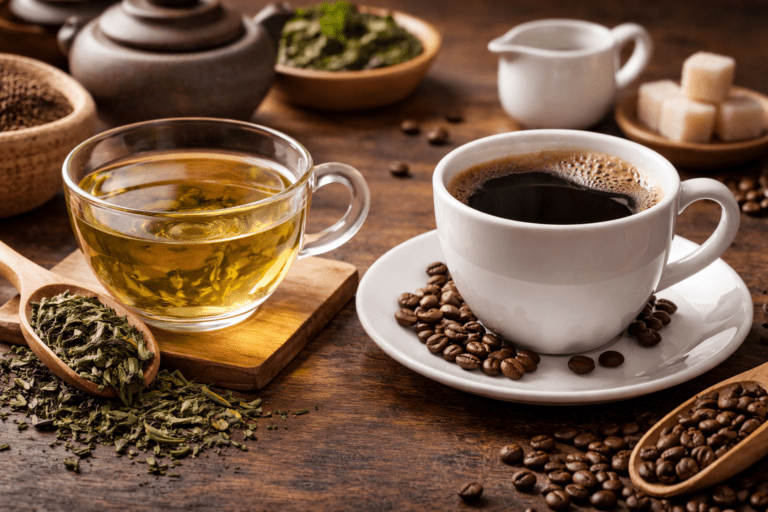
Tea vs Coffee: Which Drink Is Healthier, Better for Energy, and Right for You?
Tea and coffee are two of the most popular beverages in the...
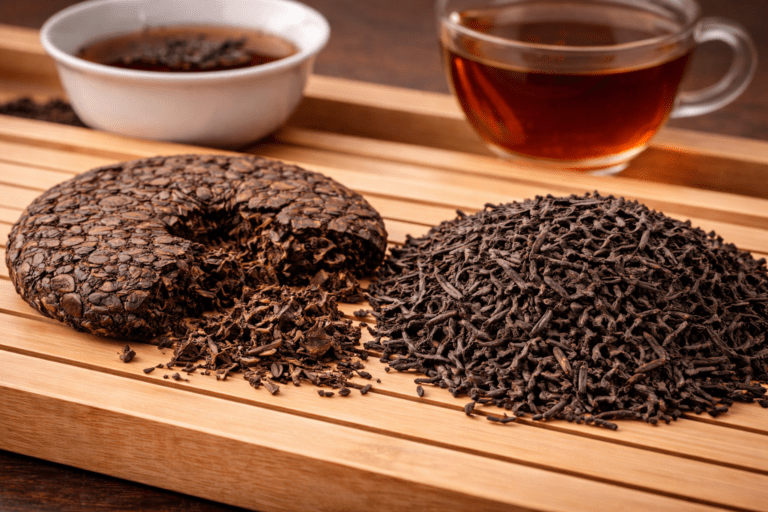
Pu-erh Tea vs Black Tea: What’s the Difference and Which One Should You Drink?
Pu-erh tea and black tea are two types of dark-colored tea that...