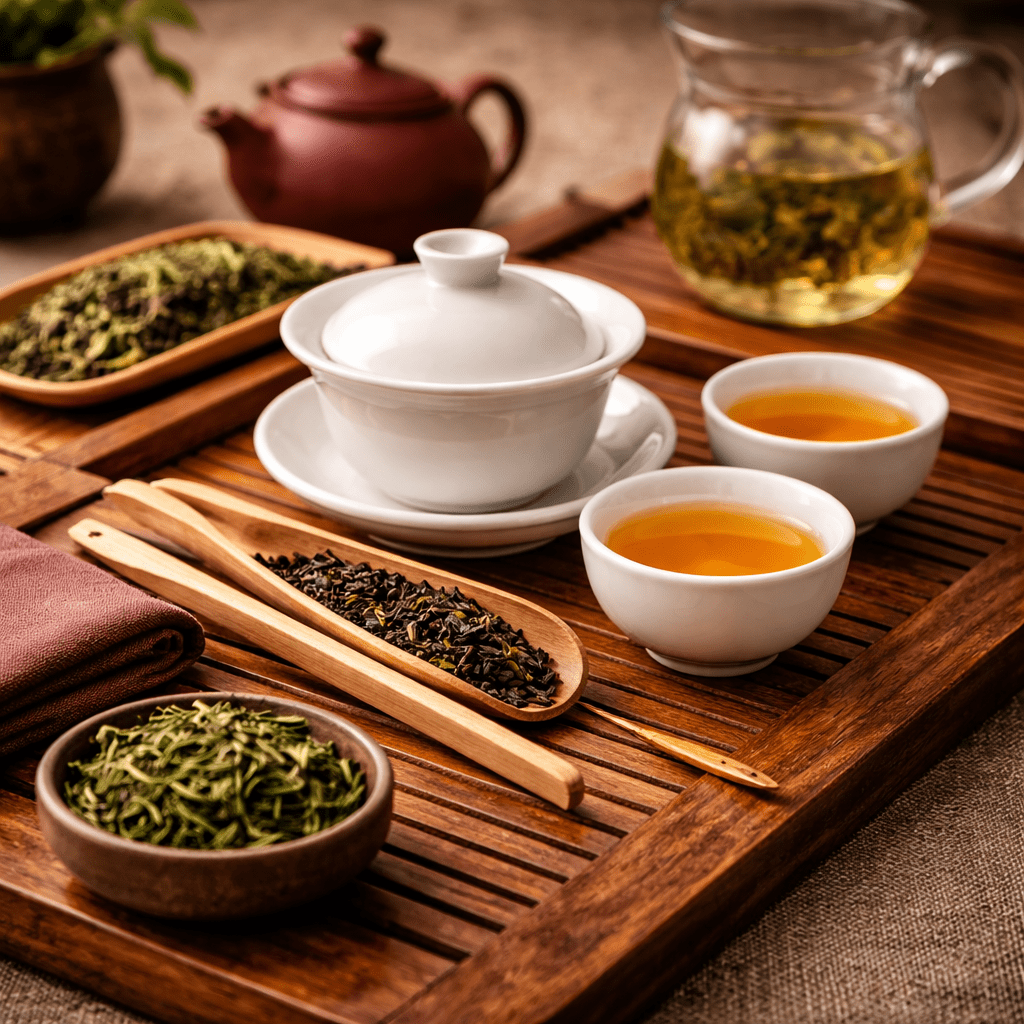
Best Tea for Anxiety: 6 Teas That Help Calm the Mind Naturally
Modern life often moves at a fast pace. Work demands, constant information, digital devices, and daily responsibilities can easily create feelings of stress and anxiety. While occasional stress is a normal part of life, many people search for simple and natural ways to relax and regain balance.
One of the oldest and most comforting habits across cultures is drinking tea.
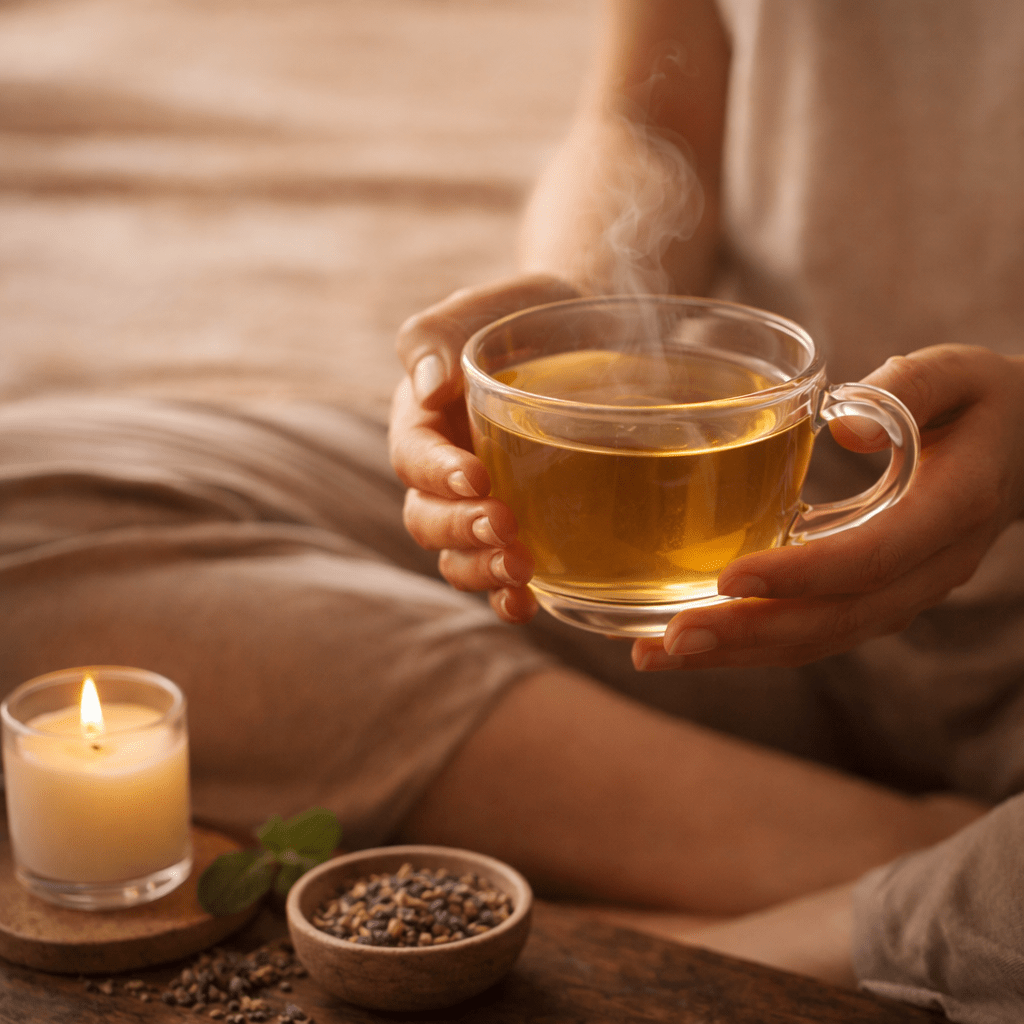
For thousands of years, tea has been used not only as a beverage but also as a calming ritual. The act of preparing tea, waiting for the leaves to infuse, and slowly drinking a warm cup naturally encourages a slower and more mindful state of mind.
Certain types of tea contain plant compounds that may support relaxation, reduce tension, and promote a sense of calm. Some teas are naturally caffeine-free, while others contain a combination of compounds that help balance alertness and relaxation.
In this guide, we will explore:
- why tea can help reduce anxiety
- how tea affects the nervous system
- the best teas traditionally associated with relaxation
- when to drink tea for calmness
- how to create a relaxing tea ritual
By understanding how different teas interact with the body and mind, you can use tea as a gentle tool to support emotional well-being.
Why Tea Can Help Reduce Anxiety
Tea supports relaxation through several different mechanisms.
Some teas contain L-theanine, an amino acid that affects brain activity and promotes calm focus. L-theanine has been studied for its ability to increase alpha brain waves, which are associated with relaxed alertness.
Other herbal teas contain natural plant compounds that support the nervous system and may help reduce feelings of tension.
Beyond chemistry, tea also works psychologically.
The process of brewing tea encourages a pause. Preparing tea creates a moment away from stress, which helps slow the mind and bring attention back to the present moment.
This combination of biological effects and calming ritual is one reason tea has been used for centuries in meditation and mindfulness practices.
6 Teas That May Help Calm Anxiety
Different teas offer different types of calming effects. Some help the body relax, while others support mental clarity.
Here are six teas often associated with relaxation and emotional balance.
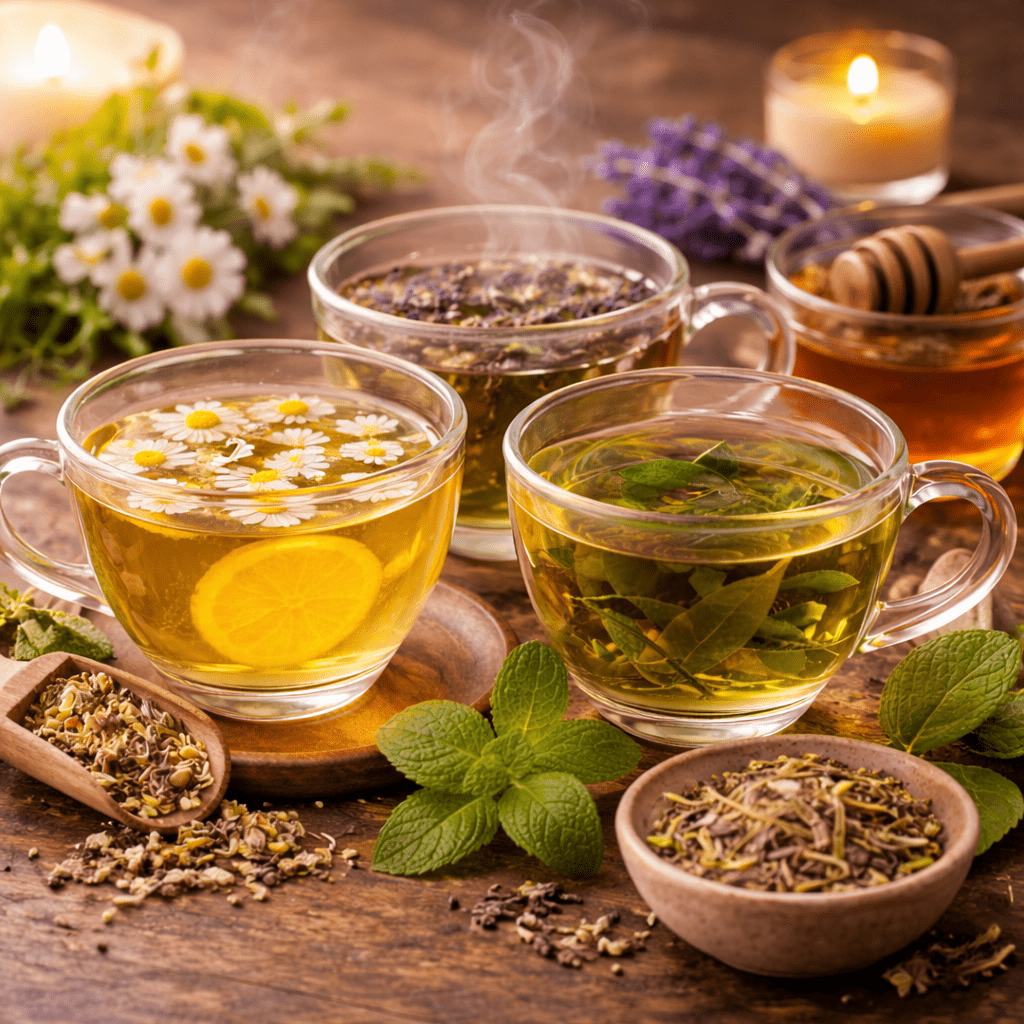
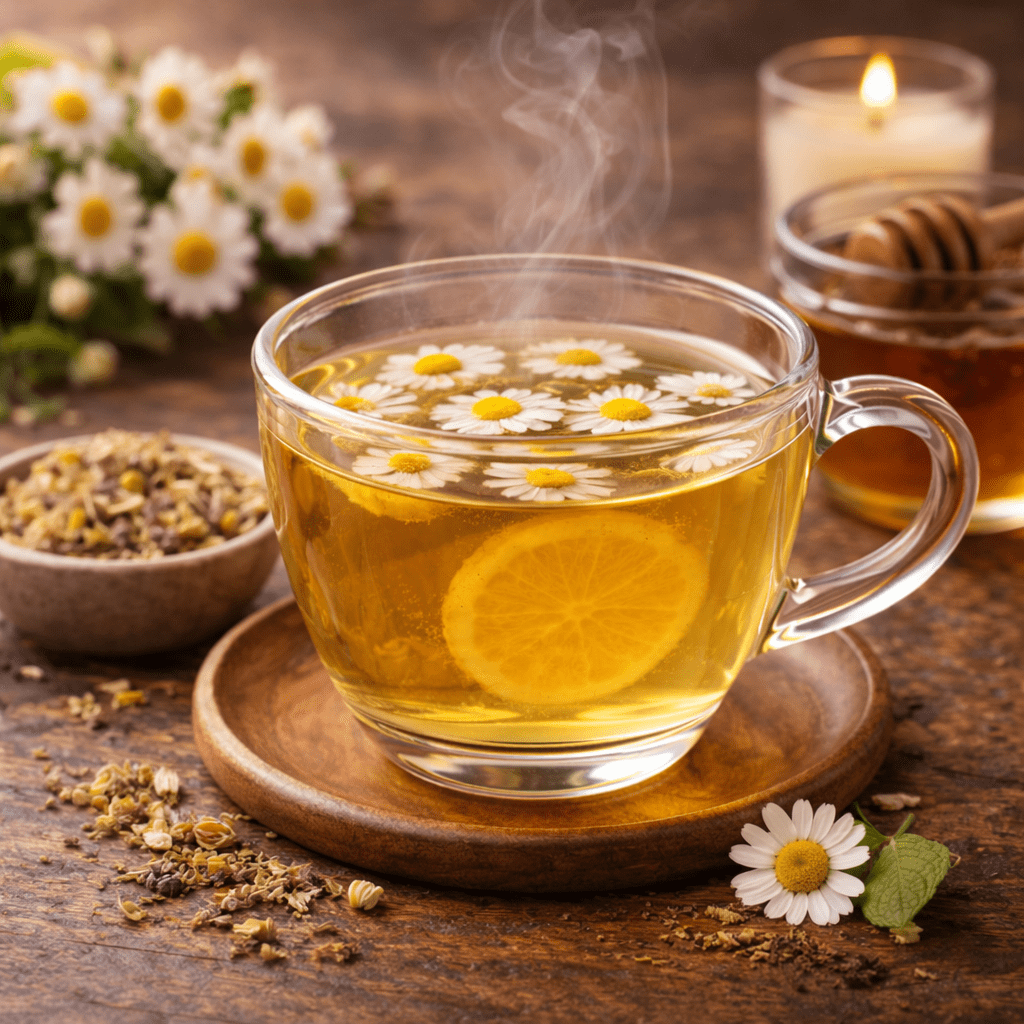
1. Chamomile Tea
Chamomile tea is one of the most widely known calming teas.
Chamomile flowers contain compounds that may interact with receptors in the brain associated with relaxation and sleep.
Many people drink chamomile tea in the evening because it may help promote restful sleep and reduce nighttime anxiety.
Its flavor is mild, slightly sweet, and floral, making it a gentle introduction to herbal teas.
2. Green Tea
Green tea contains caffeine, but it also contains L-theanine, which promotes calm focus.
This unique combination produces a state sometimes described as relaxed alertness.
Instead of making the mind restless, green tea can support clarity and balanced energy.
For people experiencing mental fatigue or stress during work, green tea may provide calm concentration without overstimulation.
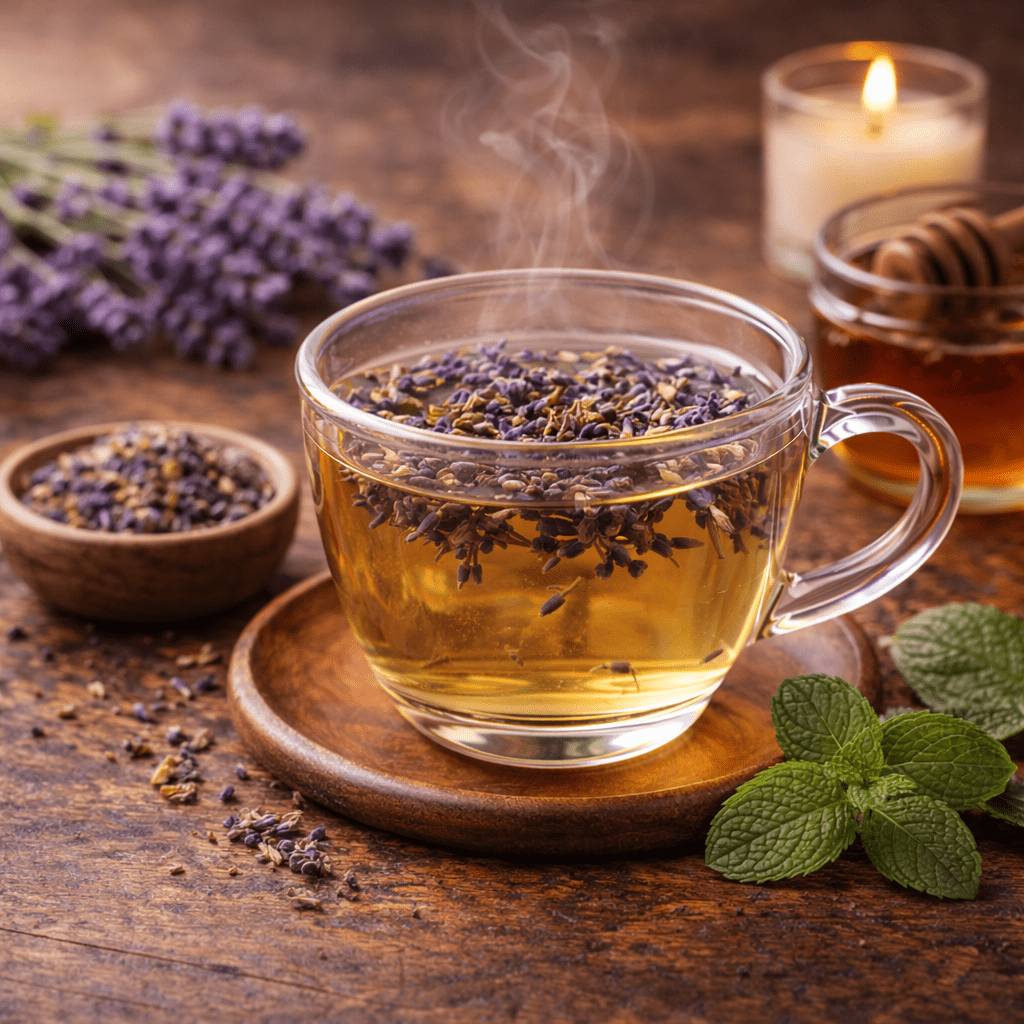
3. Lavender Tea
Lavender has long been associated with relaxation and aromatherapy.
Lavender tea has a delicate floral aroma that many people find soothing.
It is often used to help calm the mind and support relaxation before sleep.
Because lavender tea contains no caffeine, it is usually consumed in the evening.
4. Peppermint Tea
Peppermint tea is refreshing and cooling.
While it is not typically considered a sedative tea, peppermint may help relax the body by soothing digestion and reducing physical tension.
Its refreshing aroma can also help clear the mind and improve breathing comfort.
Peppermint tea is naturally caffeine-free and can be enjoyed at any time of day.
5. Lemon Balm Tea
Lemon balm is a herb from the mint family that has been traditionally used to support relaxation and mood balance.
Some studies suggest lemon balm may help reduce feelings of stress and promote calmness.
Its flavor is light, slightly citrusy, and very gentle.
Many people drink lemon balm tea in the evening to unwind after a long day.
6. Oolong Tea
Oolong tea sits between green tea and black tea in terms of oxidation and caffeine content.
Although it contains caffeine, many tea drinkers report that oolong tea provides a smooth and balanced mental state.
Because of its rich aroma and complex flavor, oolong tea can also create a calming sensory experience during the tea ritual itself.
When to Drink Tea for Anxiety Relief
Tea can support relaxation at different times depending on the type.
Morning
Light green tea may provide calm focus without heavy stimulation.
Afternoon
Oolong tea or peppermint tea can reduce mental fatigue.
Evening
Chamomile, lavender, or lemon balm tea can help the body relax before sleep.
Many people find that drinking tea at the same time each day helps establish a consistent relaxation routine.
Creating a Calming Tea Ritual
One of the most powerful aspects of tea is the ritual surrounding it.
Turning tea into a small daily ceremony can greatly increase its calming effect.
Consider these simple practices:
Choose a quiet moment during the day.
Use loose-leaf tea and observe the leaves as they open in the water.
Drink slowly rather than quickly.
Pay attention to the aroma, warmth, and taste of the tea.
These simple actions help shift the mind away from stress and into a more relaxed state.
Tea and Mindfulness
Many traditional tea cultures emphasize mindfulness.
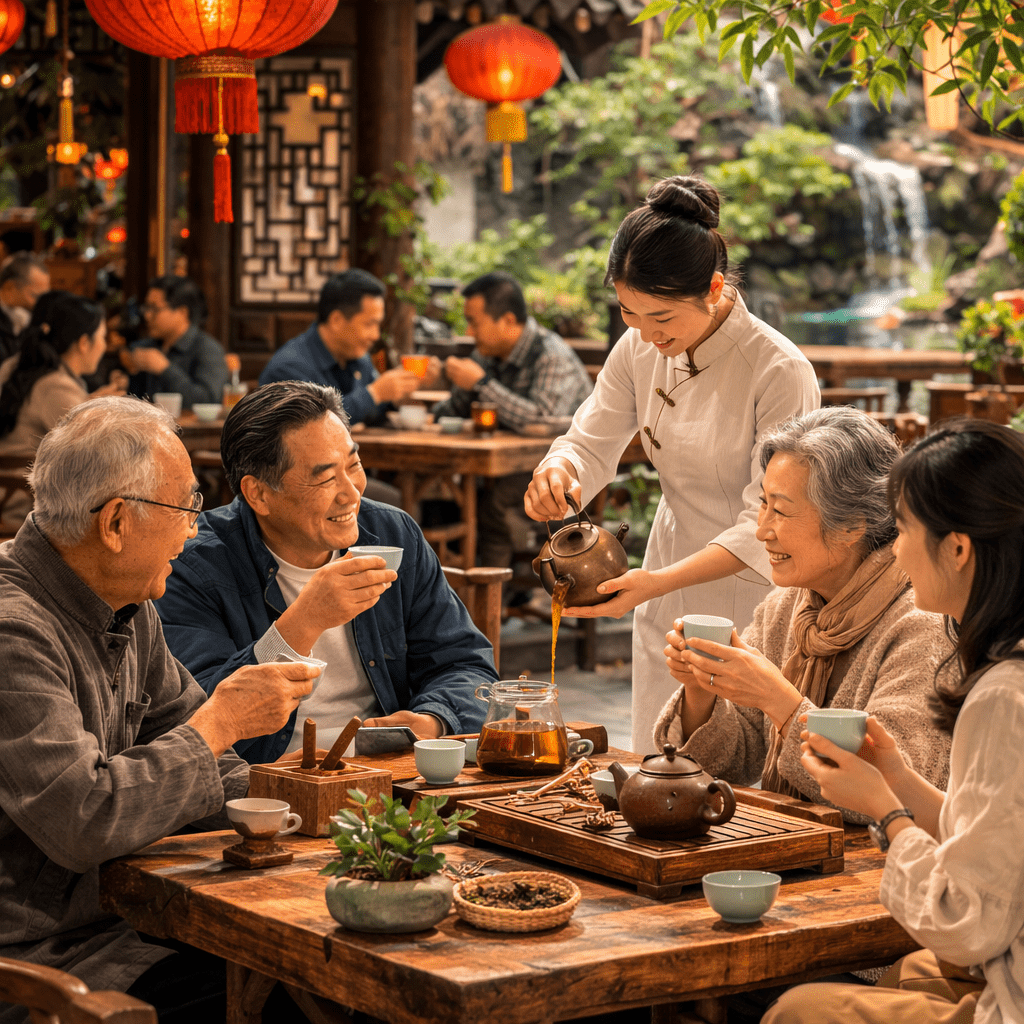
In Chinese tea culture, the preparation and sharing of tea encourages calm conversation and thoughtful reflection.
In Japanese tea ceremonies, the act of preparing tea is considered a form of meditation.
These traditions remind us that tea is not only about the beverage itself, but also about the moment of presence it creates.
Even a simple cup of tea can become a small moment of peace in a busy day.
Final Thoughts
Tea offers a gentle and natural way to support relaxation and emotional balance.
From calming chamomile and lavender to balanced green tea and aromatic oolong, many teas provide soothing qualities that can help reduce stress and anxiety.
While tea is not a replacement for medical treatment, it can be a comforting daily habit that supports both mental and physical well-being.
Sometimes the most powerful forms of relaxation come from the simplest rituals.
A quiet moment, a warm cup of tea, and a few slow breaths may be enough to bring the mind back to calm.
Continue the Journey
History of Chinese Tea: The 4,000-Year Story of Tea in China
Tea is one of the oldest and most influential beverages in human...
Tea Drinking Etiquette: A Guide to Proper Tea Manners in Chinese Tea Culture
Tea drinking in Chinese culture is not only about taste. It is...
Tea and Zen Philosophy: How Tea Reflects Simplicity, Mindfulness, and Inner Peace
For centuries, tea and Zen philosophy have shared a deep connection. Both...