Best Tea for Beginners: How to Start Drinking Chinese Tea
For many people who are curious about tea, the world of Chinese tea can feel both exciting and overwhelming. There are many different types of tea, each with its own flavors, traditions, and brewing methods. Beginners often wonder where to start.
Chinese tea culture has developed over thousands of years, producing a wide variety of teas with unique characteristics. From the fresh taste of green tea to the deep richness of pu-erh, each type of tea offers a different experience.
The good news is that starting to drink Chinese tea does not require deep expertise or complicated tools. With a few simple guidelines, beginners can quickly discover which teas they enjoy and begin exploring the world of tea more confidently.
In this guide, we will explore the best types of Chinese tea for beginners, what flavors to expect, how to choose good tea, and how to begin building a simple tea routine.
By understanding a few basic principles, anyone can begin enjoying Chinese tea in a relaxed and rewarding way.
Why Chinese Tea Is Worth Exploring
Chinese tea is not simply a drink. It represents a tradition that combines agriculture, craftsmanship, and culture.
Each tea reflects the environment where it is grown. Factors such as climate, soil, altitude, and processing methods all influence the final taste of the tea.
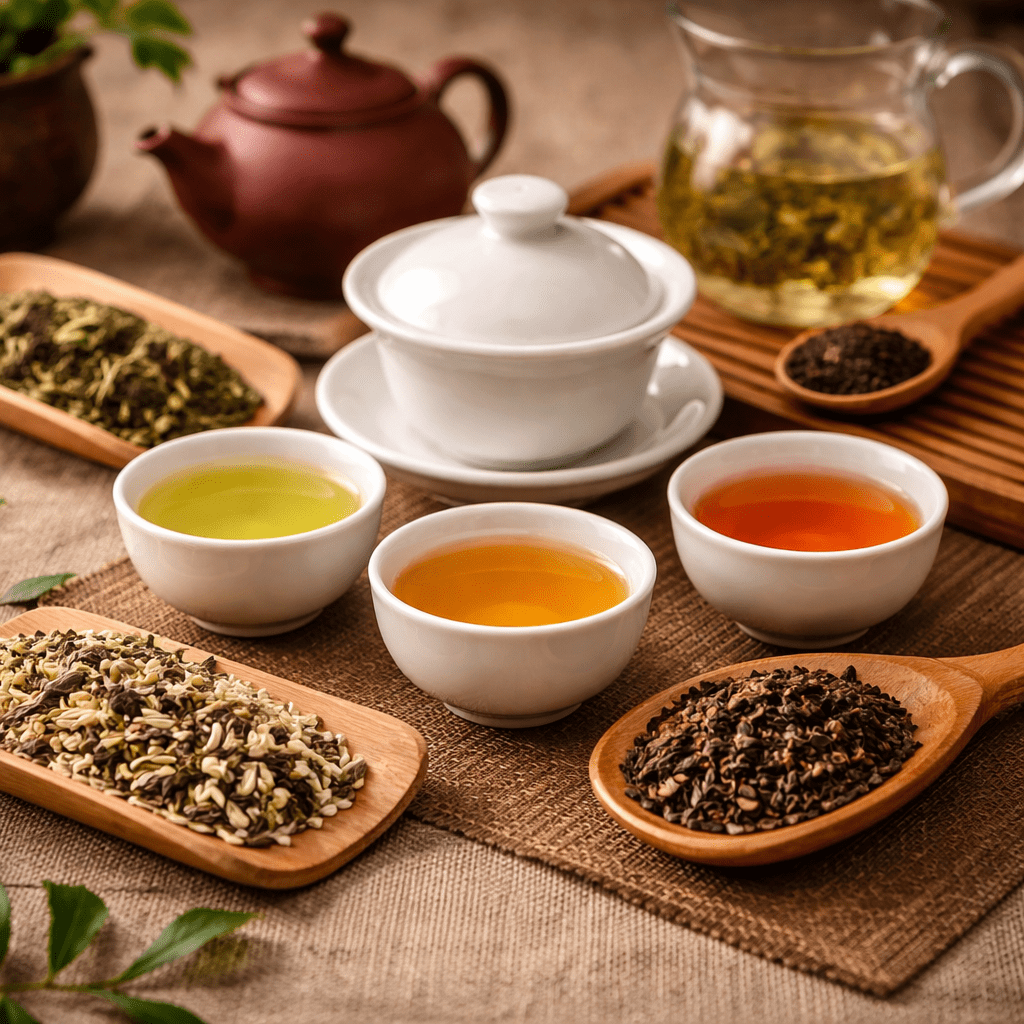
Because of this, tea offers a wide range of flavors that can suit many different preferences.
Some teas are light and refreshing. Others are rich and complex. Some have floral aromas, while others taste earthy or roasted.
For beginners, this diversity makes tea exploration enjoyable. Trying different teas can gradually help you discover what flavors you prefer.
Unlike coffee, which often focuses on strong stimulation, tea tends to provide a more balanced and gentle experience.
The Six Major Types of Chinese Tea
All traditional teas come from the same plant, Camellia sinensis. The differences between teas are mainly created by the way the leaves are processed.
Chinese tea is commonly divided into six major categories.
Green tea
White tea
Yellow tea
Oolong tea
Black tea
Dark tea (such as pu-erh)
For beginners, it is not necessary to explore every category immediately. Starting with a few approachable teas can make the learning process much easier.
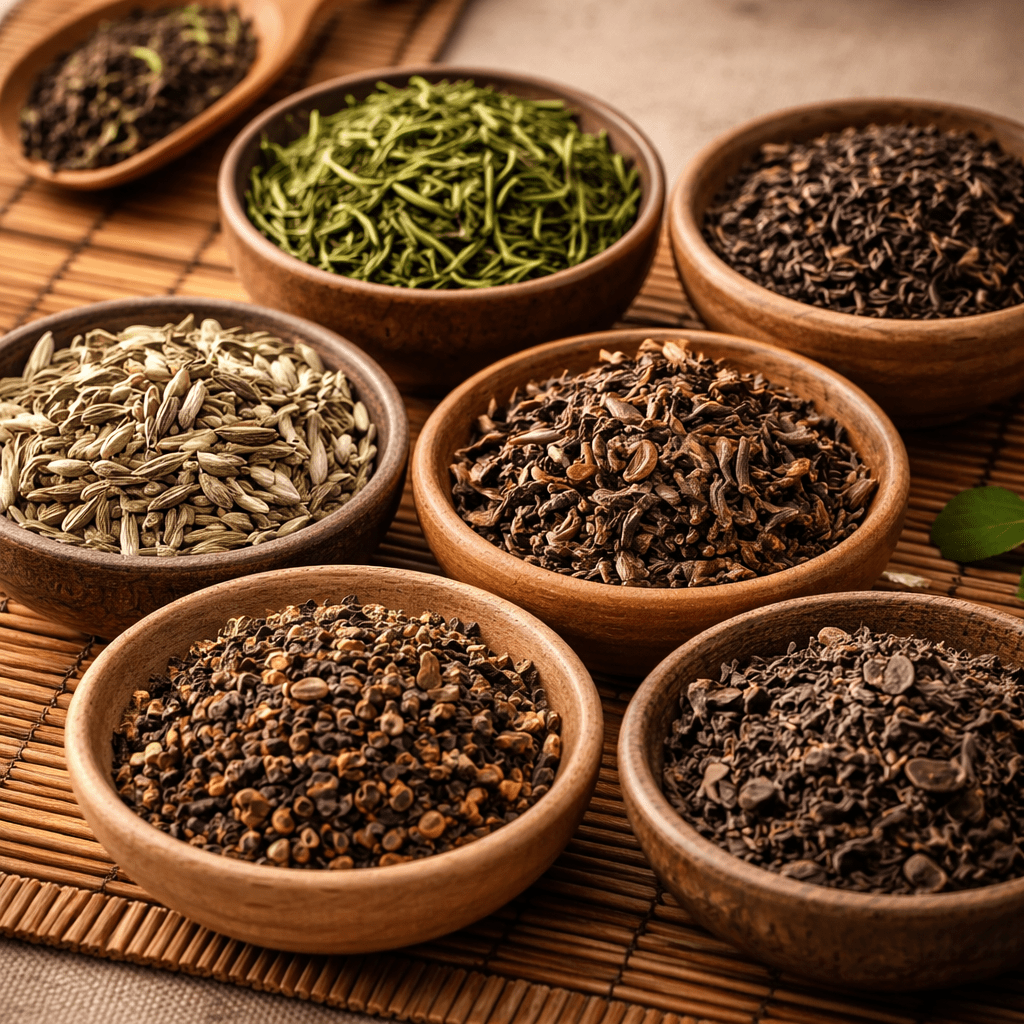
The Best Chinese Teas for Beginners
Some teas are naturally easier for beginners because they have smooth flavors and are forgiving when brewed.
Below are several teas that many people find enjoyable when first exploring Chinese tea.
Green Tea
Green tea is one of the most accessible types of tea.
It is lightly processed, which helps preserve its natural freshness.
Many green teas have flavors that are described as:
fresh
vegetal
lightly sweet
Popular beginner-friendly green teas include:
Longjing (Dragon Well)
Biluochun
Huangshan Maofeng
These teas are refreshing and often easy to drink throughout the day.
Green tea is also widely associated with health and wellness, which is one reason it has become popular around the world.
White Tea
White tea is one of the most delicate types of Chinese tea.
It undergoes minimal processing, which helps preserve the natural sweetness of the tea leaves.
The flavor of white tea is often described as:
soft
smooth
lightly floral
Popular examples include:
Silver Needle (Bai Hao Yin Zhen)
White Peony (Bai Mudan)
Because of its gentle flavor, white tea can be very enjoyable for beginners who prefer lighter drinks.
Oolong Tea
Oolong tea occupies a wide range between green tea and black tea.
Some oolong teas are light and floral, while others are roasted and rich.
Many tea enthusiasts recommend oolong tea for beginners because it offers complex aromas while remaining smooth and balanced.
Famous oolong teas include:
Tieguanyin
Da Hong Pao
Phoenix Dan Cong
These teas often perform well in gongfu brewing, where multiple infusions reveal evolving flavors.
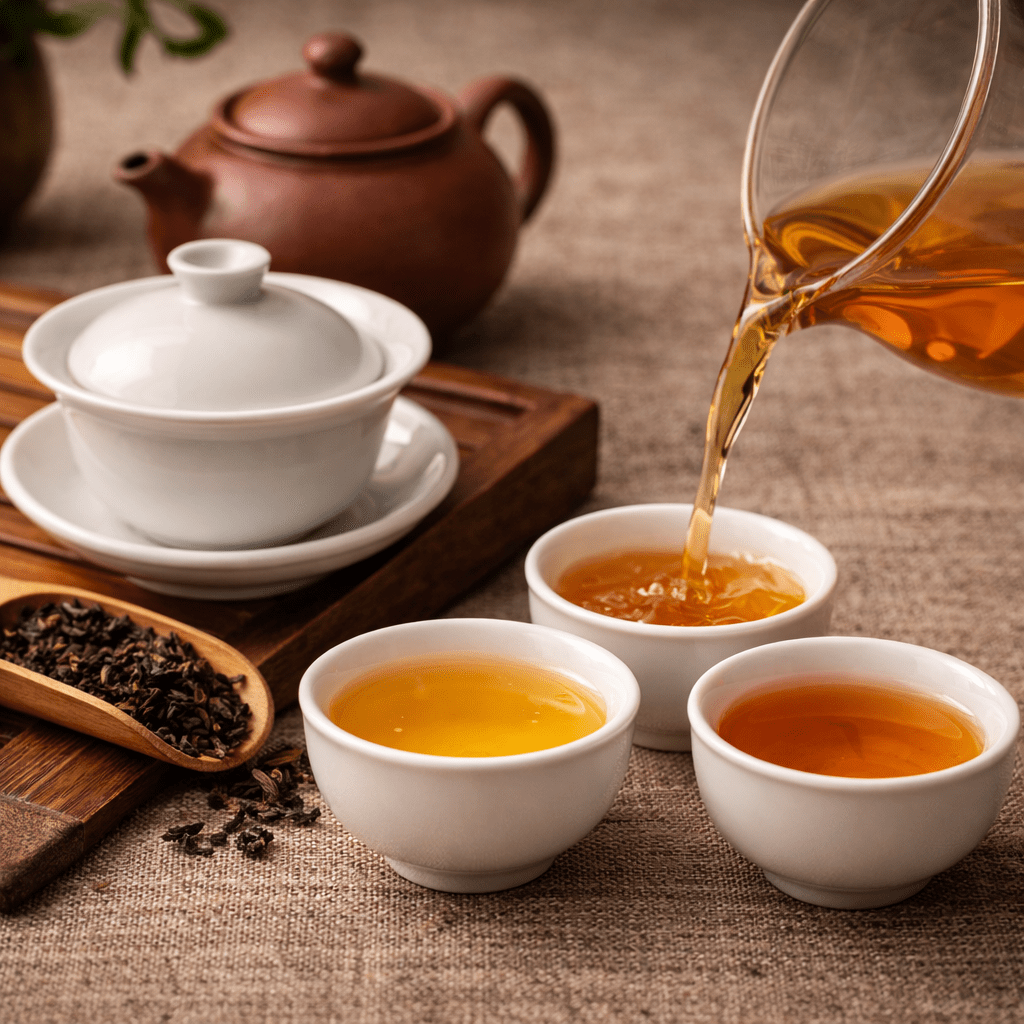
Black Tea
Black tea is fully oxidized, which gives it a stronger flavor than many other teas.
The taste of black tea is often described as:
rich
malty
smooth
Chinese black teas such as Keemun or Dian Hong are often less bitter than some Western black teas.
Because black tea is relatively easy to brew, it is a comfortable starting point for beginners who enjoy fuller flavors.
Pu-erh Tea
Pu-erh tea is unique because it undergoes fermentation and aging.
Some pu-erh teas have earthy and deep flavors that may feel unusual at first.
However, ripe pu-erh is often recommended for beginners because of its smooth and mellow character.
Over time, many tea drinkers grow to appreciate the complex nature of pu-erh tea.
How to Choose Good Tea as a Beginner
When starting your tea journey, quality matters more than quantity.
Rather than buying many teas at once, it is often better to choose a few good teas and explore them slowly.
Look for loose leaf tea rather than tea bags. Loose leaves usually provide better flavor and allow the leaves to expand during brewing.
Freshness is also important. Tea that has been stored properly will maintain its aroma and taste.
Buying from a reputable tea shop or trusted online seller can make a big difference in quality.
Basic Brewing Tips for Beginners
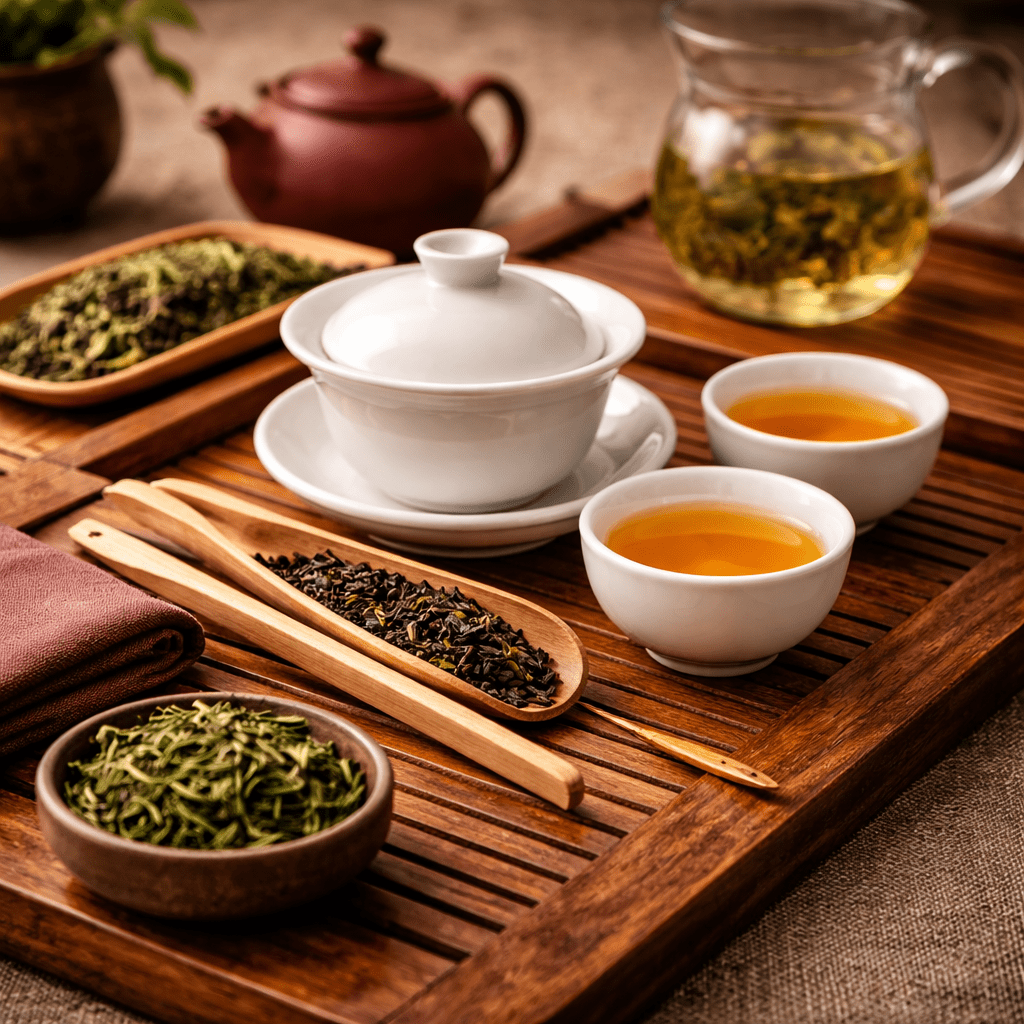
You do not need complicated tools to begin brewing Chinese tea.
A simple setup might include:
a gaiwan or teapot
two or three small cups
loose leaf tea
Water temperature should be adjusted depending on the type of tea.
Green tea generally uses cooler water, while black tea and pu-erh can handle hotter water.
Starting with simple brewing methods allows beginners to focus on the taste of the tea rather than complicated techniques.
Developing Your Tea Taste
Just like food or coffee, tea appreciation develops gradually.
The first few cups may simply taste pleasant. Over time, however, many people begin to notice more subtle flavors.
You may start to recognize differences between teas grown in different regions or processed in different ways.
Trying a variety of teas and paying attention to their aroma, texture, and aftertaste can deepen your understanding of tea.
The process is not about finding the “best” tea but about discovering what you personally enjoy.
Creating a Simple Tea Routine
One of the most rewarding aspects of tea is its ability to create small moments of calm.
Many tea drinkers develop a daily tea routine.
This might involve preparing tea in the morning, taking a quiet tea break in the afternoon, or sharing tea with friends.
The act of brewing tea slowly encourages mindfulness and helps create a peaceful pause during a busy day.
Over time, this simple ritual can become one of the most enjoyable parts of daily life.
Final Thoughts
Starting a journey into Chinese tea does not require expert knowledge or expensive equipment.
All that is needed is curiosity and a willingness to explore new flavors.
By beginning with approachable teas such as green tea, white tea, or oolong tea, beginners can gradually develop a deeper appreciation for the world of tea.
With each cup, tea reveals subtle aromas, evolving flavors, and a connection to centuries of tradition.
In this way, even a simple cup of tea can become the beginning of a lifelong exploration.
Continue the Journey
History of Chinese Tea: The 4,000-Year Story of Tea in China
Tea is one of the oldest and most influential beverages in human...
Tea Drinking Etiquette: A Guide to Proper Tea Manners in Chinese Tea Culture
Tea drinking in Chinese culture is not only about taste. It is...
Tea and Zen Philosophy: How Tea Reflects Simplicity, Mindfulness, and Inner Peace
For centuries, tea and Zen philosophy have shared a deep connection. Both...