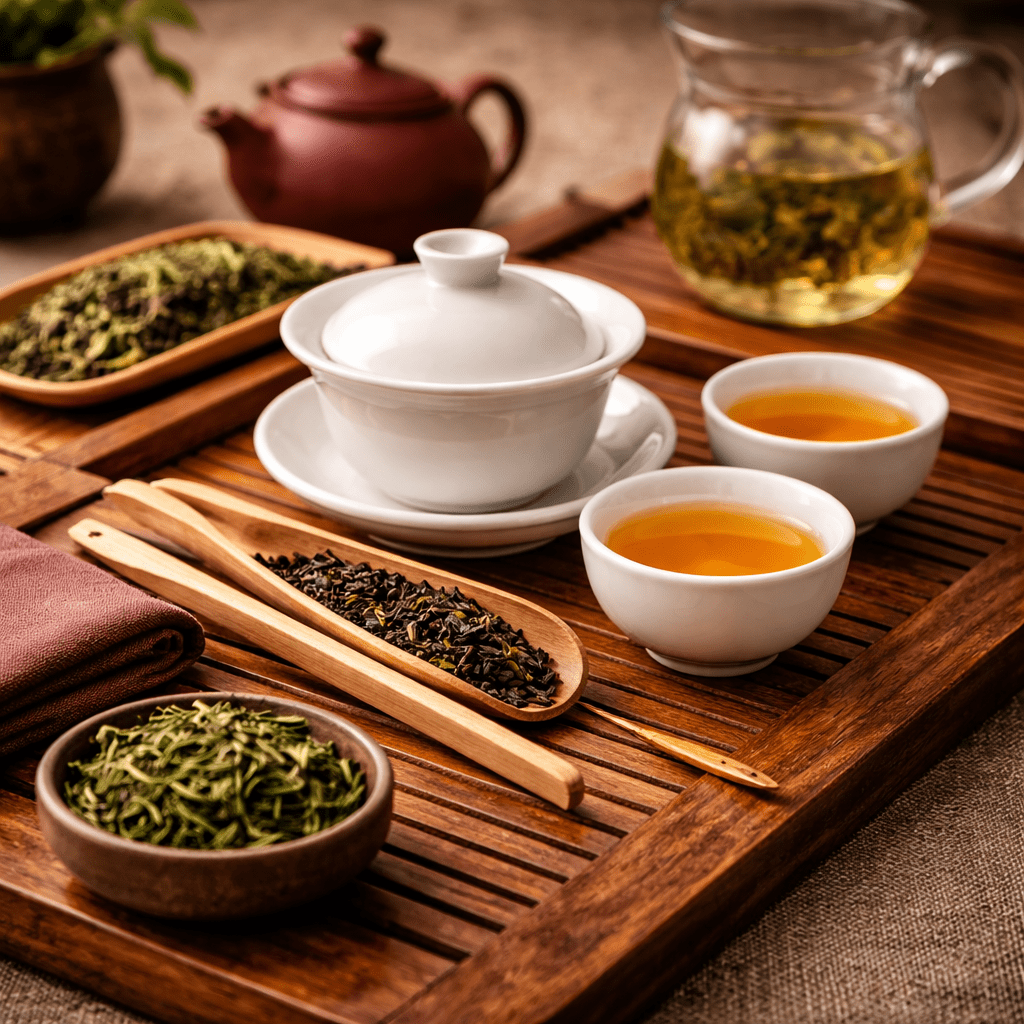
Best Tea for Detox: 7 Teas That Help Cleanse the Body Naturally
The word “detox” has become increasingly popular in the world of health and wellness. Many people today are interested in natural ways to support the body’s ability to eliminate waste and maintain balance.
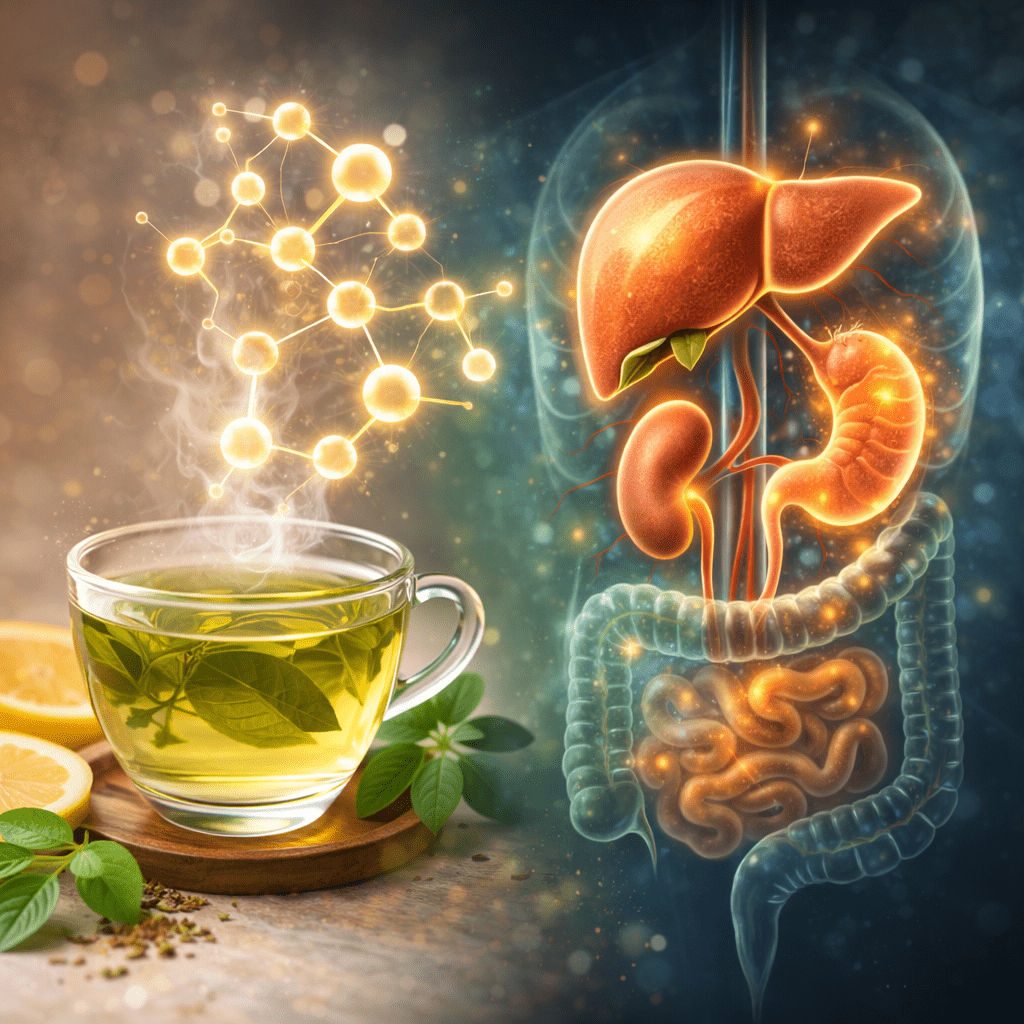
While the body already has its own powerful detoxification systems—primarily the liver, kidneys, and digestive system—certain foods and beverages may help support these natural processes.
Tea has long been one of the most widely used beverages associated with cleansing and wellness. Across different cultures, people have traditionally consumed tea to aid digestion, promote circulation, and support overall vitality.
Modern research has also begun to explore how the plant compounds found in tea may support the body’s natural detox pathways.
In this guide, we will explore:
- what detox really means in terms of health
- how tea supports the body’s natural detox systems
- the best types of tea associated with cleansing
- when to drink detox teas
- how to incorporate tea into a balanced wellness routine
By the end of this guide, you will understand how tea can become a simple and natural part of a healthy lifestyle.
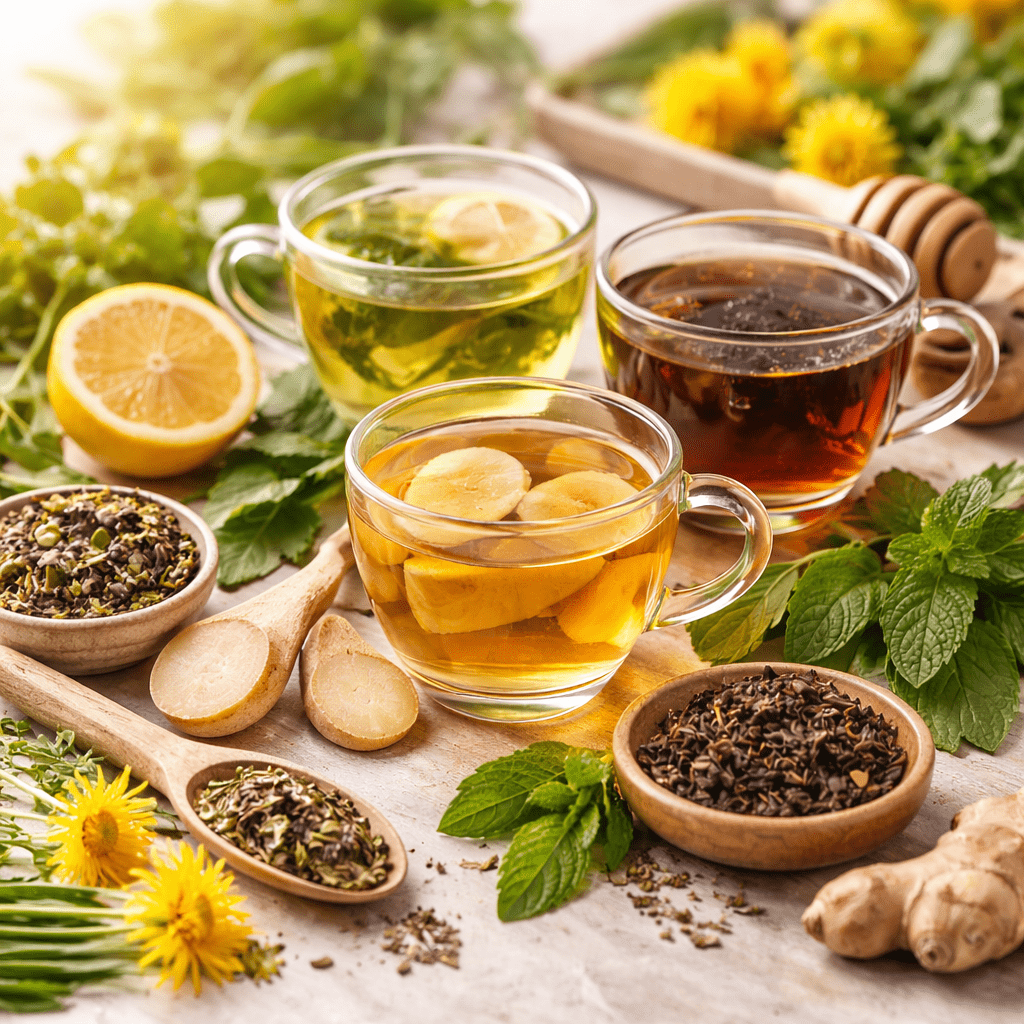
What Does Detox Actually Mean?
In scientific terms, detoxification refers to the process by which the body removes harmful substances.
The body performs detoxification mainly through:
- the liver
- the kidneys
- the digestive system
- the lymphatic system
The liver plays a central role by converting harmful compounds into substances that can be safely eliminated through urine or digestion.
The kidneys filter the blood and remove waste products through urine.
The digestive system helps eliminate waste through bowel movements.
Rather than relying on extreme cleansing diets, most health experts agree that supporting these natural systems through healthy habits is the most sustainable approach.
Tea may support detoxification indirectly by helping:
- maintain hydration
- provide antioxidants
- support digestion
- reduce oxidative stress
Why Tea Is Often Associated With Detox
Tea contains a wide range of plant compounds that may support the body’s natural balance.
These include:
- polyphenols
- flavonoids
- catechins
These compounds function as antioxidants that help protect cells from oxidative stress.
Oxidative stress can occur when the body accumulates too many free radicals, which may damage cells over time.
By supporting the body’s natural antioxidant systems, tea may contribute to overall health and metabolic balance.
In addition, many teas support hydration, which is essential for proper detoxification because the kidneys rely on adequate fluid intake to remove waste from the body.
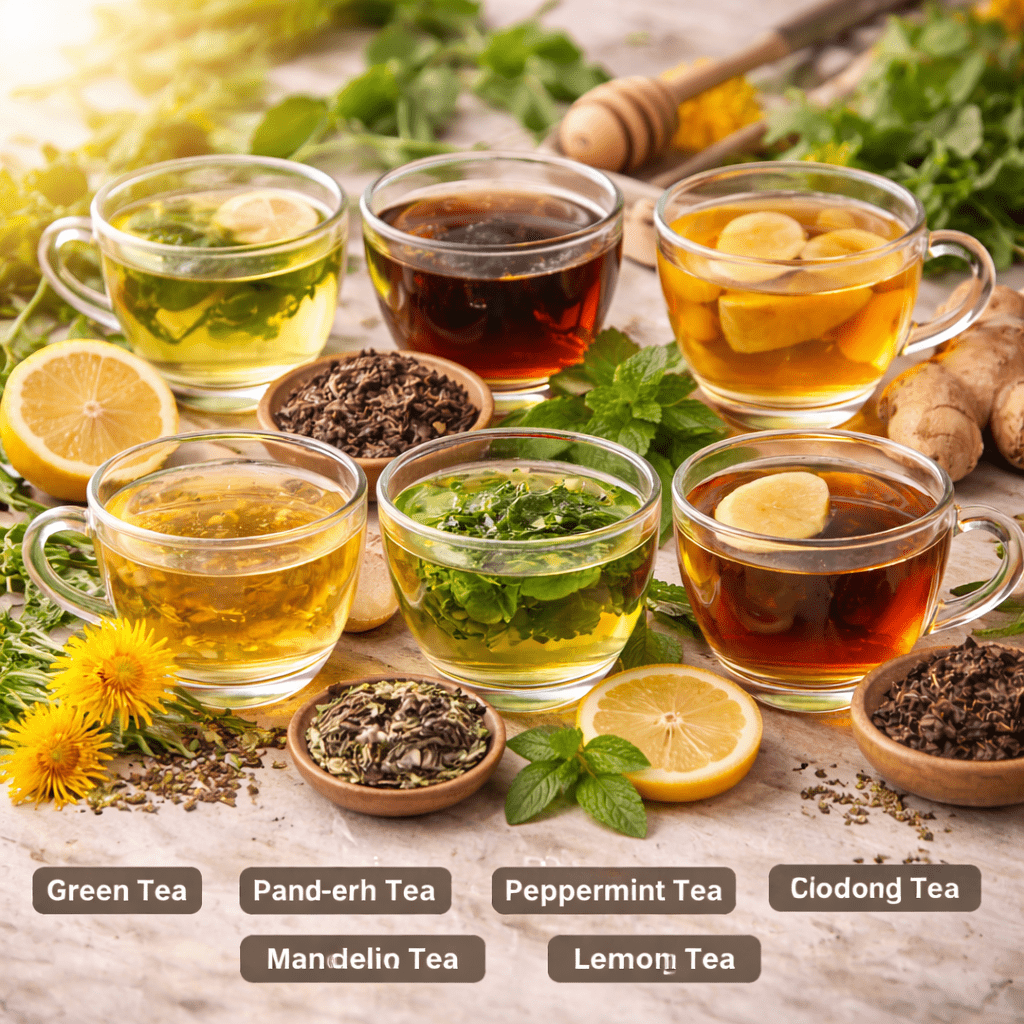
7 Teas That May Support Natural Detox
Many different types of tea are associated with cleansing and digestive support.
Below are several teas that are often included in detox routines.
1. Green Tea
Green tea is one of the most widely studied teas in the world.
It is rich in catechins, particularly EGCG (epigallocatechin gallate), a powerful antioxidant.
Research suggests that green tea may support:
- metabolic health
- antioxidant defense
- liver function
Green tea is light, refreshing, and easy to incorporate into a daily routine.
2. Pu-erh Tea
Pu-erh tea is a fermented tea traditionally produced in Yunnan, China.
Its fermentation process produces unique microbial compounds that may influence digestion and metabolism.
Pu-erh tea is commonly consumed after heavy meals because many people believe it helps reduce feelings of fullness and supports digestion.
Its earthy flavor and smooth texture make it a favorite among tea enthusiasts.
3. Ginger Tea
Ginger tea is widely known for its digestive benefits.
Ginger contains bioactive compounds that may support:
- digestion
- circulation
- stomach comfort
For this reason, ginger tea is often used when people experience digestive discomfort or nausea.
4. Dandelion Tea
Dandelion root tea is often associated with liver support.
Traditional herbal practices have long used dandelion root to stimulate digestion and support bile production.
Although more research is needed, dandelion tea is commonly included in detox programs.
5. Peppermint Tea
Peppermint tea is well known for its refreshing flavor and digestive support.
Peppermint contains menthol, which may help relax the muscles of the digestive tract and reduce feelings of bloating.
Because peppermint tea is caffeine-free, it can be consumed throughout the day.
6. Lemon Tea
Lemon tea combines tea with citrus, which contains vitamin C and antioxidants.
Many people enjoy lemon tea in the morning because it feels refreshing and helps stimulate digestion.
7. Oolong Tea
Oolong tea contains a diverse range of polyphenols and is often associated with metabolic balance.
Some studies suggest that oolong tea may support fat metabolism and energy expenditure.
Its rich aroma and smooth flavor also make it a satisfying beverage throughout the day.
When Is the Best Time to Drink Detox Tea?
Different teas may be suitable at different times of day.
Morning
Green tea or lemon tea can provide gentle energy and hydration.
After meals
Pu-erh tea or oolong tea may support digestion.
Evening
Caffeine-free herbal teas such as peppermint or dandelion tea can be relaxing.
Consistency is more important than occasional detox routines.
Drinking tea regularly as part of a balanced diet is likely to provide the most benefit.

Healthy Habits That Support Natural Detox
Tea works best when combined with other healthy lifestyle habits.
Important habits include:
- drinking enough water
- eating a balanced diet
- consuming fiber-rich foods
- exercising regularly
- getting adequate sleep
Rather than relying on extreme detox plans, building sustainable habits is the most effective way to support long-term health.
Final Thoughts
Tea has been enjoyed for centuries as a natural beverage associated with health and vitality.
While the body already has powerful detox systems, certain teas may help support these processes through hydration, antioxidant intake, and digestive balance.
Green tea, pu-erh tea, ginger tea, peppermint tea, and other herbal infusions are commonly included in detox routines because they are gentle, natural, and easy to incorporate into daily life.
The true benefit of tea lies not only in its chemical compounds but also in the calming ritual of preparing and drinking it.
A simple cup of tea can become a moment of mindfulness that supports both physical health and mental well-being.
Continue the Journey

History of Chinese Tea: The 4,000-Year Story of Tea in China
Tea is one of the oldest and most influential beverages in human...
Tea Drinking Etiquette: A Guide to Proper Tea Manners in Chinese Tea Culture
Tea drinking in Chinese culture is not only about taste. It is...
Tea and Zen Philosophy: How Tea Reflects Simplicity, Mindfulness, and Inner Peace
For centuries, tea and Zen philosophy have shared a deep connection. Both...