Best Tea for Digestion: 8 Teas That Support Gut Health
Best Tea for Digestion: 8 Teas That Support Gut Health
Digestive health plays an essential role in overall well-being. When digestion functions properly, the body absorbs nutrients more efficiently, energy levels remain stable, and discomfort such as bloating or heaviness is reduced.
For centuries, many cultures have turned to tea as a natural way to support digestion. In traditional Chinese culture, it is common to drink tea after meals. In other parts of the world, herbal teas such as peppermint or ginger tea are often recommended to soothe the stomach.
Tea is gentle, hydrating, and rich in plant compounds that may support digestive balance. Certain teas are believed to help relax the digestive system, reduce bloating, and improve overall comfort after eating.
Understanding which teas are most helpful for digestion can help you choose the right tea for different situations.
In this guide, we will explore how tea may support digestive health, the best teas for digestion, and how to incorporate them into a daily routine.
Why Tea Is Often Associated With Digestion
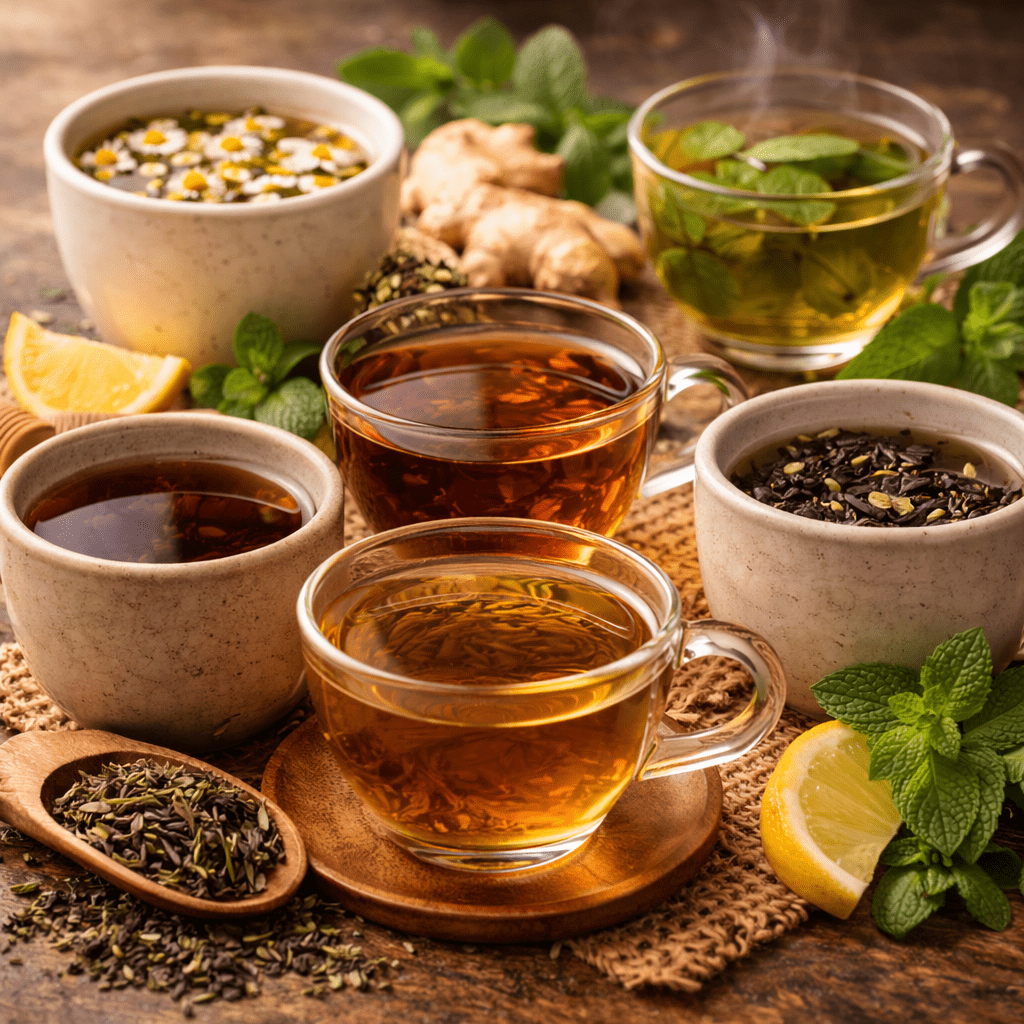
Tea has long been associated with digestive comfort for several reasons.
First, warm liquids can help relax the muscles of the digestive tract. Drinking warm tea after a meal may help the stomach settle and support smoother digestion.
Second, tea contains natural plant compounds such as polyphenols and essential oils. These compounds may support the digestive system by helping reduce inflammation or supporting beneficial gut bacteria.
Third, tea drinking slows the pace of eating. In many cultures, tea is served after meals to encourage relaxation and conversation. This slower rhythm allows the digestive system to function more comfortably.
While tea is not a cure for digestive disorders, many people find that certain teas help reduce common digestive discomforts such as:
bloating
gas
indigestion
stomach heaviness
Because tea is mild and widely available, it has become one of the most common beverages associated with digestive wellness.
Green Tea and Digestive Balance
Green tea is one of the most widely consumed teas in the world and contains high levels of antioxidants known as catechins.
These compounds have been studied for their potential role in supporting metabolism and gut health.
Green tea may help stimulate digestive activity gently, making it a popular beverage after meals.
Compared with stronger beverages such as coffee, green tea tends to be milder and easier on the stomach.
Many people find that drinking green tea after eating helps them feel lighter and less sluggish.
However, because green tea contains caffeine, individuals who are sensitive to caffeine may prefer to drink it earlier in the day rather than late at night.
Oolong Tea and Fat Digestion
Oolong tea occupies a middle position between green tea and black tea in terms of oxidation.
It is known for its complex aroma and smooth taste, but it is also commonly associated with digestive support.
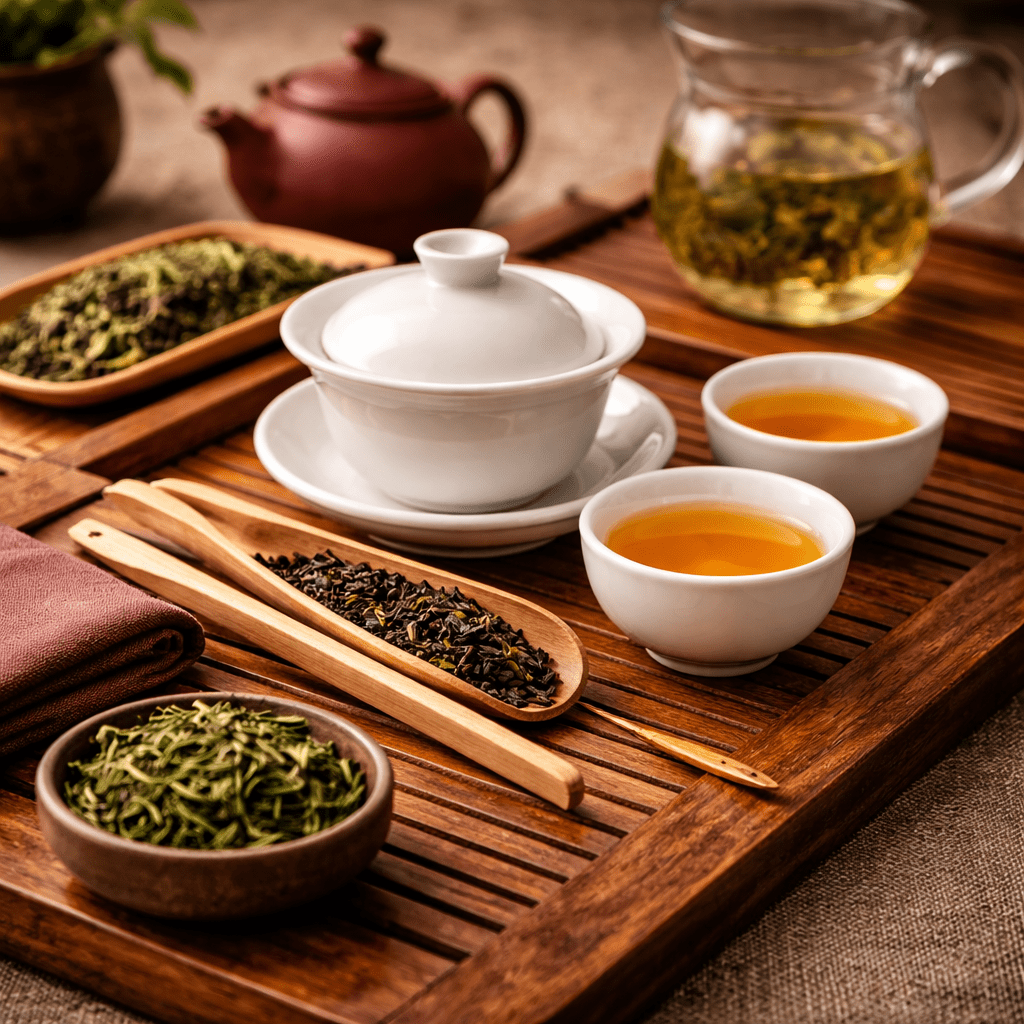
In traditional Chinese tea culture, oolong tea is often served after heavier meals.
Some studies suggest that compounds in oolong tea may help support fat metabolism and digestive activity.
For this reason, oolong tea is frequently consumed after meals that contain rich or oily foods.
Drinking oolong tea slowly after a meal may help reduce the feeling of heaviness that sometimes follows large meals.
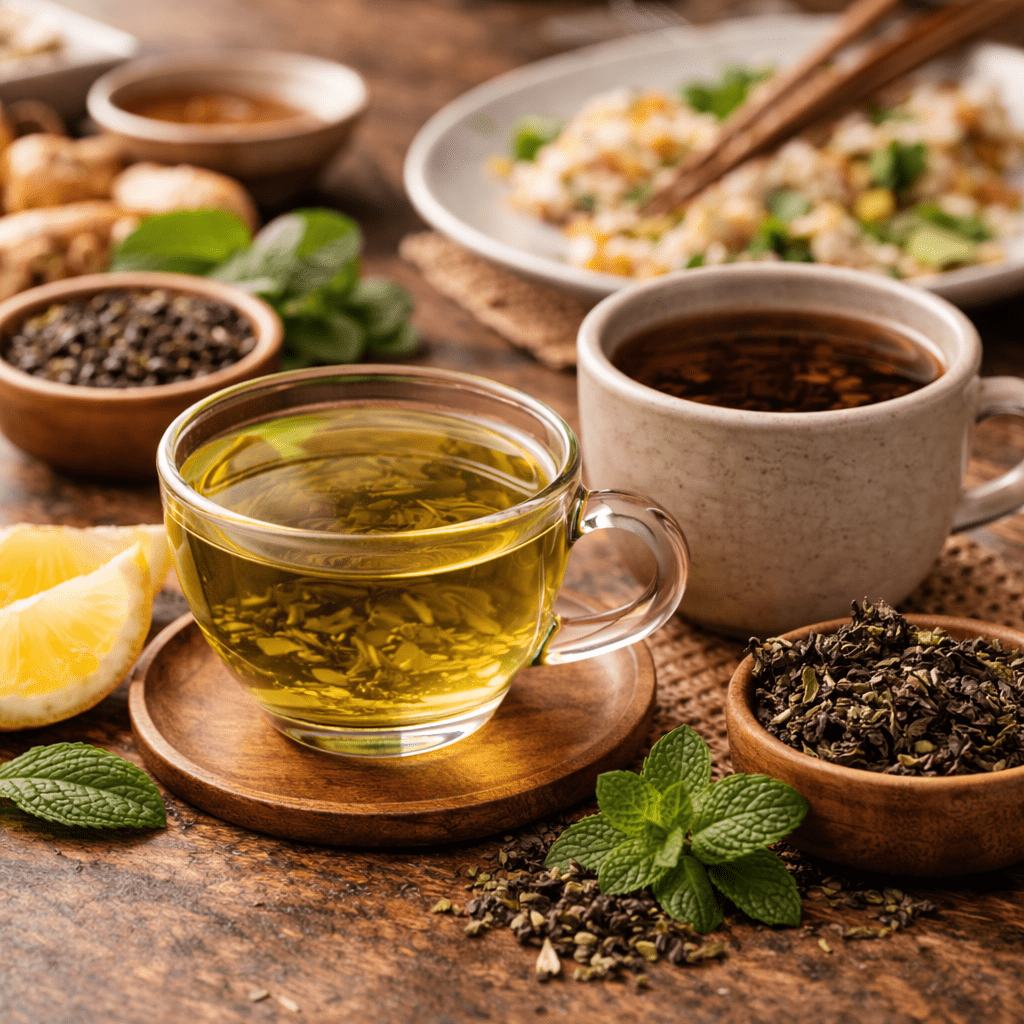
Pu-erh Tea and Traditional Digestive Practices
Pu-erh tea has a long history in Chinese tea culture and is often associated with digestion.
Unlike other teas, pu-erh undergoes a fermentation process that gives it a deeper flavor and unique microbial profile.
In traditional tea culture, pu-erh tea is commonly served after large meals, particularly meals that contain fatty foods.
Some tea drinkers believe that pu-erh tea helps balance digestion and reduce the feeling of fullness after eating.
While scientific research is still developing in this area, many people report that pu-erh tea feels particularly comforting after heavy meals.
Ginger Tea
Ginger has been used for thousands of years in many traditional medicine systems.
Ginger tea is made by steeping fresh ginger slices or dried ginger root in hot water.
Ginger contains natural compounds such as gingerol that may support digestion and reduce nausea.
Because of its warming nature, ginger tea is often consumed when the stomach feels unsettled.
Many people find ginger tea especially helpful after large meals or during times of digestive discomfort.
Peppermint Tea
Peppermint tea is another popular choice for digestive comfort.
Peppermint contains menthol, a compound that may help relax the muscles of the digestive tract.
Because of this relaxing effect, peppermint tea is often used to reduce symptoms such as bloating and stomach cramps.
Peppermint tea has a refreshing flavor and is naturally caffeine-free, making it suitable for drinking in the evening.
Many people drink peppermint tea after dinner to support digestive comfort before bedtime.
Chamomile Tea
Chamomile tea is best known for its calming properties, but it may also support digestion.
Chamomile contains plant compounds that may help reduce inflammation and relax digestive muscles.
Because of its gentle nature, chamomile tea is often recommended when the stomach feels irritated or sensitive.
Chamomile tea is also caffeine-free, making it a good option for evening relaxation.
Drinking chamomile tea after dinner may help the body relax while also supporting digestive comfort.
Fennel Tea
Fennel seeds have been used for centuries to support digestion.
In many cultures, fennel seeds are chewed after meals to reduce bloating and improve digestion.
Fennel tea is made by steeping fennel seeds in hot water.
It has a mild, slightly sweet flavor similar to licorice.
Fennel tea is often associated with reducing gas and promoting digestive comfort after meals.
Lemon Balm Tea
Lemon balm is part of the mint family and has been traditionally used to support both digestion and relaxation.
Lemon balm tea has a light citrus aroma and a gentle calming effect.
Because stress can influence digestive function, lemon balm tea may help support digestion indirectly by promoting relaxation.
Many people enjoy lemon balm tea in the evening as part of a calming routine.
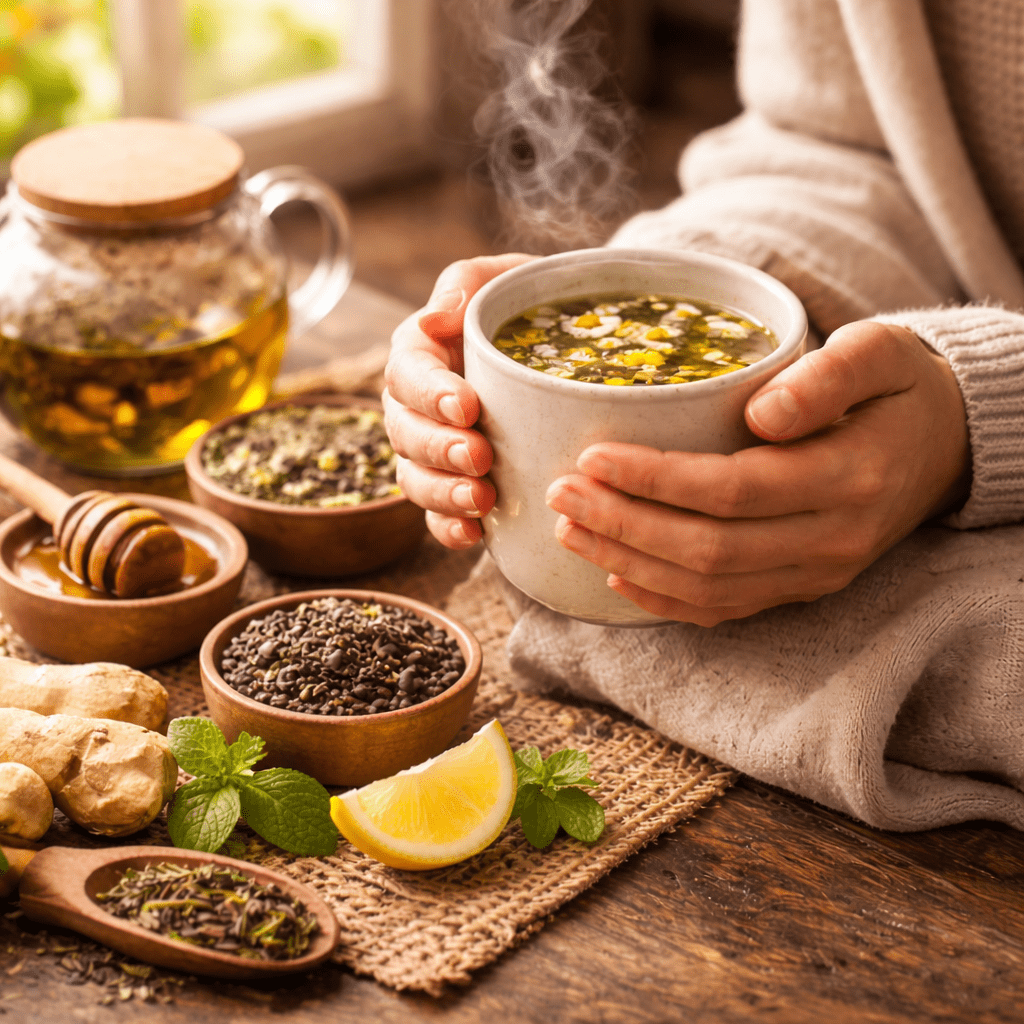
How to Choose the Best Tea for Digestion
Different teas may be helpful depending on the situation.
For example:
after heavy meals
oolong tea or pu-erh tea may feel most comforting
for bloating or gas
peppermint or fennel tea may be helpful
for relaxation and digestion
chamomile or lemon balm tea may work well
for gentle metabolic support
green tea may be a good option
Because every person’s digestive system is different, the best approach is to experiment and see which teas feel most comfortable.
Tips for Drinking Tea for Digestive Health
To support digestion with tea, a few simple habits can help.
Drink tea about 15–30 minutes after meals.
Avoid extremely strong tea immediately after eating.
Use high-quality tea leaves whenever possible.
Drink tea slowly rather than quickly.
Pay attention to how your body responds.
These small adjustments can help tea become a supportive part of a healthy digestive routine.
The Cultural Tradition of Tea After Meals
In many cultures, drinking tea after meals is a long-standing tradition.
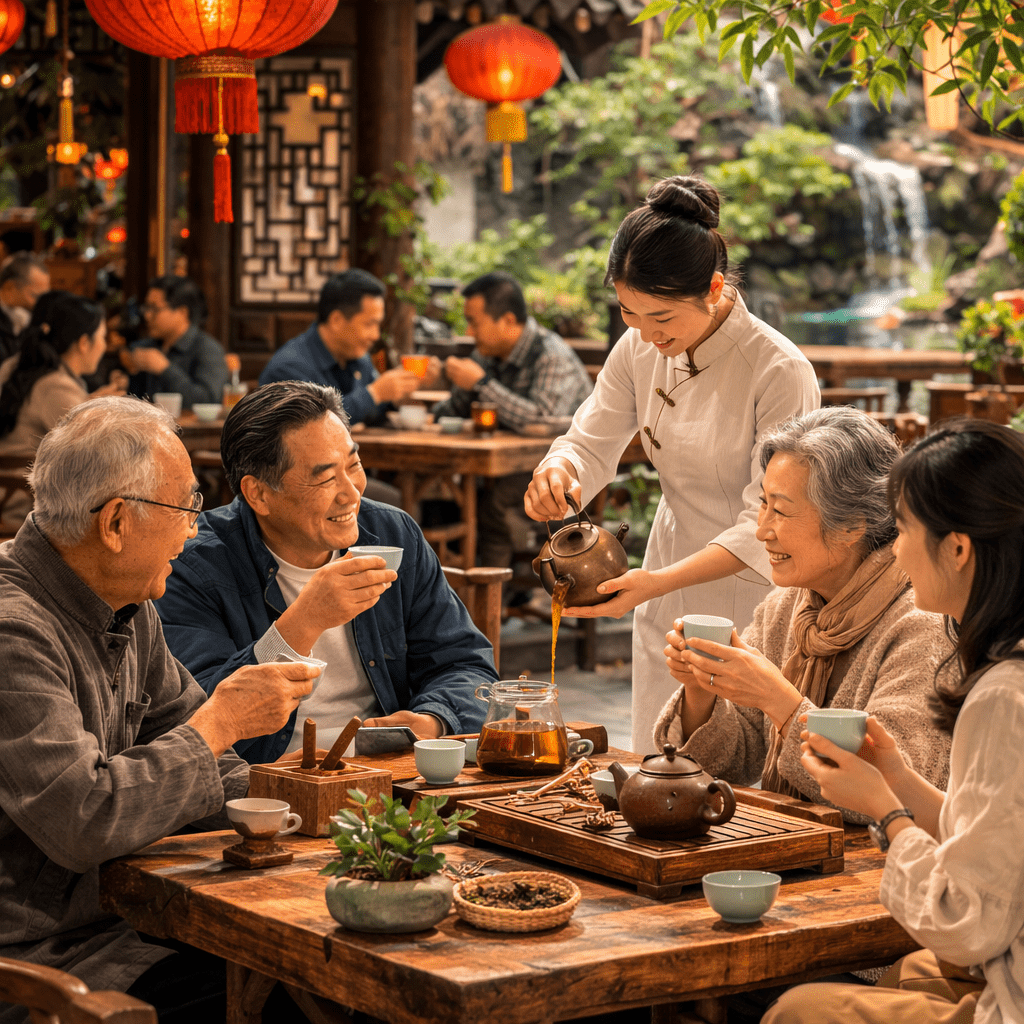
In China, tea is commonly served at restaurants after meals to help guests relax and continue conversation.
In parts of the Middle East and Europe, herbal teas are often served after dinner for digestive comfort.
These traditions reflect a shared understanding that tea can help the body transition from eating to resting.
Rather than rushing away from the table, tea encourages a slower pace that benefits both digestion and social connection.
Final Thoughts
Tea has been associated with digestive comfort for centuries.
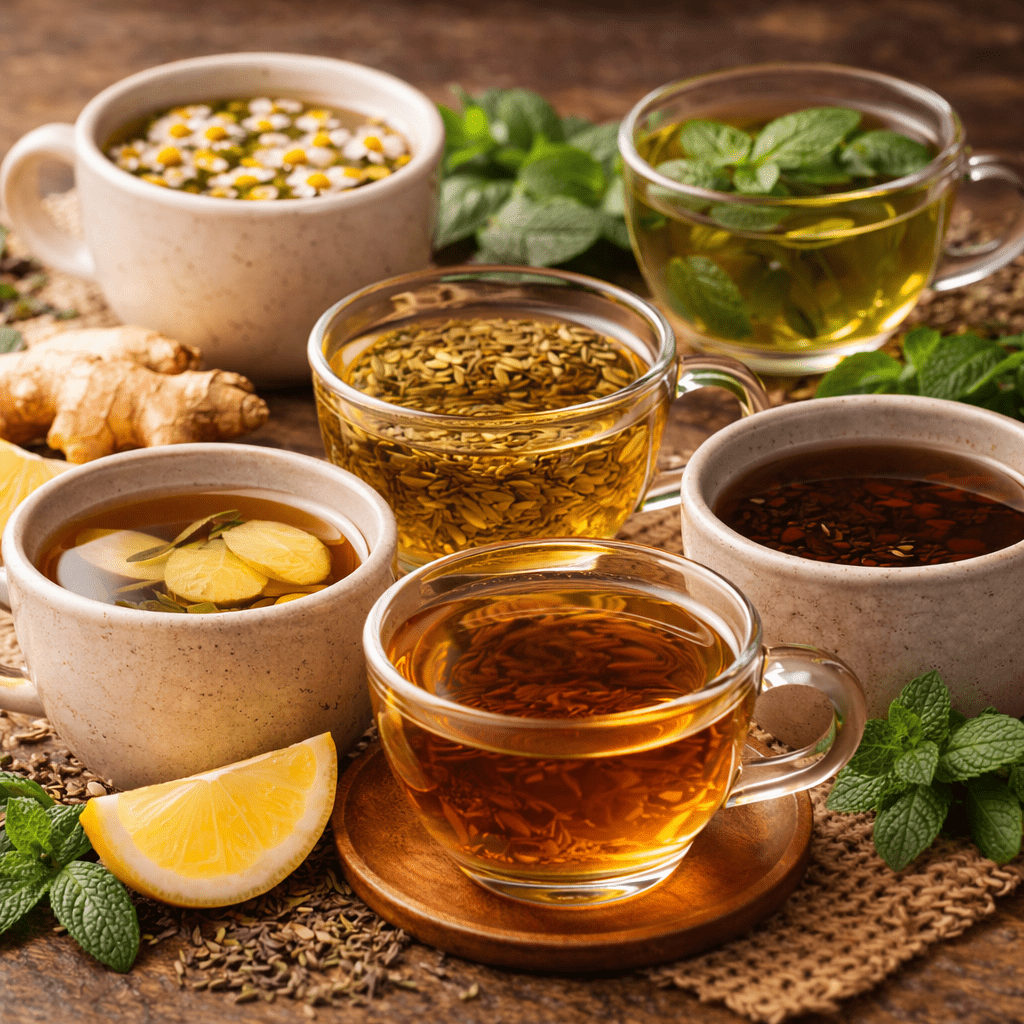
From traditional Chinese teas such as oolong and pu-erh to herbal options like peppermint, chamomile, and ginger, many different teas may support digestive balance.
While tea should not replace medical treatment for serious digestive issues, it can be a gentle and enjoyable way to support everyday digestive wellness.
By choosing the right tea and incorporating it into a daily routine, tea drinking can become a simple habit that promotes both comfort and relaxation.
For many people, a warm cup of tea after a meal is not only soothing for the stomach but also a moment to pause and enjoy the rhythm of daily life.
Continue the Journey

History of Chinese Tea: The 4,000-Year Story of Tea in China
Tea is one of the oldest and most influential beverages in human...

Tea Drinking Etiquette: A Guide to Proper Tea Manners in Chinese Tea Culture
Tea drinking in Chinese culture is not only about taste. It is...

Tea and Zen Philosophy: How Tea Reflects Simplicity, Mindfulness, and Inner Peace
For centuries, tea and Zen philosophy have shared a deep connection. Both...