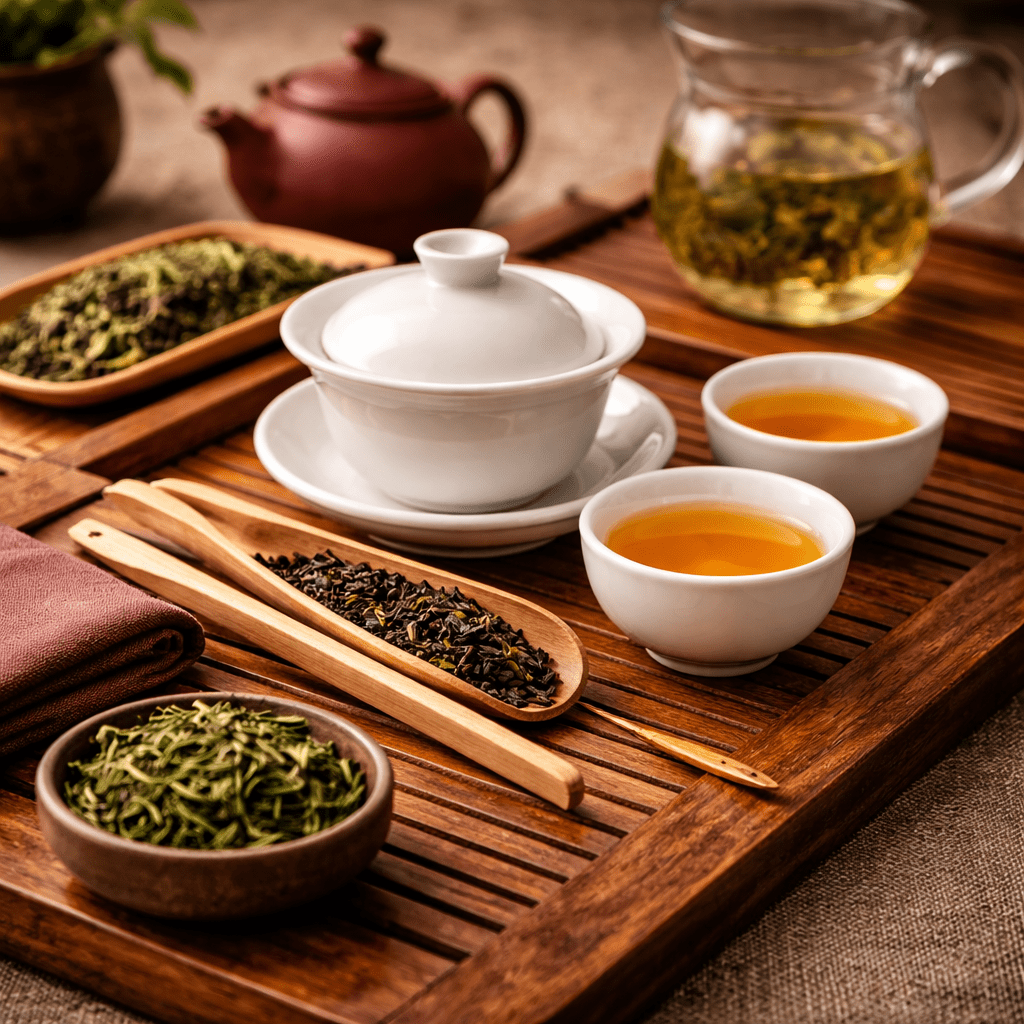
Best Tea for Relaxation and Stress Relief: A Guide to Calming Teas
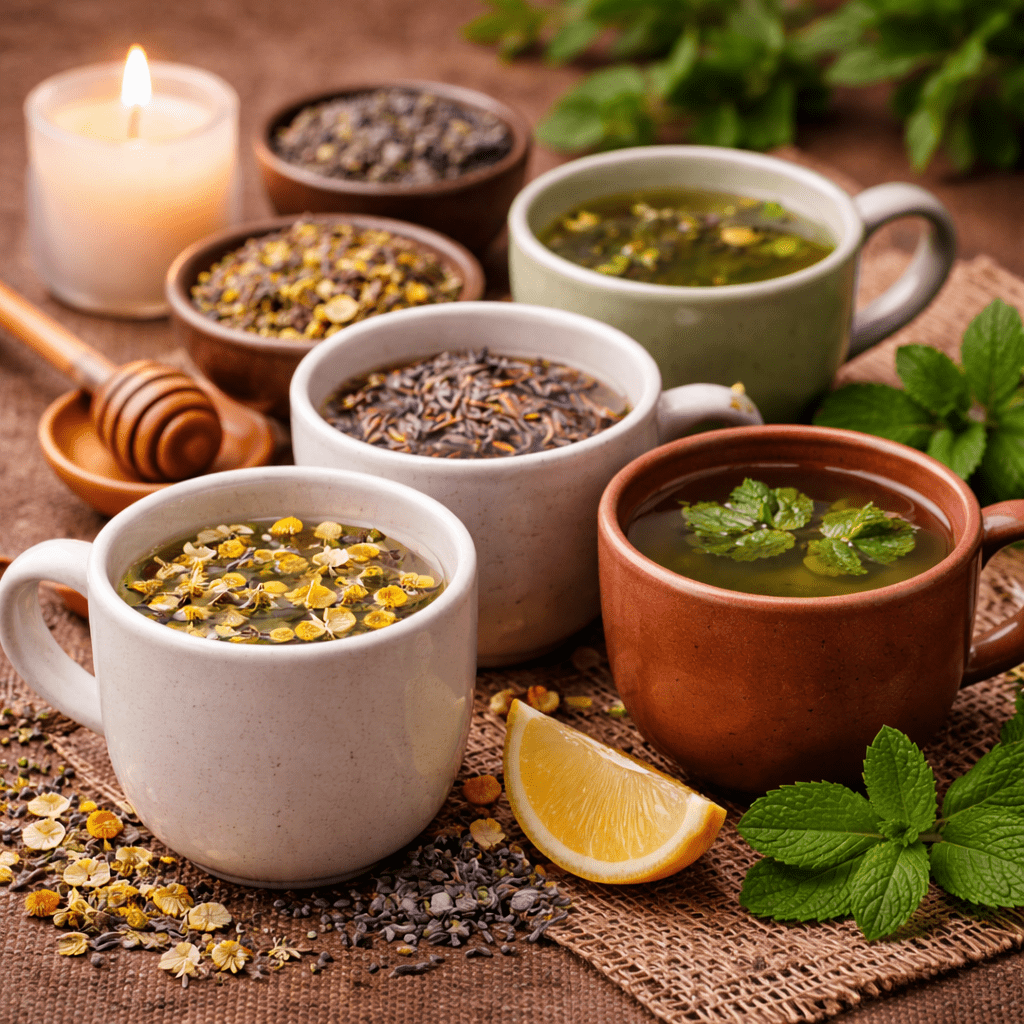
In today’s fast-paced world, many people search for simple ways to relax and reduce stress. A warm cup of tea has long been associated with calmness and comfort.
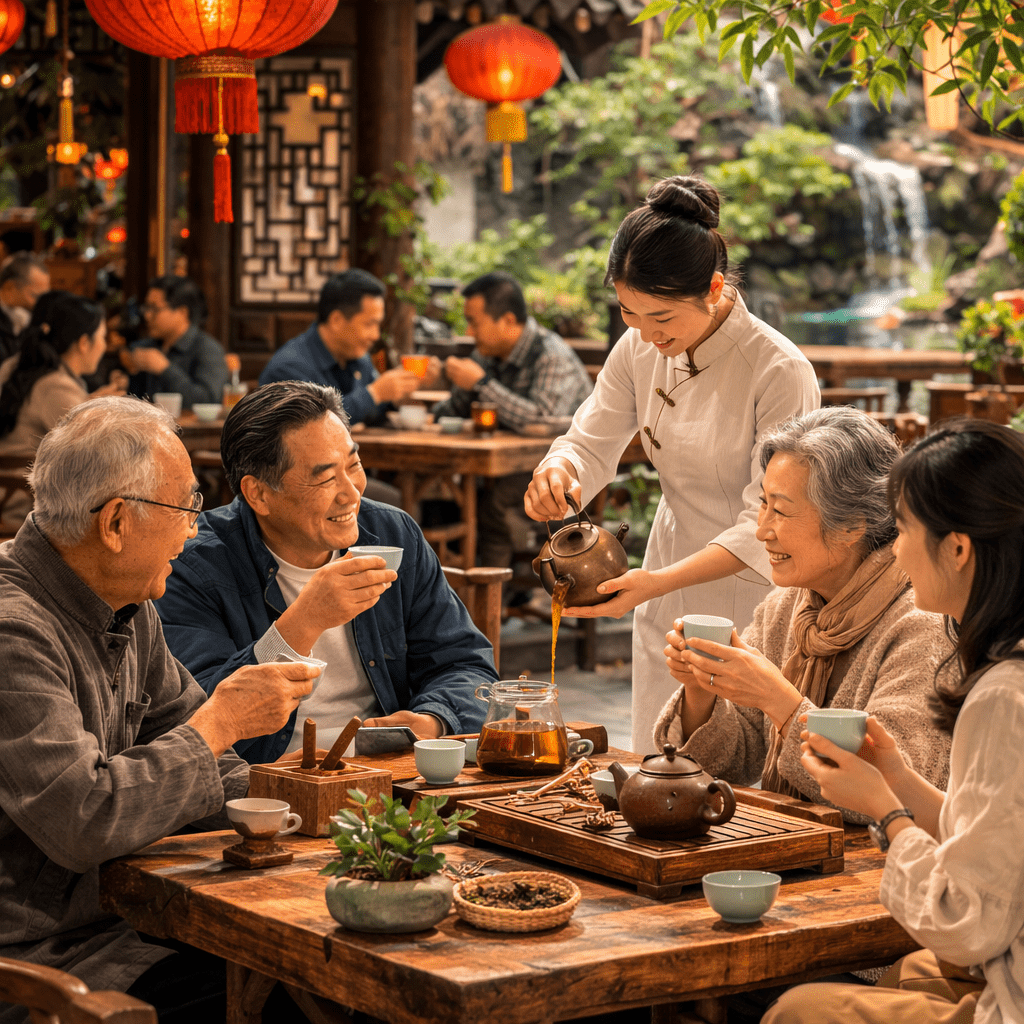
Across many cultures, tea is more than just a beverage. It is often part of a daily ritual that encourages people to slow down, breathe, and enjoy a quiet moment.
Certain types of tea are especially valued for their soothing qualities. Some teas contain natural compounds that may support relaxation, while others simply create a calming experience through aroma, warmth, and mindful preparation.
From traditional Chinese teas to herbal infusions enjoyed around the world, tea can be a gentle and natural way to unwind.
In this guide, we will explore some of the best teas for relaxation, how they work, and how to prepare them for the most calming experience.
Why Tea Helps With Relaxation
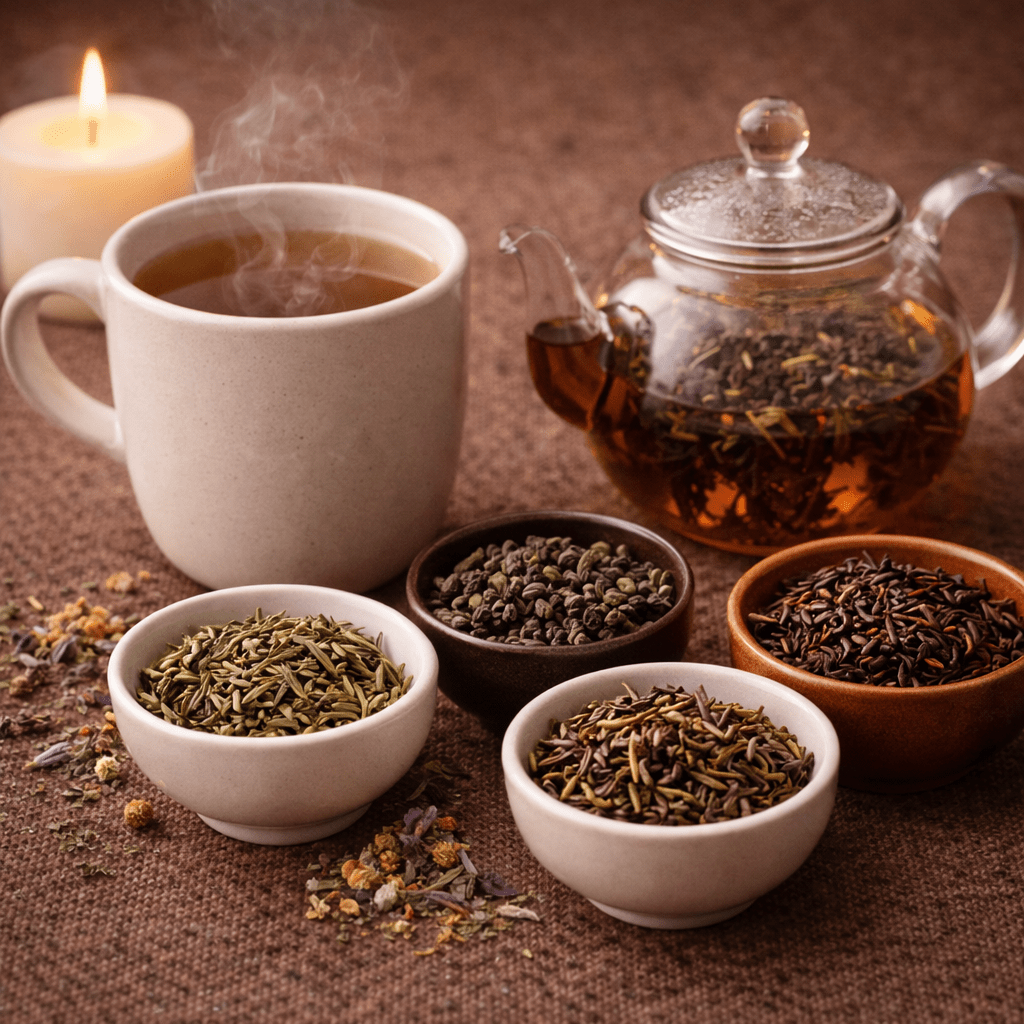
Tea can support relaxation in several ways.
First, the act of preparing tea encourages a slower pace. Boiling water, measuring tea leaves, and waiting for the infusion naturally create a small pause in the day.
Second, many teas contain compounds that influence the body and mind.
One of the most well-known compounds is L-theanine, an amino acid naturally found in tea leaves. L-theanine is often associated with calm focus and balanced mental energy.
Unlike coffee, which can sometimes produce jittery stimulation, tea often provides a gentler effect that many people find more relaxing.
Finally, the warmth and aroma of tea contribute to a sense of comfort and ritual.
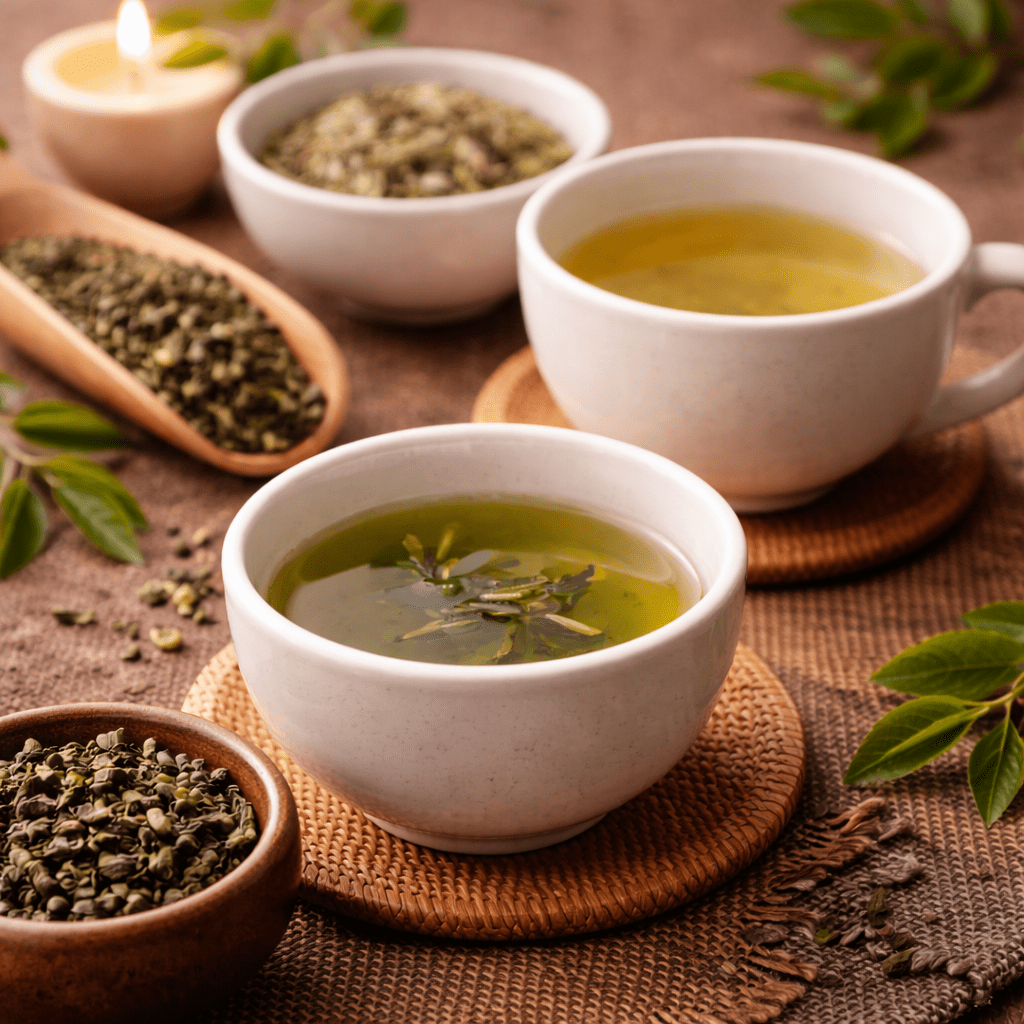
Green Tea: Calm Energy
Green tea is known for providing a balanced type of energy.
Because it contains both caffeine and L-theanine, green tea can support mental clarity without producing the sharp stimulation sometimes associated with coffee.
Many people describe the feeling after drinking green tea as calm alertness.
Popular relaxing green teas include:
Longjing (Dragon Well)
Sencha
Biluochun
These teas offer fresh vegetal aromas and a light, refreshing taste that many people enjoy during quiet moments of the day.
White Tea: Gentle and Smooth
White tea is one of the most delicate types of tea.
It is minimally processed and often contains young buds and leaves, giving it a soft, naturally sweet flavor.
Because white tea usually contains lower caffeine levels than many other teas, it is often considered a gentle option for relaxation.
Many tea drinkers enjoy white tea in the evening or during calm moments of the day.
Famous white teas include:
Silver Needle
White Peony
Their light floral notes and smooth texture create a soothing drinking experience.
Oolong Tea: Aromatic and Comforting
Oolong tea occupies a middle ground between green and black tea.
Its complex aromas and layered flavors make it a favorite among tea enthusiasts.
Some lightly oxidized oolongs have floral fragrances that many people find calming. The aroma alone can contribute to a relaxing mood.
Examples of well-known oolong teas include:
Tieguanyin
Da Hong Pao
These teas are often brewed multiple times, allowing drinkers to enjoy the changing aromas across several infusions.
Pu-erh Tea: Deep and Grounding
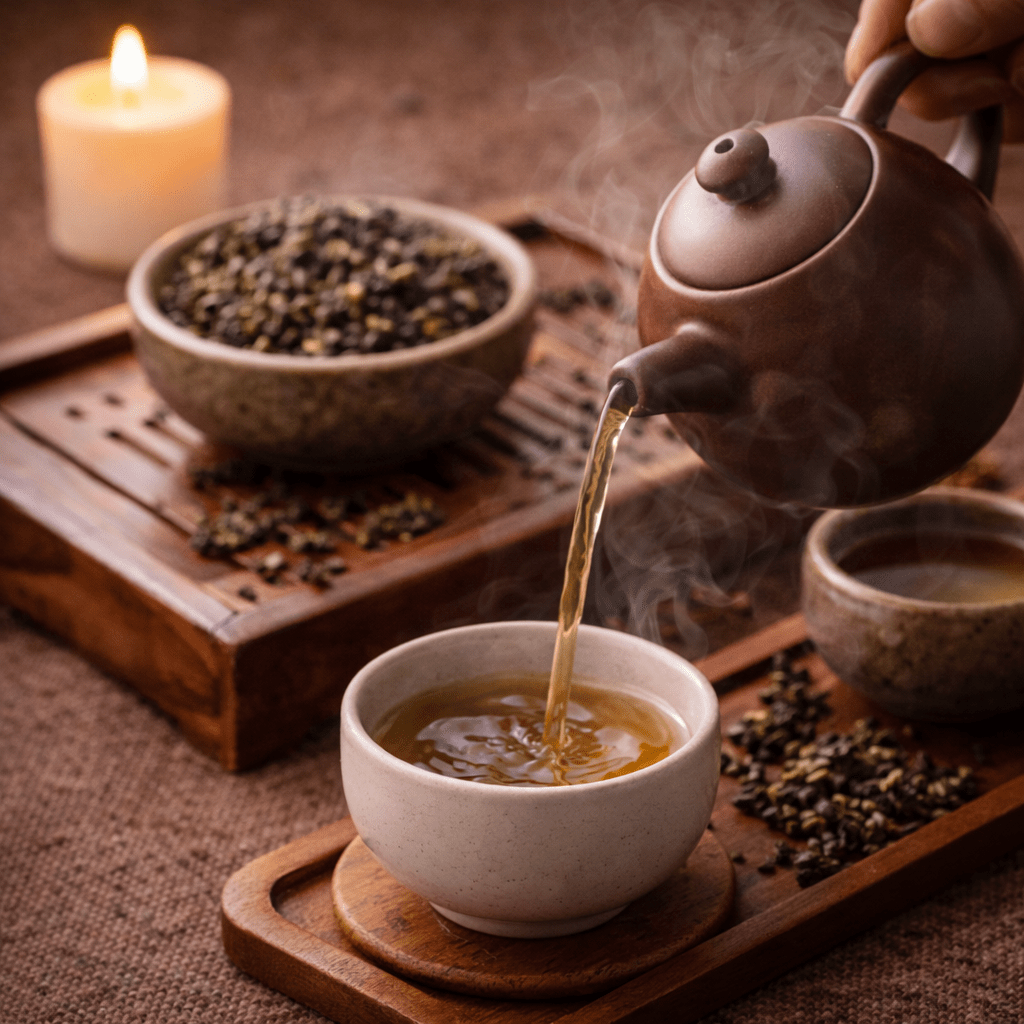
Pu-erh tea has a rich and earthy character.
Unlike many other teas, pu-erh undergoes fermentation and aging, which produces a distinctive flavor profile.
Many tea drinkers find the deep and mellow taste of pu-erh to be grounding and comforting.
Because pu-erh tea can be brewed many times, the slow brewing process itself often becomes part of a relaxing tea ritual.
Herbal Teas for Relaxation
Although traditional tea comes from the Camellia sinensis plant, herbal infusions are also widely used for relaxation.
Some popular calming herbal teas include:
Chamomile
Lavender
Peppermint
Lemon balm
These herbal teas are naturally caffeine-free and are commonly enjoyed before bedtime.
Their floral and herbal aromas often contribute to a soothing experience.
Creating a Relaxing Tea Ritual
The relaxing effect of tea is not only about the ingredients but also about the process.
Creating a quiet tea ritual can transform tea drinking into a calming daily habit.
Simple steps might include:
Choosing a peaceful environment
Using comfortable teaware
Brewing tea slowly and mindfully
Taking time to appreciate the aroma and flavor
Even a few minutes spent focusing on tea preparation can provide a small break from the stress of daily life.
Best Time to Drink Relaxing Tea
The ideal time to drink relaxing tea depends on personal preference.
Some people enjoy tea in the morning to begin the day with calm focus.
Others prefer tea in the afternoon as a gentle pause during a busy schedule.
For caffeine-sensitive individuals, herbal teas or white teas may be better choices in the evening.
Experimenting with different teas at different times of day can help you find the routine that feels most relaxing.
Final Thoughts
Tea has long been associated with relaxation, mindfulness, and quiet moments of reflection.
Whether you prefer the fresh clarity of green tea, the gentle sweetness of white tea, or the deep richness of pu-erh, there are many teas that can help create a calming experience.
Beyond its flavor, tea invites us to slow down and enjoy a simple ritual.
In a world that often moves quickly, a cup of tea can offer a brief but meaningful moment of calm.
Continue the Journey
History of Chinese Tea: The 4,000-Year Story of Tea in China
Tea is one of the oldest and most influential beverages in human...
Tea Drinking Etiquette: A Guide to Proper Tea Manners in Chinese Tea Culture
Tea drinking in Chinese culture is not only about taste. It is...
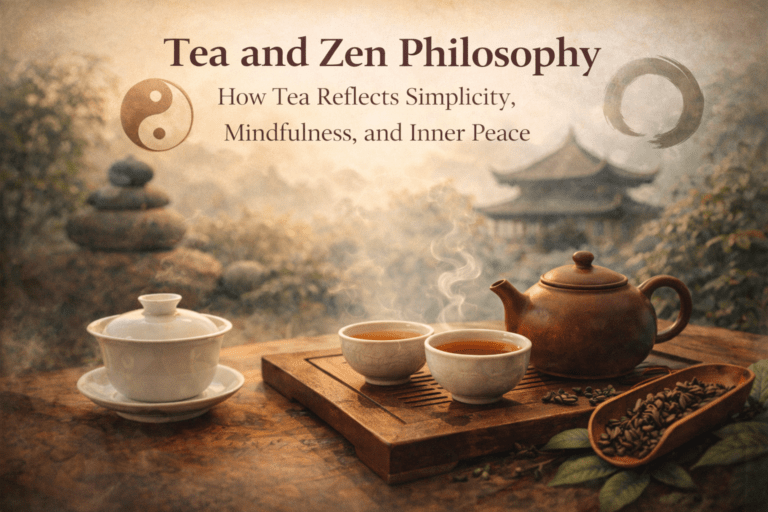
Tea and Zen Philosophy: How Tea Reflects Simplicity, Mindfulness, and Inner Peace
For centuries, tea and Zen philosophy have shared a deep connection. Both...