Does Tea Expire? How Long Tea Really Lasts
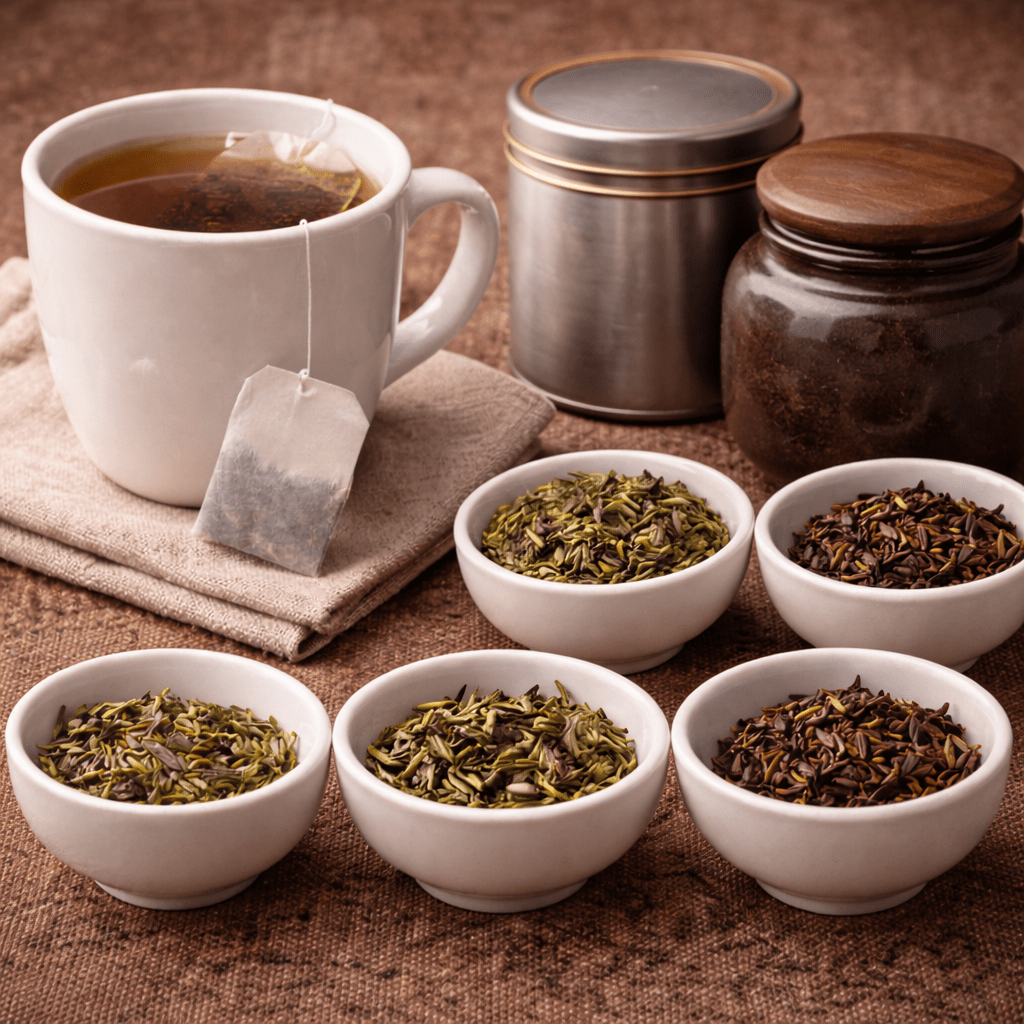
Tea is one of the oldest beverages in the world, enjoyed for thousands of years across many cultures. Unlike many foods, tea is a dried product, which often leads people to wonder whether tea actually expires.
Many tea drinkers eventually discover an old container of tea in their kitchen cabinet and ask a simple question: is this tea still safe to drink?
The answer is slightly more complex than a simple yes or no.
Tea does not expire in the same way fresh food does. In most cases, properly stored tea will not suddenly become unsafe to drink. However, tea can gradually lose its aroma, flavor, and freshness over time.
The quality of tea changes depending on several factors, including the type of tea, how it is stored, and how long it has been kept.
Understanding how tea ages helps tea drinkers know when tea is still enjoyable and when it may have lost its best qualities.
In this guide, we will explore how long tea typically lasts, how storage affects tea freshness, and how to recognize when tea has gone stale.
Does Tea Actually Expire?
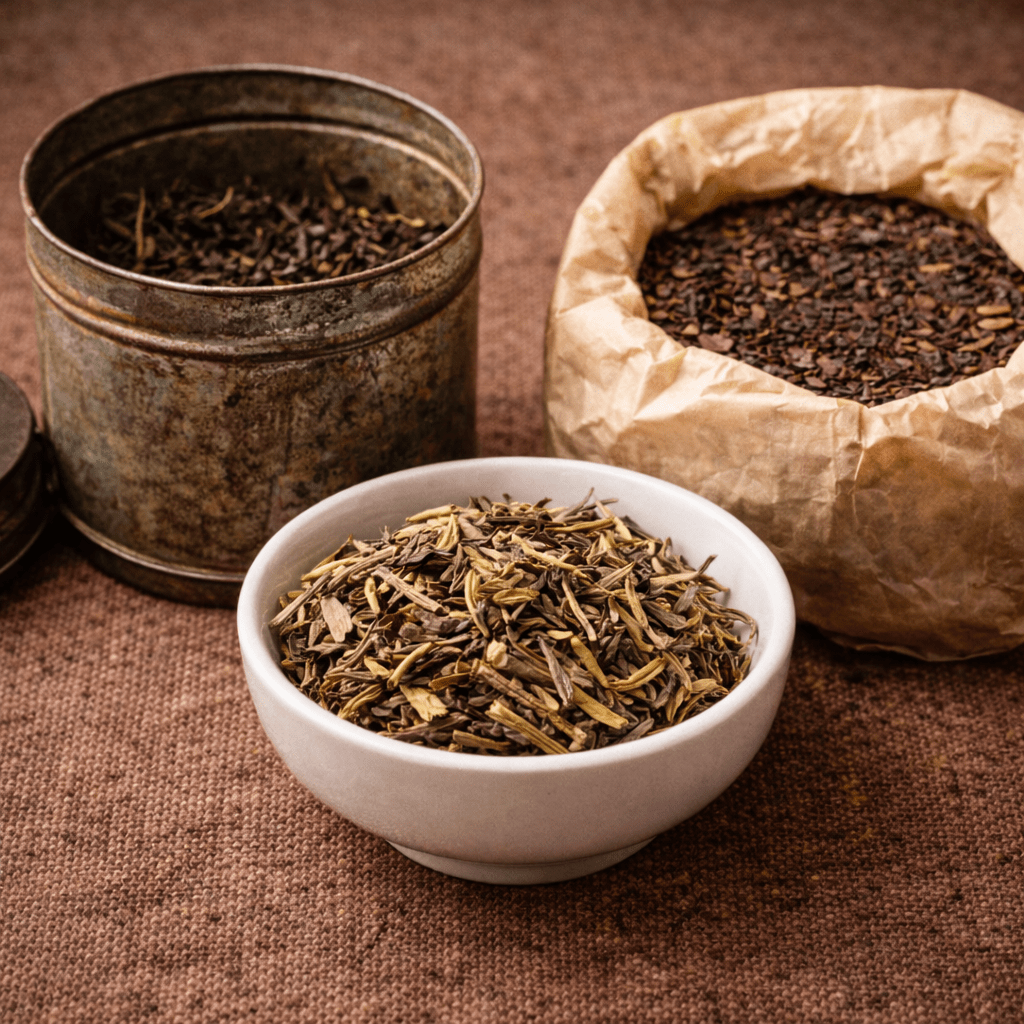
Tea does not technically expire in the same way perishable foods do.
Because tea leaves are dried, they contain very little moisture. This makes them relatively stable and resistant to spoilage compared with fresh foods.
However, while tea may remain safe to drink for a long time, its quality gradually declines.
Over time, tea leaves lose the aromatic compounds that give tea its flavor and fragrance. As these compounds fade, the tea may begin to taste flat, dull, or weak.
For this reason, most tea producers recommend drinking tea within a certain time period to experience its best flavor.
The Difference Between Expiration and Freshness
It is helpful to understand the difference between expiration and freshness.
Expiration usually refers to food becoming unsafe to eat.
Tea rarely reaches this stage unless it has been exposed to moisture or contamination.
Freshness, however, refers to how vibrant the flavor and aroma of the tea remain.
A tea that is several years old may still be safe to drink, but it may not taste nearly as good as fresh tea.
For most tea drinkers, freshness is the more important concern.
How Long Different Types of Tea Last
Different types of tea have different lifespans. This is largely determined by how the tea was processed.
Some teas are best consumed fresh, while others can age gracefully.
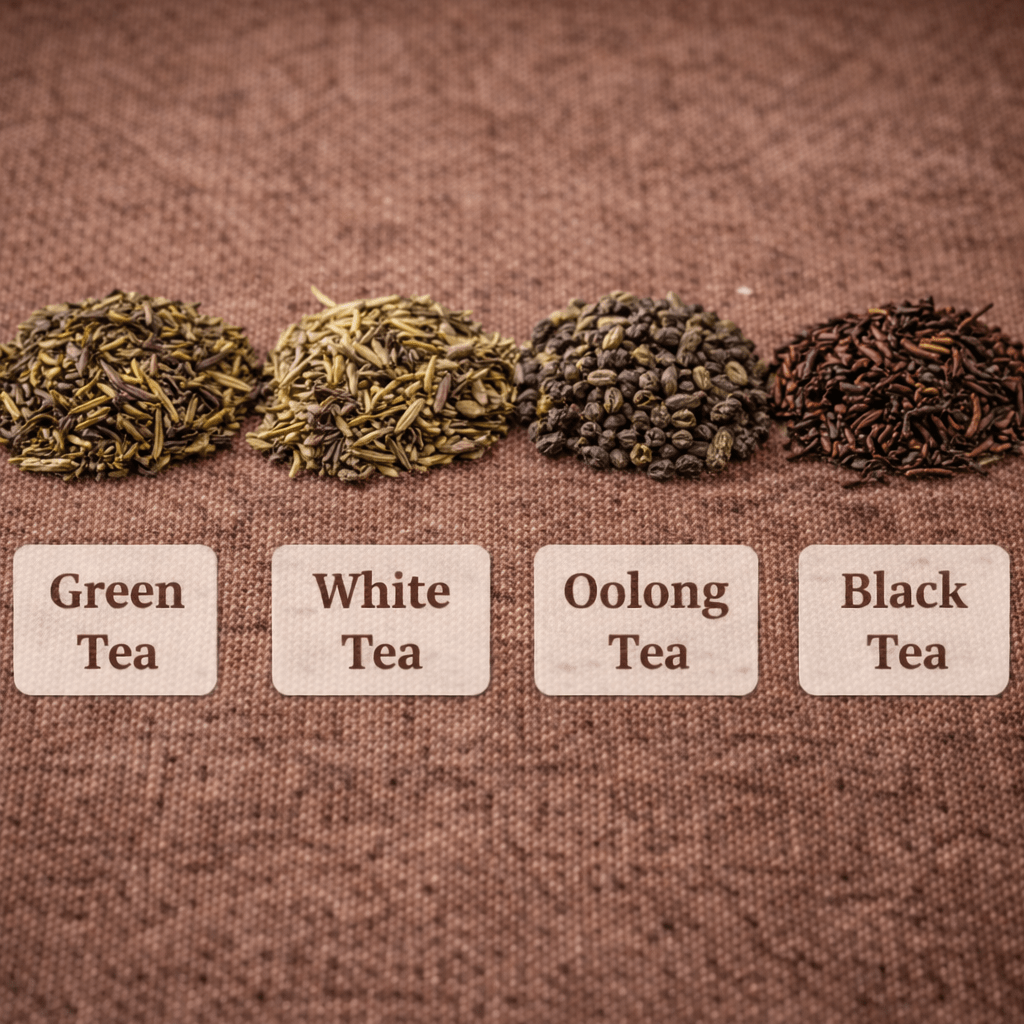
Green Tea
Typical freshness period:
6–12 months
Green tea is one of the most delicate types of tea. Because it is minimally oxidized, its fresh vegetal flavors can fade relatively quickly.
Many high-quality green teas are best enjoyed within the first year after production.
Proper storage in airtight containers away from light and heat can help extend the freshness of green tea.
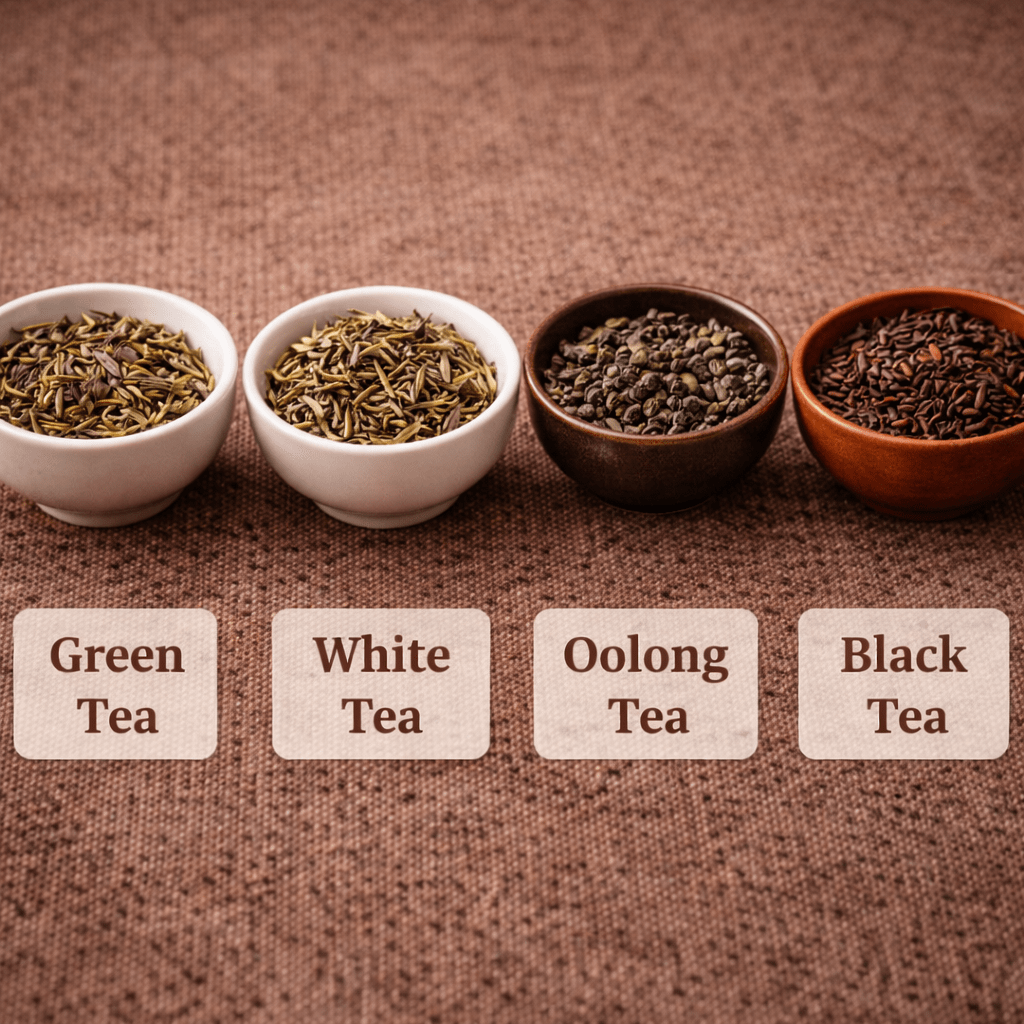
White Tea
Typical freshness period:
1–2 years (or longer)
White tea is more stable than green tea. Over time, some white teas even develop deeper sweetness and complexity.
In Chinese tea culture, aged white tea is sometimes considered valuable because the flavor can evolve with time.
Oolong Tea
Typical freshness period:
1–2 years
Oolong tea varies widely depending on its level of oxidation and roasting.
Light oolongs are often best when relatively fresh, while roasted oolongs may remain stable for longer periods.
Some heavily roasted oolongs can even improve slightly after resting for a period of time.
Black Tea
Typical freshness period:
2 years or more
Black tea is fully oxidized, which makes it relatively stable during storage.
As long as it is kept in a sealed container away from moisture and light, black tea can maintain good flavor for a long time.
Pu-erh Tea
Typical lifespan:
many years or even decades
Pu-erh tea is unique among teas because it is traditionally aged.
Instead of losing quality over time, certain pu-erh teas may develop deeper flavors and complexity as they age.
This aging process is carefully controlled and depends on proper storage conditions.
Some aged pu-erh teas are highly valued by collectors.
Signs That Tea Has Gone Stale
Even though tea may not technically expire, it can become stale.
Several signs may indicate that tea has lost its freshness.
The most common sign is loss of aroma. Fresh tea often has a noticeable fragrance when the leaves are smelled. Stale tea may have very little scent.
Another sign is flat or dull flavor. When brewed, the tea may taste weak even if the correct amount of leaves is used.
In some cases, the leaves may appear faded or overly dry.
If tea has absorbed moisture, it may develop a musty smell. This can indicate mold growth, and such tea should not be consumed.
How Storage Affects Tea Shelf Life
Proper storage plays a major role in how long tea remains fresh.
Tea leaves are sensitive to several environmental factors.
The most important enemies of tea include:
air
moisture
light
heat
strong odors
Exposure to these elements can accelerate the loss of flavor.
To maintain freshness, tea should be stored in airtight containers in cool, dark environments.
Many tea drinkers use metal tea tins or ceramic containers to protect their tea.
Can You Still Drink Old Tea?
In many cases, old tea is still safe to drink if it has been stored properly.
If the tea smells normal and shows no signs of mold or moisture damage, it is usually fine to brew.
However, the flavor may be noticeably weaker.
Some people choose to use older tea for everyday drinking while saving fresher tea for special occasions.
Ultimately, the decision depends on personal taste.
Tips for Keeping Tea Fresh Longer
A few simple habits can help preserve tea quality.
Store tea in airtight containers.
Keep tea away from direct sunlight.
Avoid storing tea near spices or strong-smelling foods.
Use dry utensils when handling tea leaves.
These small steps can greatly extend the freshness of tea.
Final Thoughts
Tea does not expire in the same way as many foods, but its quality gradually changes over time.
Delicate teas such as green tea are best enjoyed relatively fresh, while more robust teas such as black tea can remain stable for longer periods.
Certain teas, such as pu-erh, may even improve with age under proper conditions.
By understanding how tea ages and how to store it correctly, tea drinkers can ensure that every cup of tea offers the best possible flavor and aroma.
Tea may be a simple leaf, but when cared for properly, it can provide enjoyment for a very long time.
Continue the Journey
History of Chinese Tea: The 4,000-Year Story of Tea in China
Tea is one of the oldest and most influential beverages in human...
Tea Drinking Etiquette: A Guide to Proper Tea Manners in Chinese Tea Culture
Tea drinking in Chinese culture is not only about taste. It is...
Tea and Zen Philosophy: How Tea Reflects Simplicity, Mindfulness, and Inner Peace
For centuries, tea and Zen philosophy have shared a deep connection. Both...