Tea and Gut Health: How Tea Affects Digestion and the Microbiome
In recent years, gut health has become one of the most discussed topics in nutrition and wellness. Scientists now understand that the digestive system is far more complex than simply processing food. Inside the human gut lives a vast ecosystem of microorganisms known as the gut microbiome.
These microorganisms influence many aspects of health, including digestion, immunity, metabolism, and even mental well-being.
Because of this, many people are looking for simple daily habits that may help support digestive balance. One of the most widely consumed beverages in the world—tea—has increasingly become part of this conversation.
For centuries, tea has been associated with digestion and overall well-being in many cultures. Traditional Chinese medicine, Ayurveda, and other healing traditions have long used tea to support the stomach and improve digestive comfort.
Modern research has begun exploring how tea compounds interact with the gut microbiome and digestive system.
In this guide, we will explore:
- what gut health means
- how tea affects digestion
- how tea interacts with gut bacteria
- the best teas for digestive support
- when to drink tea for digestion
By the end of this article, you will have a clearer understanding of how tea may play a role in supporting digestive health as part of a balanced lifestyle.
Understanding Gut Health
Gut health refers to the balance and function of the digestive system and the microorganisms that live within it.
Inside the intestines live trillions of microorganisms including bacteria, fungi, and other microbes. Together they form the gut microbiome, a complex ecosystem that plays an important role in maintaining health.
A healthy gut microbiome helps:
- break down food
- absorb nutrients
- support immune function
- regulate inflammation
- communicate with the brain
When this microbial balance becomes disrupted, it may contribute to digestive discomfort, inflammation, and other health concerns.
Because diet strongly influences the microbiome, many foods and beverages can affect gut health—including tea.
Why Tea May Support Digestive Health
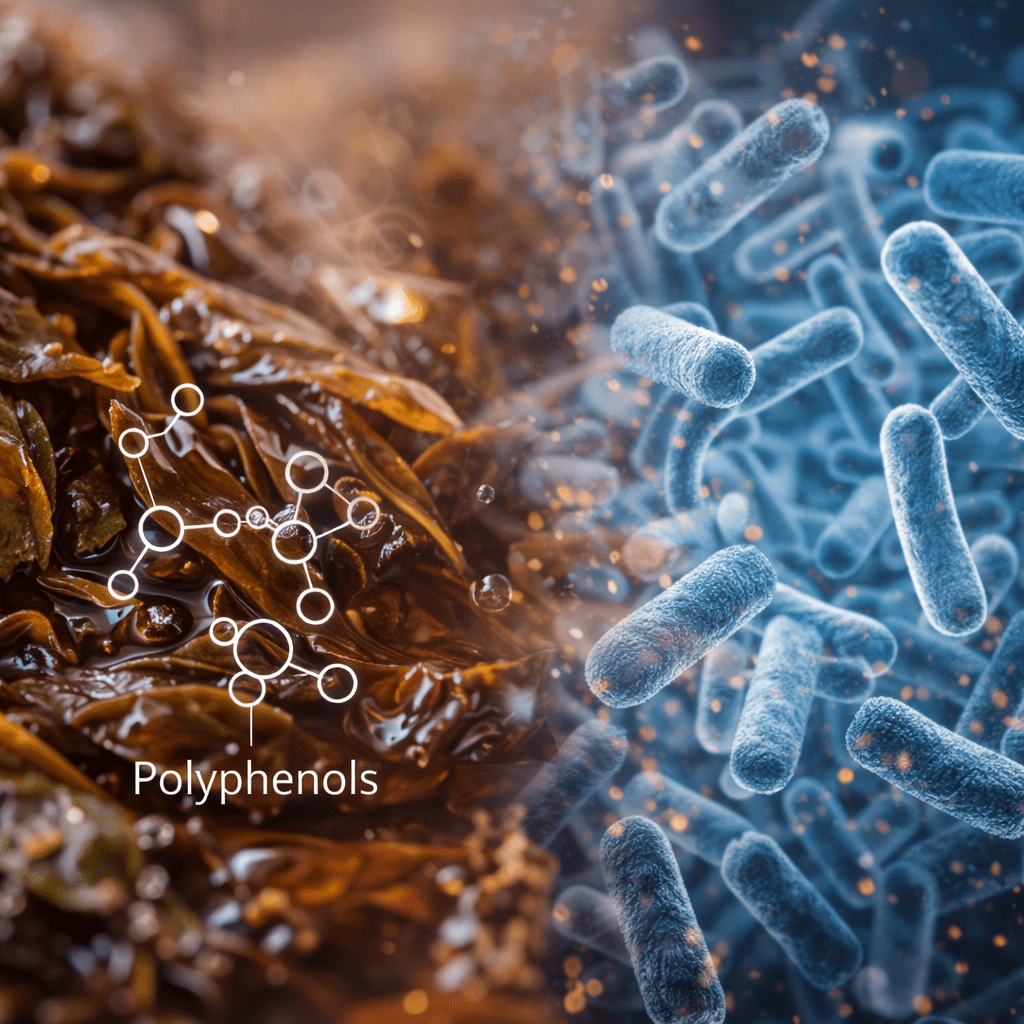
Tea contains many natural plant compounds known as polyphenols. These compounds are powerful antioxidants that may interact with gut bacteria in interesting ways.
Research suggests that tea polyphenols can:
- act as antioxidants
- support beneficial gut bacteria
- help reduce oxidative stress
- influence metabolic processes
Unlike some nutrients that are absorbed quickly in the upper digestive tract, many tea polyphenols reach the intestines where they interact with gut microbes.
In simple terms, tea may help create a digestive environment that favors beneficial bacteria.
This interaction between plant compounds and gut microbes is one of the reasons tea is often associated with digestive balance.
Tea Polyphenols and the Microbiome
Polyphenols are one of the most important components of tea.
Different types of tea contain different types of polyphenols, including:
- catechins
- theaflavins
- thearubigins
These compounds influence how bacteria grow within the gut.
Some studies suggest that tea polyphenols may encourage the growth of beneficial bacteria such as Bifidobacteria and Lactobacillus, while limiting the growth of less beneficial microbes.
When gut bacteria break down these polyphenols, they also produce beneficial compounds known as short-chain fatty acids, which may support gut lining health.
Although research is still developing, scientists increasingly recognize that tea and gut bacteria have a complex and potentially beneficial relationship.
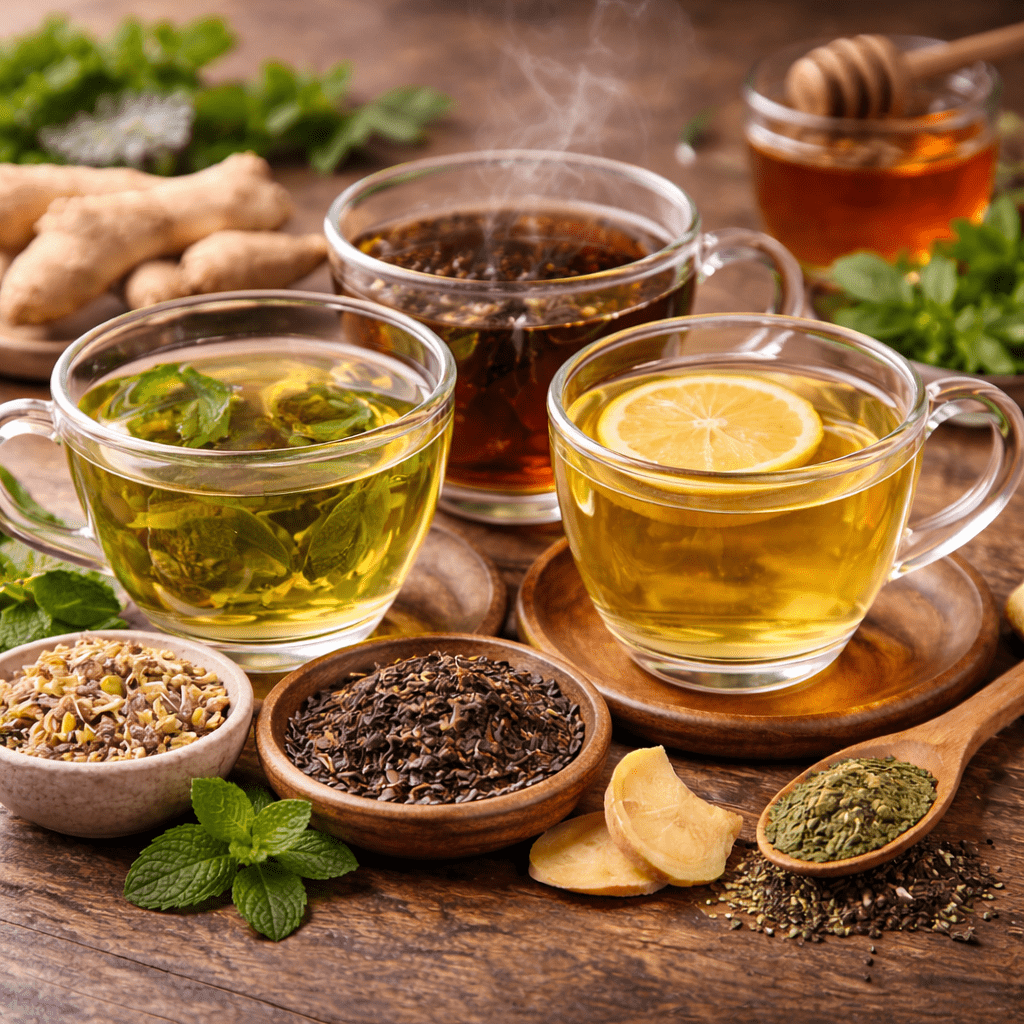
Best Types of Tea for Digestive Health
Not all teas affect digestion in the same way. Some teas contain compounds that may help stimulate digestion, while others are known for soothing the stomach.
Here are several teas commonly associated with digestive support.
Green Tea
Green tea is rich in catechins, one of the most studied tea polyphenols.
Catechins have antioxidant properties and may support microbial balance in the gut.
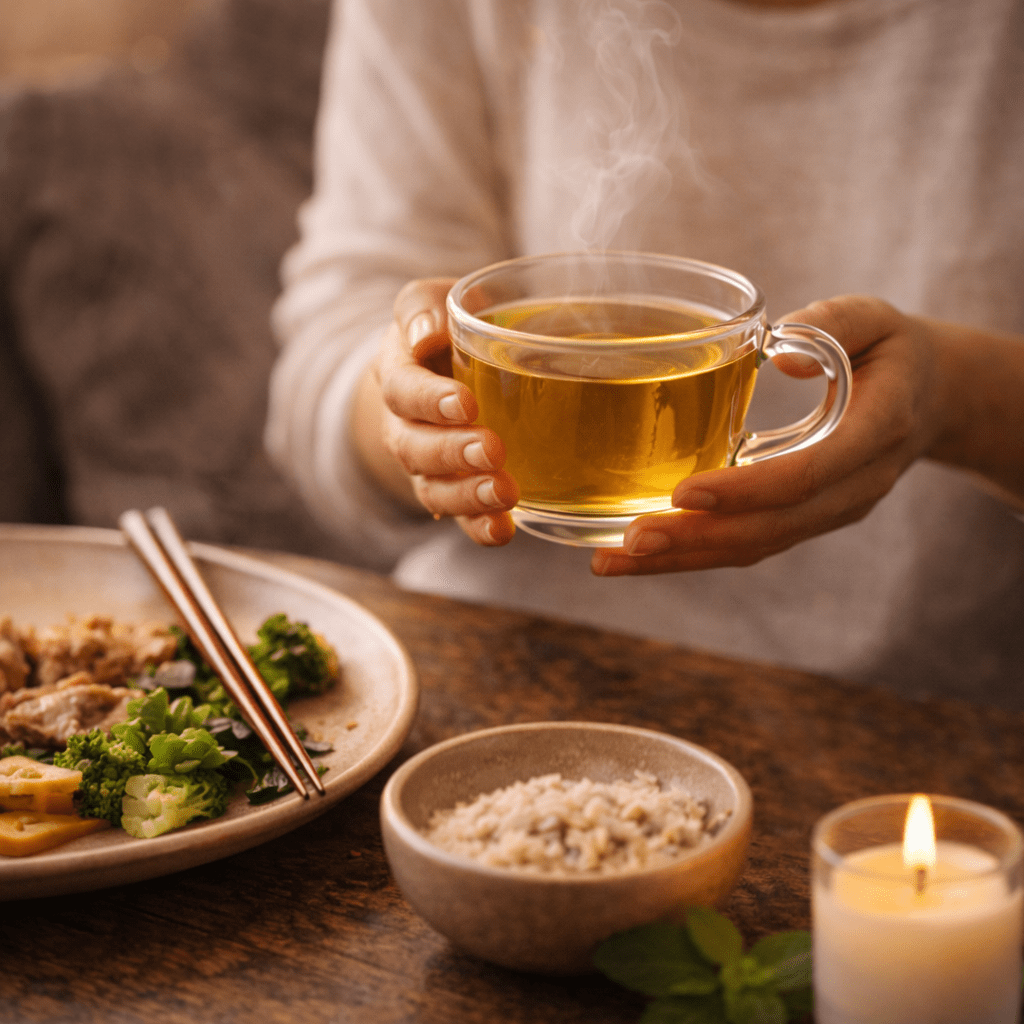
Green tea is also relatively light and refreshing, making it a popular drink after meals in many cultures.
Many people find that green tea helps reduce feelings of heaviness after eating.
Oolong Tea
Oolong tea sits between green tea and black tea in terms of oxidation.
Its complex polyphenol profile may support metabolism and digestion.
Oolong tea has long been consumed after meals in parts of China and Taiwan because it is believed to help with the digestion of heavier foods.
Pu-erh Tea
Pu-erh tea is unique because it undergoes fermentation.
During fermentation, microorganisms transform the tea leaves, producing new compounds that may influence digestion.
Many tea drinkers believe pu-erh tea helps reduce feelings of fullness after rich meals.
Because of its earthy flavor and smooth texture, it is commonly consumed after food.
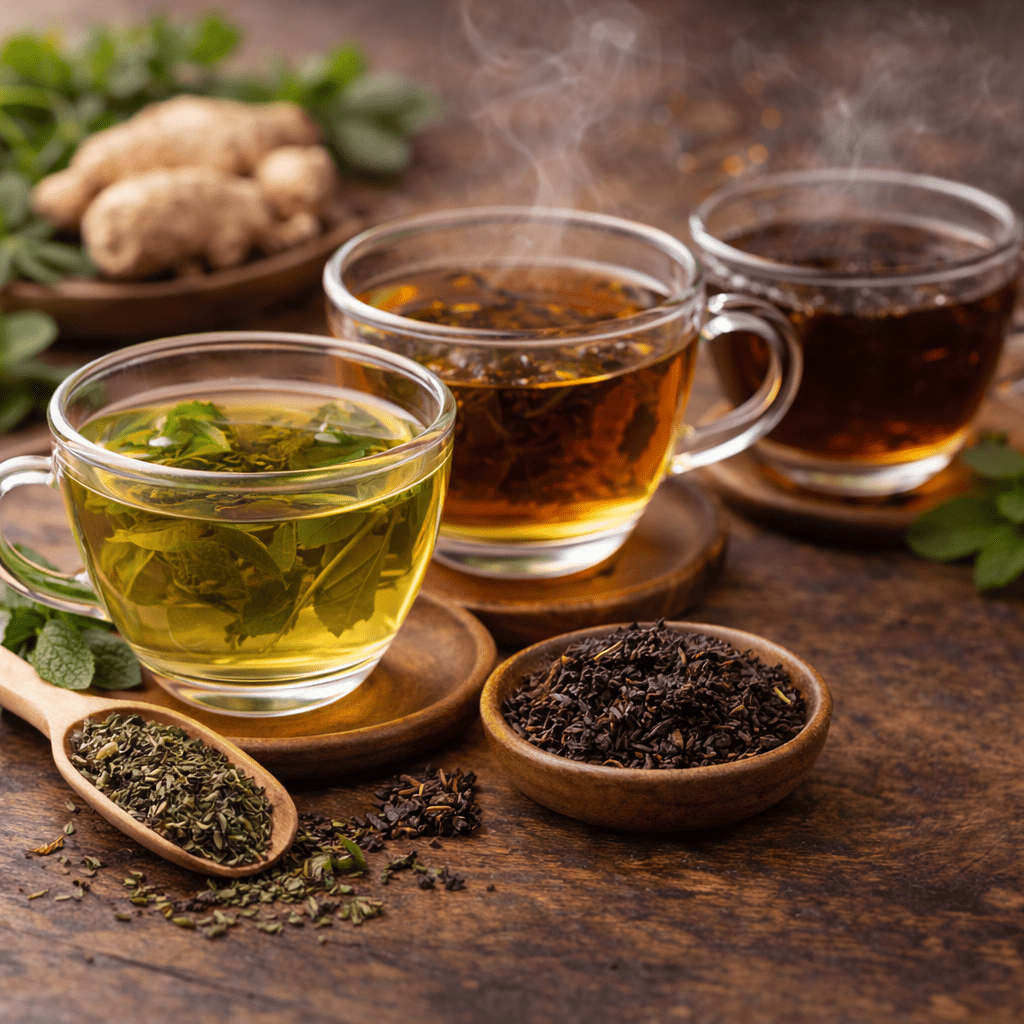
Ginger Tea
Ginger tea is technically an herbal infusion rather than traditional tea, but it is widely known for digestive support.
Ginger contains compounds that may help stimulate digestive activity and reduce nausea.
For this reason, ginger tea is commonly consumed when people experience stomach discomfort.
Peppermint Tea
Peppermint tea has long been associated with digestive relaxation.
Peppermint contains menthol, which may help relax the muscles of the digestive tract and reduce feelings of bloating.
It is one of the most widely used herbal teas for digestive comfort.
When to Drink Tea for Digestion
Tea can support digestion at different times depending on the type of tea.
After meals
Green tea, oolong tea, and pu-erh tea are commonly consumed after meals.
These teas may help create a feeling of lightness and refresh the palate.
Between meals
Herbal teas such as peppermint and ginger tea can be enjoyed throughout the day.
Evening
Caffeine-free herbal teas are often best for nighttime relaxation.
Many people incorporate tea into their daily routine as a gentle digestive support.
Tea and the Gut-Brain Connection
One fascinating area of research is the relationship between the gut and the brain.
The gut and brain communicate through what scientists call the gut-brain axis.
Because tea contains compounds that may influence both digestion and brain function, some researchers believe tea may indirectly affect mood and mental clarity.
For example, green tea contains L-theanine, an amino acid associated with calm focus.
Combined with its effects on the microbiome, tea may contribute to a balanced internal environment that supports both digestive and mental well-being.
How to Use Tea as Part of a Healthy Digestive Routine
Tea is not a cure for digestive problems, but it can be a helpful part of a balanced lifestyle.
Simple habits can make tea more effective for digestive comfort.
Drink tea slowly rather than quickly.
Avoid drinking extremely strong tea on an empty stomach.
Choose lighter teas after meals instead of very heavy beverages.
Pay attention to how different teas affect your body.
Everyone’s digestive system is slightly different, so experimenting with different teas can help identify what works best for you.
Final Thoughts
Tea has been associated with digestion and well-being for centuries.
Modern science is beginning to explore how tea compounds interact with the gut microbiome and digestive system.
From green tea and oolong tea to soothing herbal infusions like peppermint and ginger, many teas may support digestive comfort in gentle ways.
Perhaps the most valuable aspect of tea is not only the chemical compounds it contains, but also the mindful ritual that accompanies drinking it.
Taking a moment to prepare and enjoy tea encourages slower eating, deeper breathing, and a calmer state of mind—factors that themselves support digestive balance.
In a fast-moving world, a simple cup of tea can offer both comfort and connection to a long tradition of natural wellness.
Continue the Journey

History of Chinese Tea: The 4,000-Year Story of Tea in China
Tea is one of the oldest and most influential beverages in human...
Tea Drinking Etiquette: A Guide to Proper Tea Manners in Chinese Tea Culture
Tea drinking in Chinese culture is not only about taste. It is...
Tea and Zen Philosophy: How Tea Reflects Simplicity, Mindfulness, and Inner Peace
For centuries, tea and Zen philosophy have shared a deep connection. Both...