Tea Meditation Guide: How to Practice Mindful Tea Drinking for Calm and Clarity
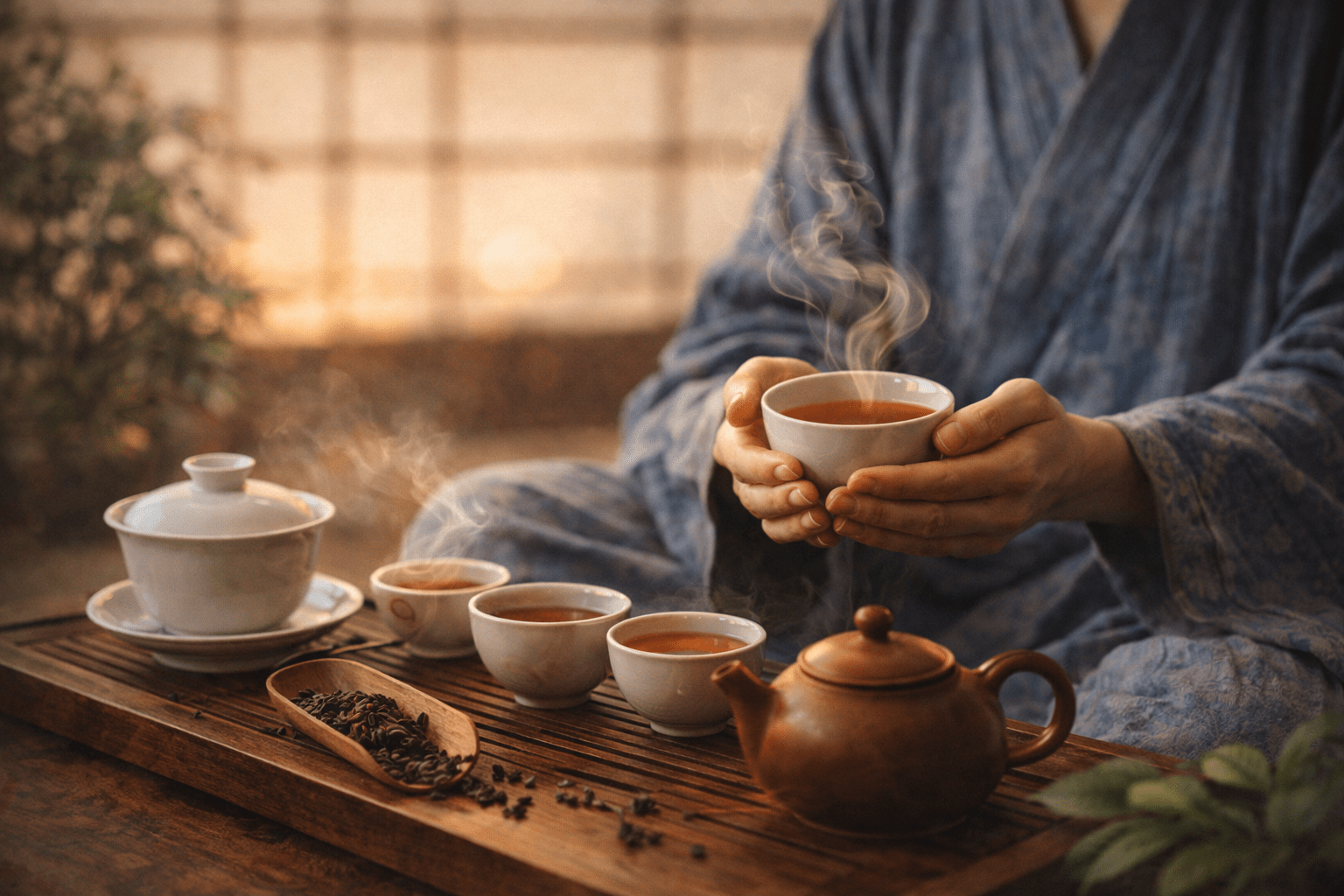
In a world filled with constant noise and distractions, many people are searching for simple ways to slow down and reconnect with the present moment.
Tea meditation offers exactly that.
Rather than drinking tea quickly or absentmindedly, tea meditation turns the act of preparing and drinking tea into a mindful practice. Every step — from observing the tea leaves to tasting the final infusion — becomes an opportunity to cultivate awareness and calm.
Tea meditation does not require complicated techniques or spiritual training. It simply invites you to pause, breathe, and experience tea with full attention.
What Is Tea Meditation?
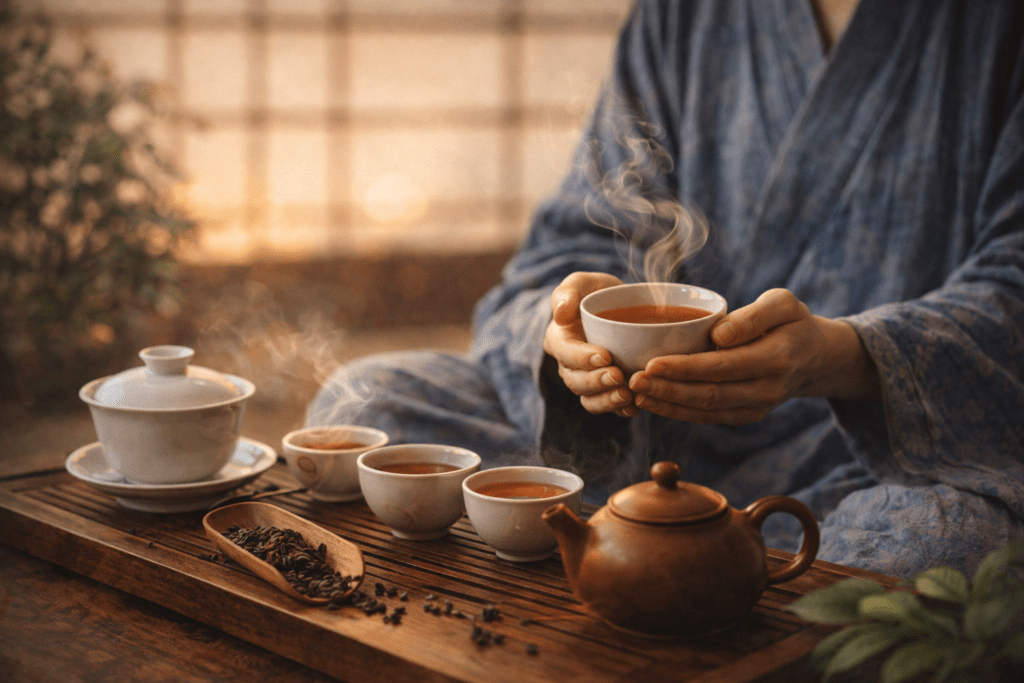
Tea meditation is the practice of drinking tea with mindful awareness.
It combines elements of:
- meditation
- tea ceremony
- sensory observation
The focus is not on achieving a particular state, but on being fully present during the tea experience.
Tea meditation encourages you to notice:
- the appearance of the tea leaves
- the aroma of the tea
- the warmth of the cup
- the changing flavors across infusions
Through this simple practice, tea becomes a gateway to mindfulness.
The Connection Between Tea and Meditation
Tea and meditation have been closely connected for centuries.
In ancient China and Japan, Buddhist monks drank tea to stay alert during long periods of meditation. Tea provided gentle stimulation without the jittery feeling sometimes caused by stronger stimulants.
The natural compound L-theanine, found in tea, promotes calm focus and mental clarity. Combined with small amounts of caffeine, tea creates a balanced state of relaxed alertness.
This unique effect makes tea an ideal companion for meditation.
Why Tea Is Perfect for Mindfulness
Tea naturally supports mindfulness for several reasons.
Slow Preparation
Unlike many modern drinks, tea requires preparation.
Boiling water, measuring leaves, and waiting for tea to steep naturally slows down the process.
Sensory Experience
Tea engages all five senses.
You can observe the leaves, smell the aroma, feel the warmth of the cup, and taste subtle flavor layers.
Gentle Rhythm
Tea brewing encourages a calm rhythm that contrasts with the fast pace of modern life.
How to Practice Tea Meditation
Tea meditation can be practiced anywhere — at home, in nature, or even at your desk.
You only need:
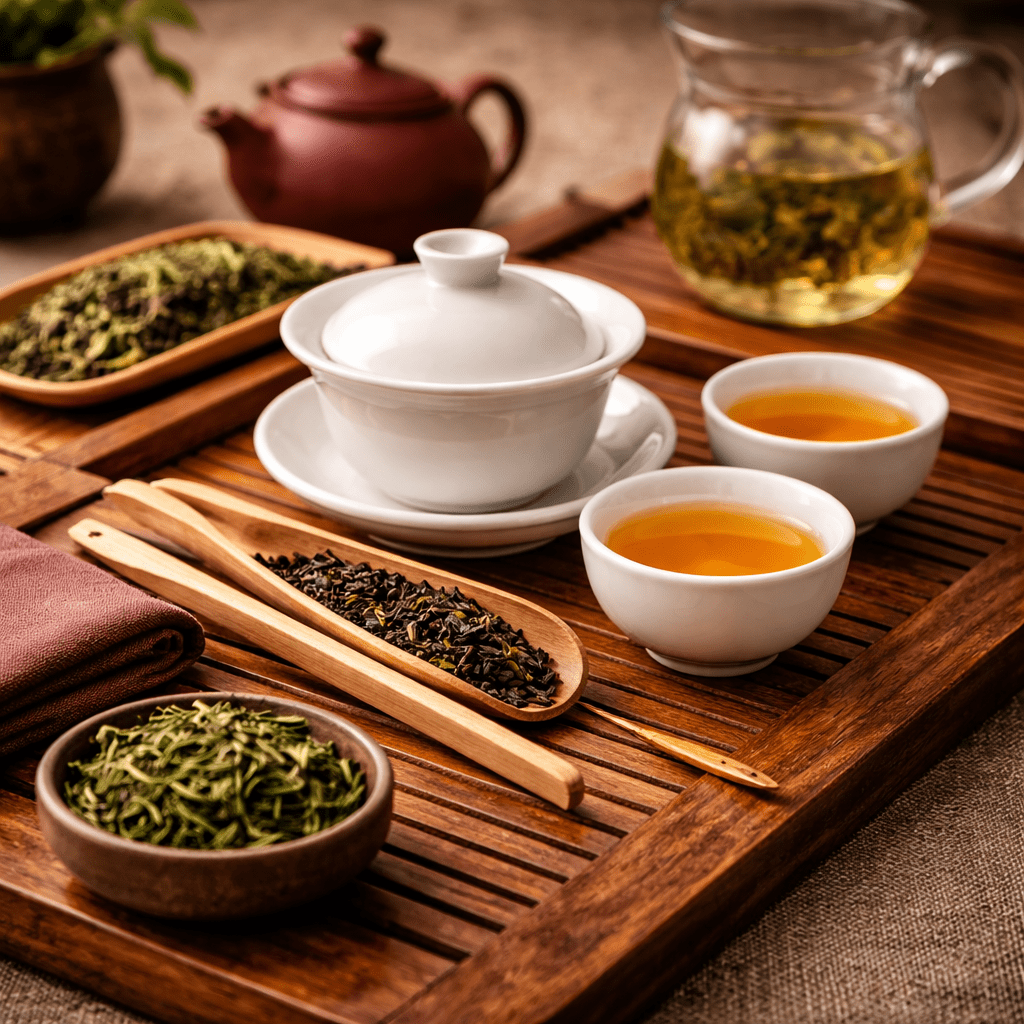
- loose leaf tea
- hot water
- a quiet environment
- a few minutes of time
Step 1: Prepare Your Tea Mindfully
Begin by preparing tea slowly and intentionally.
Notice the texture and shape of the tea leaves.
Listen to the sound of water pouring.
Allow yourself to focus only on the present moment.
Step 2: Observe the Tea
Before drinking, take a moment to observe the tea.
Look at:
- the color of the tea liquor
- steam rising from the cup
- the movement of leaves in the water
These small details help anchor your attention.
Step 3: Smell the Aroma
Bring the cup close and inhale gently.
Tea aromas can be:
- floral
- grassy
- roasted
- sweet
- earthy
Take a few slow breaths and simply notice the scent.
Step 4: Take a Small Sip
Take a small sip of tea and allow the flavor to spread across your tongue.
Notice:
- sweetness
- bitterness
- smoothness
- aftertaste
Instead of judging the flavor, simply observe it.
Step 5: Focus on Breathing
As you continue drinking tea, return your attention to your breathing.
Feel the warmth of the cup in your hands.
Allow each sip to slow your thoughts.
Choosing the Best Tea for Meditation
Although any tea can be used, some teas work particularly well for meditation.
Green Tea
Green tea provides a light and refreshing flavor that pairs well with quiet reflection.
White Tea
White tea is gentle and subtle, encouraging calm awareness.
Oolong Tea
Oolong tea evolves across many infusions, allowing for longer meditation sessions.
Pu-erh Tea
Pu-erh tea has a deep and grounding character that many people find soothing.
Creating a Tea Meditation Environment
The environment can enhance your meditation experience.
Consider creating a simple tea space with:
- natural lighting
- wooden or ceramic tea ware
- minimal distractions
- quiet background music or silence
Some people also enjoy practicing tea meditation outdoors in nature.
Benefits of Tea Meditation
Regular tea meditation can bring many benefits.
Reduced Stress
The slow rhythm of tea preparation helps calm the nervous system.
Improved Focus
Mindful tea drinking strengthens concentration and awareness.
Emotional Balance
Tea meditation creates space for reflection and emotional clarity.
Greater Appreciation
You begin to appreciate the small details of everyday life.
Tea Meditation as a Daily Ritual
Tea meditation does not need to be long.
Even 5–10 minutes of mindful tea drinking can shift your mental state.
Many people integrate tea meditation into their daily routines, such as:
- morning tea ritual
- afternoon pause
- evening relaxation practice
Over time, tea meditation becomes a gentle anchor in daily life.
Conclusion
Tea meditation transforms a simple cup of tea into a practice of mindfulness and presence.
By slowing down and paying attention to the sensory experience of tea, we reconnect with the present moment.
In a fast-moving world, this small ritual can bring surprising calm and clarity.
Sometimes, the simplest practices are the most powerful.
Continue the Journey
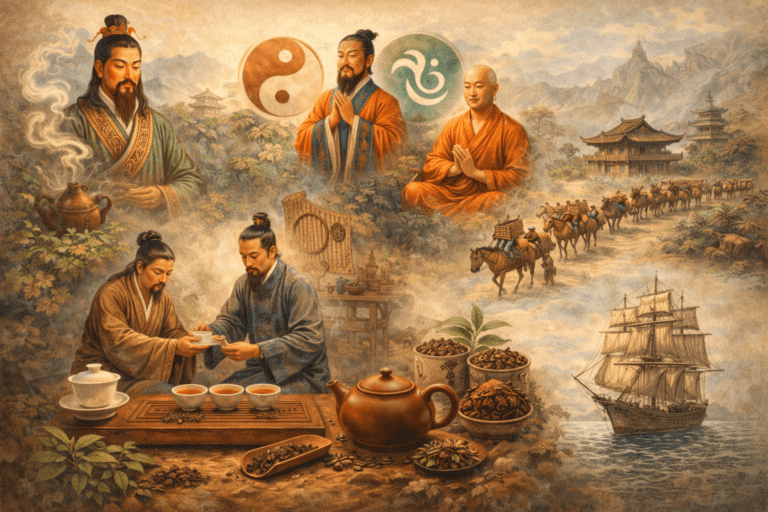
History of Chinese Tea: The 4,000-Year Story of Tea in China
Tea is one of the oldest and most influential beverages in human...
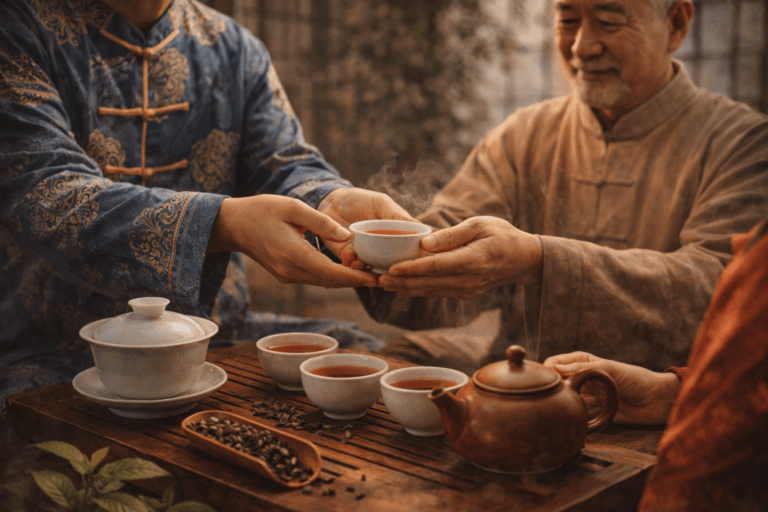
Tea Drinking Etiquette: A Guide to Proper Tea Manners in Chinese Tea Culture
Tea drinking in Chinese culture is not only about taste. It is...
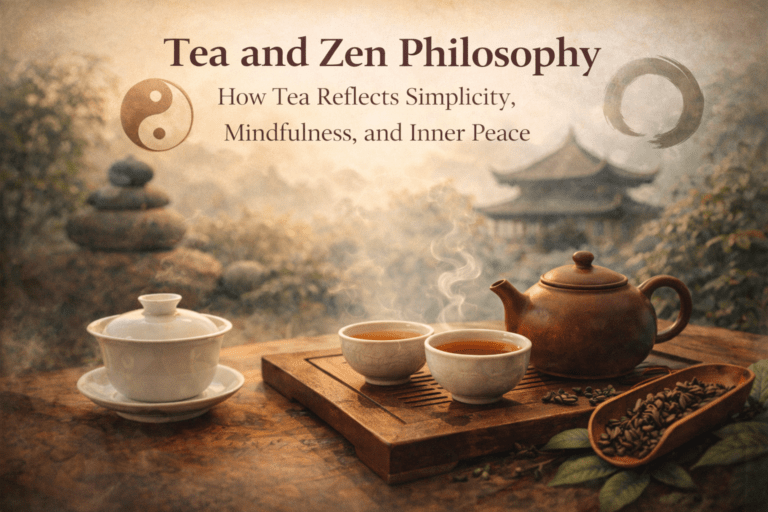
Tea and Zen Philosophy: How Tea Reflects Simplicity, Mindfulness, and Inner Peace
For centuries, tea and Zen philosophy have shared a deep connection. Both...