
Best Tea for Liver Health: Teas That May Support Detox and Liver Function
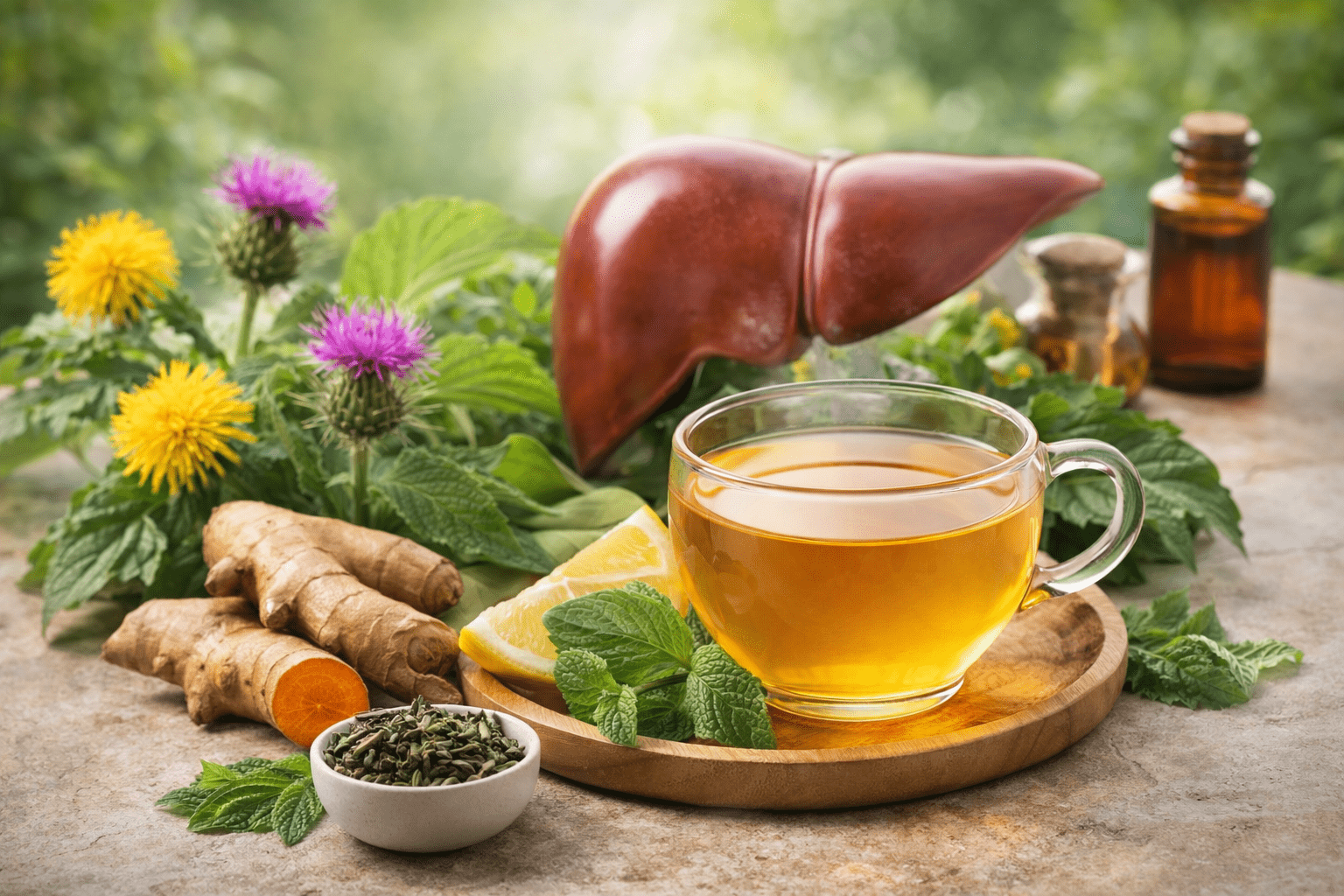
The liver is one of the most important organs in the human body.
It works continuously to filter toxins, metabolize nutrients, regulate blood chemistry, and support digestion.
Because the liver processes almost everything we consume, maintaining liver health is essential for overall well-being.
In many traditional cultures, particularly in China, tea has long been associated with supporting digestion, cleansing the body, and promoting balance. Modern research has also begun exploring how certain compounds in tea may benefit liver function.
This guide explores the best teas that may support liver health, how they work, and how to incorporate them into a healthy lifestyle.
Why Liver Health Matters
The liver performs more than 500 different functions in the body.
Some of the most important include:
- Detoxifying harmful substances
- Metabolizing alcohol
- Regulating blood sugar
- Producing bile for digestion
- Processing nutrients from food
- Breaking down medications
Because the liver handles toxins and metabolic waste, it is constantly working to keep the body balanced.
Poor diet, alcohol consumption, environmental toxins, and chronic stress can place a heavy burden on the liver.
Supporting liver health through nutrition, hydration, and healthy lifestyle choices can help maintain optimal function.
Tea is not a cure for liver disease, but certain types of tea contain compounds that may help support liver health.
Key Compounds in Tea That May Support the Liver
Tea contains a wide range of bioactive compounds that researchers believe may benefit liver function.
These include:
Polyphenols
Polyphenols are powerful antioxidants that help reduce oxidative stress in the body.
Oxidative stress is believed to play a role in liver damage.
Green tea in particular contains high levels of catechins, a type of polyphenol associated with liver protection.
Catechins
Catechins may help reduce fat accumulation in the liver and improve metabolic health.
The most studied catechin is EGCG (epigallocatechin gallate), which has been linked to anti-inflammatory and antioxidant effects.
Theaflavins
Black tea contains compounds called theaflavins that may support cardiovascular and metabolic health.
These compounds may also contribute to liver protection.
Microbial Compounds
Fermented teas such as Pu-erh tea contain microbial metabolites that may influence metabolism and gut health, both of which are connected to liver function.
Best Teas for Liver Health
Several types of tea are commonly associated with liver support.
1. Green Tea
Green tea is one of the most studied teas when it comes to health benefits.
Green tea is rich in catechins, especially EGCG.
Research suggests these compounds may:
- Reduce oxidative stress
- Improve fat metabolism
- Support liver enzyme balance
- Help reduce fatty liver risk
Some studies have suggested that regular green tea consumption may help reduce markers associated with non-alcoholic fatty liver disease (NAFLD).
However, extremely high doses of green tea extracts may stress the liver, so moderation is important.
Drinking 2–3 cups of green tea daily is commonly considered safe.
2. Pu-erh Tea
Pu-erh tea is a traditional fermented tea from Yunnan province in China.
Because Pu-erh undergoes microbial fermentation, it contains unique compounds that may influence metabolism and gut health.
Research suggests Pu-erh tea may:
- Help reduce cholesterol
- Support fat metabolism
- Promote digestive health
- Support liver detox pathways
In traditional Chinese medicine, Pu-erh tea is often consumed after heavy meals to aid digestion and reduce excess fat.
3. Oolong Tea
Oolong tea sits between green and black tea in oxidation level.
Oolong tea contains both:
- catechins
- theaflavins
These compounds may help regulate metabolism and support healthy liver function.
Some studies suggest oolong tea may help improve lipid metabolism, which is closely linked to liver health.
4. White Tea
White tea is one of the least processed teas.
Because it undergoes minimal processing, white tea retains high levels of natural antioxidants.
These compounds may help reduce oxidative stress and inflammation, both of which can impact liver function.
White tea also tends to be mild and gentle on the digestive system.
5. Chrysanthemum Tea
Although technically an herbal infusion rather than true tea, chrysanthemum tea is widely consumed in Chinese culture.
Chrysanthemum tea is traditionally believed to help:
- reduce heat in the body
- support detoxification
- soothe the liver
While scientific research is limited, it remains a popular traditional remedy.
How Tea May Support Liver Health
Tea may support liver health through several mechanisms.
Antioxidant Protection
Polyphenols help neutralize free radicals that may damage liver cells.
Anti-Inflammatory Effects
Chronic inflammation contributes to many liver conditions.
Tea compounds may help reduce inflammatory responses.
Improved Metabolism
Some teas may improve fat metabolism and reduce lipid accumulation in the liver.
Gut–Liver Connection
Fermented teas may influence gut microbiota, which plays an important role in liver health.
Tips for Drinking Tea for Liver Support
While tea can be part of a healthy lifestyle, it should be consumed wisely.
Drink in Moderation
Most people benefit from 2–4 cups per day.
Avoid Excessive Supplements
Highly concentrated tea extracts may stress the liver.
Choose High-Quality Tea
Fresh loose-leaf tea tends to contain more beneficial compounds than low-quality tea bags.
Maintain a Balanced Diet
Tea works best alongside healthy nutrition.
Lifestyle Factors That Support Liver Health
Tea alone cannot protect the liver.
Healthy habits are equally important.
These include:
- maintaining a balanced diet
- limiting alcohol consumption
- exercising regularly
- staying hydrated
- getting enough sleep
Combining tea with a healthy lifestyle may provide the greatest benefit.
Final Thoughts
Tea has been valued for centuries not only for its flavor but also for its potential health benefits.
Green tea, Pu-erh tea, oolong tea, white tea, and certain herbal infusions may contain compounds that support liver health.
While tea should not replace medical treatment, it can be a calming daily ritual that contributes to overall well-being.
By choosing high-quality tea and drinking it regularly in moderation, you may support your body’s natural balance—including the health of your liver.
Continue the Journey

Best Tea for Brain Health: Teas That May Support Memory, Focus, and Cognitive Function
The human brain is one of the most complex and energy-demanding organs...

Best Tea for Heart Health: Teas That May Support Cardiovascular Wellness
Heart health is one of the most important aspects of long-term well-being....