Is Tea Good for the Immune System? How Tea May Support Natural Immunity
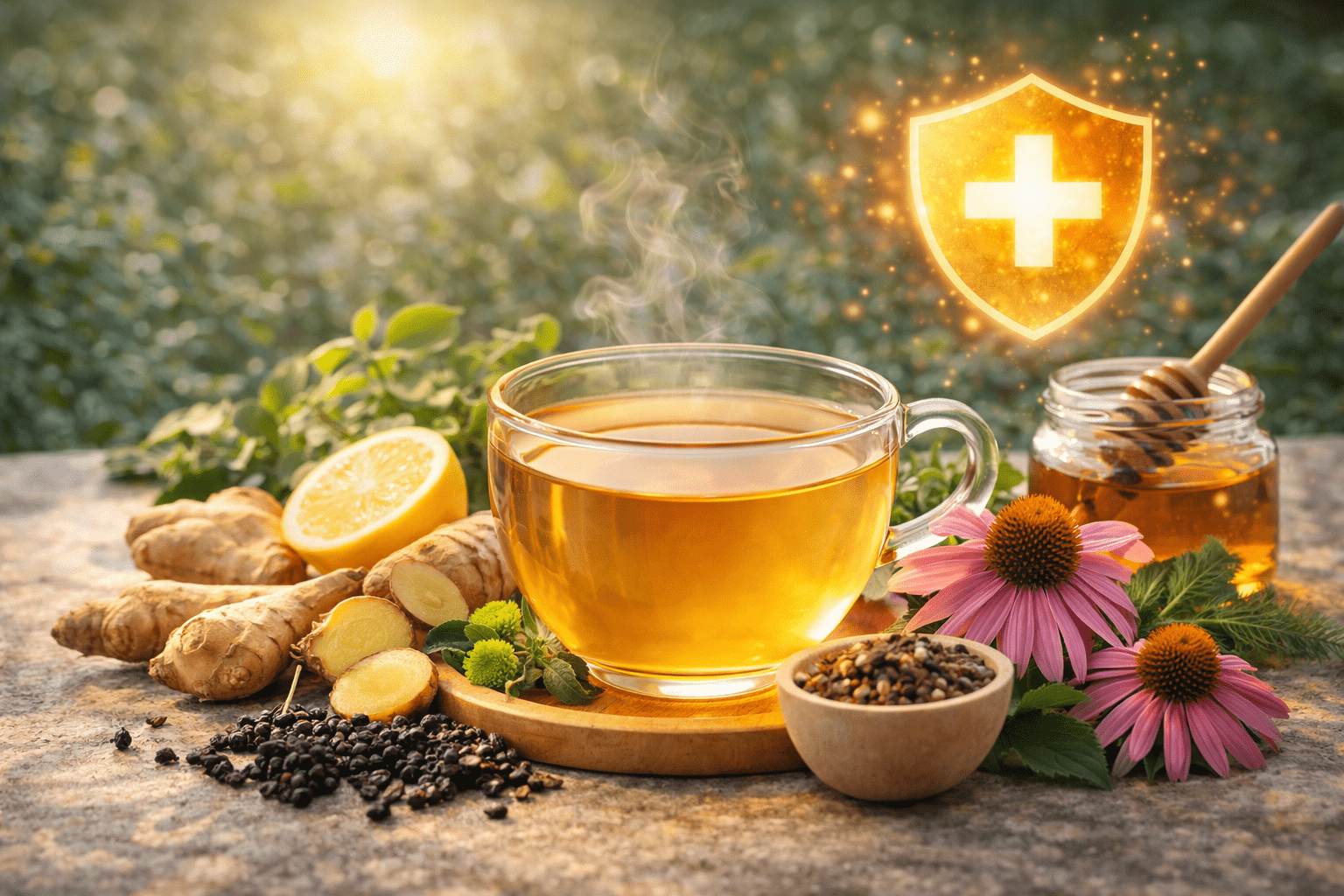
The immune system plays a crucial role in protecting the body from infections, viruses, and harmful environmental factors. A healthy immune system helps the body detect and respond to threats while maintaining internal balance.
Because immunity is influenced by nutrition, lifestyle, and overall health, many people look for natural beverages that may support immune function.
Tea has been consumed for thousands of years and is known for its rich concentration of antioxidants, plant compounds, and amino acids. Modern research suggests that some of these compounds may support immune health by helping regulate inflammation, reducing oxidative stress, and supporting the body’s natural defense systems.
While tea alone cannot prevent illness, drinking tea regularly as part of a balanced lifestyle may help support the body’s immune response.
This guide explains how tea interacts with the immune system, the compounds responsible for its potential benefits, and the types of tea commonly associated with immune support.
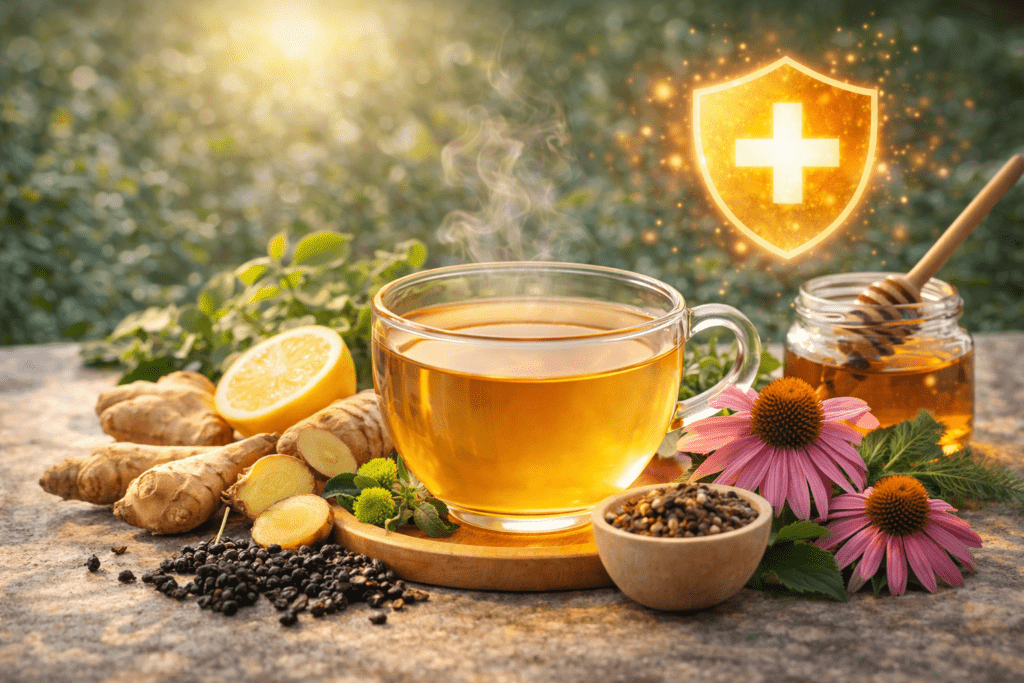
Understanding the Immune System
The immune system is a complex network of cells, tissues, and organs that work together to protect the body.
Its main responsibilities include:
- identifying harmful pathogens
- fighting infections
- removing damaged cells
- maintaining balance within the body
The immune system relies on several key components:
White Blood Cells
White blood cells detect and attack viruses, bacteria, and other foreign substances.
Antibodies
Antibodies help identify and neutralize harmful pathogens.
Lymphatic System
The lymphatic system helps transport immune cells throughout the body.
Gut Microbiome
A large portion of immune activity is connected to gut health.
Because of this complexity, immune health depends heavily on overall lifestyle and nutrition.
Key Compounds in Tea That May Support Immunity
Tea contains numerous plant compounds that may help regulate immune responses.
Polyphenols
Polyphenols are powerful antioxidants found in tea leaves.
They help neutralize free radicals and protect cells from oxidative damage.
By reducing oxidative stress, polyphenols may support immune function.
Catechins
Catechins are abundant in green tea.
The most well-known catechin is EGCG (epigallocatechin gallate).
Research suggests catechins may:
- support immune cell function
- help regulate inflammation
- protect cells from oxidative damage
L-Theanine
L-theanine is an amino acid found naturally in tea.
It may help regulate immune responses and support relaxation.
Stress management is important for maintaining healthy immune function.
Theaflavins
Black tea contains theaflavins formed during oxidation.
These compounds may support immune balance and cardiovascular health.
Best Teas That May Support Immune Health
Several types of tea contain compounds associated with immune support.
1. Green Tea
Green tea is widely studied for its antioxidant content.
Green tea contains high levels of catechins and polyphenols that may support immune regulation and cellular protection.
Many studies suggest green tea may help support immune balance through its antioxidant activity.
2. White Tea
White tea is minimally processed and retains a high concentration of natural antioxidants.
Because of its gentle processing, white tea preserves many beneficial compounds that may support immune health.
3. Black Tea
Black tea contains theaflavins and thearubigins created during oxidation.
These compounds may help regulate immune responses and protect cells from oxidative damage.
Black tea is one of the most widely consumed teas in the world.
4. Ginger Tea
Although technically an herbal infusion rather than traditional tea, ginger tea is widely known for its immune-supporting properties.
Ginger contains compounds that may help support digestion, circulation, and immune responses.
5. Lemon Tea
Lemon tea combines tea with vitamin C from lemon.
Vitamin C is known to support immune function and antioxidant activity.
Tea and the Gut–Immune Connection
Recent research suggests that gut health plays an important role in immune regulation.
The gut microbiome contains trillions of bacteria that influence immune responses.
Some compounds found in tea—especially fermented teas like Pu-erh—may support gut microbiota balance.
A healthy gut microbiome helps regulate inflammation and immune signaling.
Tea and Stress Reduction
Chronic stress can weaken the immune system.
Tea drinking often encourages relaxation and mindful breaks throughout the day.
Compounds like L-theanine may promote calm focus and reduce stress responses.
Supporting mental balance can indirectly support immune health.
How Much Tea Should You Drink?
Moderate tea consumption may help provide beneficial antioxidants.
A common recommendation is:
2–4 cups of tea per day
This amount allows people to enjoy tea’s benefits while keeping caffeine intake moderate.
People who are sensitive to caffeine may prefer:
- white tea
- light green tea
- herbal teas
Lifestyle Habits That Support Immune Health
Tea can be a supportive part of a healthy lifestyle, but immune health depends on several important habits.
These include:
- balanced nutrition
- adequate sleep
- regular physical activity
- stress management
- hydration
- healthy gut microbiome
Combining tea with these habits may support long-term immune balance.
Final Thoughts
Tea has long been valued for its calming and restorative qualities. Modern research suggests that tea’s antioxidants, polyphenols, and amino acids may help support immune balance and cellular protection.
Green tea, white tea, black tea, and certain herbal teas all contain compounds associated with immune health.
While tea should not replace medical care, drinking tea regularly as part of a healthy lifestyle may contribute to improved overall wellness.
For many people, tea offers a simple daily habit that supports both relaxation and the body’s natural defenses.
Continue the Journey

Tea for Cold and Flu: Best Teas to Soothe Symptoms and Support Recovery Naturally
Colds and flu are among the most common illnesses. When you’re sick,...

Tea for Hydration: Does Tea Hydrate You as Well as Water?
Hydration is one of the most important aspects of overall health. Water...

Best Tea for Studying: Top Teas to Improve Focus, Memory, and Learning Efficiency
Studying is not just about time. It’s about mental quality. Many students...