How Tea Is Made: From Leaf to Cup — The Complete Tea Production Process
Tea is one of the most widely consumed beverages in the world, yet many people rarely think about how tea is actually made.
Behind every cup of tea lies a fascinating journey that begins with fresh leaves and ends with a carefully crafted beverage.
From the mountains of China and Japan to plantations in India and Sri Lanka, tea production follows a series of traditional steps that transform fresh leaves into the tea we drink.
Although different types of tea may vary in flavor and appearance, nearly all teas originate from the same plant:
Camellia sinensisThe differences between green tea, black tea, oolong tea, and other varieties come from how the leaves are processed after harvesting.
Understanding how tea is made helps reveal why different teas taste so different.
The Tea Plant: Camellia Sinensis
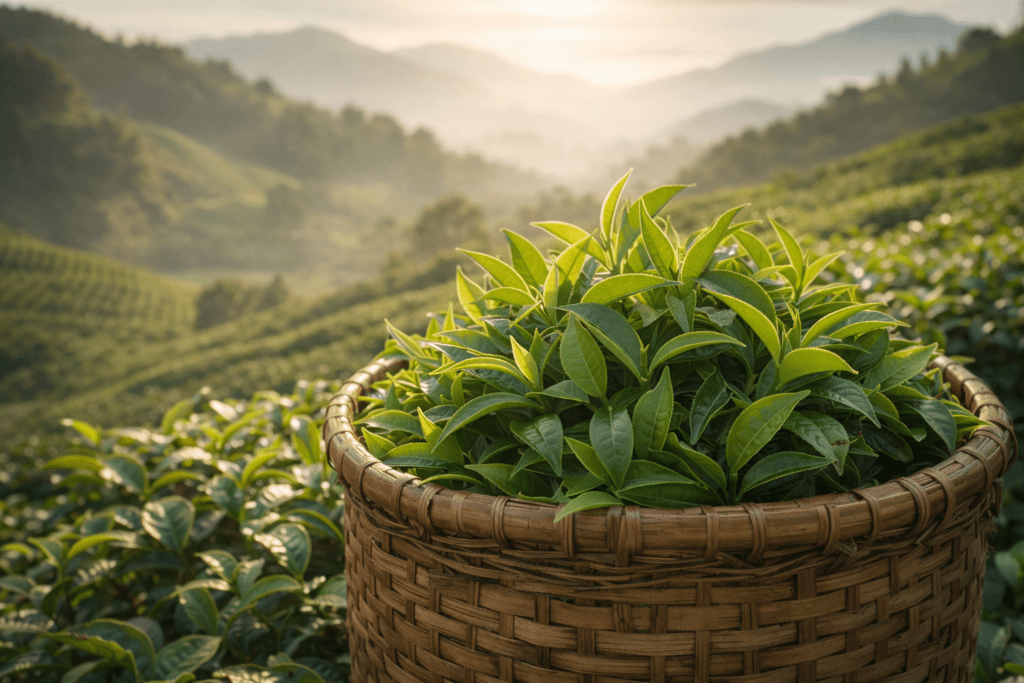
All traditional teas come from the plant Camellia sinensis.
This evergreen shrub grows best in warm, humid climates and is cultivated across many regions of the world.
Two primary varieties of the tea plant are commonly used:
Camellia sinensis var. sinensis
This variety is native to China and produces smaller leaves. It is often used for delicate teas such as:
- green tea
- white tea
- oolong tea
Camellia sinensis var. assamica
This variety grows larger leaves and thrives in tropical climates. It is commonly used for stronger teas such as:
- Assam tea
- many black teas
Tea plants are usually pruned to remain at waist height so that leaves can be easily harvested.
Tea Harvesting: Picking the Leaves
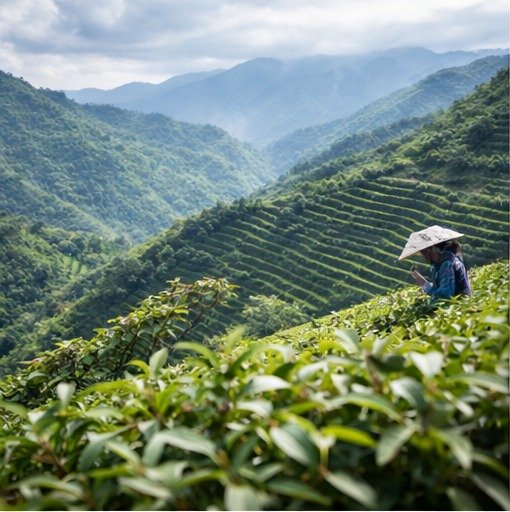
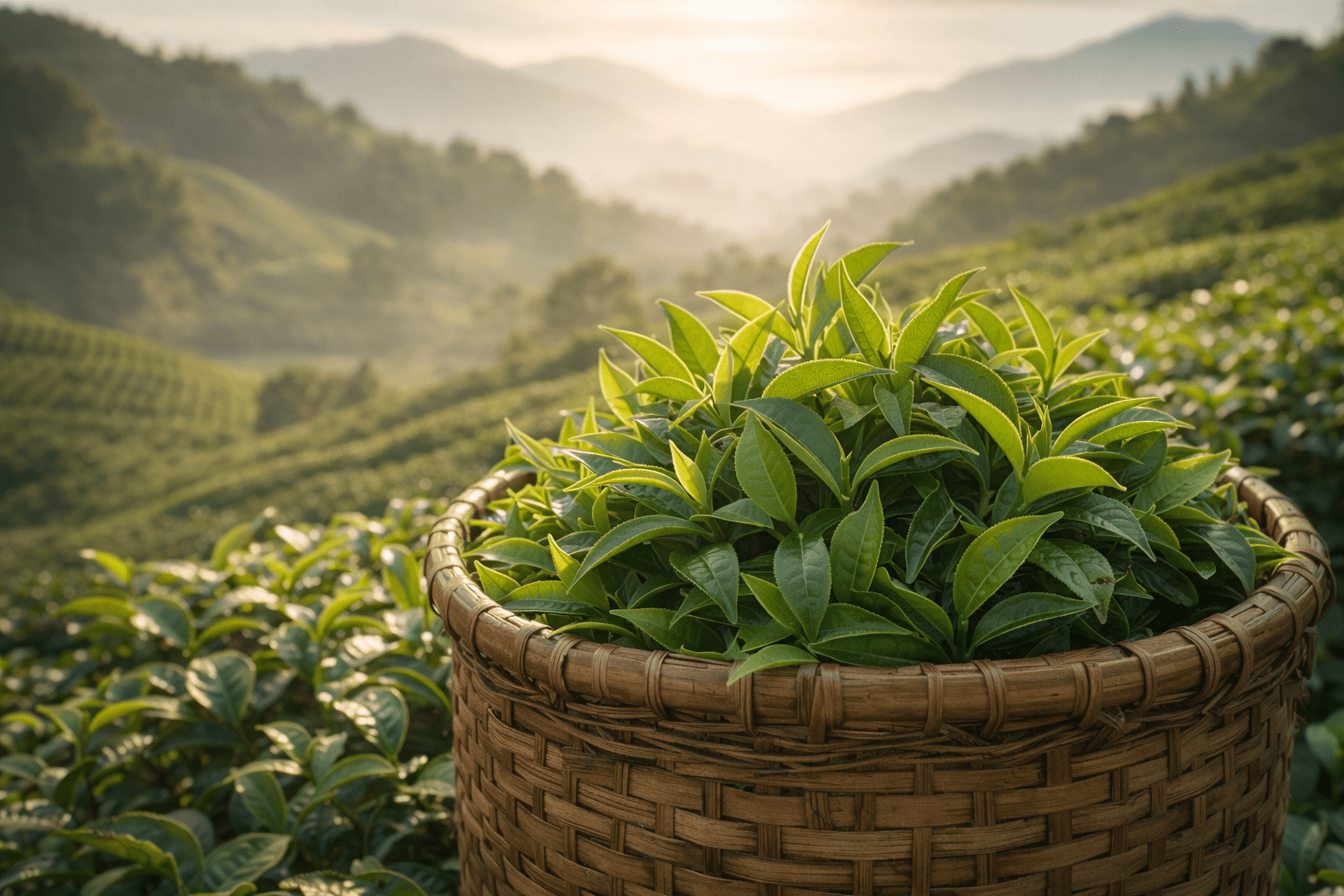
The tea-making process begins with harvesting fresh leaves from the tea plant.
Traditionally, tea leaves are hand-picked, especially for high-quality teas.
The most valuable harvest typically includes:
one bud and two leavesThis combination provides the ideal balance of tenderness and flavor.
Tea harvesting seasons vary by region, but many tea-growing areas produce several harvests each year.
For example:
- spring harvest often produces the most delicate teas
- summer harvest may yield stronger flavors
The quality of harvested leaves strongly influences the final tea.
Withering: Reducing Moisture
After harvesting, tea leaves usually go through a stage known as withering.
During withering, fresh tea leaves are spread out on trays or bamboo mats and allowed to lose moisture.
This stage helps soften the leaves and makes them easier to process.
Withering typically reduces leaf moisture by:
20% – 40%The process may take several hours depending on temperature and humidity.
Withered leaves become more flexible and develop early aroma compounds.
Rolling: Shaping the Leaves
After withering, tea leaves are rolled to break down the leaf structure.
Rolling serves several important purposes:
- releases natural juices
- shapes the leaves
- prepares the leaves for oxidation
Traditional rolling was performed by hand, but modern tea production often uses rolling machines.
Different teas use different rolling styles.
Examples include:
- twisted leaves (many black teas)
- tightly rolled balls (some oolong teas)
- flat leaves (Longjing green tea)
Leaf shape plays a role in how tea looks and brews.
Oxidation: Transforming the Flavor
Oxidation is one of the most important steps in tea production.
During oxidation, enzymes in the tea leaves react with oxygen in the air.
This chemical reaction gradually changes the leaf color and flavor.
Different teas undergo different levels of oxidation:
| Tea Type | Oxidation Level |
|---|---|
| Green tea | Very low |
| White tea | Minimal |
| Oolong tea | Partial |
| Black tea | Full |
Controlling oxidation allows tea makers to create a wide range of flavors and aromas.
Drying: Preserving the Tea
Once the desired oxidation level is reached, tea leaves are heated to stop further chemical reactions.
This stage is called drying or firing.
Drying removes most of the remaining moisture and stabilizes the tea for storage.
The final moisture content of finished tea leaves is typically around:
3% – 5%Proper drying ensures that tea can be stored for long periods without spoiling.
Sorting and Packaging
After drying, tea leaves are sorted based on size and appearance.
Sorting may separate:
- whole leaves
- broken leaves
- tea dust
Whole leaves are often considered higher quality and are commonly used for loose-leaf tea.
Once sorted, tea is packaged for distribution.
Tea may be sold as:
- loose-leaf tea
- tea bags
- compressed tea cakes (pu-erh)
From this point, the tea is ready to be shipped and brewed by tea drinkers around the world.
How Processing Creates Different Types of Tea
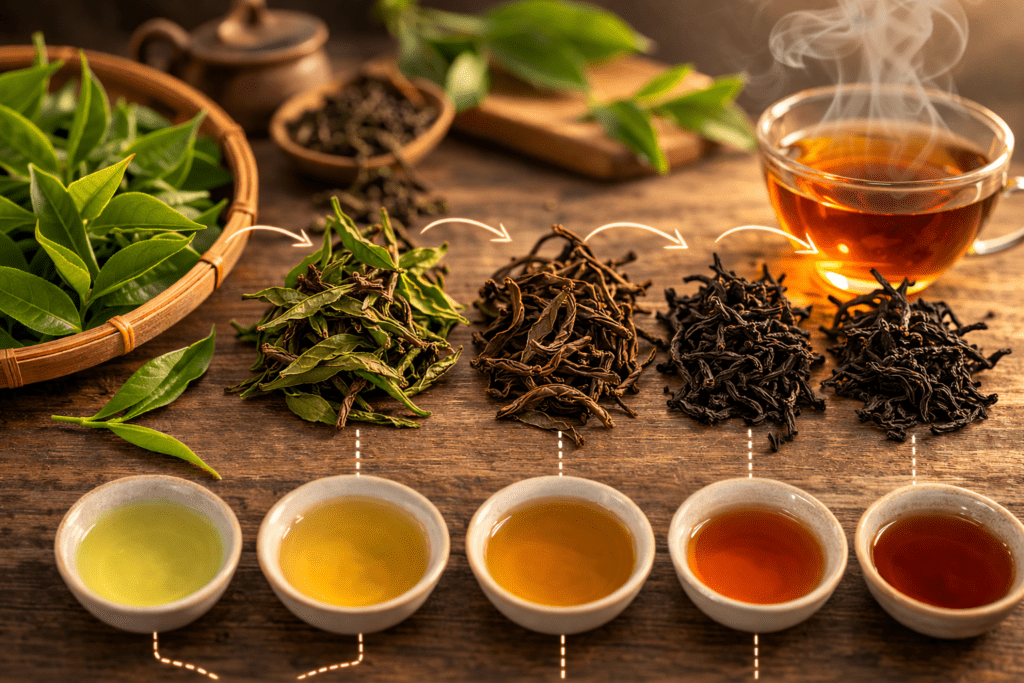
Although all teas come from the same plant, processing methods create enormous diversity.
For example:
- green tea is heated quickly to stop oxidation
- oolong tea undergoes partial oxidation
- black tea is fully oxidized
- pu-erh tea undergoes fermentation and aging
These differences in processing explain why teas can vary so dramatically in:
- flavor
- color
- aroma
- caffeine levels
Understanding tea processing helps reveal the craftsmanship behind each tea variety.
Final Thoughts
The journey from tea leaf to cup is a remarkable transformation.
Through harvesting, withering, rolling, oxidation, and drying, tea producers turn simple leaves into one of the world’s most beloved beverages.
Although the basic process remains similar across different regions, each tea style uses unique techniques that shape its final character.
Learning how tea is made deepens our appreciation for the artistry and tradition behind every cup of tea.
Continue the Journey
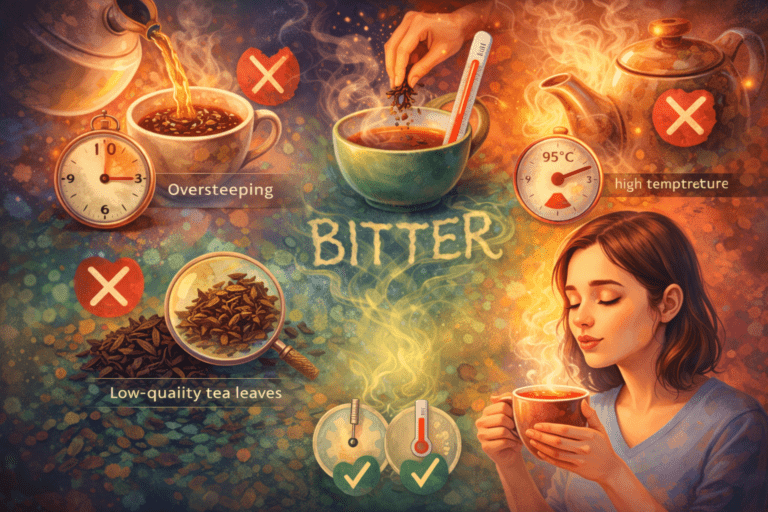
Why Tea Tastes Bitter Sometimes: Causes and How to Fix It
Tea is often described as smooth, refreshing, and complex. However, many tea...
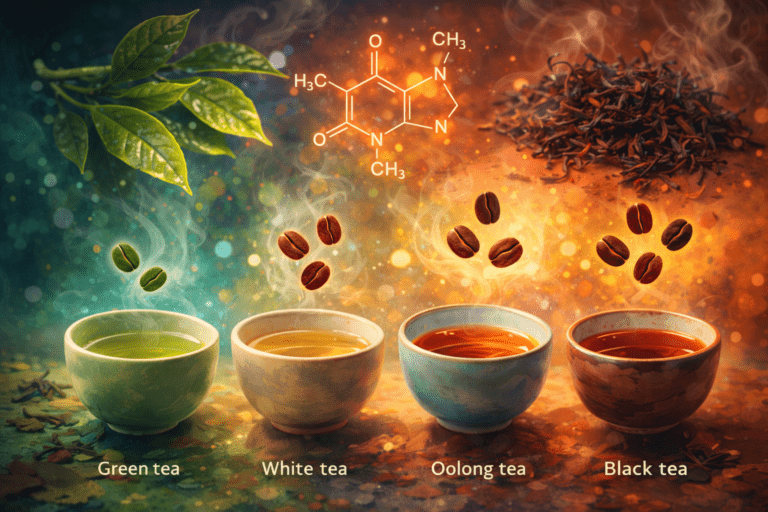
Caffeine in Tea Guide: How Much Caffeine Is in Different Types of Tea?
Tea is widely appreciated for its gentle energy and balanced stimulation. One...
L-Theanine in Tea: Why Tea Creates Calm and Focused Energy
Tea has a unique effect on the mind. Unlike coffee, which often...