How Pu-erh Tea Ages: The Science, Timeline, and Flavor Evolution
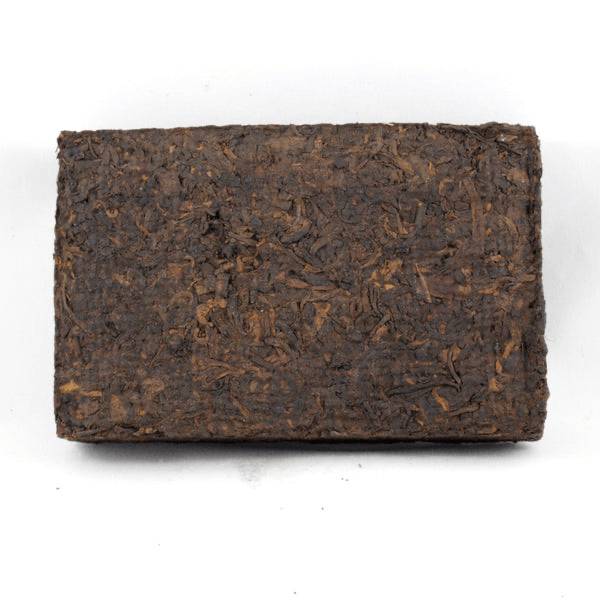
Pu-erh tea is often called:
“The wine of tea.”
But unlike wine, Pu-erh aging is more complex, less predictable, and deeply tied to environment, storage, and microbial life.
Some Pu-erh teas improve dramatically over decades.
Others never reach their potential.
So what really happens when Pu-erh ages?
What Makes Pu-erh Tea Unique?
Pu-erh is one of the only teas that undergoes:
✅ Post-fermentation
This means aging continues after processing, not before.
There are two main types:
1. Raw Pu-erh (Sheng)
- Naturally ages over time
- Slow transformation
- Can improve for decades
👉 This is the true aging tea
2. Ripe Pu-erh (Shou)
- Artificially fermented
- Already “aged” in processing
- Changes slightly over time, but not dramatically
👉 Less aging potential
The Core Mechanism: Why Pu-erh Ages
Pu-erh aging is driven by two forces:
1. Microbial Activity
Inside the tea:
- Bacteria
- Fungi
They slowly transform:
- Polyphenols → smoother compounds
- Bitter substances → mellow flavors
2. Slow Oxidation
Over time:
- Color darkens
- Aroma deepens
- Sharpness fades
The Pu-erh Aging Timeline (Critical Section)
This is what most people don’t understand.
Stage 1: Fresh (0–3 Years)
Flavor:
- Bitter
- Astringent
- Bright
Aroma:
- Floral
- Grassy
👉 Often harsh, not beginner-friendly
Stage 2: Transition (3–10 Years)
Flavor:
- Less bitterness
- More balance
Aroma:
- Honey
- Light wood
👉 This is where tea becomes enjoyable
Stage 3: Maturing (10–20 Years)
Flavor:
- Smooth
- Thick mouthfeel
- Sweet aftertaste
Aroma:
- Dried fruit
- Camphor
- Herbal
👉 Peak stage for many teas
Stage 4: Aged (20+ Years)
Flavor:
- Deep
- Earthy
- Very smooth
Aroma:
- Old wood
- Medicine-like
- Forest floor
👉 Highly collectible
How Storage Changes Everything
This is the most important factor.
The SAME tea can taste completely different depending on storage.
Dry Storage (Clean Aging)
- Slower aging
- Cleaner taste
- More refined
Common in:
- Taiwan
- Some Western collectors
Humid Storage (Faster Aging)
- Faster transformation
- Darker flavor
- Strong earthy notes
Common in:
- Hong Kong
- Southern China
Why Some Pu-erh Becomes Expensive
Not all aged tea is valuable.
Price depends on:
1. Original Material
- Old tree tea (古树) = higher potential
- Plantation tea = lower ceiling
2. Storage Quality
Bad storage = ruined tea
3. Age + Condition
- Well-aged + clean = rare
- Moldy or flat = worthless
4. Rarity
Some cakes are no longer produced.
How to Tell If Pu-erh Is Aging Well
Dry Leaf Check
Look for:
- Even color
- No white mold
- Natural aged aroma
Brewed Tea Check
Good aged Pu-erh:
- Smooth (not sharp)
- Thick mouthfeel
- Lingering sweetness
Bad Pu-erh:
- Sour
- Musty (bad storage)
- Flat
Common Myths About Pu-erh Aging
❌ “The older, the better”
Wrong.
Some teas peak and then decline.
❌ “Any Pu-erh will improve”
No.
Bad tea stays bad.
❌ “You need decades to enjoy it”
Not true.
Many teas are great at 5–10 years.
Should You Age Pu-erh Yourself?
Yes—but only if:
- You understand storage
- You buy quality tea
- You are patient
Beginner Strategy:
- Buy 2 cakes
- Drink one now
- Store one
👉 Compare over time
Why Pu-erh Aging Is So Addictive
Because it combines:
- Science
- Time
- Personal discovery
Every year, the tea changes.
And so does your understanding.
Final Thoughts
Pu-erh aging is not just about tea.
It’s about:
- Patience
- Observation
- Transformation
You’re not just drinking tea.
You’re drinking time itself.
Continue the Journey
Tea Aroma Guide: How to Smell and Understand Tea Like an Expert
If flavor is what you taste… 👉 Aroma is what you truly...
Why Tea Leaves Expand When Brewing: The Science Behind Tea Unfolding
Have you ever noticed this? You start with a small amount of...
Tea Flavor Wheel Explained: How to Understand and Describe Tea Taste
When people first start tasting tea, they often feel stuck: “I know...