Tea Aroma Guide: How to Smell and Understand Tea Like an Expert
If flavor is what you taste…
👉 Aroma is what you truly experience.
In fact:
Most of what you call “taste” is actually smell.
That’s why learning tea aroma is one of the fastest ways to level up your tea experience.
Quick Answer (Featured Snippet)
👉 Tea aroma comes from volatile compounds released during brewing and can be understood through categories like floral, fruity, roasted, and vegetal.
Why Aroma Matters More Than Taste
Science behind it:
Your brain combines:
- Smell
- Taste
👉 But smell dominates.
That means:
If you improve your sense of aroma…
👉 You improve your entire tea experience
When to Smell Tea (Very Important)
1. Dry Leaves
Before brewing
👉 Gives initial character
2. After Rinsing / First Brew
Leaves open slightly
👉 Aroma becomes stronger
3. After Brewing
Fully released
👉 Most accurate expression
How to Smell Tea Properly
Step 1: Get close (but relaxed)
Don’t rush
Step 2: Inhale gently
Short, natural breaths
Step 3: Pause
Let your brain process
👉 Aroma recognition takes a moment
Main Tea Aroma Categories
🌸
Floral
- Jasmine
- Orchid
- Rose
👉 Common in:
- Green tea
- Oolong
🍊
Fruity
- Citrus
- Peach
- Dried fruit
👉 Common in:
- Oolong
- Black tea
🌿
Vegetal
- Grass
- Spinach
- Seaweed
👉 Common in:
- Green tea
🔥
Roasted
- Toast
- Nuts
- Coffee-like
👉 Common in:
- Oolong
- Black tea
🌲
Earthy / Woody
- Soil
- Wood
- Herbal
👉 Common in:
- Pu-erh
Why Tea Aroma Changes Over Time
During brewing:
- Heat releases compounds
- Leaves open
During aging:
- Aroma deepens
- Becomes smoother
👉 Aroma is dynamic
Common Beginner Problem
❌ “I can’t smell anything”
Totally normal.
Why:
- No reference
- Not used to focusing
👉 Aroma skill must be trained
How to Improve Your Tea Aroma Skill
1. Compare Two Teas
Smell side by side
👉 Differences become obvious
2. Smell Daily Objects
Train your brain:
- Fruits
- Flowers
- Food
👉 Builds reference memory
3. Use Simple Words
No need for complexity
Example:
- “Sweet”
- “Fresh”
- “Warm”
👉 Keep it natural
4. Slow Down
Most people rush
👉 Aroma needs attention
Aroma vs Flavor (Important)
Aroma:
What you smell
Flavor:
What you experience
👉 Aroma drives flavor
What Aroma Tells You About Tea Quality
Good tea:
- Clear
- Clean
- Layered
Poor tea:
- Flat
- Dull
- Unpleasant
👉 Aroma = quality signal
Pro Tip
Don’t try to “name it perfectly.”
Instead ask:
👉 Is it pleasant?
👉 Is it clean?
👉 Is it interesting?
👉 That’s enough
Simple Aroma Practice Routine
Daily 3-step:
1. Smell dry leaves
2. Smell after brewing
3. Compare difference
👉 Do this for 7 days → huge improvement
Final Thoughts
Tea aroma is not about expertise.
It’s about awareness.
Once you start noticing aroma:
- Tea becomes richer
- Experience becomes deeper
- Drinking becomes mindful
👉 And that’s where tea becomes addictive (in a good way)
Continue the Journey
Why Tea Leaves Expand When Brewing: The Science Behind Tea Unfolding
Have you ever noticed this? You start with a small amount of...
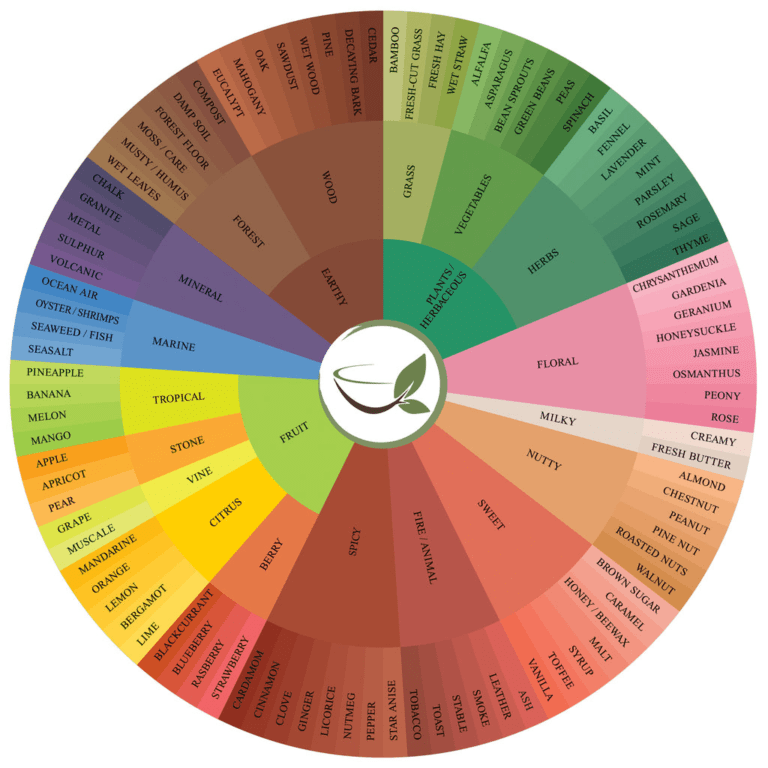
Tea Flavor Wheel Explained: How to Understand and Describe Tea Taste
When people first start tasting tea, they often feel stuck: “I know...
How Much Caffeine Is in Tea? A Complete Guide by Tea Type
If you’re wondering: You’re not alone. This is one of the most...